Best Late-Season Fishing Spots in Wyoming
As the golden hues of autumn fade and the crisp bite of winter approaches, many anglers feel that familiar pang of sadness. The bustling summer crowds thin out, your favorite easy-access spots might start to slow down, and the unpredictable Wyoming weather can make planning a trip feel like a guessing game. It's easy to think the fishing season is winding down to nothing until ice-up, leaving you with limited options and a growing case of cabin fever. But I’m here to tell you that’s simply not true! Wyoming offers some truly spectacular, often overlooked, late-season fishing opportunities if you know where to look and how to adapt. This guide will help you navigate those colder months, discover productive waters, and keep your lines tight right up until the ice forms.
Tailwater Goldmines: Reliable Rivers in the Colder Months
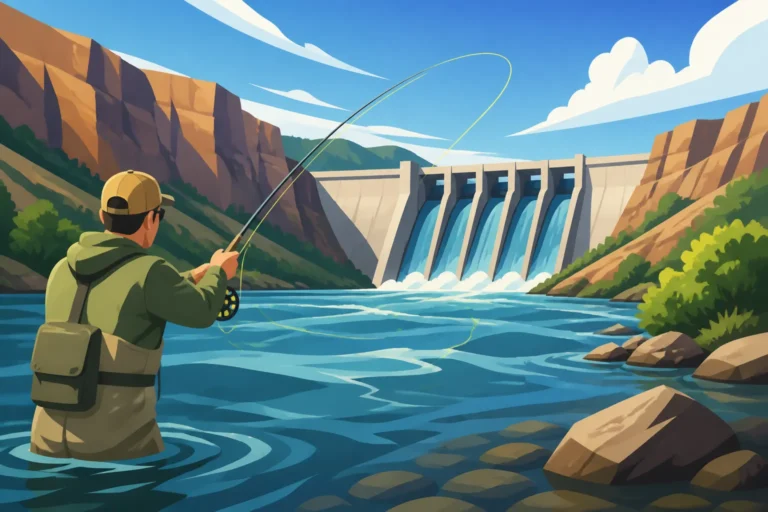
When the rest of the river systems start to freeze or become unfishable due to slush and low water temperatures, tailwater fisheries really shine. These are the sections of rivers immediately downstream from large dams. The magic of tailwaters is that the water released from the bottom of the reservoir maintains a more consistent temperature year-round, often staying warmer in late fall and early winter than unregulated streams. This thermal stability keeps fish active and feeding long after other waters have shut down. It's truly a game-changer for extending your fishing season.
The North Platte River: Miracle Mile and Gray Reef
Ah, the North Platte! If you're talking about consistent, world-class trout fishing in Wyoming, especially as the temperatures drop, this river immediately comes to mind. The sections known as the Miracle Mile and the Gray Reef are legendary for a reason, and they don't disappoint when the calendar flips to late autumn. The water discharged from Pathfinder and Alcova reservoirs keeps the river open and relatively warm, meaning trout remain incredibly active.
Around the Miracle Mile, you'll often find phenomenal fishing for rainbow and brown trout. As the fall progresses into early winter, these fish are still gorging themselves, preparing for the lean months ahead. Nymphing is often the most productive method here, imitating the abundant aquatic insects that are a staple of the trout's diet. Think about smaller patterns, like tiny midges and baetis, as insects become less active but are still present in the warmer flows. The scenery here is absolutely stunning, but be prepared for blustery conditions and dress in layers. If you’re planning a trip to this iconic stretch, it's always wise to consult resources like our guide on the Miracle Mile Stretch of Wyoming's North Platte River to get the most up-to-date information on access and conditions.
Further downstream, the Gray Reef section continues this tailwater excellence. This area is renowned for its large rainbow trout, and late season can see some absolute hogs being pulled from its depths. Similar to the Miracle Mile, nymphing reigns supreme, but don't underestimate the power of streamers, especially for enticing those bigger, more aggressive brown trout that might be looking for a larger meal before winter sets in. Water levels on both these stretches can fluctuate depending on releases from the dams, so it's always a good idea to check the Wyoming Game and Fish Department website for current flows before you head out. For anglers serious about big browns, fall is also a prime time for Fall Fishing for Browns on the Miracle Mile.
The Green River Below Flaming Gorge Dam
Another prime tailwater fishery that thrives in the late season is the Green River, specifically below the mighty Flaming Gorge Dam. This stretch is a true gem, offering clear, cold water that supports a prolific population of rainbow, brown, and cutthroat trout. The consistent flows and temperatures from the dam provide excellent fishing well into November and even December, depending on how mild the winter decides to be.
The Green River is a renowned fly-fishing destination, and even in the colder months, skilled anglers can find success with small nymphs and midge patterns. The fish here are accustomed to high-quality forage, so presenting your flies naturally is key. Streamer fishing can also be incredibly effective, particularly if you're targeting the larger brown trout that actively feed on baitfish. The solitude you'll find on the Green River during the late season is a welcome change from the summer crowds, offering a peaceful and rewarding experience. Just remember that wade fishing can be challenging with colder water, so quality waders and a wading staff are essential. If you’re considering a guide for these pristine waters, checking platforms like FishingBooker can help you find local experts who specialize in these colder-weather tactics. You might also want to brush up on Fly Fishing Techniques for Wyoming Trout Streams to prepare for this fantastic fishery.
Reservoir Riches: Deep Water Strategies for Cooler Temps
While rivers often steal the spotlight, Wyoming's vast reservoirs can offer incredible late-season opportunities, especially for species that thrive in deeper, cooler water. As the surface temperatures drop, many fish species migrate to deeper parts of the reservoir, concentrating in predictable areas. This means you might not have to cover as much water as you would in summer, making it easier to locate active schools.
Flaming Gorge Reservoir: Lake Trout and Burbot
Flaming Gorge is an enormous body of water shared with Utah, and it's famous for its trophy lake trout (Mackinaw). Late season, right before the full ice-up, can be one of the best times to target these deep-dwelling giants. As surface temperatures plummet, the lake trout move shallower to feed on kokanee salmon and other forage fish before retreating to their deepest haunts for winter.
Trolling is a popular and effective method for lake trout at Flaming Gorge, often requiring downriggers to get your lures to the correct depth where these fish are holding. Large spoons, tube jigs, and various stickbaits can be highly effective. Look for underwater structure, humps, and ledges where baitfish congregate, as the lake trout won't be far behind. This is also a fantastic time of year for targeting burbot (ling), a unique and delicious freshwater cod-like fish that becomes more active in colder water. They are often caught through the ice, but late fall can see them active from boats too, especially at night using glow-in-the-dark jigs and cut bait. To maximize your chances, understanding Trolling Techniques for Wyoming Reservoirs can be a huge asset. For those serious about battling a true trophy, explore our detailed guide on Lake Trout Mackinaw Fishing in Wyoming.
Boysen Reservoir: Walleye and Crappie
Boysen Reservoir, located near Shoshoni, is a powerhouse for warmwater species like walleye and crappie, and its late-season bite can be absolutely phenomenal. As the water cools, walleye often become more concentrated and aggressive, feeding heavily before winter.
Vertical jigging with spoons or blade baits, often tipped with a piece of minnow, is a killer technique for walleye in the late fall at Boysen. You'll want to focus on structure like submerged points, humps, and channels, usually in depths ranging from 20 to 40 feet. The fish might be schooled up, so once you find one, there are likely more. For crappie, look for them suspending over deeper brush piles or along channel breaks. Small jigs, often tipped with a crappie nibbler or a minnow, fished slowly and meticulously, can yield impressive numbers. The colder water also often means less boat traffic, offering a more serene fishing experience. Don't overlook the opportunity to secure a true trophy by researching Walleye Fishing in Wyoming before you go.
If you’re traveling to Boysen and unfamiliar with the area, a local guide can be invaluable for finding these late-season hotspots. Checking a service like FishingBooker allows you to find highly-rated guides who know Boysen inside and out, ensuring you make the most of your limited daylight hours.
Glendo Reservoir: Walleye and Wipers
Glendo Reservoir, in southeastern Wyoming, is another excellent option for late-season warmwater action. It’s well-known for its abundant walleye and its hard-fighting wiper population (a hybrid cross between a white bass and a striped bass). Just like Boysen, as the water cools, these fish tend to school up and can offer some fast-paced action.
For walleye at Glendo, trolling crankbaits or bottom-bouncers with spinners and worms can be effective, particularly along main lake points, submerged islands, and creek channels. Pay attention to your electronics to identify schools of baitfish and the predators lurking nearby. Wipers are often found chasing baitfish in open water, so keeping an eye out for bird activity can lead you to feeding frenzies. Casting large spoons, swimbaits, or even topwater plugs (if the surface activity is strong) can draw violent strikes. Late fall can present a chance for true trophy wipers. Always remember to check Wyoming's Combined Possession Limit Explained to ensure you're in compliance with local regulations.
Unexpected Gems: Lesser-Known Spots and Unique Opportunities
Sometimes, the best late-season fishing doesn't come from the big-name rivers or reservoirs, but from smaller, less-pressured waters, or by targeting species that thrive when others slow down. These spots can offer a tranquil and productive outing, far from any crowds.
Urban and Community Ponds: Accessible and Stocked
Don't discount the smaller urban and community ponds scattered across Wyoming. While they might not offer the wilderness experience of a high-country lake, many of these ponds are regularly stocked by the Wyoming Game and Fish Department, often with rainbow trout, even into the late fall. These accessible spots can provide a fantastic, convenient option when larger waters are becoming difficult to fish.
These ponds are often ideal for families or beginners, as the fish are typically easier to catch. PowerBait, worms, or small spinners are usually all you need. The key is to check the local Game and Fish stocking reports to see which ponds have recently received fish. While they might not hold trophy-sized fish, the chance to still feel a tug on the line when most other anglers have packed it in for the year is incredibly satisfying. Plus, these spots are often easily accessible, meaning less hassle with muddy roads or challenging hikes.
Still-Open Tributaries and Spring Creeks
While many of Wyoming's smaller streams and mountain creeks will be running low and cold, or even freezing over, some unique spots can remain open and productive. Look for smaller tributaries that feed into larger rivers, especially those with consistent groundwater input or spring-fed sections. These "spring creeks" often maintain a more stable water temperature year-round, keeping trout active and feeding.
These smaller waters require a more stealthy approach, as the fish can be quite wary. Light tackle, small nymphs, and careful wading are crucial. The rewards, however, can be immense. You might find eager brook trout, feisty cutthroat, or even resident brown trout that have dropped down from higher elevations. The solitude and intimate nature of fishing these smaller, forgotten waters in the late season can be a truly special experience, connecting you with the wildness of Wyoming when most others are indoors. To make sure you’re staying within the rules for these specific areas, always consult Wyoming Fishing Regulations Every Angler Should Know.
Late-Season Fishing Considerations
| Fishing Spot Type | Target Species (Late Season) | Recommended Techniques | Key Considerations |
|---|---|---|---|
| Tailwater Rivers | Rainbow, Brown, Cutthroat Trout | Nymphing, Streamers | Consistent temps, check flows, cold air |
| Large Reservoirs | Lake Trout, Walleye, Burbot, Wipers | Trolling, Jigging (vertical), Bait | Focus on structure, deep water, boat required |
| Community Ponds | Stocked Rainbow Trout | Bait, Small Spinners | Easy access, check stocking reports, family-friendly |
| Spring Creeks | Brook, Cutthroat, Brown Trout | Small Nymphs, Light Tackle | Stealth, stable temps, often walk-in access |
As you plan your late-season adventures, remember that conditions can change rapidly in Wyoming. A sunny, calm day can quickly turn into a blustery, snowy affair. Always check the weather forecast, dress in layers (think insulated waders, warm jackets, hats, and gloves), and inform someone of your plans. Safety should always be your top priority. While the thought of winter arriving can bring fishing season sadness, embracing these late-season opportunities can offer some of the most memorable and rewarding trips of the year.
Disclaimer
Please be aware that fishing regulations in Wyoming are subject to change. Always consult the most current Wyoming Game and Fish Department regulations pamphlet or their official website before heading out on your fishing trip. This guide is for informational purposes only and does not replace official regulations.