Best Wyoming Fishing Months for Trophy Trout
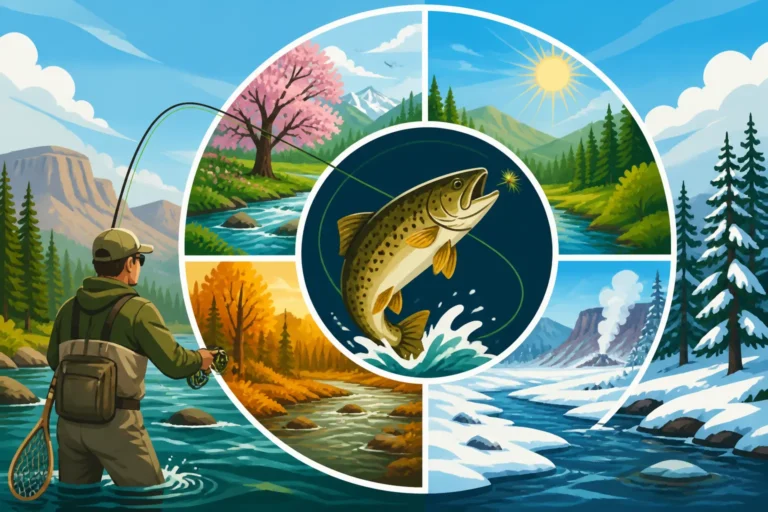
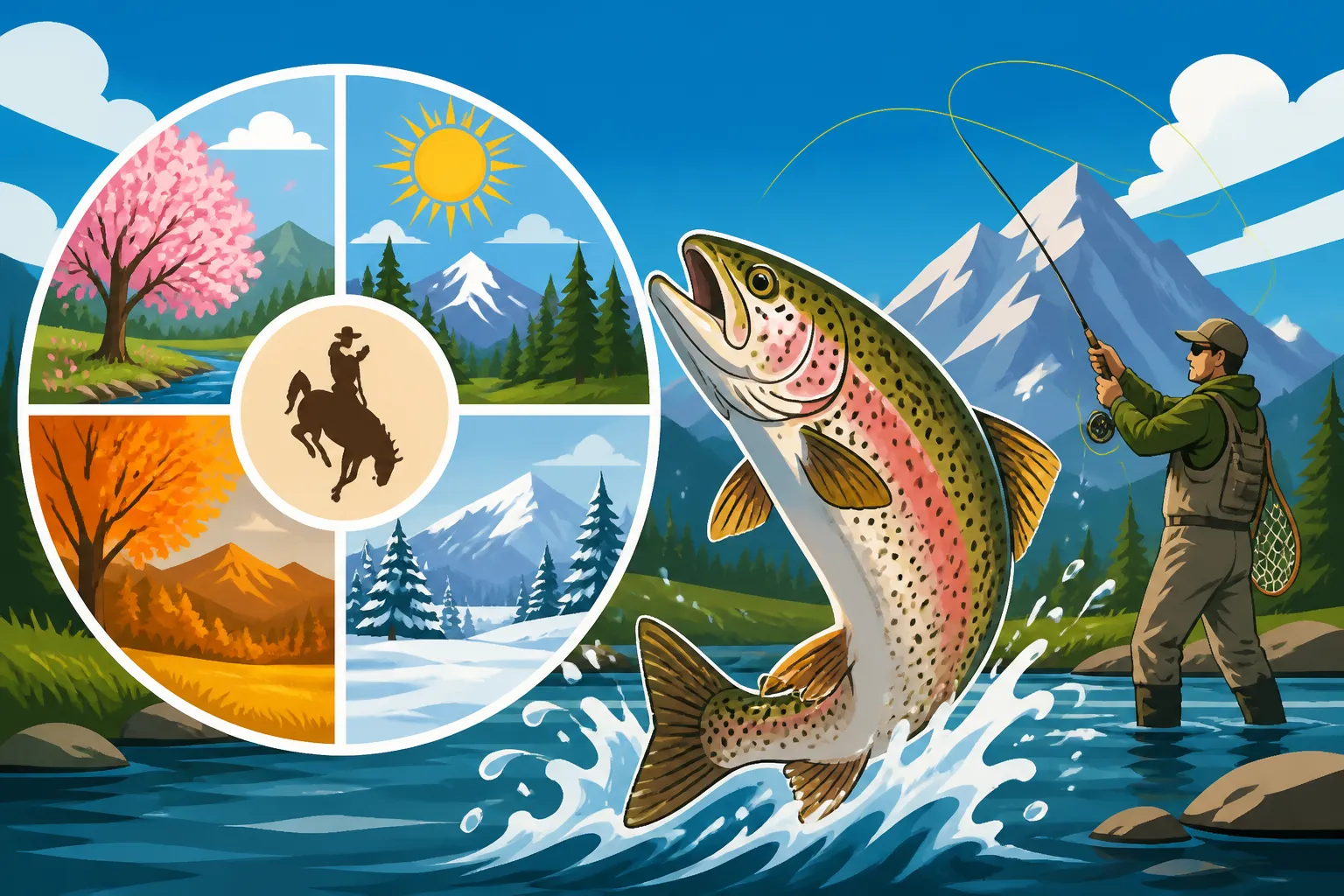
Trying to figure out when to hit Wyoming's legendary waters for that monster trout can feel like cracking a secret code. So many factors come into play—weather, water temps, spawning cycles—it's enough to make your head spin, especially when you're dreaming of a true trophy. This guide is here to untangle all that, helping you pinpoint the absolute best months to chase those brag-worthy, once-in-a-lifetime trout across the Cowboy State.
Understanding the Trophy Mindset: What Makes a Trout "Trophy-Sized"?
Before we dive into the calendar, let's clarify what we mean by "trophy trout" in Wyoming. It's not just about length; it's about the fish's overall health, girth, and the sheer challenge it presents. For many, a trophy rainbow or brown trout often means anything pushing 20 inches or more, while a lake trout or golden trout can command respect at even larger sizes. These fish are smart, seasoned, and often harder to fool, which is why targeting them requires a strategic approach tied directly to their annual cycles. It’s a different game than simply catching numbers; it’s about patience, persistence, and understanding the nuances of their behavior.
Spring: The Season of Opportunity for Big Browns and Rainbows
Spring in Wyoming is a season of transition, marked by melting snow, rising rivers, and the awakening of the aquatic ecosystem. While runoff can make some rivers challenging, other waters present incredible opportunities for trophy-sized fish, especially early in the season.
Pre-Runoff Aggression: March and April
As the last vestiges of winter fade, usually around March and into April, many of Wyoming's rivers and reservoirs begin to thaw and clear up, but the water is still cold. This is when trout, particularly brown trout and rainbow trout, start to become more active, shaking off their winter sluggishness and actively feeding before the big runoff hits.
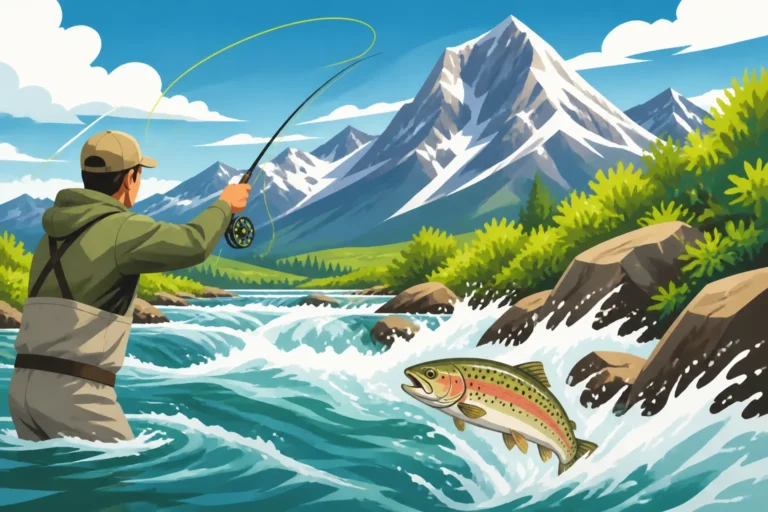
You'll often find these fish gorging on nymphs, scuds, and small minnows, trying to pack on weight after a lean winter. Tributaries and river sections below dams, known as tailwaters, are particularly good during this period because they often maintain more consistent flows and clearer water compared to free-flowing rivers. Think of the North Platte River's Gray Reef section or the Miracle Mile, where trout have been cooped up and are now ready to eat. They're often less spooky in the colder water and more willing to chase larger, subsurface offerings. It’s a fantastic time for streamer fishing, where you can often tempt a truly massive brown trout out of its winter hideout.
Post-Runoff Resurgence: Late May and Early June
Once the snowmelt peaks and rivers start to drop and clear—typically in late May or early June, depending on the year's snowpack—the fishing can explode. This post-runoff period is often overlooked by anglers who get discouraged by the high, muddy water of peak runoff, but it's a golden window for trophy hunters.
The high water flushes tons of food into the system, from aquatic insects to worms and dislodged baitfish. Trout, having endured the powerful currents and limited visibility, are now ravenous. They'll be found in slower seams, eddies, and along riverbanks, eagerly snatching up whatever drifts by. This is when you can really hit some of Wyoming's best trout streams for big fish. Larger nymphs, stonefly imitations, and even small streamer patterns can be incredibly effective. The fish are often spread out and aggressive, making it a dynamic and rewarding time to cover water and hunt for that dominant individual. Many anglers find success using heavier rigs to get their flies down in the still-strong currents.
Summer: High-Country Hunts and Early Morning Giants
Wyoming summers are synonymous with long, sunny days and stunning scenery. While some lower elevation rivers can get warm, making mid-day fishing tough, other opportunities for trophy trout open up, especially in the high country.
Alpine Lake Monsters: July and August
Once the high-mountain passes melt out, usually by early to mid-July, access to Wyoming's countless alpine lakes becomes possible. Many of these remote lakes hold surprisingly large trout, including hefty cutthroat trout, brook trout, and even the elusive golden trout. These fish often grow to impressive sizes due to less fishing pressure and an abundance of natural food sources.
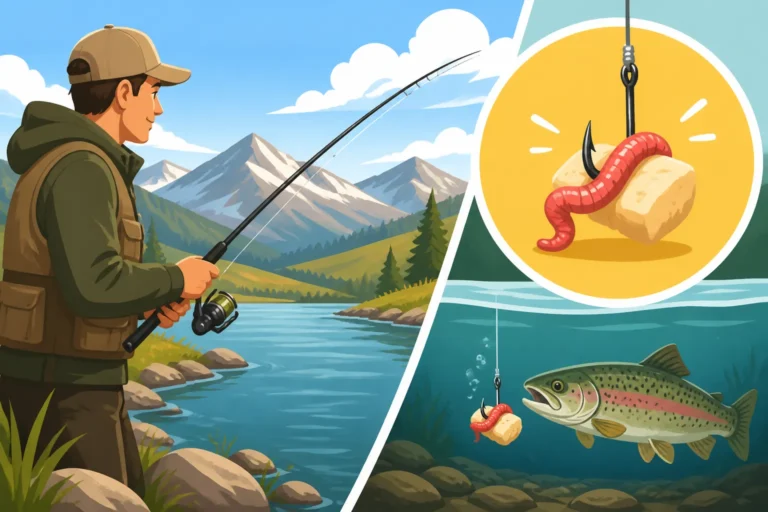
Hiking into these pristine environments for a few days of fishing is an experience in itself. The fish in these lakes tend to be opportunistic, taking advantage of short feeding windows. Early mornings and late evenings, or during cloudy days, can be prime. Large dry flies, small spoons, or even just a worm under a bobber can entice a strike from a trout that hasn't seen many anglers. This is an unparalleled opportunity to find a true trophy in a stunning, untouched setting. Remember that the journey is part of the reward, and being prepared for the elements is key. You'll want to review your gear for How to Fish Wyoming's High-Alpine Lakes before heading out.
Early Morning and Evening Bites on Tailwaters: July and August
Even in the heat of summer, the state's colder tailwaters remain productive for trophy trout. The key is to fish during the cooler parts of the day: dawn and dusk. These are the times when larger brown and rainbow trout become more active, venturing out from deeper, cooler holding lies to feed.
During these hours, major insect hatches can occur, bringing big fish to the surface. Tricos in the early morning are a prime example, causing a flurry of subtle rises from large, wary trout. Terrestrial patterns like hoppers, ants, and beetles become incredibly effective as summer progresses. The fishing can be challenging, requiring precise casts and delicate presentations, but the reward of hooking a 20-inch-plus rainbow on a dry fly at sunrise is truly unforgettable. Focus on runs with good cover, undercut banks, and deeper pools where big fish can ambush their prey or find refuge from the midday sun.
Fall: The Prime Time for Spawning Browns and Aggressive Cutthroat
For many trophy trout anglers, fall is the undisputed champion. The crisp air, changing leaves, and, most importantly, the spawning runs of brown trout create unparalleled opportunities for truly massive fish.
Brown Trout Spawning Runs: September and October
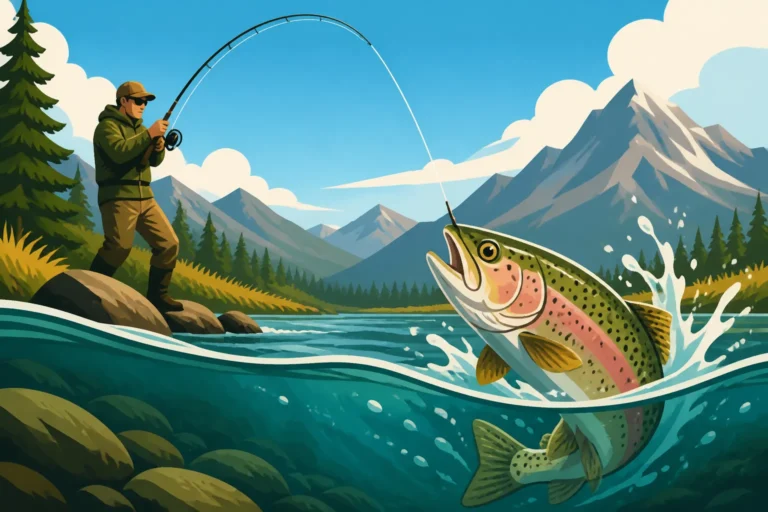
This is it. The time every serious trophy brown trout angler lives for. As water temperatures begin to drop in September and October, brown trout start their annual migration upstream from reservoirs and larger river sections into tributaries and shallower riffles to spawn. These fish are at their most beautiful, adorned with vibrant reds, oranges, and golds, and their most aggressive.
Targeting these pre-spawn and spawning browns requires both skill and respect. While they are territorial and will strike at intruders, it's crucial to practice catch-and-release to protect future generations. Large streamers that imitate baitfish or aggressive egg patterns can be highly effective. The North Platte River's Miracle Mile and Gray Reef sections, as well as parts of the Snake River, are legendary for their fall brown trout runs. Anglers often brave cold weather and occasional snow flurries, knowing that the chance to hook a legitimate trophy, sometimes pushing into the upper 20-inch range, is worth every effort. Understanding Fall Fishing for Migrating Browns is crucial to maximizing your chances and ensuring the health of the fishery.
Aggressive Cutthroat on the Feed: September and October
While brown trout are spawning, cutthroat trout are often still actively feeding, preparing for the lean winter months. In many systems, particularly the Snake River and its tributaries, or in high-country lakes, fall offers some of the best opportunities to catch large, healthy cutthroat.
They'll be targeting late-season hatches, terrestrials, and minnows, often feeding heavily to build up fat reserves. Their aggressive nature in the fall makes them a joy to catch on both dry flies and streamers. Look for them in runs, riffles, and seams, particularly where they have access to deeper water for refuge. The crowds of summer have thinned, the scenery is spectacular, and the fish are often in peak condition, offering a fantastic experience for those seeking a trophy cutthroat.
Winter: Ice Fishing for Lake Trout and Tailwater Titans
When most people pack away their fishing gear, a dedicated few find some of Wyoming's most unique and rewarding trophy opportunities during the winter months, especially through the ice or on reliable tailwaters.
Ice Fishing for Monster Lake Trout: December to March
Wyoming's large reservoirs like Flaming Gorge, Jackson Lake, and Pathfinder Reservoir are renowned for their giant lake trout, or Mackinaw, and winter is often the best time to target the true giants. When these immense bodies of water freeze over, it opens up access to vast areas that are difficult to reach by boat in other seasons.
Lake trout, being cold-water species, remain active under the ice. They often congregate near deep structure, rocky points, and submerged humps, feeding on smaller fish like kokanee salmon or burbot. Techniques like jigging with large tube jigs, spoons, or dead bait on tip-ups are incredibly effective. A common method is to use a fish finder to locate schools of baitfish, knowing the lake trout won't be far behind. The sheer size and power of a 20-pound-plus lake trout battling you through a small hole in the ice is an experience unlike any other. Remember to dress warmly and bring appropriate safety gear when venturing onto the ice. For a deeper dive, check out our guide on Ice Fishing in Wyoming: A Complete Guide.
Consistent Tailwater Fishing: December to February
While most rivers are frozen or unfishable, Wyoming's tailwaters, which are rivers flowing out of the bottom of large dams, maintain consistent water temperatures and open water year-round. These sections offer surprisingly good fishing for trophy rainbows and browns, even in the dead of winter.
The fish often congregate in deeper, slower pools and runs, conserving energy. While insect activity is minimal, midges are a staple, and nymphing with small patterns can be incredibly productive. Focus on slow, deep drifts and be prepared for subtle strikes. Winter fishing on tailwaters requires patience and precision, but the reward can be a healthy, hard-fighting trout that has grown large on the consistent food supply. It's a peaceful experience, often with fewer anglers on the water, allowing for a more solitary pursuit of that winter trophy.
Water Conditions: The Unsung Hero of Trophy Trout Fishing
Knowing when to go is only half the battle. Understanding where and how to gauge water conditions is equally vital for consistent trophy trout success in Wyoming. The state's dynamic environment means that perfect timing is often a combination of calendar month and current river/lake conditions.
Temperature is King: Optimal Feeding Zones
Trout are cold-blooded creatures, and their activity levels are directly tied to water temperature. While specific optimal ranges vary by species, generally, trout are most active and feed most aggressively when water temperatures are in their preferred range. For most trout species, this means temperatures between 45-65 degrees Fahrenheit.
Too cold, and they become sluggish, conserving energy. Too warm, and they can become stressed, seeking refuge in colder spring inlets or deeper pools. This is particularly relevant in summer. If river temperatures climb above 68-70 degrees, it's often best to stop fishing for trout entirely, as the stress of being caught can be lethal. Conversely, knowing when water temperatures are just right, perhaps in early spring as they climb into the mid-40s or in fall as they drop into the 50s, can indicate prime feeding windows for large, active fish. A simple thermometer is one of the most valuable tools an angler can carry, as understanding How Water Temperature Changes Wyoming Trout Behavior can make or break your trophy hunt.
Flow Rates and Clarity: Adapting Your Approach
Beyond temperature, water flow and clarity are critical. High, turbid water (like during peak spring runoff) can make fishing incredibly difficult, as fish struggle to see and feed, and anglers struggle to get their flies or lures to the fish effectively. However, just as rivers begin to clear on the downside of runoff, the fishing can be phenomenal, as we discussed earlier.
Conversely, extremely low and clear water (common during late summer or winter) can make fish exceptionally spooky. In these conditions, stealth, longer leaders, and more delicate presentations become paramount. Large trout, especially, are masters of evasion in clear, low water. Checking online resources like the USGS water data or the Wyoming Game and Fish Department website for real-time streamflow data before you head out is non-negotiable. It helps you decide not just if to go, but how to fish specific sections, whether you need heavy nymph rigs for high water or tiny dry flies for crystal-clear conditions. It's all about reading the water and adjusting. If you're looking for guidance on this, our article on How to Read Water When Trout Fishing might be a great next step.
Choosing Your Trophy Trout Destination by Month
Wyoming is a vast state with incredibly diverse fisheries. While the general seasonal advice holds true, specific locations often shine for particular species during certain months. Knowing these hotspots can greatly increase your odds of landing that dream fish.
Spring Hotspots: Tailwaters and Lower Elevation Rivers
In the spring, especially pre-runoff, your best bets for trophy browns and rainbows are often the renowned tailwater fisheries.
- North Platte River (Gray Reef and Miracle Mile): These sections are famous for their healthy populations of large rainbow and brown trout. March and April can be excellent for large nymphing rigs or streamer fishing as fish become active. Post-runoff, typically late May through June, also offers prime opportunities as hungry fish gorge on available food.
- Green River (below Fontenelle Dam): Another exceptional tailwater, the Green River offers fantastic nymphing and streamer fishing in the spring for large brown and rainbow trout. Its consistent flows make it a reliable choice when other rivers are blown out by runoff.
- Big Horn River: While partially in Montana, the lower Big Horn in Wyoming also offers some incredible early season opportunities for big trout, often experiencing an earlier runoff and clearer water than mountain-fed streams.
Summer Hotspots: High Country and Major Lakes
As temperatures rise, look to higher elevations and deeper lakes for the best summer trophy action.
- Wind River Range High Lakes: For golden trout, brook trout, and cutthroat, these remote lakes accessed by backpacking are unparalleled from July through August. Each lake often holds its own secret, and it’s a true adventure. Consider exploring High-Elevation Lakes in the Wind River Mountains for some ideas.
- Jackson Lake: While known for its scenic beauty, Jackson Lake also harbors massive lake trout. Trolling deep with downriggers in July and August can yield some impressive Mackinaw, though they can be found year-round. This is also a good spot for respectable cutthroat.
- Flaming Gorge Reservoir: This massive reservoir on the Wyoming-Utah border is a trophy factory for lake trout and a fantastic place for kokanee salmon. While the big lake trout are often deeper, early morning and late evening trolling can be productive for large fish in summer. If you're considering Trolling Techniques for Wyoming Reservoirs, Flaming Gorge is a perfect proving ground.
Fall Hotspots: Spawning River Sections and Prime Feeding Grounds
Fall is prime time for big fish across many of Wyoming's waters, especially those with strong brown trout populations.
- North Platte River (Miracle Mile and Grey Reef): Again, these sections shine. October is peak brown trout spawning season, drawing in true monsters. This is arguably the best chance for a trophy brown trout in Wyoming.
- Snake River (Jackson Hole Area): The Snake River offers some of the best opportunities for large, native fine-spotted cutthroat trout in the fall. As terrestrials become less active, streamer fishing for aggressive cutthroat can be phenomenal. The river below Jackson Lake Dam is particularly notable.
- Upper Green River: Sections of the upper Green can also offer excellent fall brown and cutthroat fishing as fish become more aggressive. The changing leaves and crisp air make for a spectacular fishing experience.
Winter Hotspots: Ice-Covered Reservoirs and Tailwaters
Winter fishing is for the hardy, but the rewards can be immense, particularly for big lake trout.
- Flaming Gorge Reservoir: Hands down, one of the best ice fishing destinations for trophy lake trout. From December through March, anglers brave the cold for a chance at a true monster Mackinaw. For a detailed breakdown of this species, you'll want to read about Lake Trout Mackinaw Fishing in Wyoming.
- Boysen Reservoir: Offers great ice fishing for walleye and some large trout, particularly rainbow and brown trout, in the winter months. Jigging for walleye can be highly productive.
- North Platte River Tailwaters: As mentioned, the Gray Reef and Miracle Mile sections remain open and fishable, offering consistent opportunities for large rainbow and brown trout throughout the winter, primarily with nymphing techniques.
| Month(s) | Target Species | Primary Locations | Key Conditions/Techniques | Trophy Potential |
|---|---|---|---|---|
| March – April | Brown, Rainbow Trout | North Platte Tailwaters, Green River | Pre-runoff aggression, colder water, nymphing/streamers | High |
| Late May – June | Brown, Rainbow Trout | Post-runoff Rivers, North Platte | Water dropping/clearing, ravenous fish, large nymphs | High |
| July – August | Golden, Cutthroat Trout | High-Alpine Lakes, Yellowstone Lake | High elevation, clear water, dry flies/small lures | Medium – High |
| Brown, Rainbow Trout | Tailwaters (early/late day) | Cooler hours, terrestrial patterns, deep nymphing | High | |
| September – October | Brown Trout | North Platte, Snake River, Green River | Spawning runs, aggressive strikes, streamers/egg patterns | Very High |
| Cutthroat Trout | Snake River, Alpine Lakes | Active feeding, fall colors, streamers/dry flies | High | |
| December – March | Lake Trout (Mackinaw) | Flaming Gorge, Jackson Lake | Ice fishing, deep jigging, tip-ups, consistent structure | Very High |
| Brown, Rainbow Trout | North Platte Tailwaters | Open water, consistent flows, slow nymphing | Medium – High |
Essential Gear and Techniques for Trophy Trout
Targeting trophy trout isn't just about timing; it's also about equipping yourself with the right tools and knowing how to use them. These fish are often smarter, stronger, and more particular than their smaller counterparts.
Rods, Reels, and Line Strength
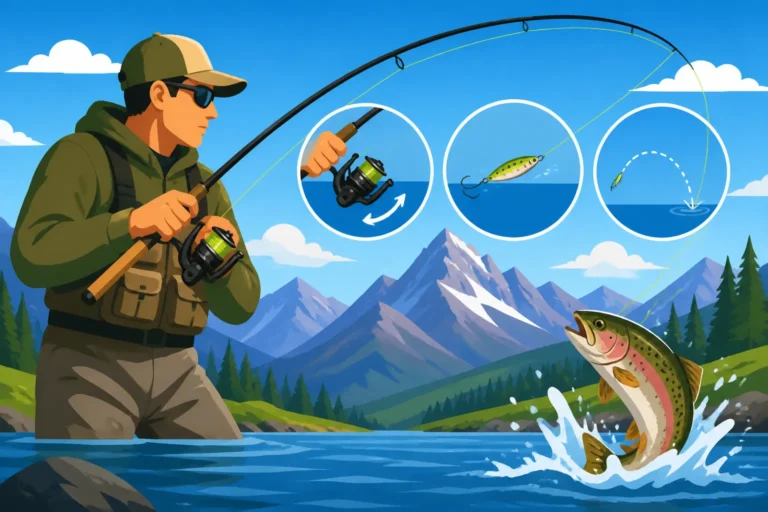
For trophy trout, you'll want to step up your gear. A typical 5-weight fly rod might be fine for average trout, but for a 25-inch brown, a 6 or 7-weight offers more backbone to handle powerful runs and heavier flies. If you're spin fishing, a medium-heavy spinning rod with a fast action, paired with a reel spooled with 8-12 lb test fluorocarbon or monofilament, will give you the control and stopping power needed.
Remember, heavier line doesn't always mean better. In clear water, a stout leader can spook wary fish. Finding the right balance between strength and stealth is key. For example, using a strong fluorocarbon tippet between 3X and 0X is often a good compromise when nymphing or streamer fishing. Always check your knots and leaders for nicks and abrasions; a trophy trout's pull is often the ultimate test. You can find robust fishing lines and other essentials readily available on Amazon.
Lure and Fly Selection for Giants
Big fish eat big meals, but they can also be incredibly selective. Your lure or fly selection should reflect the seasonal forage.
- Streamers: For aggressive brown trout, particularly in the fall or pre-runoff spring, large streamers imitating sculpins, baitfish, or leeches are highly effective. Patterns like Woolly Buggers, Sex Dungeons, and articulated streamers in natural browns, olives, and blacks are deadly.
- Nymphs: Year-round, but especially in colder water, large nymph patterns that mimic stoneflies, caddis larvae, or mayfly nymphs can entice big fish. Think Pat's Rubber Legs, Copper Johns, and Prince Nymphs in larger sizes (size 6-10).
- Dry Flies: While harder to entice a true giant on a dry fly, large terrestrials like hoppers, cicadas, and big ant patterns can work wonders in summer and early fall, especially during cooler parts of the day.
- Spinning Lures: For spin anglers, larger spoons, Rapalas, Kastmasters, and tube jigs (especially for lake trout) are excellent choices. Colors should mimic local baitfish or provide a strong contrast in murky water. For example, a heavy spoon in silver or chartreuse can be great for covering water and finding aggressive trout in lakes.
Respecting the Resource: Catch and Release Best Practices
When you're targeting trophy trout, especially during sensitive times like spawning runs, practicing proper catch and release is not just good etiquette—it's essential for maintaining healthy fisheries for generations to come.
Handling a Trophy Trout with Care
Once you've hooked and landed that magnificent fish, the work isn't over. Minimize the time the fish is out of the water. Handle it with wet hands, supporting its belly, and avoid squeezing it, especially around the gills or internal organs. Remove the hook gently and quickly; barbless hooks make this process much easier and are required on some sections of Wyoming rivers, such as certain stretches of the North Platte. If the fish is deeply hooked, cut the line as close to the hook as possible rather than trying to rip it out.
The Release: Ensuring Survival
When releasing a trophy trout, hold it gently in the water, facing upstream, allowing water to flow over its gills. If it's tired, support it until it regains its strength and can swim away on its own. It's truly heartbreaking to see a magnificent fish swim off only to succumb minutes later due to improper handling. A quick photo, if desired, should take mere seconds. Remember that the thrill of the catch is fleeting, but the health of the fishery depends on responsible angling. Understanding proper Catch-and-Release Rules on Wyoming Waters is a vital part of being a responsible angler.
Navigating Regulations and Seasons
Wyoming's fishing regulations are extensive and can vary significantly by water, species, and time of year. For trophy fishing, it's absolutely critical to be well-versed in the specific rules for your chosen destination.
Water-Specific Rules and Exceptions
While a general annual license covers most waters, many of Wyoming's most productive trophy fisheries have special regulations. These can include:
- Catch-and-Release Only: Some blue-ribbon stretches are managed purely for catch and release to protect their trophy populations.
- Barbless Hook Requirements: As mentioned, certain rivers like sections of the North Platte require barbless hooks.
- Slot Limits or Size Restrictions: You might encounter rules that allow keeping fish only within a certain size range, or only a certain number of fish over a specific length. This helps manage the age structure of the population.
- Season Closures: Certain sections or species may have closed seasons during spawning or other sensitive periods. For example, some stream sections might close to fishing during the brown trout spawn.
- Bait Restrictions: Some areas are fly-fishing-only or artificial-lure-only.
Always consult the most current Wyoming Fishing Regulations Every Angler Should Know booklet, available online through the Wyoming Game and Fish Department, before you head out. These regulations are not just guidelines; they are legally enforceable rules designed to protect the fisheries you love. Ignorance of the law is no excuse, and fines for violations can be substantial. Pay particular attention to the "Special Regulations" section for each body of water you plan to fish.
Conclusion: Planning Your Trophy Hunt
Hunting for trophy trout in Wyoming is an exhilarating and rewarding pursuit, a true blend of skill, patience, and appreciation for the wild. By understanding the seasonal movements, feeding patterns, and specific needs of these magnificent fish, you can dramatically increase your odds of success. Whether it's the pre-runoff aggression of spring, the serene high-country hunts of summer, the explosive spawning runs of fall, or the quiet determination of winter ice fishing, Wyoming offers year-round opportunities for that fish of a lifetime. Plan meticulously, respect the resource, and prepare for an unforgettable adventure.
Disclaimer
Please remember that fishing conditions, regulations, and fish behavior can change rapidly. Always consult the most current Wyoming Game and Fish Department regulations before planning your trip. This guide is for informational purposes only and does not supersede official state regulations. Be safe and responsible on the water.