Fishing Wyoming Reservoirs Before Ice-Up
Oh, that magical, often brutally cold, window just before Wyoming's reservoirs succumb to the icy grip of winter! It's a time that frustrates so many anglers, as the water temperatures plummet, fish seemingly vanish, and the thought of breaking out the ice auger is both daunting and exciting. This guide is all about tackling that tricky, yet incredibly rewarding, "pre-ice-up" period on our magnificent Wyoming reservoirs, helping you understand where the fish are hiding and how to tempt them before the hardwater season truly begins.
Understanding the Pre-Ice-Up Window on Wyoming Reservoirs
That time of year when autumn's vibrant colors fade into the stark grays and whites of winter, and the air bites with a chill that hints at the coming freeze, is what we call the pre-ice-up window. It's a fleeting period, often just a few weeks long, but it offers some of the most intense and often challenging fishing opportunities in Wyoming. Many anglers tend to put their gear away after the first snow, or they jump straight into ice fishing mode, completely missing out on this unique transitional phase.
Defining the Window: When Exactly This Period Occurs
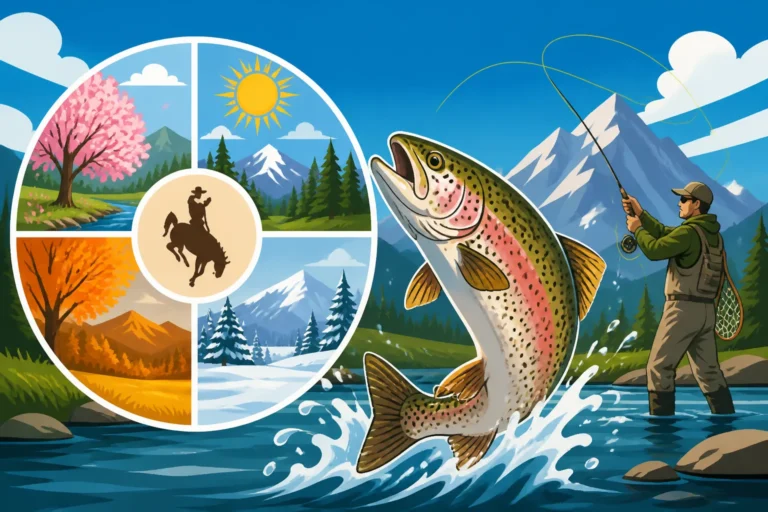
The "pre-ice-up" window isn't marked by a specific calendar date; it's defined by water temperature and the onset of stable cold weather. Generally, we're talking about late October through November, and sometimes even into early December, depending on the elevation and size of the reservoir. This is when surface temperatures consistently drop into the low 40s and high 30s Fahrenheit, but the water hasn't yet frozen over to a fishable thickness. You might see skim ice forming in protected coves or along shorelines in the mornings, only to melt away by midday. It's a daily dance with the elements, signaling that the open water is on borrowed time. This is also the period where you might want to review Wyoming Fishing Seasons Month by Month to get a broader perspective on what to expect throughout the year.
The Lure of Last-Minute Open Water: Why Anglers Brave the Cold
So, why would anyone brave near-freezing temperatures, gusting winds, and the constant threat of sleet to fish before the ice sets in? The answer is simple: big fish. As water temperatures fall, many game fish species, particularly larger ones, become incredibly active. They're making their last big push to feed and pack on calories before the lean times under the ice. This can lead to a "feeding frenzy" in certain areas, making them incredibly vulnerable to anglers who understand their patterns. It's a high-reward, high-effort proposition, offering the chance to hook into some truly memorable catches.
Challenges of the Shoulder Season: What Makes It Tough
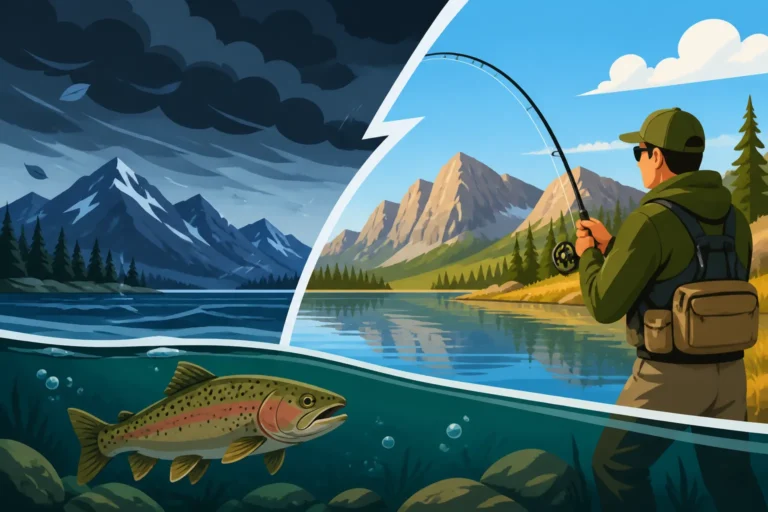
Let's be real, this isn't fair-weather fishing. The pre-ice-up season throws a lot of challenges your way. First, the weather is unpredictable and often harsh. You can start your day with calm, sunny skies and end it battling a full-blown snow squall. Wind is a constant nemesis on open reservoirs, making boat control difficult and casting a chore. Then there's the cold itself, affecting everything from your fingers and toes to your fishing line and reel mechanics. Finding fish can also be a puzzle; they're often grouped up tightly, but if you're not on top of them, it can feel like a dead sea. Plus, launching and retrieving boats can be precarious with icy ramps.
Fish Behavior Before the Freeze
Understanding what the fish are doing in these rapidly cooling waters is absolutely critical for success. It's not like summer fishing, where fish might be spread out and aggressive. This time of year, their survival instincts kick in, driving them to specific behaviors and locations.
Cooling Water and Metabolism: How Fish React to Dropping Temps
As the water cools, a fish's metabolism slows down. They become less active overall, but paradoxically, their need to feed intensively before winter is paramount. This means they're looking for calorie-dense meals and are often less willing to chase a fast-moving lure. Instead, they'll congregate in areas where food is abundant or easily ambushed. This metabolic slowdown also means they conserve energy, so their movements are more deliberate, and they often stay deeper, where water temperatures are more stable. It's a stark contrast to how they behave when the water is warmer, as detailed in articles like How Water Temperature Changes Wyoming Trout Behavior.
Feeding Frenzy or Slowing Down: Species-Specific Behaviors
Different fish species react to the pre-ice-up conditions in their own unique ways.
- Walleye: Many walleye become incredibly active as the water cools. They'll often move to shallower flats or points adjacent to deeper water, ambushing baitfish. This is a prime time for big walleye, especially at reservoirs like Wyoming's Boysen Reservoir Fishing Guide.
- Lake Trout (Mackinaw): These cold-water giants are often at their most aggressive in the fall. They'll move up from the extreme depths, patrolling structure and feeding on kokanee salmon or other baitfish. Reservoirs such as Wyoming's Flaming Gorge Reservoir Fishing Guide become legendary this time of year for trophy Mackinaw.
- Rainbow Trout and Brown Trout: While some may become sluggish, others, particularly brown trout, can experience a pre-spawn feeding binge, especially in river inlets or around rocky points. Rainbows might still be found shallower, chasing bait or feeding on insects, but their activity often concentrates. This can be a fantastic time to target them before they become less accessible for Wyoming Fall Fishing for Migrating Browns.
- Perch: Yellow perch will school up in massive numbers, often moving to deeper flats or channel edges. If you find a perch school, you can often have non-stop action, and they make for excellent table fare, a topic often explored in guides like Perch Fishing in Wyoming.
Finding Fish in the Water Column: Where They'll Be Hiding
Forget scattered fish. In the pre-ice-up period, fish are typically concentrated. They're looking for stable water temperatures and food sources.
- Thermocline Breakdown: As the surface cools, the reservoir begins to "turn over," meaning the warm surface water sinks and cooler, oxygenated water rises. This process eliminates the distinct thermocline found in summer. Fish can now be found throughout the water column, but they'll often prefer areas with slightly warmer water (even just a degree or two) or where baitfish are most abundant.
- Deep Structure: Look for fish relating to deep points, humps, submerged islands, and channel edges. These areas offer quick access to both deep sanctuary and shallower feeding grounds.
- Baitfish Concentrations: Wherever the baitfish are, the predators will be close behind. Use your electronics to find schools of kokanee, cisco, or chub. If you mark bait, you're likely to mark game fish.
- Wind-Blown Banks: On days with consistent wind, baitfish can be pushed against wind-blown banks, creating a buffet for predatory fish. While colder, these areas can be surprisingly productive.
Top Techniques for Pre-Ice-Up Success
Fishing these conditions requires a shift in tactics from your usual summer or spring approaches. Slow and deliberate is often the name of the game, but sometimes an aggressive presentation can trigger a reaction strike from a lethargic fish.
Vertical Jigging and Spooning: Great for Deeper Fish
When fish are hunkered down in deeper water, often tightly schooled on structure or bait, vertical jigging is an absolute killer. This technique involves dropping a lure directly beneath your boat and working it with short, sharp lifts and drops.
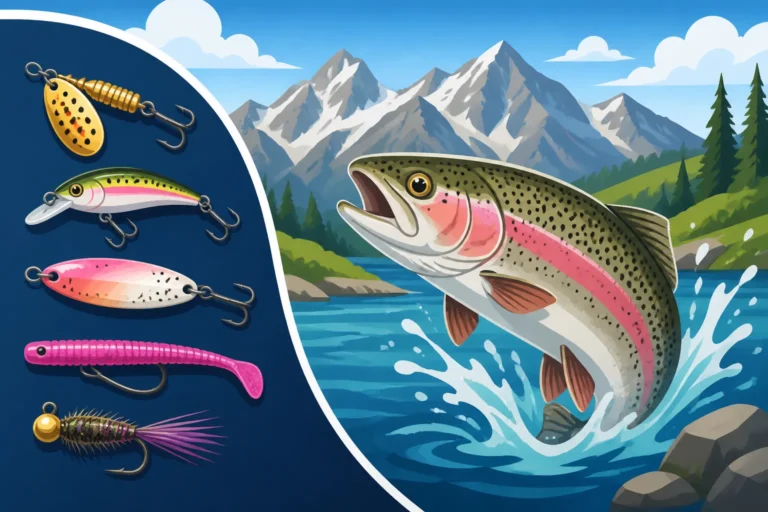
- Jigging Spoons: Heavy metal jigging spoons, like the popular Swedish Pimple or Kastmaster, are excellent choices. Their erratic fall mimics a dying baitfish, and the flash can draw fish in from a distance. Experiment with different sizes and colors, often favoring natural baitfish patterns or bright, contrasting colors like chartreuse.
- Blade Baits: Vibrating blade baits are another fantastic option. Their tight vibration and flashy profile can elicit strikes from even hesitant fish. They fall quickly, making them efficient for targeting specific depths.
- Soft Plastics: Rigging large soft plastic swimbaits or tube jigs on heavy jig heads can be deadly, especially for walleye and lake trout. Work them slowly, letting them settle on the bottom, then imparting subtle movements. For specific tips, consider resources like Jigging for Walleye at Boysen Reservoir.
The key to successful vertical jigging is maintaining good boat control to stay directly over your target. A good electric trolling motor with GPS Spot-Lock feature is invaluable for this, helping you hold your position in the wind. On platforms like Amazon, you can find a wide array of jigging spoons and soft plastics specifically designed for cold-water applications.
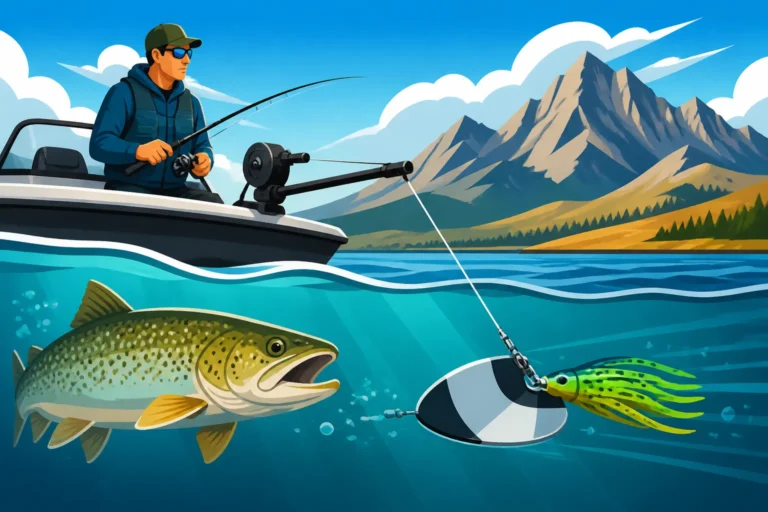
Slow Trolling with Baits and Lures: Covering Water Effectively
When fish are more dispersed or actively patrolling larger areas, slow trolling becomes the most efficient way to locate them. This is especially true for lake trout and walleye.
- Downriggers and Dipsy Divers: To get your lures to the exact depth where fish are holding, downriggers or Dipsy Divers are essential. Lake trout often suspend at specific depths, and precise depth control is paramount. You can find excellent downrigger systems and accessories for sale on Amazon.
- Long Lining: For shallower targets or if you don't have downriggers, simply letting out a long line with a crankbait or weighted spinner rig can be effective. The colder water means fish are less likely to spook from the boat.
- Lure Selection:
- Crankbaits: Medium-diving crankbaits in natural baitfish colors (silver, perch, white) are great for walleye and trout. Think Rapala Shad Raps or Berkley Flicker Shads.
- Stickbaits: Larger stickbaits, often used for salmon, can be incredibly effective for big lake trout.
- Spinner Rigs: Tipping a spinner rig with a piece of nightcrawler or a minnow imitation is a classic walleye tactic that works well in cold water.
- Tube Jigs/Swim Baits: These can be trolled behind a bottom bouncer or on their own, especially when targeting walleye near the bottom.
Maintain a slow trolling speed, often between 1.0 and 2.5 mph, and vary your speed and direction occasionally to make your lures surge and fall, enticing strikes. For more in-depth knowledge on this, check out Trolling Techniques for Wyoming Reservoirs.
Casting and Retrieving for Active Fish: Targeting Shallower Edges
While many fish go deep, some species or individuals will still chase bait in shallower water, especially during warmer spells or specific feeding windows. This is where casting and retrieving can shine.
- Shoreline Access: If you're fishing from the bank, focus on rocky points, submerged timber, or weed lines adjacent to deeper water. These are natural ambush points.
- Boat Access: From a boat, you can cast to these same features, or target wind-blown shorelines, tributary mouths, and shallow flats.
- Lure Choices:
- Inline Spinners: Mepps or Panther Martin spinners in silver, gold, or copper are universally effective for trout.
- Spoons: Casting spoons like the Kastmaster or Daredevle can cover a lot of water and appeal to hungry trout.
- Soft Plastics: Rigging a grub or small swimbait on a lightweight jig head can imitate small baitfish or invertebrates, excellent for rainbow trout and smaller walleye.
- Jerkbaits: Suspending jerkbaits are fantastic for triggering strikes from cold-water predators. Pause your retrieve frequently, letting the lure hang tantalizingly in the strike zone.
Remember, even when casting, a slightly slower retrieve is often more effective in cold water. Give the fish time to react to your presentation.
Essential Gear for Cold Weather Reservoir Fishing
Pre-ice-up fishing is not the time to skimp on gear. The conditions can be brutal, and having the right equipment makes all the difference for both success and safety.
Rods, Reels, and Line for the Cold
Your standard summer setup might not cut it in freezing temperatures.
- Rods: Opt for medium to medium-heavy action rods for vertical jigging and trolling. A fast tip can help detect subtle bites, but a forgiving backbone is needed for fighting larger fish. For casting, a sensitive graphite rod is ideal. Look for rods with larger guide rings, as these are less prone to freezing up with ice.
- Reels: Quality reels are crucial. Ensure your spinning reels have good anti-reverse and smooth drag systems that won't seize up in the cold. For baitcasting or trolling reels, robust construction and strong gears are key. Apply a thin layer of reel oil designed for cold weather if you anticipate extreme temperatures.
- Line: This is where many anglers run into trouble. Monofilament can become stiff and develop memory in the cold, leading to tangles and poor casting. Fluorocarbon line is an excellent choice for leaders due to its low visibility and abrasion resistance. For your main line, braided line is a solid option for sensitivity and strength, but it can absorb water and freeze up, so a good line conditioner is a must. Some anglers prefer high-quality copolymer lines that retain flexibility in cold.
Layering for Comfort and Safety
Staying warm and dry is paramount. Hypothermia is a real danger when fishing open water in near-freezing conditions.
- Base Layers: Start with moisture-wicking synthetic or merino wool base layers against your skin. Avoid cotton, which loses its insulating properties when wet.
- Mid-Layers: Add insulating layers like fleece jackets, down vests, or wool sweaters. You want to be able to add or remove layers as conditions change.
- Outer Layers: Your outermost layer should be waterproof and windproof. A good quality fishing bib and jacket or a full float suit provides excellent protection. Brands like Simms or Grundéns offer durable, weather-resistant options.
- Extremities: Don't forget your head, hands, and feet! A warm beanie or balaclava, waterproof insulated gloves (or fingerless gloves with hand warmers), and thick wool socks paired with insulated, waterproof boots are essential. You can find excellent options for all these layering components on Amazon, often with reviews from other cold-weather anglers.
- Hand Warmers: These are a lifesaver. Carry plenty and keep them in your pockets or gloves.
Electronics and Safety Equipment
Beyond your fishing gear, a few other items are non-negotiable for a safe and productive trip.
- Fish Finder/GPS: A reliable fish finder with GPS and mapping capabilities is invaluable. It helps you find structure, mark baitfish, stay on a contour, and navigate safely, especially if fog or sudden weather changes roll in. The ability to mark waypoints for productive spots is key.
- VHF Radio/Satellite Messenger: Cell service can be spotty or non-existent on many Wyoming reservoirs. A VHF marine radio (if you're on larger water) or a satellite messenger device (like a Garmin InReach) is crucial for emergency communication.
- Personal Flotation Devices (PFDs): Wear your PFD, especially if you're in a boat. Cold water immersion is extremely dangerous, and a PFD greatly increases your chances of survival if you go overboard.
- Extra Fuel: Cold engines consume more fuel, and long runs in the wind can drain tanks quickly. Always carry extra fuel in approved containers.
- Jump Starter/Battery Pack: Cold weather is brutal on batteries. A portable jump starter or battery pack can be a trip-saver for your boat or vehicle.
- Shovel and Traction Aids: If you're launching a boat, icy ramps are a major concern. A shovel, sand, or cat litter can help with traction.
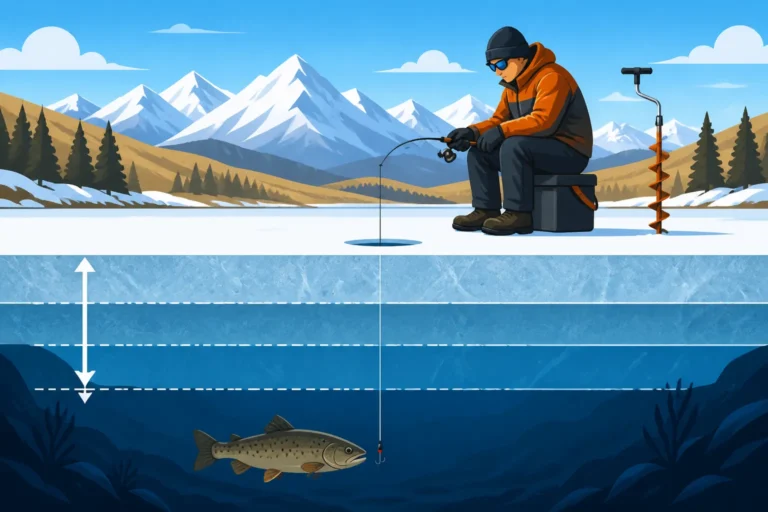
- Emergency Kit: Flares, whistle, first-aid kit, flashlight, knife, extra food, and water are standard. A small survival blanket or bivy sack could also be a wise addition. Being prepared is half the battle when you're out on the water, especially in this shoulder season before the full Ice Fishing in Wyoming: A Complete Guide comes into play.
Best Wyoming Reservoirs for Late-Season Action
Wyoming is blessed with numerous reservoirs, and while many offer great fishing, some truly shine in the pre-ice-up period due to their species composition and typical fish behavior.
Flaming Gorge Reservoir: A Lake Trout Mecca
If you're after trophy lake trout, Flaming Gorge is arguably one of the best places in the lower 48, and the pre-ice-up season is prime time. The big "Mackinaw" come up from the extreme depths, feeding heavily on kokanee salmon and other forage fish.
- Target Areas: Focus on deep humps, main lake points, and the edges of the old Green River channel. Areas like the Buckboard Crossing, Lucerne, and the Pipeline are famous.
- Techniques: Heavy vertical jigging with tube jigs (often in white or glow colors) or large spoons is highly effective. Slow trolling large stickbaits or spoons behind downriggers at varying depths, often between 40-80 feet, can also produce giants. Don't be afraid to experiment with deeper presentations early in the morning.
- Challenges: Flaming Gorge is vast and can be incredibly windy, making boat control challenging. The cold can be intense. Always check local weather and conditions before heading out, and consider reading Best Places to Fish in Wyoming to grasp the larger context of Wyoming's fishing destinations.
Boysen Reservoir: Walleye and Crappie Hot Spot
Boysen Reservoir, near Shoshoni, is another fantastic fall fishery, particularly for walleye and crappie. As water temperatures drop, these species school up, offering some exciting action.
- Walleye: Walleye will often move shallower, congregating on rocky points, humps, and flats adjacent to the river channel.
- Techniques: Slow trolling spinner rigs tipped with minnows or nightcrawlers can be excellent. Vertical jigging with a minnow-tipped jig or a blade bait near structure is also very effective. Focus on depths of 15-30 feet. This aligns perfectly with what's often discussed in Walleye Fishing in Wyoming.
- Crappie: Boysen also holds a good population of crappie, which will school up in deeper timber or around brush piles in the fall.
- Techniques: Small jigs (1/16 to 1/8 ounce) tipped with a small plastic grub or a live minnow, fished vertically or under a slip bobber, are the way to go. Look for them suspending over structure.
- Challenges: Boysen can also be very windy, and boat ramps can become icy. Keep an eye on the water levels, as they can fluctuate.
Keyhole, Glendo, and Pathfinder Reservoirs: Other Good Options
While Flaming Gorge and Boysen are often highlighted, other reservoirs offer excellent pre-ice-up opportunities.
- Keyhole Reservoir: Located in northeast Wyoming, Keyhole offers good walleye, crappie, and smallmouth bass fishing. The walleye here will also move shallow in the fall, making them accessible to slow-trolled crankbaits or jigs. The smallmouth bass can be aggressive before they seek their winter haunts.
- Glendo Reservoir: In southeastern Wyoming, Glendo is known for its walleye, crappie, and even the occasional white bass. The main channel and deeper points are key areas. Vertical jigging and slow trolling work here too.
- Pathfinder Reservoir: This large, rugged reservoir near Casper is famous for its trophy trout and walleye. The pre-ice-up period can be phenomenal for big rainbow and brown trout, especially around the deeper rocky structure. Trolling with large spoons or stickbaits, or vertical jigging, are productive methods. This aligns with discussions about Wyoming's Most-Caught Game Fish.
These reservoirs, like all, require diligent monitoring of local conditions and regulations. Always double-check the Wyoming Game and Fish Department website for any emergency closures or special rules, which are critical to understand, as outlined in guides like How Wyoming Sets In-Season Emergency Closures.
Safety Considerations and Preparation
Fishing during the pre-ice-up season means you're operating at the very edge of open water safety. Preparation and vigilance are not just recommended, they are absolutely essential.
Monitoring Weather and Ice Conditions
The phrase "ice-up" implies that ice is coming, and you need to be constantly aware of its formation.
- Weather Forecasts: Never rely solely on a single weather app. Consult multiple sources for wind, temperature (air and water), and precipitation forecasts. Be especially wary of sudden cold fronts that can rapidly form ice.
- Visual Cues: Pay close attention to the water. Skim ice in sheltered coves is a warning. If you see larger sheets forming or hear unusual cracking sounds, it's time to head in. The edges of the reservoir often freeze first.
- Local Reports: Check with local bait shops, marinas, or the Wyoming Game and Fish Department for the latest ice conditions. They often have the most up-to-date intel on specific reservoirs.
- Know When to Call It: The biggest safety tip is knowing when to stay home. A trophy fish is never worth risking your life. If conditions look questionable, reschedule your trip.
Hypothermia Prevention and Emergency Gear
Getting wet in cold weather can quickly lead to hypothermia, a dangerous drop in body temperature.
- Dress in Layers (Reiterated): As mentioned earlier, proper layering is your first line of defense.
- Stay Dry: Protect yourself from rain, snow, and especially spray from the boat. Wear waterproof outerwear, and keep spare dry clothes in a waterproof bag in your vehicle.
- Calorie-Dense Food & Hot Drinks: Bring plenty of high-energy snacks (nuts, granola bars, chocolate) and a thermos filled with hot coffee, tea, or soup. These help maintain core body temperature.
- Emergency Blanket/Shelter: A lightweight, reflective emergency blanket or bivy sack can provide crucial warmth if you're stranded.
- Fire Starter: Even if you don't plan to camp, having waterproof matches or a lighter and some tinder can be a lifesaver if you need to build an emergency fire.
- First Aid Kit: Always carry a well-stocked first aid kit, including items for treating cold-related injuries.
Boat and Vehicle Preparation: Dealing with Freezing Temperatures
The cold doesn't just affect you; it impacts your equipment too.
- Boat Winterization (Temporary): If you're going to fish multiple times in the pre-ice-up period, you'll need to think about winterizing your engine between trips or taking precautions against freezing. Ensure your livewell and bilge pumps are drained after each use. Consider using a marine fuel stabilizer.
- Battery Maintenance: Cold saps battery power. Ensure your boat and vehicle batteries are fully charged and in good condition. Consider a trickle charger if your boat sits for a few days.
- Trailer Check: Icy ramps and cold pavement can be hard on trailers. Check tire pressure, lug nuts, and ensure your trailer lights are working. Have a spare tire and the tools to change it.
- Vehicle Readiness: Make sure your tow vehicle is in good winter condition – good tires, topped-off fluids (especially antifreeze), and a full tank of gas.
- Ice Scrapers and Brushes: For your vehicle, not just your boat windshield. You'll be glad to have them after a frosty night or a surprise snow shower.
This shoulder season offers unique challenges but also incredible rewards for the prepared angler. By understanding fish behavior, adapting your techniques, and prioritizing safety, you can extend your fishing season and create some truly unforgettable Wyoming memories before the lakes completely freeze over.
Disclaimer
This guide is intended for informational purposes only and does not supersede official regulations. Always consult the most current Wyoming Game and Fish Department fishing regulations before heading out. Fishing conditions, including ice thickness and weather, can change rapidly and unexpectedly. Prioritize safety by checking local forecasts and conditions, wearing appropriate gear, and using common sense.