How to Jig for Walleye in Cold Water
There’s nothing quite like the challenge of targeting walleye in Wyoming's frigid waters. When the thermometer drops and the water turns icy cold, these cunning fish become notoriously finicky, making it incredibly frustrating for anglers who are used to more aggressive bites. This guide is here to unravel the mysteries of cold water walleye jigging, helping you understand their winter behavior, choose the right gear, and master the subtle techniques needed to coax a strike when the conditions are at their toughest.
Understanding Walleye Behavior in Cold Water
Fishing for walleye when the water is cold, whether it's under a sheet of ice or just during the late fall and early spring, is a completely different ballgame than during the warmer months. These fish, like many others, become significantly less active, and their metabolism slows way down. You can't just throw out a crankbait and expect them to chase it with vigor.
Metabolic Slowdown and Reduced Activity
Think about it: when it’s freezing outside, do you want to run a marathon or curl up under a blanket? Walleye are no different. As water temperatures drop below 40-45 degrees Fahrenheit, their bodies conserve energy. This means they're not expending much effort to hunt. They become lethargic, moving slower, feeding less frequently, and often holding tight to structure or subtle changes in depth where they can ambush prey without much fuss. This metabolic slowdown is the absolute core concept you need to grasp when approaching cold water jigging. It informs every decision you make, from lure selection to retrieve speed.
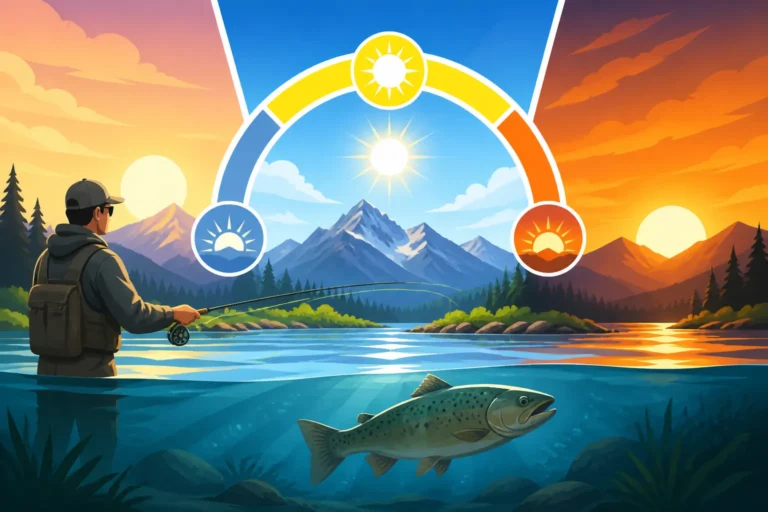
Because of this reduced activity, their feeding windows can be shorter and less intense. Instead of a prolonged feeding spree, you might only get short bursts of activity, often around dawn or dusk, or during subtle changes in weather patterns. Being in the right place at the right time becomes even more critical. You're looking for those narrow windows when they might be inclined to feed, even if it's just a tiny snack. They won't chase; you have to put the meal right in front of their faces.
Preferred Cold Water Habitats
When the water chills, walleye don't just disappear; they relocate to areas where they can be comfortable and still find food. Often, this means deeper water where temperatures are more stable. They might hold on deep structure like points, humps, ledges, or submerged rock piles. However, don't rule out shallower breaks adjacent to deep water, especially during those brief feeding windows, as they might slide up to patrol for an easy meal. Think of it as their winter apartment complex – stable, sheltered, and with a convenient "take-out" window nearby.
In many of Wyoming's larger reservoirs, like Boysen Reservoir or Flaming Gorge, you'll find walleye congregating in these deeper zones. They're often relating to the main lake basin, but always near some kind of bottom transition. They might sit on the very top of a deep submerged hummock or hug the edge of a sharp drop-off. The key is to find these congregating spots where they can comfortably reside and easily intercept passing forage. Their preference for these deeper, stable environments is a crucial piece of the puzzle for Walleye Behavior in Wyoming Reservoirs.
Essential Gear for Cold Water Walleye Jigging
Having the right equipment can make all the difference, especially when you're trying to detect those incredibly subtle cold-water walleye bites. This isn't the time for a heavy-action bass rod; you need sensitivity and finesse.
Rods, Reels, and Line Selection
For cold water jigging, a sensitive rod is your best friend. Look for a medium-light to medium power rod, typically 6' to 7' long, with a fast or extra-fast action. The fast tip allows you to impart subtle action to your jig and, more importantly, to feel those barely-there "thumps" or spongy feelings that signify a walleye inhaling your lure. Graphite rods are excellent for this as they transmit vibrations exceptionally well. Brands like St. Croix or Fenwick offer models known for their sensitivity, and you can often find great deals on Amazon for specific graphite blanks.
Pair this rod with a lightweight spinning reel in the 1000-2500 series. The reel isn't about brute strength here; it's about balance with your sensitive rod and smooth drag for when you do hook up a good fish. Spool your reel with a high-visibility braided line, usually 6-10 lb test, as your main line. Braid offers zero stretch, maximizing your sensitivity. Crucially, tie on a 4-8 lb fluorocarbon leader, 3-6 feet long. Fluorocarbon is nearly invisible underwater and has excellent abrasion resistance, which is vital around rocks or ice. The low-stretch of braid combined with the stealth of fluorocarbon is a deadly combination for finicky walleye.
Lure Choices and Presentations
When jigging for cold water walleye, your lure selection should focus on smaller profiles and natural presentations. Heavy, gaudy lures that might work in summer often overwhelm dormant walleye. Instead, reach for smaller jig heads (1/8 to 1/4 ounce are common, though sometimes heavier is needed for deep water or current) paired with soft plastics, live bait, or blade baits.
Soft Plastics: Small paddle-tail grubs, minnow-imitating plastics, or tube jigs are excellent. Colors like white, pearl, smoke, chartreuse, or even natural browns and greens tend to work well. The key is to use a plastic with a subtle action, even with minimal movement. A good tip is to choose plastics that retain their flexibility even in cold water.
Live Bait: Minnows are a classic walleye killer, and in cold water, they're often unbeatable. You can hook them through the lip or back and tip your jig with them. Shiners, fatheads, or even small creek chubs can be incredibly effective. Consider a dead stick rod with a lively minnow while you actively jig nearby; this tactic can convert tentative biters. For details on bait rules, it's always good to consult the Wyoming Fishing Regulations Every Angler Should Know.
Blade Baits: Lures like the Heddon Sonar or Rapala Jigging Rap are fantastic for cold water. Their tight wobble on the lift and seductive fall can trigger reaction strikes from otherwise unwilling walleye. Experiment with different sizes and retrieve speeds. These baits shine when you need to cover water efficiently but still want to maintain a vertical presentation.
No matter the lure, remember that less is often more. Think subtle twitches, slow lifts, and long pauses. Walleye aren't chasing; they're inspecting.
Mastering Cold Water Jigging Techniques
Successfully jigging for cold water walleye is an exercise in patience and precision. It’s about slowing down, really feeling what your lure is doing, and recognizing the most delicate bites.
The Slow, Subtle Approach
Forget aggressive rips and speedy retrieves. In cold water, your jigging cadence needs to be glacial. Imagine your lure is an injured baitfish, barely able to move. A common and effective technique is a slow lift, perhaps just 6-12 inches off the bottom, followed by an equally slow, controlled drop back down. Allow the jig to settle completely on the bottom, often stirring up a puff of sediment, before repeating. Walleye are often holding close to the bottom, and that subtle disturbance can draw their attention.
The pause between lifts is just as important, if not more so, than the lift itself. Sometimes, a walleye will pick up the jig right after it settles or during an extended pause. This is where your super-sensitive rod and braid become critical. You're not waiting for a jarring strike; you're looking for a slight increase in pressure, a momentary "tick," or simply feeling like your jig is no longer there. Sometimes the only indication is a sudden slack in your line. If anything feels "different," set the hook! This deliberate, slow movement is a cornerstone of Jigging for Walleye at Boysen Reservoir in the colder months.
Detecting Finicky Bites
This is arguably the hardest part of cold water walleye fishing. The bites are rarely the thumping, unmistakable strikes you'd get in summer. Instead, you'll often feel:
- A "Mushroom" or "Spongy" Feeling: It feels like your lure suddenly weighs more, or like you're pulling on a wet sponge.
- A Light Tap or "Tick": Sometimes a walleye will lightly mouth the bait, giving a subtle tap. This is common when they're inspecting it.
- Slack Line: Your line might go momentarily slack as the fish swims towards you after picking up the bait. This is a very common cold water bite that beginners often miss.
- Rod Tip Dip: The very tip of your rod might dip imperceptibly, especially if you're watching it closely.
To detect these bites, keep your eyes glued to your rod tip and maintain a constant, yet gentle, tension on your line. Don't be afraid to set the hook on anything that feels remotely like a bite. You'll miss some, but you'll also connect with fish you otherwise would have completely overlooked. When the conditions are tough, sometimes fishing "by feel" means fishing a bit more aggressively with your hooksets on anything suspicious.
Using Electronics to Your Advantage
Modern fishing electronics, especially good quality fish finders and down-imaging/side-imaging units, are invaluable in cold water conditions. They help you pinpoint those deep water structures where walleye are holding and even mark individual fish. Look for distinct arches or lines near the bottom, often grouped together. Pay attention to suspended fish too, as they might be relating to bait balls.
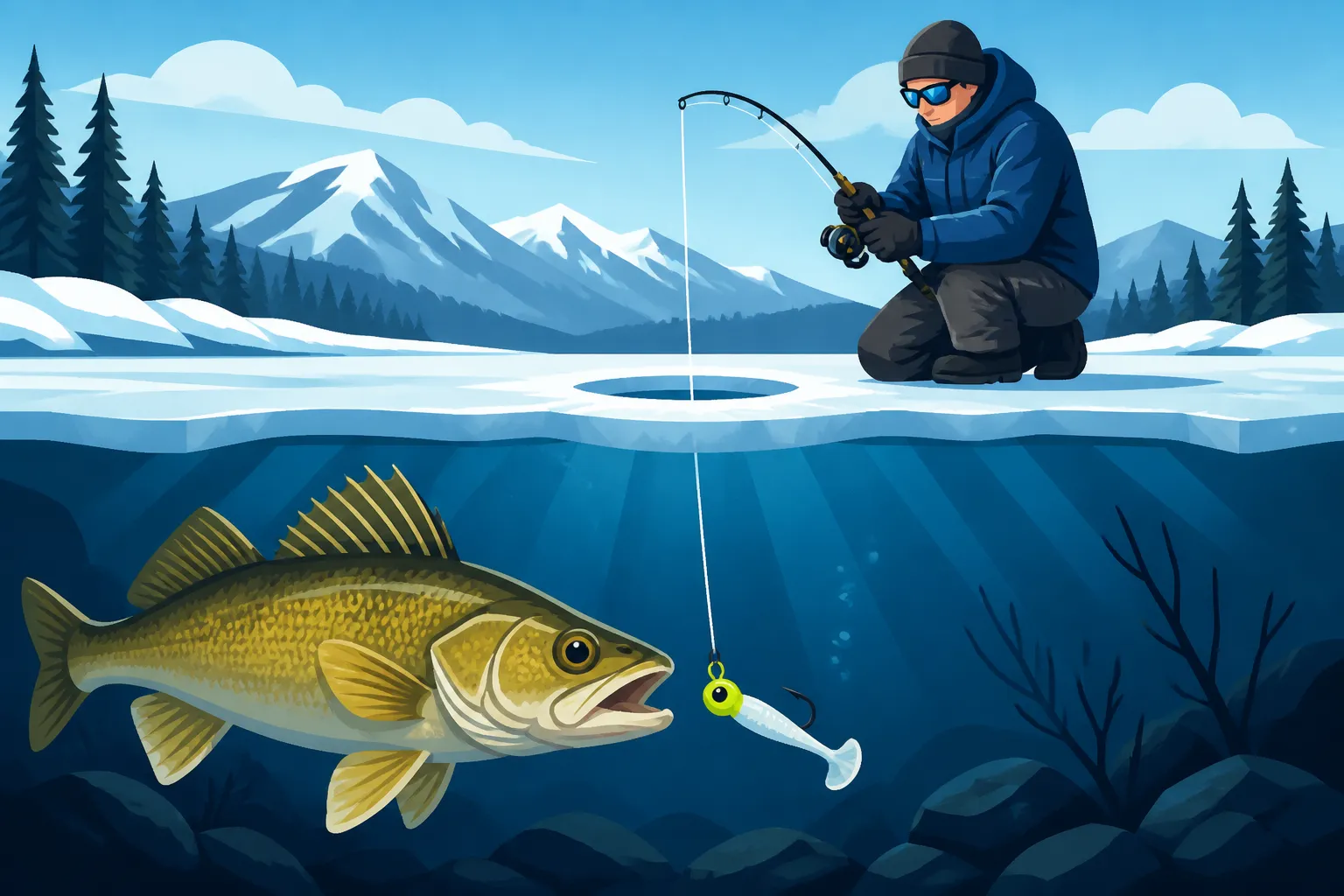
When you mark fish, drop your jig directly onto them. Watch your lure on the sonar screen as it descends. Seeing your jig drop right to the fish, and then observing how the fish reacts (or doesn't react), provides instant feedback. This is especially helpful during Ice Fishing in Wyoming: A Complete Guide where you're confined to a hole. If they ignore it, try a different retrieve, lure, or color. If they rise to inspect but don't commit, try shrinking your lure size or slowing your retrieve even further. A good fish finder can turn a guessing game into a strategic hunt.
Key Locations and Timing for Wyoming Cold Water Walleye
Wyoming offers some fantastic opportunities for cold water walleye, but knowing where and when to focus your efforts can dramatically increase your success.
Top Wyoming Reservoirs for Cold Water Walleye
Several Wyoming reservoirs are well-known for their walleye populations, and many continue to produce even when the temperatures plummet.
Boysen Reservoir: Located near Shoshoni, Boysen is a prime walleye fishery. During cold water periods, target the deep main lake points, submerged humps, and the old river channel edges. The deepest sections of the reservoir around the dam or the deeper cuts can hold significant numbers of fish. Access can be found in various spots around the lake, including public boat ramps and shoreline areas, but be sure to check current conditions, especially during ice formation.
Glendo Reservoir: In southeastern Wyoming, Glendo is another popular choice. Here, focus on the deeper portions of the reservoir, particularly the main lake points that drop into the old river channel. The area near the dam is often a productive cold water spot, offering depths where walleye can comfortably hold. Like Boysen, pay attention to depth transitions and any submerged timber you can locate with your electronics.
Seminoe Reservoir: This large reservoir offers a more remote, rugged experience, but it holds some impressive walleye. Its expansive nature means finding fish can be challenging, but once located, they can be abundant. Target deep rocky points, main lake shelves, and any significant changes in bottom contour. Access can be limited in winter due to snow and ice, so plan accordingly. These reservoirs are often featured when discussing Wyoming's Best Fishing Months for Trophy Trout, but they're equally good for walleye.
| Reservoir | Best Cold Water Structure | Common Cold Water Depths | Notes |
|---|---|---|---|
| Boysen Reservoir | Deep points, submerged humps, river channel bends | 25-50+ feet | Excellent for jigging near bottom; can find groups of fish. |
| Glendo Reservoir | Main lake points, dam area, deep channel edges | 20-40+ feet | Productive during late fall and early ice conditions. |
| Seminoe Reservoir | Deep rocky points, main lake shelves, drop-offs | 30-60+ feet | More remote, but can hold trophy walleye; challenging access in winter. |
| Keyhole Reservoir | Dam area, deep points, rock piles | 15-35+ feet | Good for ice fishing and early spring open water jigging. |
Best Timing and Conditions
Cold water walleye fishing truly shines in late fall, through the ice fishing season, and into early spring.
Late Fall (October-November): As water temperatures begin to drop into the 40s and low 50s, walleye often go on a final feeding binge before winter's deepest cold sets in. This can be an excellent time to target them, often still on main lake points or deep flats adjacent to major drop-offs. Look for those brief, intense feeding windows. Checking out Wyoming Fall Fishing for Migrating Browns will also give you an idea of the general fall fishing trends in the state, which often overlap with walleye movements.
Ice Fishing Season (December-March): Once a safe layer of ice forms, jigging through the ice becomes the predominant method. This allows you to precisely target structure and suspended fish. The lack of boat noise and the ability to move quietly can be a huge advantage. Early ice and late ice often offer the most aggressive bites, but even in mid-winter, persistent, subtle jigging can yield results. For this, having a good Ice Fishing Gear Checklist for Wyoming Lakes is essential.
Early Spring (March-April): As the ice recedes and water temperatures slowly creep into the upper 30s and low 40s, walleye will begin to become more active. They'll often stage in deeper areas adjacent to spawning grounds before moving shallower. This period can be a bit hit or miss as they transition, but persistent jigging in those transitional zones can be highly productive. Focus on areas where slightly warmer water might be flowing in, or where the first signs of baitfish activity begin.
Remember, conditions can change quickly in Wyoming. Always check local forecasts, ice conditions, and consult the Wyoming Game and Fish Department for any current regulations or emergency closures. Being prepared for the harsh elements, with warm clothing and safety gear, is just as important as your fishing tackle. You can often find specialized cold-weather apparel and portable shelters perfect for ice fishing on Amazon.
Disclaimer
Fishing regulations, conditions, and fish behavior can change rapidly. Always consult the most current Wyoming Game and Fish Department regulations before heading out. Safety should always be your top priority, especially when fishing in cold water or on ice.