Best Time to Fish a High-Alpine Lake After Ice-Out
Oh, the allure of those high-alpine lakes in Wyoming! There's nothing quite like the thought of crystal-clear water, rugged peaks, and hungry trout just waiting to be caught. But let's be real, timing that first trip after the long, cold winter is often a guessing game that leaves many of us either staring at a frozen expanse or arriving when the prime bite has passed. This guide is here to help you pinpoint that magical window for the best fishing right after the ice finally melts out, ensuring your hike into the high country is rewarded with tight lines and unforgettable memories.
Understanding "Ice-Out" in Wyoming's High Country
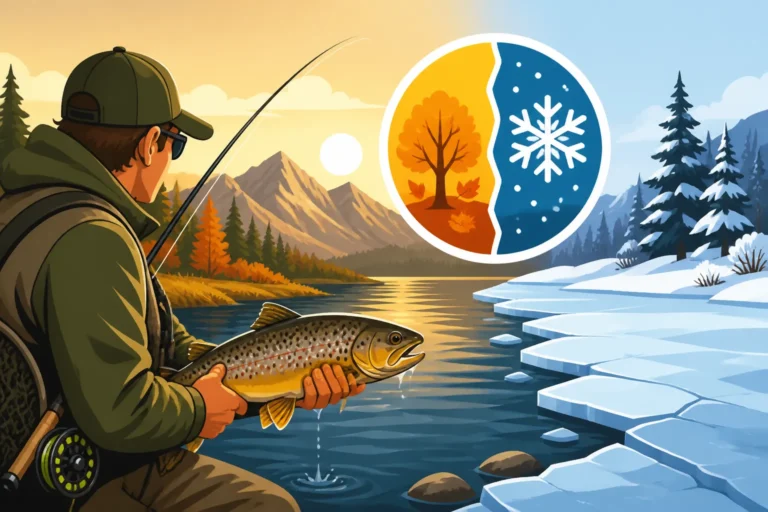
When we talk about "ice-out" in Wyoming's alpine lakes, it's not just a flip of a switch; it's a gradual, often unpredictable process. For those of us who yearn to hit the high country as soon as possible, understanding this process is key to maximizing our chances of success. It’s less about a specific calendar date and more about a combination of factors that melt away winter's icy grip.
The Variable Nature of Spring Thaw at Elevation
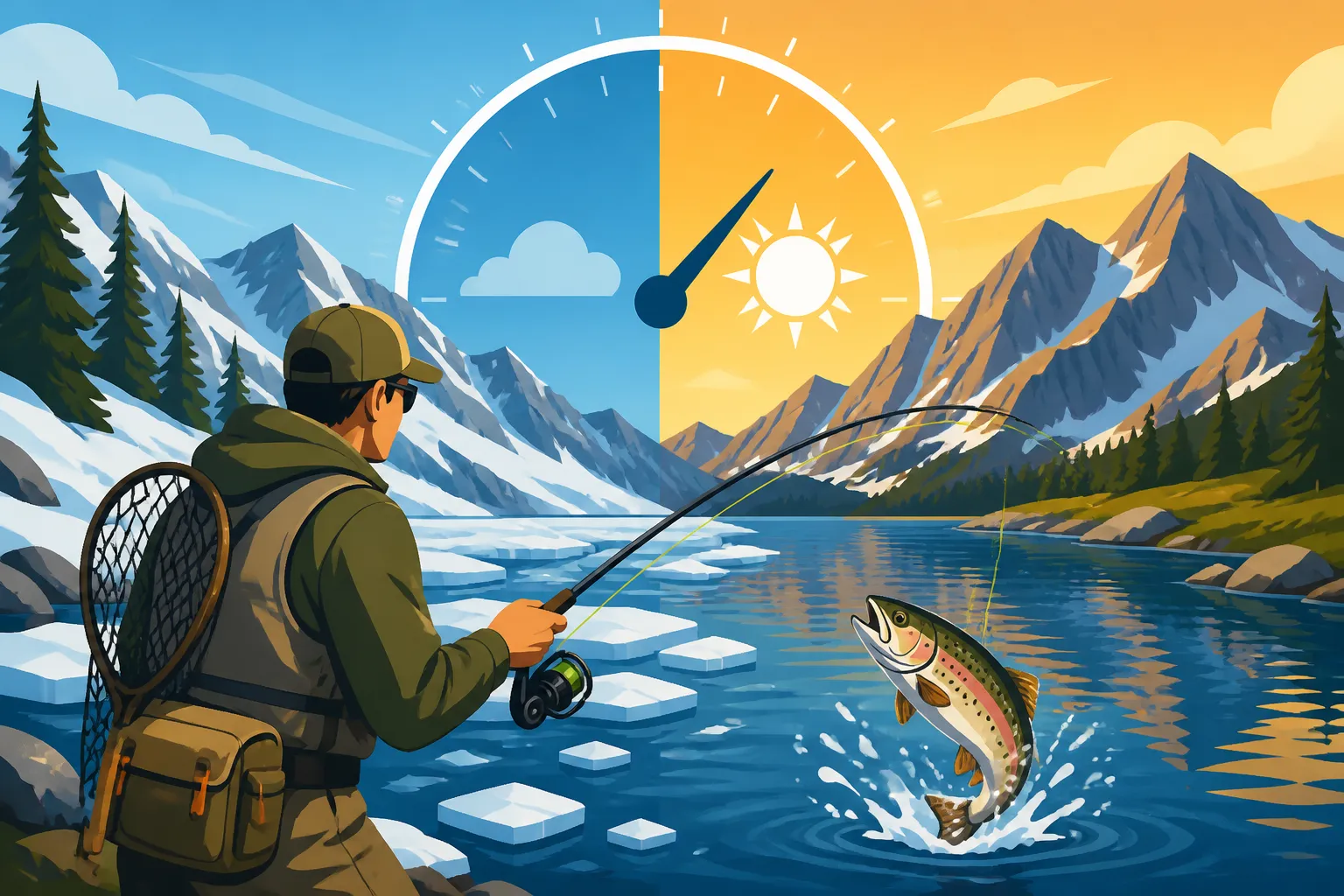
High-alpine lakes exist in a world of their own, far removed from the valley floors where spring arrives weeks, or even months, earlier. The timing of ice-out is incredibly variable, shifting dramatically year to year and even from lake to lake within the same mountain range. Think about it: a lake nestled in a north-facing cirque, shaded by towering peaks, will hold its ice much longer than a shallower, south-facing lake basking in direct sunlight. This is why you might hear reports of ice-out on one lake in the Wind Rivers, while a neighboring lake just a few miles away is still completely frozen solid. Factors like the depth of the lake, the amount of winter snowpack, the lake's elevation, and its aspect (which way it faces) all play critical roles.
One year, a particularly heavy snowpack might mean some lakes don't shed their ice until mid-July, making for a very short high-country fishing season. Another year, a mild winter and early spring could have lakes opening up by early June. This variability is a source of both frustration and excitement for anglers. It forces us to be flexible with our plans and constantly adapt, but it also means there's always a new puzzle to solve and a new adventure to be had. Just remember, patience is a virtue when waiting for those high lakes to give up their winter secrets.
How to Monitor Ice-Out Conditions
Since Mother Nature doesn't send out official ice-out notifications, it's up to us to become amateur meteorologists and terrain readers. Relying solely on a calendar is a recipe for disappointment. Thankfully, there are several ways to get a read on current conditions without having to hike five miles only to find a frozen sheet of ice. The Wyoming Game and Fish Department (WGFD) can sometimes provide general updates, especially for more popular and accessible high lakes. Their website and local offices are often a good first stop for broad information.
Beyond official channels, a little bit of digital sleuthing can go a long way. Satellite imagery, if you know how to access and interpret it, can be surprisingly useful for gauging snow cover and ice on larger bodies of water. Social media groups dedicated to Wyoming hiking and fishing are also goldmines, as fellow adventurers often share real-time updates and photos. And don't underestimate good old-fashioned observation: watching the snowline recede on distant peaks, monitoring streamflow in the lower elevations (high flows often mean melt is happening up high), and paying attention to long-range weather forecasts can all provide valuable clues. It’s about piecing together a mosaic of information to predict that perfect window.
The Golden Window: Best Time to Fish Post-Ice-Out
So, the ice is finally gone! You've successfully navigated the unpredictable spring thaw, and those stunning mountain vistas are calling. But simply being after ice-out isn't the whole story. There's a particular "golden window" that offers some of the most phenomenal fishing of the entire year in these remote waters. This is the time when the trout are most eager and least wary, making your efforts highly rewarding.
The Immediate Aftermath: Fish Are Hungry and Active
Imagine spending months under a thick, dark blanket of ice, with limited food and sluggish metabolism. That's life for trout in a high-alpine lake all winter long. When the ice finally peels back, it's like opening the doors to a buffet after a long fast. Fish, especially species like Cutthroat Trout Fishing in Wyoming and the hardy brook trout, are incredibly hungry and active. Their metabolism, which slowed down significantly in the cold, dark depths, suddenly kicks into high gear as the water warms slightly and light penetrates the water column.
This immediate post-ice-out period is characterized by fish aggressively seeking out any available food source. They're not particular or spooky; they're simply driven by hunger. This means they'll often hit a wide variety of presentations, from small nymphs to flashy spoons, making it an excellent time for both experienced anglers and those just starting their journey in the high country. It's a fantastic feeling to cast into a lake you know has been locked in ice, and almost immediately get a strike from a feisty, iridescent trout. The sheer energy of the fish during this time is exhilarating and makes the hike totally worth it.
Timing is Everything: From Days to Weeks Post-Thaw
While the fish are eager, "immediate aftermath" doesn't mean the literal second the last ice patch vanishes. It's usually a window that opens a few days after the lake is completely clear and typically lasts for about two to three weeks, sometimes a bit longer depending on conditions. During these initial days, the water is still quite cold, but the sun is already beginning its work, warming the shallow edges. This slight rise in temperature, combined with increased light penetration, triggers both the fish and their food sources. If you arrive too early, the lake might still be partially frozen, or the fish might still be too lethargic from winter. If you wait too long, the fish will have gorged themselves and will start to become more selective, accustomed to the renewed abundance of food, and possibly spookier due to increased angler pressure.
The sweet spot is often when the lake is fully clear, and the first significant insect activity begins to stir. This timing can vary wildly, even by a week or two, between adjacent lakes due to differences in elevation, depth, and exposure to sunlight. For example, a lower-elevation alpine lake might hit its prime window in early June, while a higher one in the same drainage might not be ready until late June or early July. This is why keeping an eye on When Wyoming's Alpine Lakes Usually Thaw is so important, allowing you to fine-tune your trip plans.
The Role of Water Temperature and Insect Activity
Water temperature is the unsung hero of post-ice-out fishing. As the surface waters warm even a few degrees, it's a profound change for the cold-blooded trout. This warming increases their metabolic rate, prompting them to feed more aggressively. More importantly, it signals the awakening of the aquatic insect life that has also been dormant under the ice. Midges, small mayflies, and even tiny scuds or leeches become active, providing the first substantial food sources since autumn.
When the water hits that perfect temperature range – typically in the low to mid-40s Fahrenheit – and those first insect hatches begin, it's game on. The trout will be cruising the shallows, actively searching for these renewed food sources. Even if you don't see massive hatches, the increased availability of these small invertebrates makes the fish incredibly responsive. Understanding How Water Temperature Affects Trout Feeding is crucial for success, as it explains why fish behave the way they do during this unique period. This period also applies to larger reservoirs that might have significant ice cover, where the same principles of hungry fish and emerging food sources hold true in the days following ice-out.
Strategies for Success During the Ice-Out Period
Once you’ve timed your trip perfectly, you’ll want to be prepared to make the most of that precious window. Fishing these high-alpine gems after ice-out requires a slightly different approach than mid-summer, focusing on the fish's immediate needs and where they'll naturally congregate in these newly thawed waters.
Best Lures and Flies for Post-Ice-Out
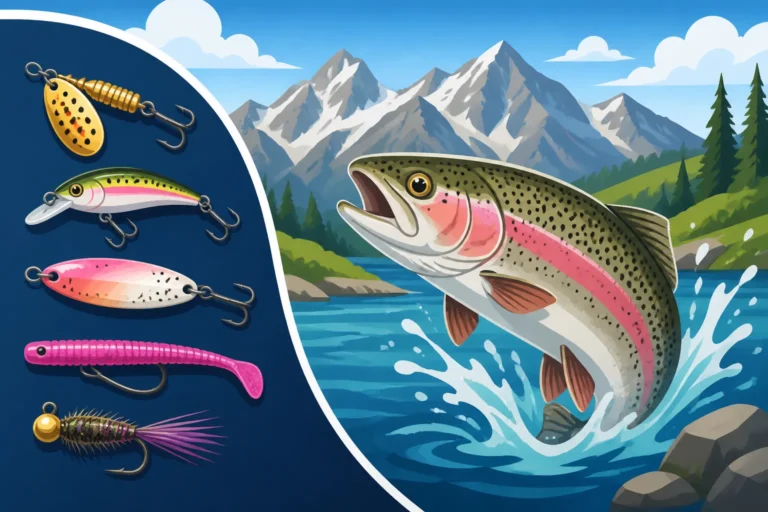
During that initial ice-out period, simplicity and subtle presentation often win the day. Remember, the fish are hungry, but they're also coming out of a long, lean winter. They're not necessarily looking for a huge meal, but rather easy, readily available food. For fly anglers, small nymphs are absolute gold. Think tiny zebra midges, pheasant tails, or even simple black or olive bead-head nymphs. Often, a size 18 or 20 midge pattern fished under an indicator or slowly stripped is incredibly effective. These patterns mimic the early aquatic insects that are just starting to emerge or become active.
Spin fishermen will find success with small, subtle offerings. Tiny Kastmasters, Panther Martin spinners (black or silver blades work well), or even small marabou jigs in black, olive, or white can be deadly. Often, a slow retrieve is key. Some anglers even have luck with PowerBait or a salmon egg imitation fished off the bottom near drop-offs. The key is to match the sparse, smaller food sources available. You might also want to check out general resources on Best Lures for Wyoming Rainbow Trout or Best Wyoming Fly Patterns for Cutthroat Trout for more specific suggestions, but remember to lean towards smaller, subtle options for this early season bite.
Here's a quick reference for common post-ice-out lures and flies:
| Type of Angling | Recommended Lure/Fly Examples | Presentation Tips | Target Depth/Location |
|---|---|---|---|
| Fly Fishing | Zebra Midge, Pheasant Tail Nymph, Copper John, Small Streamers | Slow strip, dead drift under indicator, suspended under a bobber | Shallow bays, drop-offs, inlets, rocky points |
| Spin Fishing | Small Kastmaster, Panther Martin Spinner, Small Marabou Jig | Slow, steady retrieve; stop-and-go; bottom jigging | Shallow edges, points, submerged structure, near inlets |
| Bait Fishing | PowerBait, Salmon Eggs, Worms | Still fish on bottom, float just off bottom | Drop-offs, deeper pockets near shore, structure |
Where to Focus Your Efforts on the Lake
When fishing these high-alpine lakes right after ice-out, you can't just cast anywhere and expect results. The fish will be concentrated in specific areas that offer warmth and the first available food. The absolute best places to focus your efforts are the shallower bays and shorelines, especially those with dark, rocky bottoms that absorb the most sunlight. These areas will warm up first, attracting both emerging insects and hungry trout looking to bask in the slightly warmer water.
Inlets are also prime locations. Any stream flowing into the lake will bring in warmer water, nutrients, and possibly dislodged insects or debris, creating an irresistible feeding zone. Look for rocky points or submerged rock piles that offer cover and act as ambush points. These areas warm up faster and provide structure for fish. Don't be afraid to experiment, but generally, starting shallow and working your way out, or covering the areas where you'd expect the sun to have done its work first, is a solid strategy. This is quite different from fishing these lakes in mid-summer when fish might be deeper, so adapting your approach to the season is crucial for How to Fish Wyoming's High-Alpine Lakes.
Weather Considerations and Gear for Early Season
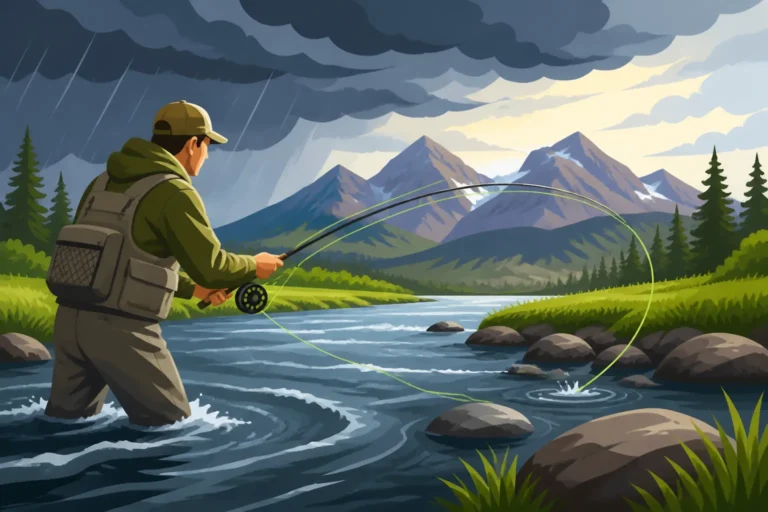
Even though the ice is out, don't let the promise of fishing fool you into thinking it's summer. High-alpine weather is notoriously fickle, and early season can still be quite cold and unpredictable. You absolutely must be prepared for anything, from bright sunshine to sudden snow squalls or freezing rain. Dressing in layers is paramount. Start with a good moisture-wicking base layer, add insulating layers like fleece or down, and always have a waterproof and windproof outer shell. Your core temperature is vital.
Gloves and a warm hat are non-negotiable, as you'll lose a lot of heat through your head and extremities. Waterproof hiking boots are a must, as stream crossings will be higher, and shorelines can be muddy or even slushy. Pack extra socks! For your gear, ensure your rods and reels are in good working order, and consider bringing extra line, as cold conditions can sometimes make monofilament brittle. A small, lightweight backpacking stove for a hot drink can be a real morale booster if the weather turns. Always check the mountain forecast before heading out, but be ready for it to change rapidly. You might even want to consult a broader guide on What Gear to Pack for a Backcountry Fishing Trip to ensure you have all your bases covered for safety and comfort in these challenging environments.
Common Pitfalls and How to Avoid Them
Even with the best intentions and meticulous planning, fishing high-alpine lakes can present some unique challenges, especially during the transitional post-ice-out period. Being aware of these common pitfalls can save you a lot of disappointment and ensure a safer, more enjoyable trip.
Going Too Early or Too Late
One of the biggest frustrations for high-country anglers is misjudging the ice-out window. Venture in too early, and you might find the lake still largely frozen, or only the shallowest edges clear enough to cast. The fish, if they're even active, will be extremely lethargic, making for a truly tough day of fishing, if any at all. There's nothing more disheartening than a long, strenuous hike only to be greeted by a sheet of ice where you hoped for open water. This is why paying close attention to various ice-out indicators and local reports is so crucial, rather than just guessing.
Conversely, waiting too long can also mean missing the absolute prime bite. As the season progresses into late spring and early summer, water temperatures continue to rise, and food sources become abundant. While fishing can still be good, the fish often become more selective, more educated, and potentially spookier as more anglers visit the lake. That initial, aggressive, "eat anything" bite tends to taper off. Finding that perfect balance between the earliest open water and the peak feeding frenzy is the angler's quest each year. It’s a bit of an art and a bit of a science, honed over many seasons of trial and error in the high country. For more on the seasonal shifts, a look at Wyoming Fishing Seasons Month by Month can provide a broader context for the entire year.
Underestimating Mountain Conditions
The beauty of Wyoming's high country comes with inherent challenges, and it's easy to underestimate them, especially during the early season. The trails, even those that are well-maintained, can still be muddy, snow-covered, or obscured by downed trees in the spring. Stream crossings that might be minor trickles later in the summer can be raging torrents from snowmelt, requiring caution or even alternative routes. The weather, as mentioned, is volatile; a sunny morning can turn into a whiteout blizzard by afternoon. Hypothermia is a real risk if you're not properly dressed and prepared for sudden drops in temperature.
Always err on the side of caution when packing and planning. Carry extra layers, plenty of water, high-energy snacks, a first-aid kit, and reliable navigation tools (map, compass, and GPS). Inform someone of your itinerary and expected return time. Even on what seems like a short hike to a beautiful lake, conditions can change rapidly and unexpectedly. Respecting the power of the mountains is paramount for your safety and enjoyment. Resources like Fishing Wyoming's Wilderness and Backcountry Lakes often include valuable safety tips specific to these remote environments.
Respecting the Environment
Fishing in Wyoming's high-alpine lakes offers a profound connection to nature, and it comes with the responsibility to protect these pristine environments. Leave No Trace principles are not just suggestions; they are crucial guidelines for preserving these fragile ecosystems for future generations. This means packing out everything you pack in, including all trash, food scraps, and even fish guts (pack them out or bury them deep away from water sources). Avoid creating new trails; stick to established paths to minimize erosion.
When you're fishing, practice responsible catch-and-release, especially for native species like cutthroat trout. Handle fish minimally, with wet hands, and release them quickly to ensure their survival. Consider using barbless hooks, as they cause less damage to the fish. If you plan to keep fish, know and adhere to all How Bag and Possession Limits Work in Wyoming regulations for the specific lake you are fishing. High-alpine lakes are often home to sensitive fish populations that can be easily impacted by overfishing or improper handling. By being a thoughtful steward, you ensure these incredible places remain wild and productive.
Disclaimer:
This article is for general informational purposes only and does not constitute professional advice. Laws, prices and regulations vary by location and change over time. Consult a qualified professional for guidance on your specific situation.