Best Winter Fishing Technique Below Flaming Gorge Dam
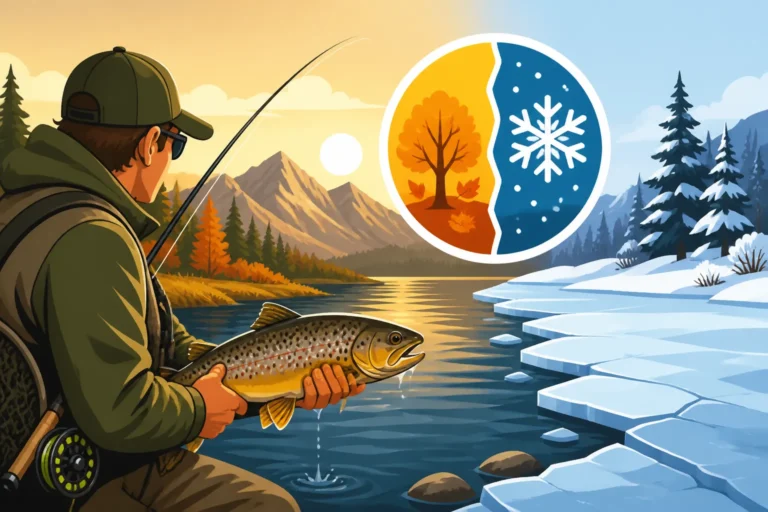
There’s nothing quite like the crisp air and serene solitude of winter fishing, but let’s be honest, the thought of braving the cold can be daunting. Many anglers pack away their gear once the snow flies, missing out on some truly incredible opportunities. If you’ve ever wondered how to really tackle the cold, clear waters below Flaming Gorge Dam for some fantastic trout action, this guide is for you. We'll dive deep into the specific techniques that make winter fishing on the Green River not just bearable, but exceptionally rewarding, helping you brave the elements and find success when others have long given up.
Why the Green River Below Flaming Gorge Dam Shines in Winter
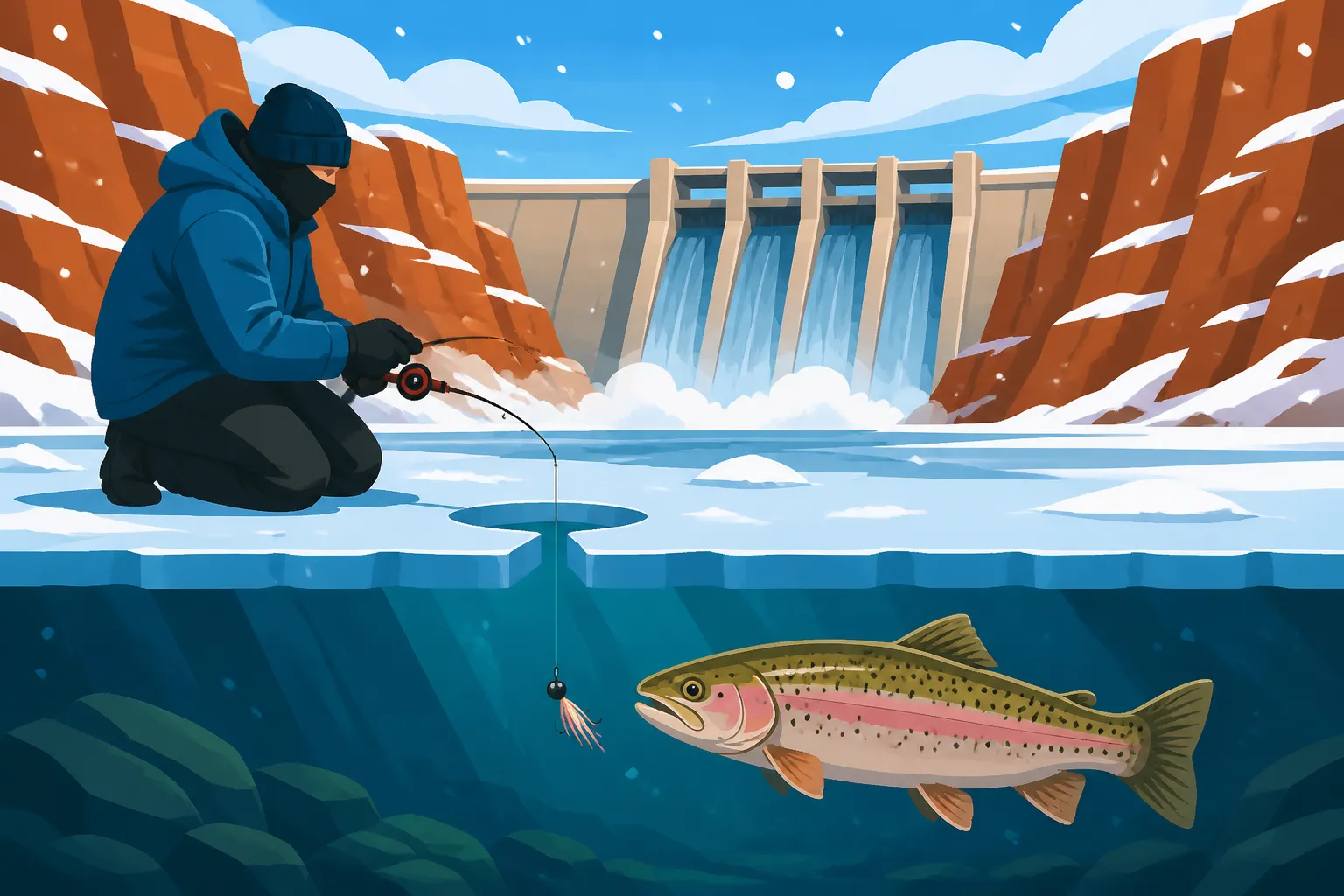
When most rivers are frozen solid or running slushy, the Green River below Flaming Gorge Dam often offers a unique and highly productive winter fishery. This isn't just any old river; it's a tailwater fishery, which means it flows out from the bottom of a large reservoir. The water released from Flaming Gorge is drawn from deep within the dam, providing a remarkably consistent water temperature year-round. This is absolutely critical for winter angling. While surface temperatures might plummet elsewhere, the Green River maintains a relatively stable temperature, usually in the high 30s to low 40s Fahrenheit. This consistency keeps trout active, hungry, and concentrated in predictable areas, making it an ideal spot for dedicated winter anglers.
Think about it: other streams might experience wild temperature swings, causing fish to become lethargic and scatter. But on the Green, the trout, primarily browns and rainbows, are in a comfort zone where they continue to feed, albeit perhaps a bit more subtly. This consistent flow and temperature also mean clearer water conditions, which can be a double-edged sword – great for spotting fish, but also means fish can spot you! The trout here are accustomed to a stable environment, which is why they thrive in the sections immediately below the dam. Knowing that the water temperature is relatively constant is a huge confidence booster, and it's one of the main reasons Why Tailwaters Fish Well in Winter is such a popular topic among serious anglers.
Mastering the Nymphing Game in Cold Water
When it comes to the best winter fishing technique below Flaming Gorge Dam, especially on the Green River, nymphing is hands-down the most effective method. During the colder months, insects are less active on the surface, meaning trout spend the vast majority of their time feeding on nymphs and larvae drifting along the riverbed. This is where you need to get your flies. The key to successful winter nymphing here isn't just about fly selection, but presentation, weight, and subtle detection of bites.
You're essentially trying to imitate the natural drift of insects dislodged from the bottom. This usually means a multi-fly rig. A common setup involves a heavier "point fly" to get your offering down to the strike zone quickly, followed by one or two lighter "dropper flies." The point fly acts like your anchor, ensuring your entire rig tumbles along the bottom. Popular choices for the point fly might include a heavy stonefly nymph imitation or a weighted worm pattern. For your droppers, smaller, more delicate patterns like zebra midges, pheasant tails, or even tiny sowbugs are often incredibly effective. Trout in cold water can be incredibly picky, so having a variety of sizes and colors, especially in smaller sizes (think #18 to #22 hooks), is crucial. If you're looking to dive deeper into rigs, our guide on Nymphing Techniques for Wyoming Tailwaters offers a lot of helpful strategies. Remember to adjust your weight and leader length to match the current speed and depth. You want your flies to be ticking the bottom occasionally, but not dragging excessively.
Essential Nymphing Rig Setup
Your leader and tippet selection are vital for stealth and sensitivity. Fluorocarbon tippet, in sizes 4x to 6x, is often preferred for its invisibility underwater and its density, which helps your flies sink faster. A longer leader can also help with a more natural drift, especially in the clear waters of the Green. Experiment with different lengths, typically anywhere from 9 to 12 feet from your fly line to the first fly. An indicator, whether it's a traditional bobber-style or a highly sensitive yarn indicator, is absolutely necessary to detect those incredibly subtle winter takes. A trout might only move an inch or two to intercept your fly in cold water, so you need to be able to see even the slightest hesitation or twitch of your indicator. You can find a fantastic selection of indicators and fluorocarbon tippet on Amazon, making it easy to stock up before your trip.
Gear, Bait, and Tactics for Winter Success
Beyond the technique, having the right gear and understanding key tactics will elevate your winter fishing experience below Flaming Gorge Dam. Comfort is paramount, as is efficiency.
Dressing for the Cold
First and foremost, dress in layers. Merino wool base layers are fantastic for warmth without bulk. A good mid-layer, like a fleece or insulated jacket, and a waterproof, breathable outer shell are non-negotiable. Don't forget a warm hat that covers your ears, insulated gloves (some anglers prefer fingerless gloves with hand warmers for better dexterity), and thick wool socks. Proper waders and wading boots, ideally with studs for slippery rocks, are also crucial. Trust me, being cold will cut your day short faster than anything else. You might even find some excellent thermal socks and heated glove liners on Amazon that make a huge difference in sub-freezing temperatures. Our guide on How to Dress for Winter Fishing in Wyoming offers even more detailed advice.
Rod, Reel, and Line Selection
For nymphing, a fast-action fly rod in a 4- or 5-weight, around 9 to 10 feet long, is ideal. The longer rod helps with mend control and keeping excess line off the water for better drifts. Pair it with a reliable reel and a weight-forward floating fly line. The right line helps cast heavier nymph rigs more effectively. For spin fishing, a lightweight, sensitive rod (6-7 feet, light to medium-light action) paired with a good quality spinning reel spooled with 4-6 lb test fluorocarbon or braided line with a fluorocarbon leader will give you the sensitivity needed.
Bait and Lure Choices for Spin Anglers
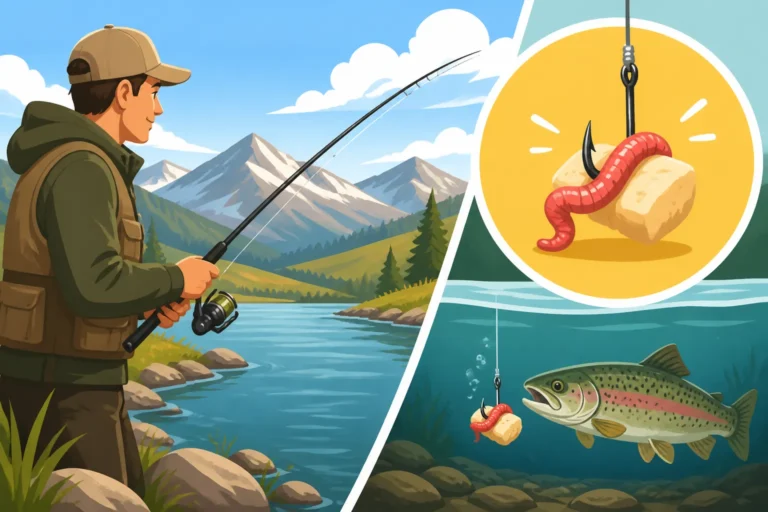
While fly fishing with nymphs is king, spin anglers can also find great success. Small jigs (1/32 to 1/8 oz) tipped with a small piece of worm, PowerBait, or even a specialized scent can be deadly. Pink and chartreuse are often popular colors in the clear water. Small spoons or spinners in silver or gold, fished slowly and deep, can also entice strikes. Drifting salmon eggs or small pieces of corn on a single hook with a split shot can also be effective, mimicking natural food sources. Remember, presenting your offering slowly and near the bottom is the golden rule in cold water. You'll find a wide array of small jigs and soft plastics perfect for this kind of fishing on Amazon, ready to be added to your tackle box.
Reading the Water and Targeting Fish
In winter, trout tend to congregate in deeper, slower moving water, often behind current breaks or in eddies where they expend less energy. Look for deep pools, slower runs, and seams where fast water meets slow water. Trout will hold in these areas, waiting for food to drift by. Pay close attention to subtle changes in the current and structure. How to Read Water When Trout Fishing is an invaluable resource for understanding these critical holding spots. Also, consider the types of fish you'll encounter. Both Rainbow Trout Fishing in Wyoming and Brown Trout Fishing in Wyoming can be excellent below the dam. Remember that consistent flow conditions in tailwaters mean fish often don't move far from their preferred lies, so if you find one, there are likely others.
Common Pitfalls and How to Avoid Them
Winter fishing on the Green River can be incredibly rewarding, but it definitely has its challenges. Being aware of common mistakes can save you a lot of frustration and make your trip much more enjoyable.
Not Adjusting to Cold Water Behavior
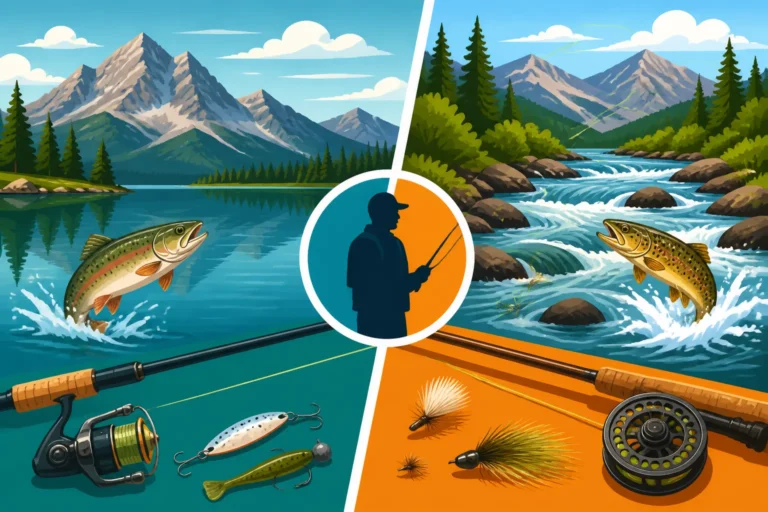
The biggest mistake anglers make is fishing winter water like it's summer. Fish metabolism slows down in cold water, meaning they are less aggressive and their movements are more subtle. This translates to slower retrieve speeds for spin anglers and incredibly light takes for nymphers. You might not feel a violent tug; instead, your indicator might just hesitate, dip slightly, or move sideways a mere inch. It requires intense focus and quick reflexes to set the hook. Don't be afraid to slow down your presentation to an almost glacial pace. Think about drifting your nymphs for as long as possible through promising runs. You might even consider how different techniques are used when Choosing the Right Technique for Wyoming Lakes vs Rivers, noting how river currents always require active management of your line.
Inadequate Preparation for the Elements
Underestimating the cold can quickly turn a fun day into a miserable one. We touched on layering, but it’s worth reiterating: extra layers, hand warmers, and even a thermos of hot coffee or soup can make a huge difference in your comfort and endurance. Your hands will get wet, and when they do, they'll get cold fast. Having an extra pair of dry gloves or mittens can be a lifesaver. Ensure your waders are leak-free, as standing in freezing water with wet socks is a surefire way to head back to the truck early. Even small items, like a quality pair of polarized sunglasses for cutting glare on the water, are worth investing in. You can easily find these essentials, like extra hand warmers or even an insulated thermos, on Amazon.
Neglecting Local Regulations and Ethics
Always, always check the current Wyoming fishing regulations before you head out. Special rules, closures, or gear restrictions can apply to specific sections of the Green River, especially a renowned fishery like the one below Flaming Gorge Dam. Some sections might have barbless hook requirements or specific catch-and-release rules. It’s also important to practice good angling ethics: minimize handling of fish in cold weather, especially if you plan to release them, and always leave no trace. Be mindful of spawning trout, especially brown trout that might be active in the fall and early winter. Understanding all the rules is part of being a responsible angler, and a quick check of the Wyoming Game & Fish Department website before you go fishing will keep you informed.
By understanding the unique conditions, mastering the nymphing technique, preparing appropriately, and being mindful of fish behavior and regulations, you'll be well on your way to a successful and enjoyable winter fishing adventure below Flaming Gorge Dam.
Winter Fishing Comparison: Fly vs. Spin
To help clarify which approach might be best for your winter Green River adventure, here’s a quick comparison of fly fishing and spin fishing techniques that are most effective in the cold waters below Flaming Gorge Dam.
| Feature | Fly Fishing (Nymphing) | Spin Fishing (Jigging/Drifting Bait) |
|---|---|---|
| Primary Technique | Drifting weighted nymph patterns under an indicator. | Drifting small jigs or bait with split shot, slow retrieves. |
| Target Depth | Very bottom, where nymphs are abundant. | Bottom to mid-water column. |
| Sensitivity | High, relies on indicator or line movement. | Moderate to high, relies on rod tip and line feel. |
| Stealth | High, natural drift of flies. | Good, especially with light line and subtle presentations. |
| Gear Investment | Higher initial cost (rod, reel, line, waders, flies). | Lower, basic rod/reel combo and minimal tackle. |
| Learning Curve | Moderate, requires practice with casting and mending. | Low to moderate, basic casting skills are sufficient. |
| Typical Flies/Lures | Zebra midges, pheasant tails, stoneflies, sowbugs. | Small jigs (1/32-1/8 oz), spoons, PowerBait, worms, eggs. |
| Effectiveness in Cold | Excellent, mimics natural trout diet. | Very good, especially with slow, bottom-oriented tactics. |
Disclaimer
This article is for general informational purposes only and does not constitute professional advice. Laws, prices and regulations vary by location and change over time. Consult a qualified professional for guidance on your specific situation.