Choosing the Right Technique for Wyoming Lakes vs Rivers
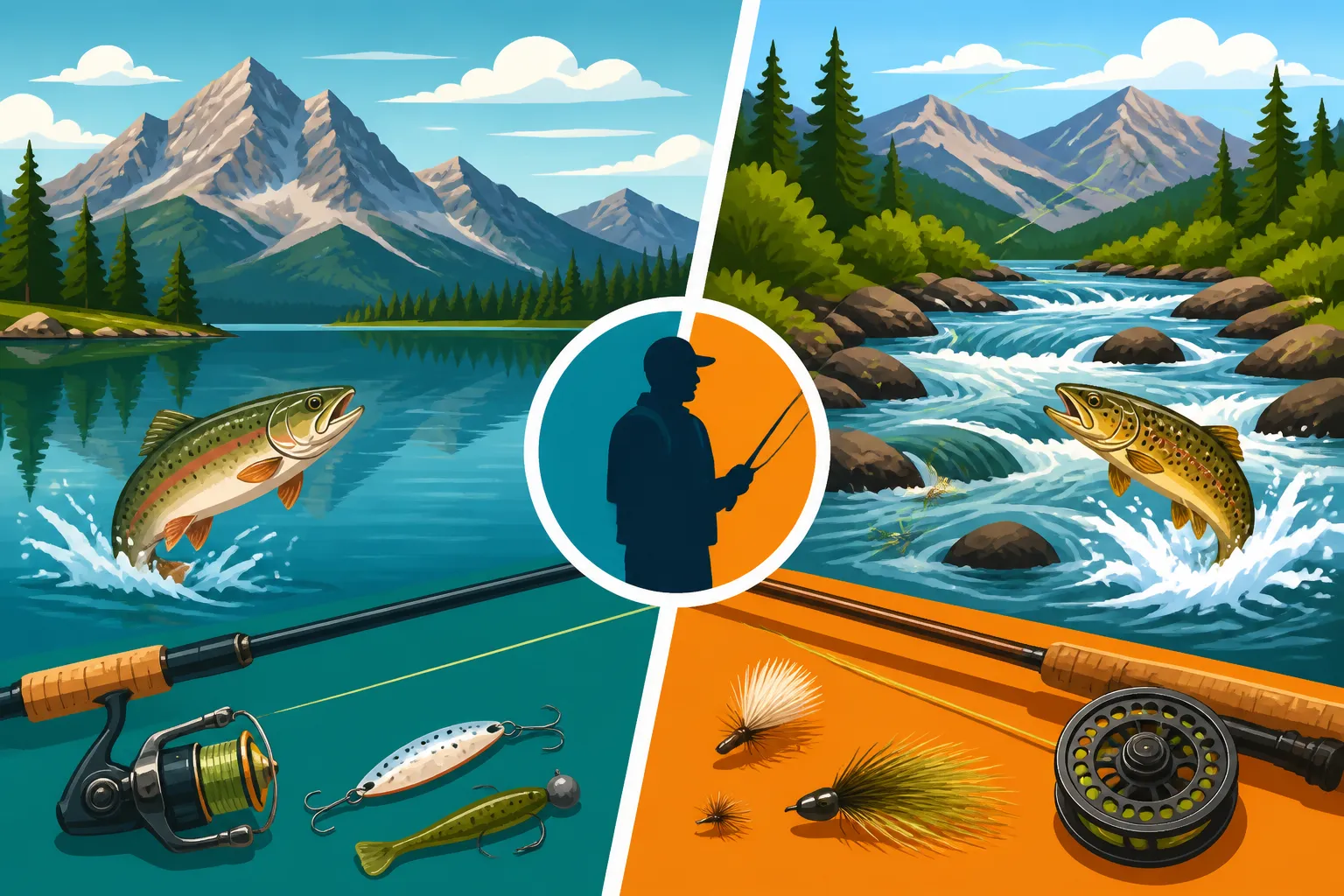
Anyone who's ever stood at the edge of a vast Wyoming lake, pondering where to cast, only to then find themselves on a rushing trout stream a day later, knows the feeling: the tactics that worked so brilliantly in one spot often fall completely flat in another. It's not just about the fish; it's about the environment. This guide is here to unravel that mystery, helping you confidently choose the perfect fishing technique whether you're staring down a mountain reservoir or a legendary river.
Understanding the Fundamental Differences Between Lakes and Rivers
Fishing in Wyoming isn't a one-size-fits-all endeavor, and the most crucial distinction lies in whether you're targeting fish in a sprawling lake or a flowing river. These two aquatic environments are fundamentally different, and understanding these differences is the first step toward becoming a more versatile and successful angler. It's easy to get frustrated when your favorite river setup isn't producing on a lake, or vice versa, but it's rarely your fault; it's usually just a mismatch of technique to environment.
Water Movement and Its Impact on Fish Behavior
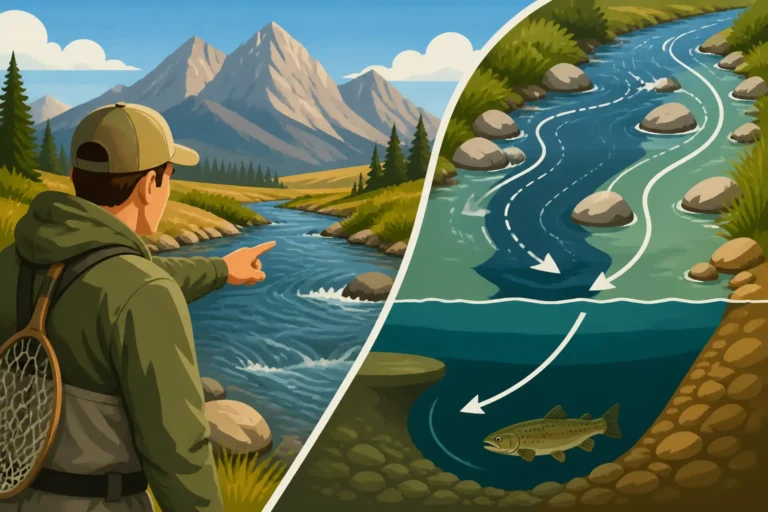
Rivers, by their very nature, are defined by constant, unidirectional flow. This perpetual motion dictates everything from where fish hold to what they eat and how they conserve energy. Think about it: a trout in a fast-moving riffle isn't going to expend energy chasing a meal too far from its current-break hideout. Instead, it'll position itself strategically, often behind a rock or in a seam, waiting for the current to deliver food right to its mouth. This means river fish are often oriented upstream, looking for drifting insects or baitfish. Their entire existence revolves around conserving energy while still capitalizing on the moving buffet line. When you're fishing a river, you're constantly thinking about drag, current seams, and presenting your lure or fly in a way that mimics natural drift. If you're struggling, it might be that your presentation isn't natural enough with the current.
Lakes and reservoirs, on the other hand, are characterized by still or slow-moving water. While wind can create currents and turnover events can mix water layers, there's no constant, directional flow. This profound difference means fish in lakes have a much wider range of movement and aren't anchored to current breaks. They might cruise vast areas looking for food, suspend at specific depths, or congregate around structure like submerged trees, rock piles, or drop-offs. Their feeding behavior is often less about reacting to a drift and more about actively hunting or scavenging. This shift in behavior demands different approaches, such as covering more water, fishing vertically, or targeting specific depths and structures. For instance, chasing Wyoming's Lake Trout (Mackinaw) Fishing in Wyoming requires completely different thinking about depth and structure than targeting a brown trout in the North Platte.
Habitat Variation and Fish Species Distribution
The physical habitats within lakes and rivers are also vastly different, which in turn influences the types of fish you'll find and where they prefer to live. Rivers often feature a dynamic mosaic of riffles (fast, shallow water), runs (deeper, smoother flowing sections), pools (slow, deep areas), and undercut banks. Each of these micro-habitats offers something different: riffles for oxygenation and insect production, runs for feeding lanes, and pools for resting and deeper cover. Because of this varied habitat, rivers are often prime territory for cold-water species like various trout species and salmon, particularly those adapted to feeding on aquatic insects and smaller baitfish that are swept downstream. Understanding how to read water when trout fishing is paramount here.
Lakes and reservoirs, however, present a different kind of habitat. You'll find expansive open water, deep drop-offs, submerged islands, weed beds, rocky points, and sometimes even flooded timber. The sheer volume of water and variety of depths allow for a greater diversity of fish species, often including warm-water species like Walleye Fishing in Wyoming, Smallmouth Bass, and Perch, alongside cold-water species like Lake Trout and Rainbow Trout that can thrive in deeper, cooler zones. The fish are less confined by linear river channels and can utilize the full three-dimensional space of the lake. This means anglers need to think about contour maps, sonar readings, and a much broader array of depths and structures. For example, a shallow, weedy bay might hold bass, while the deepest part of the lake could be home to massive lake trout.
Access and Angler Approach Considerations
The practicalities of accessing and moving around on lakes versus rivers also heavily influence your technique. Rivers, especially smaller ones or popular fly fishing destinations, are often fished by wading. This intimate approach allows you to carefully navigate the water, making precise casts to specific holding lies. However, it also limits your reach and can be physically demanding. For larger rivers, drift boats or rafts are common, allowing anglers to cover significant stretches of water, but this requires a different set of skills for boat control and presentation. Access might involve public easements, bridges, or designated fishing access sites, but you're usually moving along a linear path.
Lakes and reservoirs offer a much broader spectrum of access and approach options. Shore fishing is always an option, though it often limits you to shallower water and casting distance. Boats, from small jon boats to large deep-V fishing machines, open up the entire expanse of the lake, allowing access to deeper water, offshore structure, and distant points. Kayaks, canoes, and float tubes also provide excellent mobility, especially on smaller lakes or for accessing quieter coves. This freedom of movement on a lake means you can chase fish across different depths and areas, adapting your technique as conditions or fish locations change. Whereas a river angler might focus on a few hundred yards of prime water, a lake angler might motor miles across the water to reach a productive area, like the best Walleye water at Boysen Reservoir's Best Walleye Water.
Proven Techniques for Wyoming's Diverse River Systems
When you're standing on the bank of a Wyoming river, whether it's the legendary North Platte or a tucked-away mountain stream, the moving water immediately tells you that you're in a different world than a still lake. The techniques that excel here are all about working with, or sometimes against, that flow. It's a dance with the current, and mastering it can unlock incredible fishing experiences.
Fly Fishing for Freestone and Tailwater Trout
Fly fishing is, for many, the quintessential Wyoming river experience, especially when targeting trout. It's a sophisticated method that truly shines in rivers because it excels at mimicking the natural insects and baitfish that drift in the current.
On freestone rivers – those fed by snowmelt and rainfall, like many of the smaller streams in the Wind River Range or the upper sections of the Snake River – you'll often encounter a more natural and dynamic ecosystem. Here, matching the hatch is key. You'll want to pay close attention to what insects are flying around or drifting on the surface. During a prolific mayfly or caddis hatch, dry flies presented delicately upstream and allowed to drift naturally can be incredibly effective. For those times when fish aren't looking up, nymphing techniques, using weighted flies to imitate subsurface insects, are often the most consistent producers. A good leader and tippet setup is crucial to avoid spooking fish in clear, freestone water. Knowing your Best Wyoming Fly Patterns for Cutthroat Trout can make all the difference.
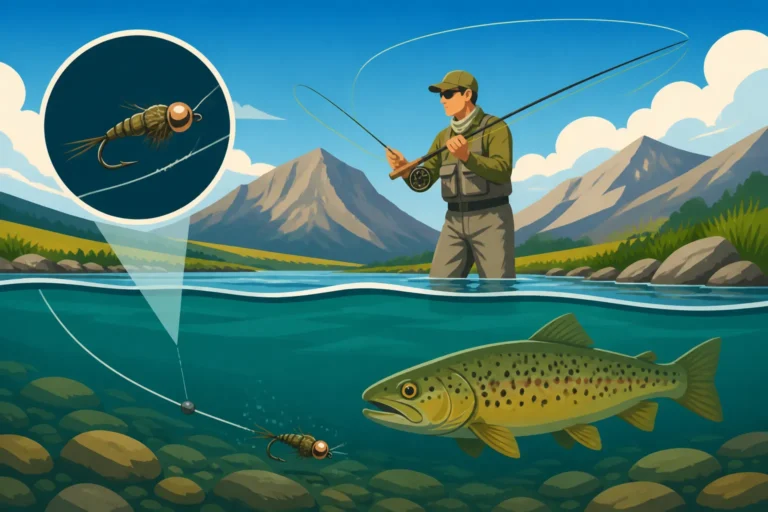
Tailwater rivers, on the other hand, are fed by water released from the bottom of dams, like the Miracle Mile stretch of the North Platte River or the Green River below Flaming Gorge Dam. These waters often maintain more consistent temperatures and flows, leading to extremely rich aquatic insect populations and, consequently, large, healthy trout. Nymphing techniques for Wyoming tailwaters are often paramount here, as fish are accustomed to a constant subsurface food supply. Think about multi-nymph rigs with split shot or strike indicators, carefully mending your line to achieve a drag-free drift that fools selective trout. Streamer fishing for Wyoming Brown Trout can also be incredibly effective, especially for targeting larger, predatory fish that lurk in the deeper pools and runs, often during the fall months when they migrate upstream to spawn.
Spin Fishing the Riffles, Runs, and Pools
While fly fishing gets a lot of the spotlight, spin fishing is an incredibly versatile and often highly effective technique for rivers, particularly for beginners or those who prefer a different approach. The key here is to choose lures that either mimic the natural drift of a wounded baitfish or bug or that can be worked against the current to trigger a reaction strike.
For riffles and runs, spinners (like Mepps or Rooster Tail) or small spoons can be cast upstream and retrieved just fast enough to get the blade spinning, allowing the current to help carry them naturally downstream past holding fish. The flash and vibration can be irresistible to trout. In deeper runs and pools, small jerkbaits or crankbaits that dive to the appropriate depth can be highly effective, especially for brown trout and rainbow trout. You're looking to create an erratic action that mimics a struggling baitfish, triggering a predatory response. Soft plastics on a jig head can also be bounced along the bottom in these deeper areas, imitating sculpins or other benthic organisms.
The presentation is crucial. You want to cast slightly upstream and across, letting the lure swing naturally through the suspected fish lie. Always be mindful of snags and adjust your weight or lure choice based on the current speed and depth. Learning how to fish a spinner for Rainbow Trout in a river environment can open up a lot of opportunities. You might also explore bait fishing techniques for beginners, especially in stocked waters or areas where regulations allow.
Reading the Water: Identifying Prime Holding Lies
No matter if you're fly fishing or spin fishing, the ability to "read the water" is perhaps the most critical skill for river success. Fish, particularly trout, are incredibly efficient creatures. They won't expend more energy than necessary to eat. This means they'll position themselves in spots where food is delivered to them, or where they can dart out quickly to intercept prey, all while having cover and protection from strong currents.
Look for distinct features in the river:
- Current Seams: These are the lines where fast water meets slow water. Fish often hold in the slower water, just out of the main current, waiting for food to be swept by. These are prime feeding lanes.
- Riffles and Runs: The broken, bubbly surface of riffles often indicates oxygenated water and insect activity. Fish will hold in the deeper slots within these areas. Runs offer a more consistent flow, and fish might be found along the edges or behind larger obstacles.
- Pools: Deep, slow-moving pools provide excellent resting areas and cover, especially for larger fish. Look for structure within the pool, like submerged logs, boulders, or ledges.
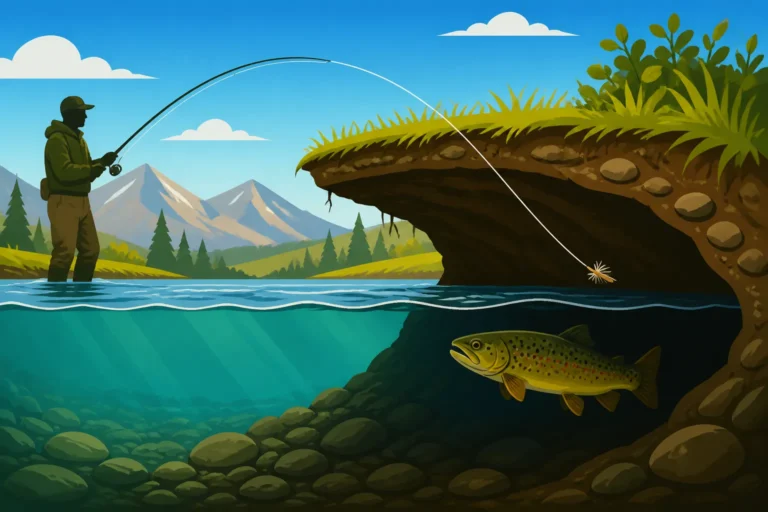
- Undercut Banks: Where the current has eroded the riverbank, creating an overhang, fish find fantastic overhead cover and a refuge from strong currents. These are often trophy fish lies.
- Eddies and Backwaters: Areas where the current swirls back upstream or where water is almost still offer a break from the main flow. Fish often congregate here, especially during high water.
Learning to identify these spots, understanding how the current will carry your presentation into them, and then making precise casts will dramatically increase your success rate. It's a continuous learning process, but every trip to a Wyoming river helps you refine this essential skill of Reading Riffles and Runs on Wyoming Trout Streams.
Effective Strategies for Still Waters: Wyoming's Lakes and Reservoirs
Switching from a river to a lake or reservoir in Wyoming is like moving from a dynamic obstacle course to an expansive open field. The rules of engagement change completely. Instead of focusing on current and drift, you're thinking about depth, structure, covering water, and patient searching. These larger bodies of water, from the vast Flaming Gorge Reservoir to intimate high-alpine lakes, demand a different mindset and a specialized set of techniques.
Trolling for Deep-Water Predators
Trolling is arguably one of the most effective ways to cover vast amounts of water and locate fish in large Wyoming lakes and reservoirs, especially for species like Lake Trout (Mackinaw), Kokanee Salmon, and larger Rainbow and Brown Trout that often suspend in the water column or hug deep structures.
The concept is simple: you move slowly through the water, typically with a boat, dragging lures or bait behind you at a specific depth and speed. However, the execution involves a lot of nuance. You'll need to consider several factors:
- Depth Control: This is paramount. Different fish species and even individual fish will hold at specific depths depending on water temperature, light penetration, and baitfish location. Using downriggers, diving planes (like Dipsy Divers or Jet Divers), or lead core line allows you to precisely control the depth of your presentation. For instance, Best Depth for Trolling Lake Trout at Flaming Gorge often varies, but they're typically found deep.
- Lure Selection: Spoons, stickbaits (like Rapalas or Wally Divers), and even dodgers or flashers paired with a wedding ring or fly can be incredibly effective. The size, color, and action of your lure should mimic the local baitfish (e.g., kokanee for large lake trout) or trigger a reaction strike.
- Speed: Pay close attention to your boat speed. Too fast, and your lures might not have the right action; too slow, and they might not attract attention. Experimentation is key, but typically trolling speeds range from 1.5 to 3.5 mph, though some specific techniques, like trolling tube jigs for lake trout at Flaming Gorge, might be slower or involve specific pauses.
- Location: Use your sonar to identify submerged structure, bait balls, and marked fish. Target points, drop-offs, humps, and areas where baitfish are congregating. Trolling often involves "running a pattern" over productive areas.
Trolling allows you to cover depths from just below the surface to over 100 feet, making it a fantastic search tool to find active fish across the lake.
Shore Fishing and Bank Access Tactics
Not everyone has a boat, and that's perfectly fine! Many Wyoming lakes and reservoirs offer excellent shore fishing opportunities, but it requires a strategic approach since your range is limited.
When fishing from the bank, you're largely relying on casting distance and your ability to attract fish to your immediate vicinity.
- Bait Fishing: This is a tried-and-true method. PowerBait, worms, corn (where legal), or cut bait fished on the bottom with a sliding sinker rig can be deadly for Rainbow Trout, Cutthroat, and even Walleye near the shore, especially in cooler water. Just cast out, set your rod in a holder, and wait for the bite.
- Casting Lures: Spinners, spoons, and small crankbaits can be cast and retrieved to cover different depths and mimic baitfish. Focus on casting parallel to the shore, or fanning casts out to cover a wider area. Target any visible structure like submerged rocks, logs, or weed lines.
- Slip Bobber Rigs: For suspending bait or jigs at a specific depth just off the bottom or over weed beds, a slip bobber rig is invaluable. This allows you to cast a good distance and still present your offering vertically, a technique often used for perch, crappie, or even smaller walleye.
- Finding the Right Spot: Look for points, coves, or areas with a quick drop-off near the shore. These locations often attract fish that cruise the shallows looking for food or move into deeper water for cover. Areas with flowing inlets can also be hotspots, as they bring in food and cooler, oxygenated water. Remember, Jackson Lake's Best Shoreline Fishing Spots in Wyoming are specific and worth seeking out.
The patience and careful observation involved in shore fishing can be incredibly rewarding, especially when you figure out the daily patterns of fish in a particular area.
Mastering Stillwater Fly Fishing Techniques
Fly fishing isn't just for rivers! Stillwater fly fishing is a specialized and highly effective discipline on Wyoming's lakes and reservoirs, especially for trout. It's less about the current and more about presenting flies at the correct depth, speed, and retrieve to imitate various aquatic insects, crustaceans, and baitfish.
- Indicator Nymphing: Similar to river nymphing, but without the current dictating the drift. You'll use a strike indicator to suspend nymphs (like chironomids, callibaetis nymphs, or leeches) at specific depths, often near the bottom or over weed beds. A slow, subtle retrieve or just letting it sit can be effective.
- Stripping Streamers: For targeting more aggressive fish like brown trout, rainbow trout, and even smaller lake trout, stripping streamers (e.g., Woolly Buggers, sculpin patterns, or baitfish imitations) can be incredibly productive. Cast out, let the fly sink to the desired depth, and retrieve with varying strip-and-pause motions to imitate fleeing prey.
- Dry Fly Fishing (Matching the Hatch): Don't rule out dry flies! During specific hatches of callibaetis mayflies, damselflies, or even terrestrials falling onto the water, trout will rise to the surface. Accurate casting and a drag-free presentation (even on still water, wind can create subtle drag) are key.
- Balanced Leeches and Chironomids: These patterns are often fished under an indicator or slowly retrieved. A "balanced" fly has a bead near the eye that causes it to hang perfectly horizontal in the water column, mimicking natural movement without retrieve. Chironomid pupae are a staple for stillwater trout and are often fished incredibly slowly or left almost motionless.
Stillwater fly fishing often benefits from using a float tube or kayak, which allows you to access more water and present flies more effectively, but it can also be done successfully from the bank, especially in areas with good weed lines or drop-offs. Learning How to Fish a Wyoming Mountain Lake From Shore is a unique and rewarding skill.
Gear Considerations: Equipping Yourself for Wyoming's Varied Fisheries
Successfully adapting your techniques to Wyoming's lakes and rivers also means adapting your gear. Trying to cast a tiny dry fly on a heavy baitcasting setup built for lake trolling is just going to lead to frustration, and vice versa. Having the right tools for the job isn't about being an gear-obsessed angler (though many of us are!), it's about making your fishing experience more enjoyable and effective.
Rod, Reel, and Line Selection for Rivers
When you're fishing rivers, especially for trout, precision and sensitivity are often paramount. You need to be able to cast accurately, feel subtle bites, and manage line effectively in current.
For fly fishing on rivers:
- Rod: A 9-foot rod is generally the workhorse for most Wyoming trout rivers. The weight (e.g., 4-weight, 5-weight, 6-weight) depends on the size of the fish and flies you'll be using. A 5-weight is a fantastic all-around choice for many medium-sized trout streams. If you're targeting smaller streams with brush, a shorter rod (7.5-8.5 feet) might be advantageous. For larger rivers or heavier flies, a 6-weight or even 7-weight can be more suitable, especially if you're streamer fishing. The Best Fly Rod Weight for Wyoming Trout Streams is a critical choice.
- Reel: Your reel for river fly fishing is primarily a line storage device, but it should be well-built and have a smooth drag system, especially for fighting larger fish. A large arbor reel helps with quick line retrieval.
- Line: A weight-forward floating line is standard for most river fly fishing, allowing for easy casting and mending. If you're consistently nymphing deep or throwing heavy streamers, a sink-tip line or even a full sinking line might be beneficial, but for general use, floating is king. Don't forget a good tapered leader and tippet for stealth and presentation.
For spin fishing on rivers:
- Rod: A medium-light to medium power spinning rod, typically 6 to 7 feet in length, is ideal. This provides enough backbone to cast lures and fight fish, but enough sensitivity to feel lighter bites and make accurate casts. A fast action tip is usually preferred for quick hook sets.
- Reel: A 1000 to 2500 size spinning reel, spooled with 4-8 pound test monofilament or braided line, is a good starting point. Smooth retrieve and a reliable drag are important.
- Line: Monofilament offers good knot strength and stretch, which can be forgiving. Braided line offers superior sensitivity and casting distance, especially when paired with a fluorocarbon leader for invisibility.
Essential Tackle for Lake and Reservoir Fishing
Lake fishing often involves heavier setups to handle larger fish, deeper depths, and different presentation methods like trolling or heavy jigging.
For trolling and general lake fishing:
- Rod: A medium to medium-heavy power casting or spinning rod, 7 to 9 feet in length, is common for trolling or throwing larger lures. For jigging in deep water, a specialized "jigging rod" that is stiffer with a sensitive tip can be invaluable.
- Reel: A baitcasting reel is often preferred for trolling due to its line capacity and ability to handle heavier lines, but larger spinning reels (3000-5000 series) can also be used effectively. For deep-water trolling with downriggers or lead core, specialized trolling reels with line counters are extremely helpful.
- Line: Braided line (15-30 lb test) is very popular for lake fishing due to its strength, sensitivity, and lack of stretch, especially when trolling or jigging deep. Fluorocarbon leaders are often used for stealth. For specific trolling applications, lead core line (which sinks at a predictable rate) or copper line might be necessary to reach extreme depths without downriggers.
For shore fishing on lakes:
- Rod: A medium power spinning rod, 7 to 9 feet, offers good casting distance.
- Reel: A 2500-4000 size spinning reel, spooled with 6-12 lb monofilament or braided line.
- Line: Similar to river spin fishing, but you might lean towards slightly heavier line to handle larger fish or heavier baits.
Don't forget terminal tackle for both environments: hooks of various sizes, sinkers (split shot, bullet weights, drop shot weights), swivels, and an assortment of lures, flies, and bait relevant to your target species. Having a well-stocked tackle box is key!
Waders, Boats, and Other Essential Accessories
Beyond rods and reels, certain accessories can significantly enhance your fishing experience and even be critical for safety, regardless of whether you're on a lake or river.
- Waders and Boots: For river anglers, quality waders (neoprene for cold water, breathable for warmer) and sturdy wading boots with good grip are non-negotiable. They allow you to access prime water, stay warm, and avoid getting soaked. Do You Need Waders to Fish Wyoming Rivers in Spring? Absolutely. You can find excellent options from brands like Redington or Simms, and even good entry-level pairs are available on Amazon.
- Boats/Watercraft:
- Rivers: Drift boats or rafts are ideal for floating larger rivers, offering stability and the ability to cover miles of prime water.
- Lakes: A wide range of boats is suitable, from small aluminum jon boats for easy access to larger fiberglass bass boats or deep-V walleye boats for serious reservoir fishing. Kayaks and float tubes offer fantastic, quiet access to coves and smaller lakes.
- Safety Gear: Always, always prioritize safety. This includes a life vest (PFD) whenever you're on a boat or near deep, fast water. A first-aid kit, whistle, and bear spray (especially in backcountry areas) are also smart additions.
- Tools: Pliers (for hook removal), line clippers, a net (for landing fish safely), and a small cooler for keeping your catch fresh are essential.
- Navigation: A good map, compass, or GPS device is invaluable, especially on large lakes or in remote river sections. Apps like onX Hunt or Fishbrain can provide detailed maps and satellite imagery right on your phone.
- Sun Protection: Wyoming sun is intense. A wide-brimmed hat, polarized sunglasses, and sunscreen are critical for protecting yourself from UV rays and also for seeing fish and structure in the water.
- Storage: A fishing vest, chest pack, or sling pack (available on Amazon from brands like Fishpond or Orvis) helps keep your flies, leaders, and small tools organized and easily accessible on the river. For lakes, a larger tackle box or boat storage is sufficient.
Seasonal Adaptations for Lakes vs. Rivers
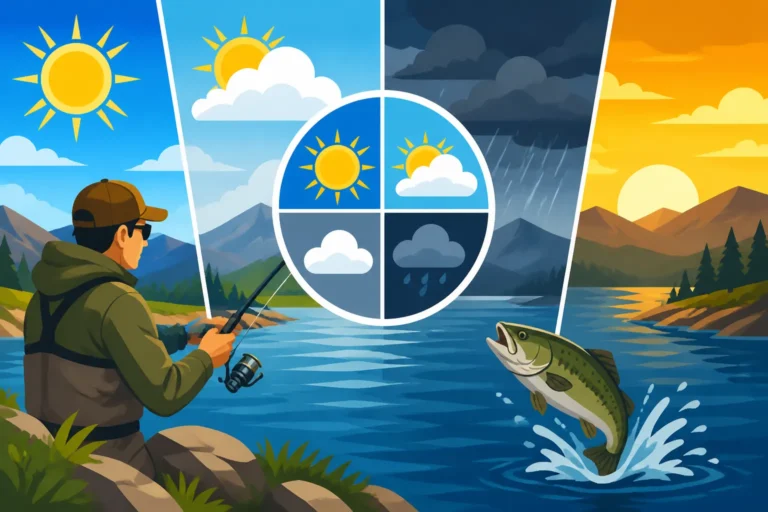
Wyoming's seasons dramatically alter fish behavior and accessibility of different waters. What works in July often won't in October, and the nuances between lake and river responses to these changes are pronounced. Understanding these seasonal shifts is key to consistent success. You can find a broader overview in Wyoming Fishing Seasons Month by Month, but here we'll dive into how lakes and rivers differ.
Spring Runoff and Early Season Strategies
Spring in Wyoming is a time of transition, often marked by "runoff" in rivers and slowly warming waters in lakes.
- Rivers: Spring runoff, driven by melting snowpack, can turn many rivers into roaring, muddy torrents. This makes fishing incredibly challenging, if not impossible, due to high water, fast currents, and poor visibility. During this period, experienced river anglers often pivot to tailwaters, which tend to have more regulated flows and clearer water due to dam releases. These sections can be fantastic in early spring, before the full brunt of runoff, as fish are often very active after a long winter. The key during this challenging time is to focus on slower, deeper pockets of water near the banks, or in eddies, where fish can escape the main current. Large, dark nymphs or streamers can be effective, as fish rely more on scent and vibration in murky water. For the most part, Is Runoff Season a Bad Time to Fish Wyoming Rivers? Yes, unless you target specific conditions or tailwaters.
- Lakes: Lakes and reservoirs, especially lower elevation ones, begin to thaw and warm earlier than high-mountain streams. As the ice recedes, shallow bays and shorelines are often the first to warm, attracting baitfish and hungry trout. This can be a fantastic time for shore fishing or targeting cruising fish in the shallower zones. As the water continues to warm, fish become more active. Early season on lakes is often about finding that warming water and corresponding activity. Trolling close to the ice edge or in newly opened water can also be incredibly effective for species like Rainbow Trout and Cutthroat that seek out warmer zones.
Summer's Bounty: High Water Temps and Hatches
Summer brings the most consistent and often busiest fishing conditions to Wyoming, but anglers still need to be mindful of water temperature and fish behavior.
- Rivers: As runoff subsides and rivers drop and clear, the true bounty of Wyoming's rivers emerges. This is prime dry fly season, with consistent hatches of caddis, mayflies, and stoneflies. Trout become very active, feeding on the surface during hatches, making for exciting sight-fishing opportunities. However, as summer progresses, particularly in late July and August, lower elevation rivers can experience higher water temperatures. This can stress trout, making them sluggish and vulnerable. During these times, focus your fishing efforts during cooler parts of the day – early mornings and late evenings. Consider targeting higher elevation streams and tributaries where water temperatures remain cooler. Fishing Wyoming During a Heat Wave means seeking out cooler, oxygenated water.
- Lakes: Summer is peak season for many of Wyoming's larger lakes and reservoirs. Fish, particularly cold-water species, will often move to deeper, cooler water as surface temperatures rise. This means successful summer lake fishing often involves Trolling Techniques for Wyoming Reservoirs at depth, or jigging over deep structure. Warm-water species like Walleye, Smallmouth Bass, and Perch will be very active and can be targeted around structure, points, and weed beds. High mountain lakes truly shine in summer, as they become fully accessible and offer incredible fishing for Cutthroat, Golden, and Brook Trout in stunning settings. This is often the Best Time of Day to Fish in Summer Heat for these high-altitude gems.
Fall Migrations and Pre-Ice-Up Patterns
Fall is a favorite season for many Wyoming anglers, offering a unique blend of changing conditions and aggressive fish.
- Rivers: Fall is synonymous with brown trout migrations. As temperatures drop, brown trout become incredibly active and aggressive, moving upstream from lakes and larger river sections to spawn. This is prime time for Streamer Fishing for Wyoming Brown Trout, as they are looking for large, protein-rich meals. Other trout species also become more active, feeding heavily to pack on weight before winter. The colors of the foliage, crisp air, and often less crowded waters make for an unforgettable experience. Focus on deeper pools, undercut banks, and spawning areas (but be mindful not to disturb actively spawning fish). This is often the Best Time of Year to Fish the North Platte River for trophy fish.
- Lakes: As fall progresses, lake turnover occurs, mixing the water column and often reinvigorating shallower water fishing. Trout will move shallower again, actively feeding on baitfish and insects. This period leading up to "ice-up" can be incredibly productive for trolling or casting spoons and stickbaits from shore. Many species, like Kokanee Salmon at Flaming Gorge Reservoir, also begin their spawning runs, congregating in specific areas, which can offer unique fishing opportunities. However, as winter approaches, fish will gradually move deeper again, preparing for the cold months. Fishing Wyoming Reservoirs Before Ice-Up can be fantastic for those willing to brave the chilly conditions.
Navigating Specific Wyoming Waters: Real-World Examples
Theoretical knowledge is one thing, but applying it to real-world locations in Wyoming truly brings it to life. The state offers an incredible diversity of fisheries, each with its own character and best approach. Let's look at a few contrasting examples to solidify the lake vs. river technique discussion.
The North Platte River vs. Flaming Gorge Reservoir
These two iconic Wyoming fisheries offer a perfect study in contrasts, demanding entirely different approaches.
The North Platte River, particularly its famed Miracle Mile and Gray Reef sections, is a world-renowned tailwater trout fishery. Here, you're almost exclusively targeting trout (Rainbows, Browns, Cutthroat, and their hybrids).
- River Technique Focus: This is a fly fishing paradise. Nymphing is often the most consistent producer, due to the abundant subsurface insect life. Anglers often drift multiple fly rigs under indicators, meticulously mending lines to achieve perfect, drag-free drifts. During hatches, dry flies can be incredibly effective, and streamer fishing shines for larger browns, especially in the fall. Spin fishing with small spinners, spoons, or soft plastics can also work, but the highly selective nature of these trout often favors fly presentations. Reading the water and understanding where fish hold in the currents is paramount. For example, The Miracle Mile Stretch of Wyoming's North Platte River is famous for its intricate current seams and deep runs where trout stack up.
- Gear: Light-to-medium weight fly rods (5-6 wt) are standard, with matching floating lines, tapered leaders, and fine tippets. For spin fishing, a sensitive 6-7 ft rod with 4-6 lb line is appropriate.
- Access: Mostly wade fishing in accessible sections, or drift boat trips to cover longer stretches.
Flaming Gorge Reservoir, on the other hand, is a massive, deep interstate reservoir known for its trophy Lake Trout (Mackinaw), Kokanee Salmon, and Smallmouth Bass.
- Lake Technique Focus: Trolling is king here for lake trout and kokanee. Anglers use downriggers, lead core, and large spoons or tube jigs to target fish at specific depths, often 50 to 100+ feet down. Electronics (fish finders, sonar) are essential for locating structure and fish schools in the vast waters. Jigging for Lake Trout (Mackinaw) Fishing in Wyoming is also very popular, dropping heavy jigs or spoons directly over marked fish. For Smallmouth Bass, casting crankbaits, jerkbaits, or soft plastics around rocky points and submerged structure is effective. Shore fishing can be productive for smaller trout and bass near developed areas or creek mouths.
- Gear: Heavy trolling rods, specialized reels with line counters, and heavy braided or lead core line are necessary for deep-water trolling. For bass, medium-heavy spinning or baitcasting setups.
- Access: Primarily boat-based fishing to cover the immense size of the reservoir.
High Mountain Lakes vs. The Snake River
Here's another great contrast: the serene, often remote high-alpine lakes versus the powerful, iconic Snake River.
Wyoming's High-Alpine Lakes are typically found above 9,000 feet, often requiring a hike to access. They are pristine, cold, and offer a unique, tranquil fishing experience. These are primarily trout fisheries, often stocked with Golden Trout Fishing in Wyoming, Cutthroat Trout, and Brook Trout.
- Lake Technique Focus: These lakes are often fished from shore or by wading in. Spin fishing with small spoons or spinners is effective, as is bait fishing with worms or PowerBait. Fly fishing can be exceptional, with techniques like indicator nymphing, stripping small streamers (e.g., Woolly Buggers), or fishing dry flies during a summer hatch of callibaetis or terrestrials. The key is often stealth and precise presentation in the clear, often shallow water. Learning How to Fish a Wyoming Mountain Lake From Shore is invaluable here.
- Gear: Pack light! A collapsible spinning rod, ultralight spinning gear, or a 3-5 weight packable fly rod. Minimal tackle is preferred for backpacking.
- Access: Foot or horse travel only.
The Snake River, flowing through the stunning Jackson Hole valley, is a large, braided freestone river famous for its native Fine-Spotted Cutthroat Trout and breathtaking scenery.
- River Technique Focus: Fly fishing is dominant here, with a strong emphasis on floating from drift boats or rafts. Dry fly fishing, especially with large attractor patterns (like Chernobyl Ants or Chubbies) or matching the prolific stonefly and caddis hatches, is a highlight. Nymphing under an indicator or with a dry-dropper rig is also highly effective. Spin fishing with spoons or spinners can work, but again, fly fishing tends to be the preferred and most effective method for these wild cutthroat. The Snake River Fishing Guide provides great detail on this.
- Gear: 5-6 weight fly rods are standard, with floating lines and appropriate leaders for larger dries or nymph rigs. For spin fishing, a 6-7 ft medium-light rod.
- Access: Primarily guided or private drift boat trips, though some public wade access exists.
Boysen Reservoir vs. Local Streams
Finally, let's consider a large multi-species reservoir versus the numerous smaller, local streams that crisscross Wyoming.
Boysen Reservoir, near Shoshoni, is one of Wyoming's largest and oldest reservoirs, a warm-to-cold water fishery famous for its Walleye Fishing in Wyoming, Rainbow Trout, and Sauger.
- Lake Technique Focus: For walleye, jigging techniques for Walleye at Boysen Reservoir are incredibly popular, often using jigs tipped with minnows or plastics, especially in cooler water. Trolling crankbaits or spinner rigs with bottom bouncers is also very effective for covering water and finding active walleye. For trout, trolling spoons or stickbaits, or bait fishing with PowerBait or worms from shore, can produce.
- Gear: Medium to medium-heavy spinning or baitcasting gear, with 8-15 lb line. Fish finders are crucial for locating walleye.
- Access: Primarily boat-based, with several boat ramps and extensive shore access available, like Boysen Reservoir's Best Walleye Water.
Local Streams throughout Wyoming – from small tributaries of larger rivers to remote mountain creeks – offer accessible and often overlooked fishing. These are typically home to smaller trout species like Brook Trout, Rainbows, and Cutthroat.
- River Technique Focus: These smaller waters are ideal for wade fishing with ultralight spinning gear or light fly rods. Dry fly fishing with small attractor patterns (like Parachute Adams or Elk Hair Caddis) can be exceptional, as fish are often less selective than in larger rivers. Short casts, stealthy approaches, and accurate presentations are key. Spin fishing with tiny spinners or spoons (size 0 or 1) can also be very effective. Bait fishing with worms is a classic and highly productive method for these eager fish, especially for beginners.
- Gear: Ultralight spinning rods (4-5 ft) with 2-4 lb line, or 2-4 weight short fly rods (6-7.5 ft). Minimal tackle is usually sufficient.
- Access: Mostly wade fishing, often requiring bushwhacking or finding public easements.
Advanced Tips and Troubleshooting for Challenging Conditions
Even the most experienced anglers face tough days on the water. Wyoming's dynamic weather, varied hydrology, and sometimes finicky fish can present significant challenges. Knowing how to adapt and troubleshoot can turn a frustrating day into a productive one, whether you're on a vast lake or a tight river. It's about being prepared and flexible.
Adapting to Wind and Weather on Lakes
Wind is perhaps the biggest enemy of a lake angler, but it's also a reality you have to contend with in Wyoming. Strong winds can make boat control difficult, create choppy conditions, and make accurate casting nearly impossible. However, wind also has its benefits, creating current, pushing baitfish, and often triggering feeding frenzies.
- Boat Control: When trolling in the wind, a bow-mounted electric trolling motor with GPS "spot-lock" or a good kicker motor can be invaluable for maintaining a consistent speed and direction. If you're drifting, a drift sock or sea anchor can slow your drift and keep your boat oriented properly. Sometimes, using the main engine to "back troll" can give you superior boat control in choppy conditions, allowing you to present jigs or baits vertically.
- Casting Challenges: For shore anglers or those casting from a boat, wind makes accurate casting tough. Try to cast with the wind if possible to gain distance. If casting into the wind, use heavier lures or weighted flies to punch through the gusts. A stiffer rod can also help. Focus on low, powerful casts to minimize wind interference.
- Fish Location: Wind often creates "wind lanes" or "current breaks" on lakes, pushing plankton and baitfish to one side, which in turn attracts predators. Look for the "dirty side" of the lake where wind has piled up nutrients. Fish might also move to the calmer, lee side of points or islands to escape the turbulence. Pay attention to how wind affects fishing on Wyoming Reservoirs.
- Safety First: Beyond fishing strategy, never underestimate the power of wind and waves on large lakes. Always check the weather forecast before heading out, wear your PFD, and be prepared to head for sheltered water or shore if conditions become unsafe.
Overcoming Low Water and Spooky Fish in Rivers
Low water conditions, often experienced in late summer or during drought years, can present significant challenges on rivers. Fish become more concentrated, wary, and easily spooked.
- Stealth is Paramount: In low, clear water, fish have excellent visibility. Approach fishing spots cautiously, staying low and out of their line of sight. Avoid heavy footsteps on the bank or wading through prime holding water. Make longer casts to avoid getting too close.
- Finesse Tactics: Downsize your flies, lures, and leader/tippet. Use fluorocarbon leaders for invisibility. Present smaller, more subtle patterns that mimic sparse insect activity. For fly fishing, think tiny nymphs, emergers, and small dry flies. For spin fishing, micro-spinners or small, unweighted soft plastics.
- Target Deeper, Shaded Water: Fish will retreat to the deepest pools, undercut banks, and heavy cover (like logjams) to escape predators and find cooler water. Focus your efforts on these refuge areas. Fishing early in the morning or late in the evening when light is low can also be more productive.
- Finding Alternative Waters: If a particular river or section is severely impacted by low water, consider seeking out tailwaters (where flows are regulated by dams) or higher elevation streams that might still have adequate water levels. The Green River below Flaming Gorge Dam often fishes well even when other rivers are low.
- Respect the Fish: In extreme low water and high temperatures, fish can be severely stressed. Consider limiting your fishing or practicing strict Catch and Release Best Practices for Trout, handling fish minimally and releasing them quickly.
The Importance of Conservation and Ethical Angling
Beyond techniques and gear, being a responsible angler is crucial, especially in a place like Wyoming with its wild and pristine fisheries. Ethical angling practices ensure that these incredible resources remain healthy for future generations.
- Know and Follow Regulations: Always carry a copy of the current Wyoming Fishing Regulations Every Angler Should Know and understand the specific rules for the waters you're fishing, including bag and possession limits, bait restrictions, and special regulations like barbless hook requirements on certain stretches of rivers. Check for in-season emergency closures as well.
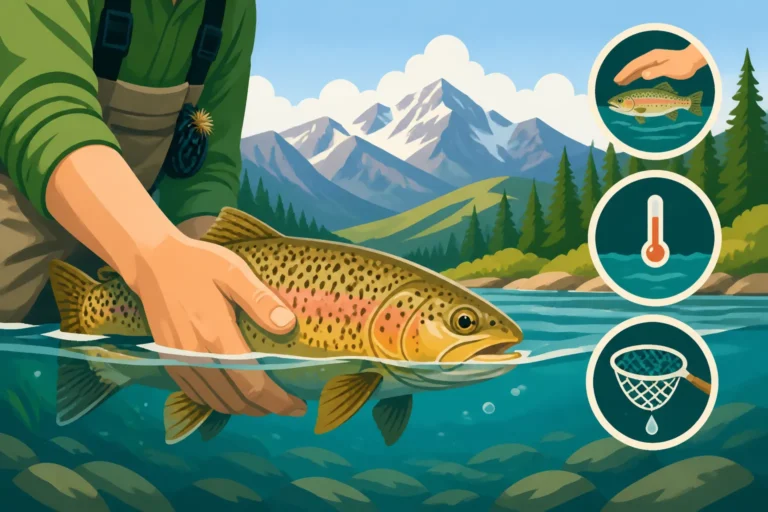
- Practice Catch and Release: For fish you don't intend to keep, practice proper catch and release to maximize their survival. This means minimizing fight time, handling fish with wet hands, keeping them in the water as much as possible, and using barbless hooks to reduce injury. Avoid "playing" fish to exhaustion.
- Prevent Invasive Species: Clean, Drain, Dry! Always clean your boat, waders, and gear thoroughly between fishing trips, especially when moving between different bodies of water. This prevents the spread of aquatic invasive species like whirling disease or zebra mussels, which can devastate fisheries. Wyoming requires boat inspections for invasive species for a reason.
- Pack It In, Pack It Out: Leave no trace. Take all your trash, including fishing line, hooks, and bait containers, with you. Better yet, pick up any litter you find.
- Respect Wildlife and Other Anglers: Wyoming is home to incredible wildlife. Maintain a respectful distance and never harass animals. Be courteous to other anglers on the water, giving them plenty of space.
By embracing these advanced tips and upholding ethical angling practices, you'll not only become a more skilled angler but also a better steward of Wyoming's extraordinary natural heritage.
| Technique Category | Primary Environment | Target Species Examples | Key Gear/Considerations | Typical Approach |
|---|---|---|---|---|
| Fly Fishing | Rivers (Tailwaters & Freestones) | Trout (Rainbow, Brown, Cutthroat) | Wt-Fwd Floating Line, Nymphs, Dry Flies, Streamers, Waders | Wade/Drift Boat, Reading Currents |
| Spin Fishing | Rivers & Lakes (Shore/Boat) | Trout, Bass, Perch, Walleye | Spinners, Spoons, Small Crankbaits, Soft Plastics, Sensitive Rod | Casting & Retrieval, Covering Water |
| Trolling | Lakes & Reservoirs | Lake Trout, Kokanee, Walleye, Larger Trout | Downriggers, Lead Core, Large Spoons, Stickbaits, Sonar | Boat-based, Depth Control, Covering Large Areas |
| Jigging | Lakes & Reservoirs | Lake Trout, Walleye, Perch | Heavy Jigs, Soft Plastics, Live Bait, Sonar, Vertical Presentation | Boat-based, Targeting Structure/Schools |
| Bait Fishing | Rivers & Lakes (Shore/Boat) | Trout, Catfish, Perch, Walleye | Worms, PowerBait, Minnows (where legal), Bottom Rigs, Bobbers | Stationary, Patience, Scent |
| Stillwater Fly Fishing | Lakes & High-Alpine Lakes | Trout (Rainbow, Cutthroat, Brook, Golden) | Sinking Lines/Indicators, Chironomids, Leeches, Balanced Flies | Float Tube/Wade/Shore, Depth & Retrieve |
Disclaimer
The information provided in this guide is for general informational purposes only. Fishing regulations in Wyoming can change frequently. Always consult the most current Wyoming Game and Fish Department regulations booklet or website before heading out to fish. Compliance with all state and local laws is the angler's responsibility.