Best Wyoming Reservoirs for Walleye
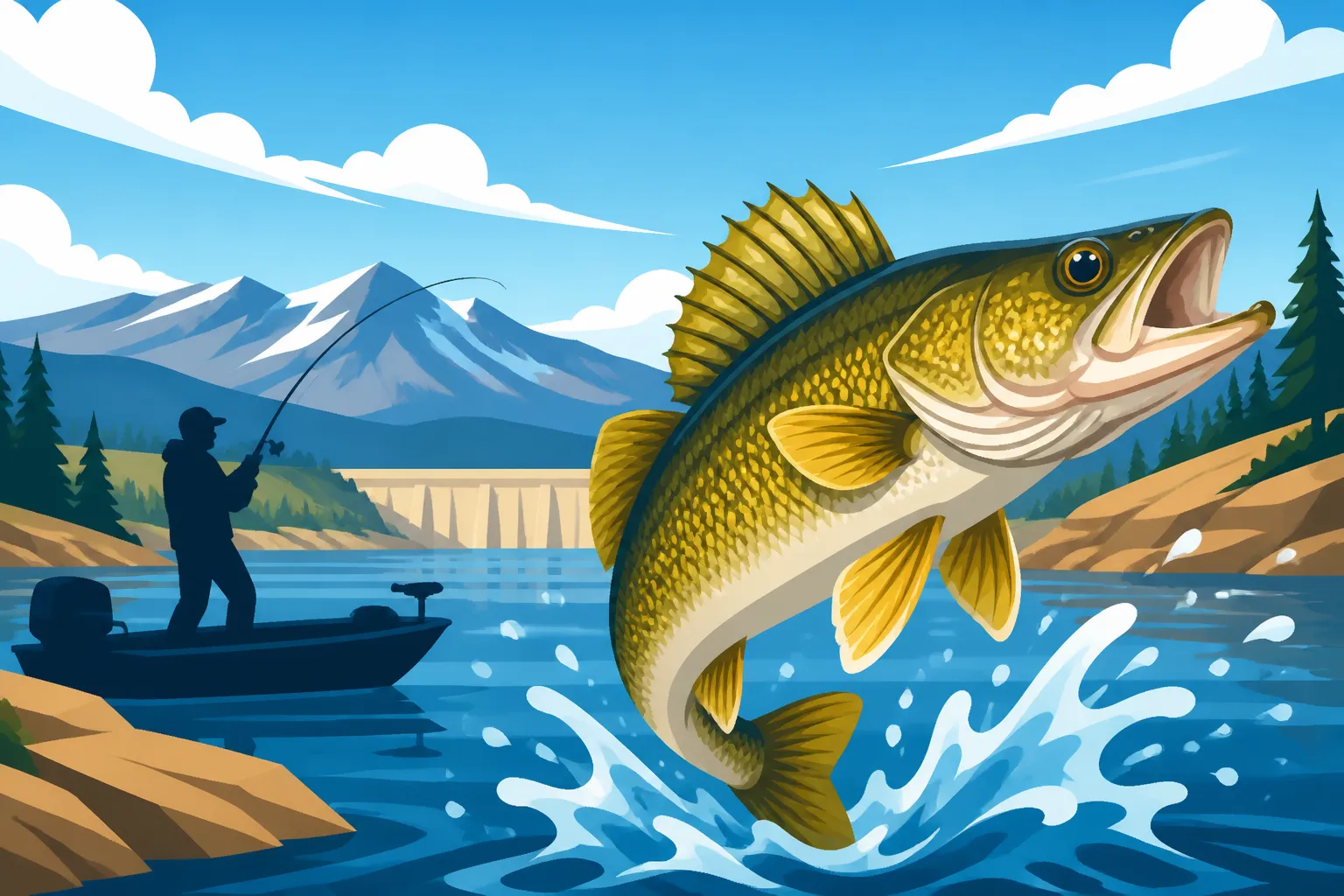
Finding good walleye fishing in Wyoming can sometimes feel like hunting for a needle in a haystack, especially if you're used to the walleye hotbeds of states further east. But trust me, the Cowboy State has some absolutely fantastic walleye fisheries if you know where to look. This guide is all about cutting through the noise and pointing you directly to the best reservoirs in Wyoming where you can chase those elusive, delicious walleye, offering insights into why they thrive there, where to find them, and what techniques actually work.
Understanding Wyoming's Walleye Landscape
Walleye are one of those fish that truly get under your skin. They're notoriously finicky, but when you crack the code, the reward of a solid stringer or a trophy-sized 'eye is incredibly satisfying. While Wyoming might be famous for its trout streams, our reservoirs offer incredible opportunities for those willing to learn the nuances of walleye fishing in a high-desert environment.
Why Walleye Thrive in Certain Wyoming Waters
Walleye aren't just thrown into any body of water; they need specific conditions to truly flourish, especially for reproduction and growth. In Wyoming, this usually means large, turbid reservoirs with abundant forage and suitable spawning habitat. Our larger reservoirs, fed by mighty rivers, often provide that perfect blend of rocky main lake points, submerged humps, and vast flats where walleye can roam and ambush prey. They appreciate a bit of murk in the water, which helps them use their superior low-light vision to their advantage, especially when chasing baitfish. The Wyoming Game and Fish Department also plays a crucial role, often stocking walleye fingerlings to supplement natural reproduction and maintain healthy populations, ensuring these reservoirs remain prime walleye destinations for years to come. It’s a delicate balance of natural conditions and careful management that makes these spots so productive.
Walleye Behavior and What They Eat
Understanding what makes a walleye tick is half the battle, and it really comes down to their predatory nature and preference for low light. Walleye are ambush predators, often holding tight to structure or subtle changes in depth, waiting for an unsuspecting baitfish to swim by. Their eyes are incredibly adapted for low light, which is why you often hear about walleye being more active during dawn, dusk, or even through the night. They're also quite sensitive to direct sunlight, another reason they'll often retreat to deeper, darker water during the brightest parts of the day.
When it comes to their diet, What Walleye Eat in Wyoming Lakes is primarily small fish. Young perch, shiners, kokanee salmon, and even smaller walleye make up a significant portion of their diet in our reservoirs. They'll also readily consume invertebrates like leeches and crayfish, especially when they're younger or when baitfish are scarce. This varied diet means they'll respond to a wide array of presentations, from imitating a struggling baitfish to mimicking a bottom-dwelling crustacean. Knowing what the primary forage is in a particular reservoir can give you a huge advantage in selecting the right lure and presentation. And let me tell you, it's fascinating to observe how quickly How Fast Walleye Grow in Wyoming Reservoirs when they have an abundant food source, often reaching impressive sizes within just a few years.
Boysen Reservoir: The Walleye Powerhouse
If you're asking local anglers where to find walleye in Wyoming, Boysen Reservoir is almost always the first name out of their mouths. It's consistently one of the state's top producers for both numbers and size, making it a must-visit for any serious walleye enthusiast.
Why Boysen Stands Out for Walleye
Boysen Reservoir is located near Shoshoni, nestled at the mouth of the Wind River Canyon. This massive body of water, formed by the Boysen Dam on the Wind River, boasts an incredible amount of diverse structure, making it a walleye angler's dream. You've got everything from steep rocky cliffs to long, sloping points, submerged humps, and vast, relatively shallow flats. The Wind River itself flows into and out of the reservoir, creating current seams and bringing in nutrients that support a robust forage base, including yellow perch, emerald shiners, and even some kokanee salmon. The water clarity can vary, often having that perfect stained-to-slightly-turbid condition that walleye adore. This combination of size, varied structure, abundant food, and favorable water conditions creates an ideal environment for walleye to not only survive but truly thrive, growing into substantial sizes.
Key Fishing Areas and Access at Boysen
Boysen is a big place, so narrowing down where to start can be daunting. The good news is, walleye can be found throughout the reservoir, but certain areas consistently hold more fish. The upper end of the reservoir, especially where the Wind River enters, is a popular spot, particularly during the spring spawn and early summer. The current and structure here make it prime walleye real estate. As the season progresses, fish tend to move to deeper main lake points, submerged humps, and the vast flats that dominate the central and lower parts of the reservoir.
Consider exploring the areas around Brannon's Camp, Cottonwood Bay, and Tough Creek. These spots offer good access, whether you're launching a boat or fishing from shore. For boat anglers, focusing on contours, breaklines, and any distinct changes in bottom composition using your electronics is key. If you're looking for Boysen Reservoir's Best Walleye Water, definitely put these areas on your list. Shore anglers can find success near points and along rip-rap sections, especially during low light periods or when fish move shallow to feed.
Prime Times and Techniques for Boysen Walleye
Boysen Reservoir offers walleye action pretty much year-round, but certain seasons shine brighter. Spring, particularly April and May, is prime for pre-spawn and spawning walleye near the river inlets and shallower rocky areas. Water temperatures dictate much of this activity. Early summer sees fish spread out more, often moving to deeper main lake structure. Fall is another fantastic time, as fish aggressively feed to bulk up for winter, often moving shallower again. Winter brings a thriving ice fishing scene, with anglers targeting suspended walleye over deeper basins or near structure.
When it comes to techniques, a versatile approach is best. Jigging for Walleye at Boysen Reservoir is a classic, especially with jigs tipped with minnows, worms, or soft plastics. Trolling crankbaits, particularly deep-diving models, is incredibly effective for covering water and finding active fish, especially during summer and fall. Bottom bouncers with spinner rigs or slow-death hooks are also Boysen favorites. Don't forget vertical jigging spoons or blade baits, particularly during ice fishing or when fish are concentrated on specific structures. For many anglers, Best Month for Walleye at Boysen Reservoir is often October, right before ice-up, as the fish are hungry and often in predictable patterns. Keep an eye on local fishing reports to get a real-time pulse on what's working and remember that Best Size Walleye to Keep at Boysen Reservoir can vary depending on regulations, so always check the current rules.
Glendo Reservoir: Consistency and Size
Glendo Reservoir, situated in southeastern Wyoming, is another consistent producer of quality walleye and has a well-earned reputation for delivering good numbers of healthy fish, with real potential for a true trophy.
Glendo's Reputation for Robust Walleye
Glendo State Park, surrounding the reservoir, is a popular destination, and for good reason beyond just its camping and recreation. The reservoir itself is known for its relatively stable water levels and a fantastic forage base, particularly gizzard shad. This abundance of shad provides a rich diet for walleye, allowing them to grow quickly and attain impressive sizes. The reservoir's structure, while perhaps not as complex as Boysen, offers plenty of main lake points, submerged river channels, and flats that walleye love. It's also a highly managed fishery, with the Game and Fish Department regularly stocking walleye, further ensuring its productivity. The consistent growth and availability of forage mean that anglers often find a healthy population of walleye in various size classes, from eater-sized fish to legitimate wall-hangers.
Hot Spots and Access Points at Glendo
Glendo is fed by the North Platte River, which is a major factor in its productivity. The old river channel that winds through the reservoir is a primary target for many walleye anglers, as fish will often relate to its edges and bends. Look for this channel on your boat's electronics, especially where it meets main lake points or humps. The area near the dam is another perennial hotspot, particularly during spring and early summer when fish are often concentrated there. Mid-lake humps and rocky points, especially those with quick access to deeper water, are also worth investigating.
Access to Glendo is excellent, with multiple boat ramps available throughout Glendo State Park, including Two Moon, Sandy Beach, and Whiskey Gulch. For those without a boat, shoreline fishing can be quite productive, especially around rocky points and causeways. Fishing the points that extend into the main lake from the various camping areas can yield good results, particularly around dawn and dusk. Just make sure to scout the area beforehand to understand the depth changes and potential structure.
Seasonal Approaches and Effective Lures for Glendo
Glendo is known for a strong spring bite, especially from late April through June, when walleye are actively feeding and moving shallower. This is a fantastic time for jigging and casting crankbaits or jerkbaits along rocky points and flats. As summer heats up, walleye will often move deeper, making trolling deep-diving crankbaits or bottom bouncers with crawler harnesses a highly effective strategy. Target the deeper edges of the river channel and mid-lake humps during this period. Fall can be outstanding as well, with fish becoming very aggressive, similar to Boysen.
For the adventurous, Best Season to Fish Glendo Reservoir also extends into winter, with ice fishing often producing some excellent catches. Walleye will hold over deeper basins or near submerged structure, responding well to vertical jigging spoons tipped with a minnow head. When it comes to specific lures, anything that imitates a shad can be deadly – think silver, white, or chartreuse crankbaits. Jigs in darker colors like black or purple, tipped with a live minnow or a soft plastic, are also consistently productive. Remember to match the hatch in terms of lure size to the size of the shad in the reservoir for optimal results.
Keyhole Reservoir: Northeast Wyoming's Gem
Tucked away in the northeast corner of Wyoming, near Devils Tower, Keyhole Reservoir offers a unique and often rewarding walleye fishing experience. It might not get as much press as Boysen or Glendo, but it's a solid choice for anglers seeking walleye in a different landscape.
What Makes Keyhole a Walleye Favorite
Keyhole Reservoir is characterized by its sprawling, relatively shallow nature and often stained to turbid water. This unique environment, with its numerous bays, coves, and submerged timber, provides excellent habitat for walleye and their prey. The reservoir's geology is fascinating, with red sandstone formations dominating the shoreline, contributing to the distinct color of the water. This turbidity, as we discussed earlier, is a walleye angler's friend, allowing the fish to be more active during daylight hours than in clearer waters.
The forage base at Keyhole is diverse, including yellow perch, fathead minnows, and various sunfish. This abundance of food contributes to healthy walleye populations, and while Keyhole might not produce the sheer numbers of some other reservoirs, it certainly offers the potential for some very respectable-sized fish, especially for those who learn its intricacies. It’s a place where patience and understanding the nuances of the water can pay off big time.
Productive Sections and Shoreline Access at Keyhole
Keyhole Reservoir, like many walleye waters, has its preferred areas. The deeper main lake points and rocky areas near the dam are always good starting points, especially during the spring spawn. The Piney Creek arm, which feeds into the reservoir, can also be particularly productive, especially after rain events or during periods of higher flow, as it washes in nutrients and baitfish. The various bays and coves, often filled with submerged timber or rock piles, offer excellent ambush points for walleye.
Keyhole State Park provides ample access, with multiple boat ramps and designated fishing areas. For shore anglers, walking the rocky points and casting into the various bays can be quite effective. The areas around Pat's Point, Cottonwood Campground, and the Sandy Beach area are good options for finding access. Anglers often appreciate that Fishing Keyhole Reservoir for Walleye and Crappie can mean a double-header, as crappie populations also thrive here, offering another exciting species to target if the walleye are being particularly stubborn. Just remember that navigating the reservoir with a boat requires attention, especially given the varying water depths and potential for submerged hazards.
Best Strategies for Keyhole Walleye
The stained water at Keyhole means that walleye can be more active during daylight hours, but dawn and dusk are still prime times. Spring and fall are generally considered the best seasons for walleye here, as fish move shallower to feed and spawn. Vertical jigging is a highly effective strategy, especially over submerged humps, rock piles, or along the edges of drop-offs. Tipping your jig with a piece of crawler or a minnow can often entice a bite when artificials alone aren't cutting it.
Crankbaits are also very effective, particularly those with a strong vibration and rattle to help fish locate them in the turbid water. Bright colors like chartreuse, orange, or firetiger often perform well here. Slip bobbers, suspending a live minnow or a leech over structure, can be deadly when fish are reluctant to chase or when you're targeting specific spots. During the summer, trolling crankbaits or bottom bouncers along contours can help you cover water and locate schools of fish. Don't be afraid to experiment with retrieve speeds and depths until you find what triggers a strike.
Pathfinder and Seminoe Reservoirs: Trophy Potential in Central Wyoming
Moving into central Wyoming, Pathfinder and Seminoe Reservoirs, often fished in conjunction, present incredible opportunities for those looking for genuinely large, even trophy-sized, walleye. These are vast, rugged waters that demand respect, but the rewards can be immense.
Pathfinder's Deep Water Walleye Challenges and Rewards
Pathfinder Reservoir is one of Wyoming's largest and most impressive impoundments, known for its deep, clear waters and sometimes challenging fishing conditions. It's not a numbers lake in the same way Boysen can be, but when you hook into a walleye here, it often has shoulders. The walleye in Pathfinder tend to grow big, likely due to a healthy population of kokanee salmon and other baitfish, providing a rich, high-calorie diet.
The challenge lies in locating these fish in such a vast, deep expanse. Walleye here often relate to submerged timber, deep humps, and the original river channel of the North Platte. This isn't a place for the faint of heart or those without good electronics. But for anglers willing to put in the time to learn its intricacies, the reward of a true trophy walleye is a very real possibility. While it might be intimidating, knowing that Is Pathfinder Reservoir Good for Walleye? for truly big fish can be enough motivation for many dedicated anglers.
Seminoe's Structure and Habitat for Walleye
Just downstream from Pathfinder, Seminoe Reservoir offers a slightly different, though equally productive, walleye environment. Seminoe is also a large, deep lake, but it features more exposed rocky points, dramatic cliff faces, and numerous islands and submerged structures that provide excellent cover and ambush points for walleye. The reservoir's varied bottom contours, from rocky reefs to sandy flats, cater to different walleye behaviors throughout the year. Like Pathfinder, Seminoe's walleye benefit from a strong forage base of kokanee, perch, and various minnow species, allowing for excellent growth rates.
Access to Seminoe is available through Seminoe State Park, offering boat ramps and some shoreline fishing opportunities, though its sheer size makes a boat almost essential for serious walleye pursuits. The rugged beauty of Seminoe is a bonus, making for a truly spectacular backdrop to your fishing adventure.
Tactics for Bigger Walleye in Central Reservoirs
Fishing Pathfinder and Seminoe for trophy walleye often requires a deep-water approach, especially during the warmer months. Trolling large, deep-diving crankbaits is a go-to method for covering water and targeting fish suspended over deep structure or along breaklines. Downriggers can be invaluable here for consistently presenting lures at precise depths where the walleye are holding. Pay close attention to your fishfinder; these reservoirs often require you to "hunt" for schools of walleye or baitfish.
Vertical jigging with heavy spoons or blade baits can also be effective when you locate fish concentrated on humps or points. Large soft plastics rigged on heavy jig heads, mimicking kokanee or large minnows, can entice bigger fish. Live bait, particularly large minnows or suckers, fished on a bottom bouncer or a slip bobber rig, can be deadly for these larger, more discerning walleye. During the spring, look for fish to move shallower onto rocky points and flats to spawn. Fall is another excellent time, as fish aggressively feed before winter sets in. Always be prepared for changing weather conditions on these big, exposed bodies of water, which can turn from calm to chaotic quickly.
Essential Gear and Tips for Wyoming Walleye Success
No matter which Wyoming walleye reservoir you choose to explore, having the right gear and a few tried-and-true strategies can make all the difference between a frustrating day and a successful outing.
Rods, Reels, and Line for Walleye
For walleye fishing, versatility is key. You'll want a rod that's sensitive enough to detect those subtle walleye bites but has enough backbone to set the hook firmly and fight a good-sized fish.
- Rods: A medium-light to medium-heavy spinning rod, typically in the 6'6" to 7'6" range, is a great all-around choice. A fast action tip will give you the sensitivity you need for jigging and detecting light bites, while the stronger mid-section provides power. If you're doing a lot of trolling, a medium-action casting rod, often 7 to 8 feet long, can be beneficial for managing heavier lines and lures. Brands like St. Croix or Fenwick offer excellent options that are highly regarded by walleye anglers. You can often find great deals on these rod types on platforms like Amazon, which makes equipping yourself much easier.
- Reels: A reliable spinning reel in the 2500-3000 series is perfect for most applications. Look for a smooth drag system and a good retrieve ratio. For casting setups, a low-profile baitcasting reel with a robust gear system is ideal for trolling or working heavier presentations.
- Line: Your line choice depends on the technique. Braided line (10-20 lb test) is excellent for jigging due to its sensitivity and lack of stretch, but always tie on a fluorocarbon leader (6-12 lb test) to provide invisibility and abrasion resistance. For trolling with crankbaits, monofilament (10-14 lb test) with its stretch can be forgiving, or use fluorocarbon for better depth control and sensitivity.
Top Lures and Baits for Wyoming Walleye
Walleye can be picky, so having a diverse tackle box is crucial.
- Jigs: These are fundamental. Lead head jigs in various weights (1/8 oz to 1 oz) and colors (chartreuse, orange, white, black, purple) are essential. Tip them with live bait (minnows, nightcrawlers, leeches) or soft plastic trailers like paddle tails, grubs, or minnow imitations.
- Crankbaits: Both shallow-diving and deep-diving crankbaits are necessary. Brands like Rapala (Shad Raps, Deep Husky Jerks) and Berkley (Flicker Shads) are perennial favorites. Choose colors that mimic local forage (shad, perch, silver minnows) or bright, contrasting patterns for stained water (firetiger, hot pink).
- Bottom Bouncers: For trolling or drifting, bottom bouncers paired with spinner rigs or slow-death hooks are incredibly effective. Use brightly colored beads and small spinner blades, tipped with a piece of nightcrawler. This setup allows you to present bait right in the strike zone along the bottom.
- Blade Baits & Spoons: For vertical jigging, especially in colder water or through the ice, blade baits (like a Cicada or Vib-E) and jigging spoons (like a Northland Buck-Shot Rattle Spoon) can be very productive. They have a distinct flash and vibration that can trigger reaction strikes.
- Live Bait: Don't underestimate the power of live bait. Minnows (shiners, fatheads), nightcrawlers, and leeches are often the most reliable option, especially when fish are lethargic. You can find excellent selections of jigs and crankbaits, as well as tackle boxes and other essential accessories, readily available on Amazon to stock up before your trip.
General Walleye Fishing Strategies
- Use Your Electronics: A good fishfinder with side imaging or down imaging is your best friend on large reservoirs. Learn to identify structure, baitfish schools, and even individual walleye. Pay attention to depth, water temperature, and bottom composition.
- Slow Down: Walleye are rarely chasing bait at high speeds. Slower presentations are often more effective. This applies to jigging, trolling, and even retrieve speeds for crankbaits.
- Relate to Structure: Walleye are almost always associated with some form of structure – whether it's a rocky point, a submerged hump, the edge of a river channel, or a timber pile. Find the structure, and you'll find the fish.
- Low Light Advantage: Embrace dawn, dusk, and even night fishing. These are prime times for walleye, especially in clearer waters or during warmer months.
- Adapt and Experiment: Don't be afraid to change lures, colors, depths, or techniques if what you're doing isn't working. Walleye moods can change quickly, and what worked yesterday might not work today. Keep a log of your successes and failures to learn patterns over time.
- Check Regulations: Always, always check the current Wyoming fishing regulations for bag limits, possession limits, and any water-specific rules for the reservoir you're fishing. Wyoming Fishing Regulations Every Angler Should Know is a good starting point, and remember that Wyoming's Combined Possession Limit Explained can be a little tricky if you're keeping multiple species.
Comparing Wyoming's Top Walleye Reservoirs
To help you decide where to focus your walleye efforts, here's a quick comparison of the top reservoirs we've discussed:
| Reservoir Name | Primary Forage | Typical Water Clarity | Key Structure | Best Seasons | Avg. Walleye Size | Trophy Potential | Shore Access | Boat Access |
|---|---|---|---|---|---|---|---|---|
| Boysen Reservoir | Perch, Shiners, Kokanee | Stained to Turbid | River arm, Points, Humps | Spring, Fall, Ice | Good (15-20") | Excellent | Good | Excellent |
| Glendo Reservoir | Gizzard Shad | Moderate to Stained | River channel, Dams, Humps | Spring, Summer, Fall | Good (16-22") | High | Good | Excellent |
| Keyhole Reservoir | Perch, Minnows | Stained to Turbid | Bays, Timber, Points | Spring, Fall | Moderate (14-18") | Good | Moderate | Good |
| Pathfinder Reservoir | Kokanee, Perch | Clear to Moderate | Deep Humps, Timber, Channel | Spring, Fall | Large (18-25"+) | Exceptional | Limited | Good |
| Seminoe Reservoir | Kokanee, Perch | Clear to Moderate | Rocky points, Islands, Humps | Spring, Summer, Fall | Large (18-24"+) | High | Limited | Good |
Remember, conditions can vary year to year depending on water levels, weather, and stocking efforts. Always do your homework before heading out, and don't hesitate to check in with local tackle shops for the most current information. Happy walleye hunting!
Disclaimer
This article is for general informational purposes only and does not constitute professional advice. Laws, prices and regulations vary by location and change over time. Consult a qualified professional for guidance on your specific situation.