Can You Bring Your Own Boat and Still Hire a Guide?
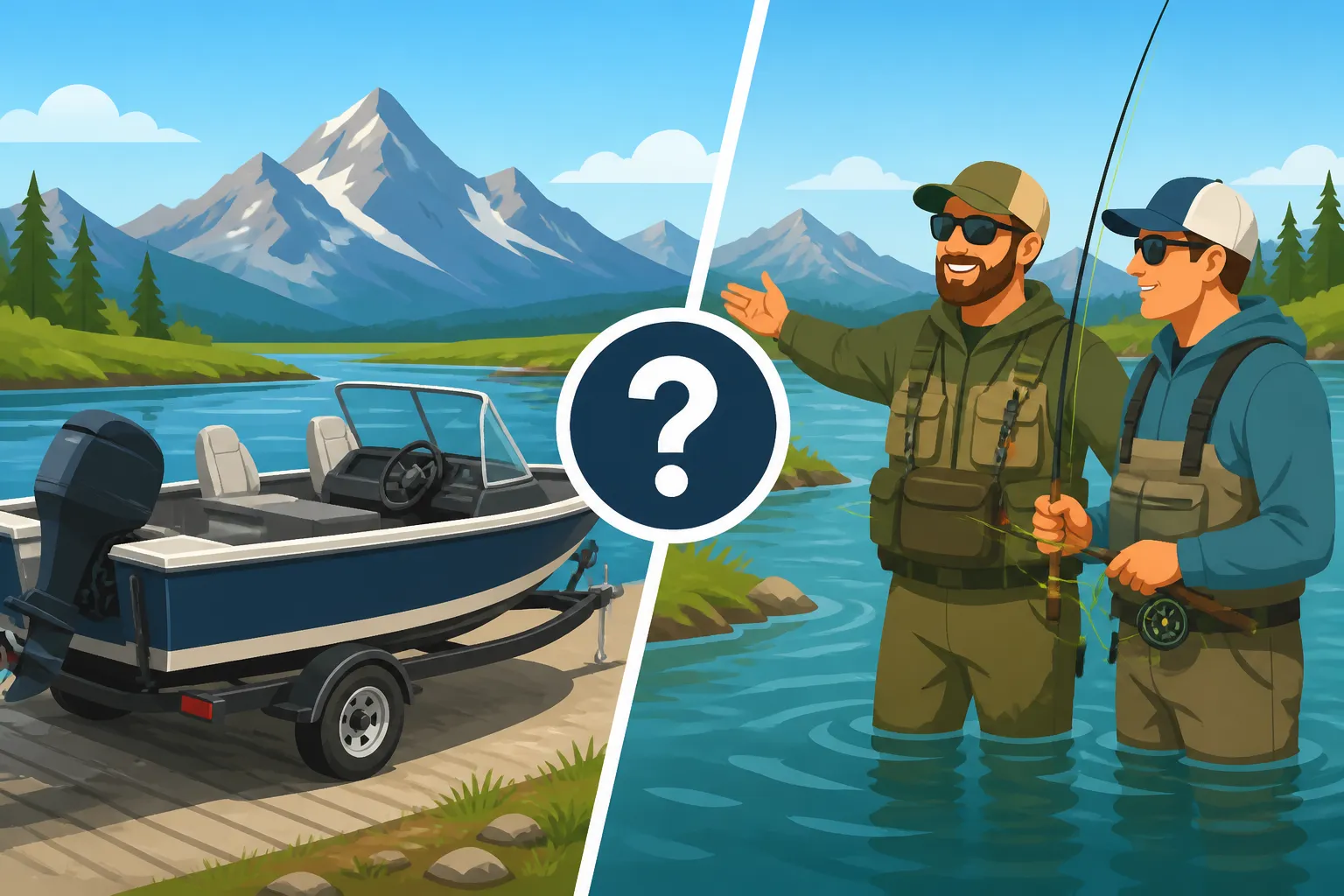
It's a common dilemma for passionate anglers heading to Wyoming: you love the idea of a guided fishing trip to unlock those secret spots and local wisdom, but you also have a boat you know and trust, maybe even one specifically rigged for how you like to fish. You're left wondering if you can combine the best of both worlds – your own vessel with a seasoned guide at the helm (or at least directing the show). This guide will dive deep into the practicality, logistics, and often unspoken considerations of bringing your own boat on a guided fishing adventure in the Cowboy State.
Why Anglers Consider Their Own Vessel for a Guided Trip
The thought of using your own boat with a fishing guide isn't just about saving a buck, though that can be a part of it. For many, it's about comfort, familiarity, and leveraging an investment they've already made. You've spent countless hours in your boat, you know its quirks, its capabilities, and exactly where everything is stowed.
The Comfort and Familiarity Factor
Imagine stepping onto a boat that's a total stranger to you. The rods are in different holders, the electronics are alien, and you're constantly asking, "Where's the net?" or "How do I adjust this seat?" Now, picture yourself on your own boat. You know every nook and cranny. Your preferred tackle is exactly where you left it. The casting deck feels like an extension of your body. This level of comfort can significantly reduce mental friction, allowing you to focus purely on the fishing itself, absorbing the guide's advice without also trying to navigate a new environment. For those who might experience sea sickness or just prefer their own familiar setup, this comfort isn't just a luxury; it can make or break the entire experience. It's about feeling at home on the water, even when you're exploring new territory.
Specialized Equipment and Personal Preferences
Many anglers have invested heavily in their boats and the specific gear they house. Maybe you have a state-of-the-art sonar system you've mastered, or a particular trolling setup that's taken years to perfect for specific species like lake trout in Flaming Gorge or walleye at Boysen Reservoir. Perhaps your boat is uniquely configured for bowfishing, or has a specific livewell system for tournaments. You might have custom rod holders, specialized electronics, or an advanced GPS-enabled trolling motor that a guide's standard boat might not feature. If your personal fishing style relies on these specific tools, it's perfectly natural to want to integrate them into your guided experience. It ensures you're fishing with the tools you're most effective with, allowing the guide to focus on strategy and location rather than teaching you how to use unfamiliar equipment. This is especially true if you're targeting specific fish or using advanced Trolling Techniques for Wyoming Reservoirs.
Potential Cost Considerations (and Misconceptions)
While some anglers hope to save money by providing their own boat, the reality can be more nuanced. It's true that a guide won't have to cover the cost of their boat's fuel, maintenance, or depreciation on that particular trip, but their time, expertise, and operational costs remain. Guides often factor their vessel into their overall business model, so simply removing it doesn't always translate to a huge discount.
However, there can be situations where a guide might offer a reduced rate if they don't have to launch their own boat, especially for multi-day trips or if your boat significantly streamlines their operation. It might also allow you to stretch your budget further by reallocating what you might have paid for a boat rental toward a longer guided session or more premium tackle. The best approach is always to communicate openly about your expectations regarding cost when you're initially discussing the trip. Don't assume a discount; inquire about the possibility. Understanding What a Guided Wyoming Fishing Trip Costs typically involves the guide's entire setup, so adjusting that expectation is key.
Navigating the Logistics: What to Expect When Bringing Your Boat
So, you're set on bringing your own rig. Great! But hold your horses (or your boat trailer) – there are several practical and regulatory hoops to jump through. This isn't always a standard offering, so communication and clarity are paramount.
Communication is King: Discussing with Your Guide Upfront
This is perhaps the single most important step. Never assume a guide will be willing or able to operate from your boat. Many guides have meticulously outfitted their own vessels for commercial operations, considering safety, client comfort, and specific fishing techniques. They might have commercial insurance that only covers their own boat, or their permits (especially for national parks like Grand Teton or Yellowstone) might be tied to a specific vessel.
When you contact a potential guide, make this request clear and early. Explain why you'd like to use your boat (comfort, specific gear, etc.) and provide details about your vessel: type (drift boat, bass boat, center console), length, motor size, and any relevant amenities or limitations. Be prepared for a "no" – and respect it. However, many guides are flexible, especially if your boat is suitable for the water you plan to fish and if it simplifies their day. Websites like FishingBooker can be helpful here, as they often allow direct messaging with guides where you can pose these questions before booking. This upfront conversation will save everyone time and potential disappointment.
Insurance, Liability, and Legalities
This is where things can get tricky, and it's not a topic to gloss over. When a guide operates their own commercial vessel, they carry specific insurance policies that cover their clients and their equipment. When they step onto your private boat, the lines of liability can blur significantly.
- Your Boat Insurance: Does your personal boat insurance policy cover commercial operations, even if you're not the one guiding? Some policies might have clauses that void coverage if the boat is used for hire or for commercial purposes, even if you're technically the "client" but the guide is operating it. You might need to contact your insurance provider to clarify this.
- Guide's Insurance: A reputable guide will have liability insurance. You need to ask if their policy extends to cover them while operating a client's vessel. Some policies are strictly tied to their owned or commercially operated boats.
- Permits and Licenses: In Wyoming, guides need specific outfitter and guide licenses. Additionally, some waters (especially federal lands like those managed by the Bureau of Land Management or Forest Service, or specific rivers like the North Platte) require commercial operating permits for guiding. These permits might be tied to the guide's specific commercial vessel and might not transfer to a client's private boat. A knowledgeable guide will be able to explain these nuances. It's always a good idea to understand License Requirements for Booking a Wyoming Fishing Guide and ensure your chosen guide is legitimate and properly insured. You can also ask How to Verify a Wyoming Guide Is Licensed.
It's wise to have an open discussion about liability with your guide. You might even consider a simple written agreement outlining responsibilities if both parties agree to proceed with your boat. Better safe than sorry when you're on the water.
What the Guide Will Need from You
If your guide agrees to use your boat, they'll likely have some specific requirements or expectations. This isn't just about showing up with a full tank of gas, though that's a good start!
- Boat Preparedness: Your boat should be in excellent working order. This includes all safety equipment (life jackets for everyone, throw cushion, first-aid kit, fire extinguisher), navigation lights if applicable, and a fully charged battery. Ensure your motor is running smoothly, and any specific electronics you want to use are functional. The guide isn't there to fix your boat.
- Fuel and Supplies: Expect to cover all fuel costs for the day, as it's your vessel. Discuss with your guide if they have preferences for specific lures, baits, or tackle that you should have on hand, or if they'll bring their own. Often, guides will bring a selection of their most trusted gear, even if you're using your own rods and reels.
- Access and Launching: You'll be responsible for getting your boat to the launch point and launching it. The guide can assist, but the primary responsibility lies with you. Discuss launch times, specific ramps, and any parking considerations.
- Clean, Drain, Dry: Wyoming takes aquatic invasive species very seriously. Make sure your boat, trailer, and all gear are thoroughly Cleaned, Drained, and Dried before launching into any Wyoming waters. This is not just good practice; it's often legally required, and inspection stations are common, especially for Fishing Wyoming's Reservoirs Before Ice-Up or during peak season.
Pros and Cons: Using Your Boat vs. the Guide's Boat
To help you decide if bringing your own vessel is truly the right move, let's weigh the advantages and disadvantages.
Advantages of Using Your Own Boat
- Ultimate Comfort and Familiarity: As discussed, nothing beats the feeling of fishing from your own perfectly configured rig. You know where everything is, how it handles, and you're comfortable in its space.
- Utilize Your Specific Gear: You've invested in your electronics, your trolling setup, your specialized rod holders. This allows you to integrate those tools with the guide's expertise, potentially enhancing your fishing experience.
- No Rental Hassles: You avoid the process, cost, and potential limitations of renting a boat at a new location.
- Tailored Experience: Your guide can teach you techniques and tactics on your specific boat, which can be invaluable for replicating success on future solo trips. This can be a game-changer for learning advanced Fly Fishing Techniques for Wyoming Trout Streams if your boat is a drift boat, or Jigging for Walleye at Boysen Reservoir if you have a decked-out bass boat.
- Flexibility (Sometimes): If your boat is suitable for a wider range of conditions or has unique features (like a shallow draft for certain river sections or a robust motor for big lakes), it might open up options that the guide's standard boat wouldn't allow, though this is rare.
Disadvantages and Potential Drawbacks
- Limited Guide Availability: Many guides prefer to use their own boats. Finding one willing to use yours might narrow your options significantly. You may need to use platforms like FishingBooker to filter guides or directly message them with this specific request.
- Liability and Insurance Issues: This is a major hurdle. The legal and financial implications can be complex if an accident occurs on your boat with a guide operating it.
- Potential for No Cost Savings: Don't go into it expecting a huge discount. The guide's expertise is the primary cost, not always the boat itself.
- Guide's Familiarity: The guide might not be as familiar or comfortable with your boat's operation as they are with their own. This could lead to minor delays or less efficient maneuvering, especially on technical waters like those on the North Platte River.
- Wear and Tear: Your boat will undergo the rigors of a guided trip, which could involve heavy use, traveling to new and potentially challenging ramps, and carrying more gear and people than usual.
- Safety Equipment: You're responsible for ensuring your boat meets all safety regulations for the number of people on board, including the guide. The guide will verify this.
Here’s a quick comparison to summarize:
| Feature/Consideration | Using Your Own Boat | Using the Guide's Boat |
|---|---|---|
| Comfort/Familiarity | High, you know your boat intimately | Low, new boat with unfamiliar setup |
| Equipment | Utilize your own specialized gear and electronics | Use guide's gear, may not match your preferences |
| Cost Savings Potential | Possible, but not guaranteed; usually minor if any | None, boat cost is integrated into guide's fee |
| Guide Availability | Limited; requires specific agreement from guide | High; standard practice for most guides |
| Liability/Insurance | Complex; requires clear understanding and potential checks | Clearer; guide's commercial insurance typically covers trip |
| Boat Prep/Maintenance | Your responsibility to ensure excellent working order | Guide's responsibility |
| Guide's Familiarity | Guide may need time to adapt to your boat's handling | Guide is highly familiar and efficient with their own boat |
| Learning on Your Gear | Direct application of guide's tips to your setup | Learning on different gear, requiring adaptation later |
Finding a Guide Willing to Work with Your Boat
Alright, you've weighed the pros and cons, and you're ready to find that special guide who will welcome you and your boat. It might take a little more legwork, but it's definitely possible.
Starting Your Search and Asking the Right Questions
The initial search phase is critical. Don't just pick the first guide you see. Instead, dedicate some time to researching guides who specialize in the type of fishing you want to do (e.g., fly fishing on the Snake River, trolling for Lake Trout, etc.) and the specific body of water.
When you reach out, whether by phone or email, be upfront and clear about your request. Here are some key questions to ask:
- "Are you open to guiding from a client's boat, specifically my [describe your boat type, length, and motor]?"
- "What are your general requirements or conditions for doing so?"
- "How does this affect your pricing structure, if at all?"
- "Can you clarify your insurance coverage when operating a client's vessel?"
- "Are there any specific permits for [the intended fishing location] that would prevent you from guiding from my boat?"
- "What safety equipment do I need to ensure is onboard for the trip, beyond what I typically carry?"
Websites like FishingBooker allow you to message guides directly, which is perfect for this kind of detailed inquiry. You can explain your situation, describe your boat, and get a direct answer before committing to a booking.
What to Look for in a Flexible Guide
Not every guide is suited for this arrangement. Look for certain qualities that indicate they'd be a good fit:
- Experienced and Adaptable: A guide with many years on the water is more likely to be adaptable to different boat types and situations. They won't be thrown off by the subtle differences between your boat and theirs.
- Clear Communicator: Someone who responds to your detailed questions with clear, direct answers, especially regarding insurance and permits, is a good sign. Vague responses should be a red flag.
- Customer-Focused: Guides who prioritize the client's experience might be more willing to accommodate reasonable requests like using your boat, especially if it genuinely enhances your comfort and enjoyment. This aligns with the overall goal of Hiring a Fishing Guide in Wyoming – to make your trip successful and enjoyable.
- Knowledge of Specific Waters: Ensure the guide is deeply familiar with the waters you plan to fish, particularly if you're using a boat that might have limitations (e.g., a large bass boat on a small, rocky mountain lake, or a small drift boat on a huge reservoir). They should be able to advise if your boat is even practical for the target location. Don't forget to review Reading the Wyoming Fishing Regulations Booklet to understand any water-specific rules that might impact your setup.
The Trade-Off: Sometimes Using Their Boat is Just Better
While the allure of using your own boat is strong, there will be times when a guide firmly (and rightly) recommends using their vessel. They might have a boat specifically designed for certain conditions, like navigating shallow river stretches, handling big waves on large reservoirs, or equipped with specific electronics for deep-water trolling.
For instance, if you're planning a float trip down a technical river like the Snake River below Jackson Lake Dam, a guide's specialized drift boat will offer superior maneuverability and safety compared to many personal motorboats or even some smaller rafts. Or if you're targeting big lake trout in Flaming Gorge, a guide's boat might be set up with multiple downriggers and specific sonar that your recreational boat lacks.
Sometimes, the slight inconvenience of fishing from an unfamiliar boat is a small price to pay for the guide's expertise, local knowledge, and optimized equipment. Always consider their professional recommendation, especially when fishing challenging waters or specific techniques. You can learn a lot from What to Bring on a Guided Wyoming Fishing Trip even if you decide to use your guide's boat, as it highlights key gear considerations.
Ultimately, the decision to use your own boat with a guide in Wyoming boils down to open communication, thorough planning, and a mutual understanding of expectations and responsibilities. While not always feasible, when it works, it can create a truly memorable and personalized fishing adventure.
Disclaimer
This article is for general informational purposes only and does not constitute professional advice. Laws, prices and regulations vary by location and change over time. Consult a qualified professional for guidance on your specific situation.