Best Outfitters for Wind River Range Backcountry Trips
The call of Wyoming's Wind River Range is undeniable for any angler who dreams of casting a line into pristine, high-alpine lakes teeming with native trout. But let's be honest, the thought of actually getting to those remote, breathtaking spots can feel incredibly daunting. It's not just a walk in the park; it's a true wilderness expedition, complete with navigation challenges, unpredictable weather, and the ever-present question of how to pack enough gear (and yourself) into such rugged terrain. This guide will walk you through why a reputable outfitter is often your best bet for a successful and safe Wind River Range backcountry fishing trip, and what to look for when choosing one.
The Unique Challenge and Reward of Wind River Range Backcountry Fishing
Fishing in the Wind River Range isn't your typical roadside pull-off experience. This vast and magnificent wilderness, encompassing parts of the Bridger-Teton and Shoshone National Forests, is renowned for its remote beauty, jagged peaks, and thousands of high-alpine lakes and streams. These waters are often home to incredible populations of trout, including native cutthroat, brook trout, and the elusive golden trout. The challenge, however, lies in its very remoteness.
Accessing these areas means days of hiking, often through unmarked trails, over passes, and across streams. You're deep in bear country, far from cell service, and subject to rapid weather changes that can go from sunny and warm to hail and snow in a matter of hours, even in summer. For many anglers, especially those with limited backcountry experience or who simply want to maximize their fishing time rather than focus on logistics, this presents a significant barrier. You want to focus on the tug on your line, not worrying about getting lost or if you packed enough dehydrated meals for another unexpected night. That's where a seasoned outfitter becomes an invaluable partner. They bridge the gap between your angling dreams and the logistical realities of the Wind River wilderness, making those otherwise inaccessible waters a tangible reality.
Why a Guided Trip is Different in the Wind Rivers
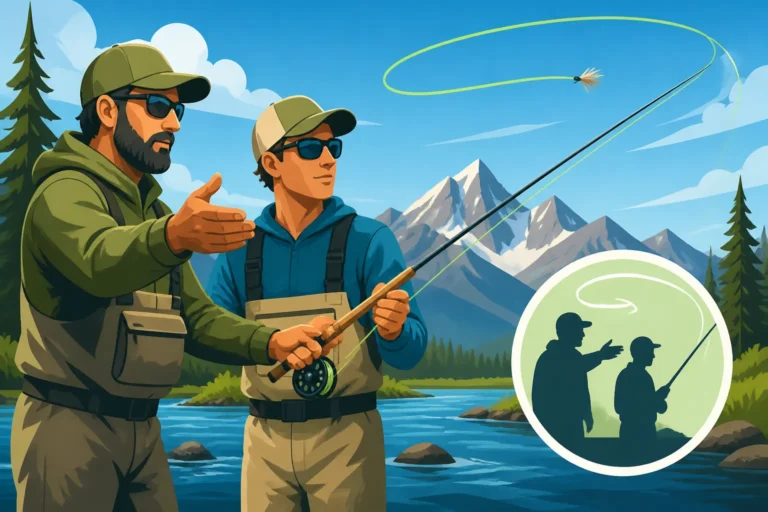
When we talk about "guided trips" in other parts of Wyoming, we might be picturing a drift boat on the North Platte or a wade trip on the Snake River. But in the Wind River Range, a guided trip, especially a backcountry one, takes on a whole new meaning. It's less about simply showing you where to cast and more about orchestrating an entire expedition.
These outfitters are the logistical masters of the mountains. They arrange everything from packing in supplies with horses or mules to navigating the complex terrain and ensuring your safety. Imagine being able to hike into a remote basin, knowing your tent, cooking gear, and fresh food are already waiting for you, packed in by experienced wranglers. This allows you to focus your energy on the strenuous hiking and, most importantly, the incredible fishing. Without an outfitter, planning a multi-day backcountry fishing trip here often means months of intense preparation, significant investment in specialized gear, and a high degree of navigational and wilderness survival skills. An outfitter doesn't just guide your cast; they guide your entire journey into one of North America's wildest landscapes.
The Allure of Pristine, Unpressured Waters
One of the biggest draws to hiring an outfitter for a Wind River Range trip is the promise of fishing waters that see very little pressure. While popular trailheads might have a few more day hikers, the lakes and streams deep within the wilderness areas often offer a solitude that's hard to find elsewhere. This means less competition for prime fishing spots and, often, more aggressive and less wary fish.
These high-altitude lakes are often crystal clear, allowing for incredible sight fishing opportunities. Imagine spotting a vibrant Golden Trout Fishing in Wyoming cruising the shallows or a hefty brook trout rising to a dry fly in an untouched pool. Outfitters know exactly which lakes hold which species, and more importantly, they know the secret spots and the best times to target them. Their deep, generational knowledge of these drainages is truly what unlocks the best fishing experiences, allowing you to bypass trial and error and get straight to the action. It's the difference between hoping to find fish and knowing you're putting your line in front of them. For anyone who's ever dreamed of an authentic wilderness angling adventure, this is the pinnacle.
Choosing the Right Outfitter for Your Wind River Adventure
Selecting the right outfitter for your Wind River Range backcountry fishing trip is crucial, as it will directly impact the safety, enjoyment, and success of your adventure. This isn't a decision to rush. You're entrusting them with a significant investment of time, money, and personal safety. You want someone with a proven track record, deep knowledge of the specific areas you wish to explore, and a philosophy that aligns with your own fishing goals and comfort level in the wilderness.
It's important to remember that not all outfitters are created equal, and their specialties can vary. Some might focus heavily on big game hunting, with fishing as a secondary offering, while others are truly dedicated to guiding anglers to those secluded high-country lakes. Doing your homework now will pay dividends when you're deep in the mountains, surrounded by nothing but breathtaking scenery and the promise of a memorable catch.
Key Considerations When Researching Outfitters
When you start looking for an outfitter, think about these crucial aspects:
- Experience and Reputation: How long have they been operating in the Wind River Range? Do they have a long history of successful fishing trips specifically? Check online reviews, testimonials, and look for any mentions on forums or blogs. A good outfitter will have a strong, positive reputation built over many years. Ask for references if possible.
- Permits and Licensing: This is non-negotiable. All legitimate outfitters operating on federal lands (like the national forests within the Wind River Range) must be properly licensed and permitted by the relevant agencies, such as the U.S. Forest Service. This ensures they meet safety standards, carry insurance, and adhere to wilderness regulations. Don't be shy about asking for proof of their permits. For more on what's required, you can check out What Makes a Guide Legal to Operate in Wyoming.
- Trip Specialization: Does the outfitter focus on fly fishing, spin fishing, or both? Do they target specific species like Brook Trout Fishing in Wyoming or those beautiful golden trout? Some outfitters might offer specific trips focused on Best Backpacking Fishing Lakes in the Wind Rivers or custom routes to explore multiple drainages. Make sure their specialty aligns with your angling interests.
- Inclusions: What's covered in the trip price? This can vary widely. Will they provide tents, sleeping pads, cooking gear, and meals? What about pack animals (horses/mules)? Do they include fishing gear (rods, reels, flies/lures) or expect you to bring your own? Clarify food arrangements—are meals hearty and prepared, or is it more of a basic camp setup where you might help more?
- Guide-to-Client Ratio: For safety and a quality experience, especially with technical fishing or difficult terrain, a lower guide-to-client ratio is often better. This ensures personalized attention and increased safety measures.
- Emergency Protocols: This is critical for remote backcountry trips. Ask about their communication devices (satellite phones, InReach devices), first aid certifications, and emergency evacuation plans. What happens if someone gets injured or severe weather rolls in unexpectedly?
Types of Backcountry Trips Available
Outfitters in the Wind River Range offer a few distinct types of backcountry fishing trips, each with its own level of comfort and physical demand:
- Horse Pack Trips: This is perhaps the most iconic Wind River experience. Pack animals carry the bulk of the gear, allowing you to hike with just a day pack. These trips can reach very remote areas, establish comfortable base camps, and often involve multiple days of fishing different lakes from a central location. It’s ideal if you want to explore deep into the wilderness without the burden of a heavy pack. You can learn more about these types of adventures in Overnight Pack Trips for Backcountry Fishing.
- Supported Backpacking Trips: Here, the outfitter might provide a guide and some communal gear, but you're still carrying your personal pack. The support comes in expert navigation, campsite selection, and often, gourmet backcountry cooking that's much better than your typical ramen and instant oatmeal. This is a good option if you enjoy backpacking but want the expertise of a guide for finding fish and staying safe.
- Fly-In Trips (Less Common for Wind Rivers Fishing): While not as prevalent for fishing in the Wind River Range itself due to wilderness area restrictions and limited landing strips, some outfitters might facilitate fly-ins to specific remote airstrips on the fringes of the range. Always confirm legality and access. These are more common in other wilderness areas of Wyoming but worth asking about if you're seeking extreme remoteness and have specific destination in mind.
Consider your fitness level, comfort with rugged camping, and desire for adventure when choosing the type of trip that's right for you. A seasoned outfitter can help you decide.
Preparing for Your Wind River Backcountry Fishing Trip
Once you've chosen your outfitter and booked your trip, the real excitement (and a little bit of anxiety) begins. The Wind River Range demands respect and preparation. This isn't a trip where you can just show up on day one and expect to be ready. Physical conditioning, mental readiness, and having the right personal gear are all paramount to ensuring you have a safe, enjoyable, and successful adventure. Your outfitter will provide a detailed packing list, but understanding the why behind each item and preparing your body and mind will make a world of difference.
Physical and Mental Conditioning
Even if you're going on a horse pack trip where your gear is hauled, you'll still be hiking at high altitudes, often over uneven terrain. For supported backpacking trips, you'll be carrying a significant pack for days.
- Physical Fitness: Start a fitness regimen well in advance. Focus on cardiovascular endurance (hiking, running, stair climbing) and leg strength. If possible, hike with a weighted pack on uneven trails to simulate conditions. The thinner air at 9,000-12,000 feet elevation is no joke, and being in good shape will help you acclimate and enjoy the experience rather than constantly fighting for breath.
- Mental Toughness: Be prepared for all types of weather, from brilliant sunshine to cold rain, hail, or even snow, often within the same day. Understand that you'll be disconnected from cell service and modern conveniences. Embrace the solitude and be adaptable. A positive attitude, even when faced with discomfort, is your best tool in the backcountry.
Essential Personal Gear and Tackle
Your outfitter will provide a comprehensive list, but here are some critical items to start thinking about for your personal kit:
- Layered Clothing: The key to comfort in the mountains. Think moisture-wicking base layers, insulating mid-layers (fleece or down), and a waterproof/windproof outer shell. Be sure to include warm hats, gloves, and extra socks. Rapid weather changes are the norm.
- Sturdy Hiking Boots: Broken-in, waterproof hiking boots with good ankle support are indispensable. You'll be crossing streams, climbing rocky trails, and navigating various terrains.
- Waders and Wading Boots: If your trip involves significant stream or lake wading, good quality waders are a must. Your outfitter might provide some, but confirm.
- Personal Tackle: Discuss with your outfitter what rods, reels, lines, flies, or lures are recommended. They'll know what's working best for the specific waters and species you'll be targeting. Don't forget nippers, forceps, and a landing net if you use one. You might want to brush up on What Gear to Pack for a Backcountry Fishing Trip.
- Sun Protection: High altitude means intense UV exposure. Bring a wide-brimmed hat, sunglasses (polarized are great for spotting fish), and high SPF sunscreen.
- Hydration: A good water bottle or hydration reservoir is essential. Your outfitter will likely have filtration systems, but personal water treatment tablets or a small filter can be a good backup.
- Small Personal First Aid Kit: While your guide will have a comprehensive kit, a small personal one for blisters, headaches, or minor cuts can be handy.
Booking Your Backcountry Fishing Adventure
The Wind River Range is a world-class destination, and the best outfitters book up quickly. Planning ahead is paramount, especially if you have specific dates or a particular type of trip in mind. Don't wait until the last minute, or you might find yourself settling for a less-than-ideal experience.
The booking process typically starts with research, moves to initial contact and discussion, and culminates in deposits and final preparations. Understanding each step will help you navigate the process smoothly and secure the trip of your dreams. It's an investment, so treat it with the same care you would any other major travel plan.
When and How to Book Your Trip
Booking a Wind River Range backcountry fishing trip often requires thinking far in advance, especially for prime summer and early fall dates.
- Book Early: It's not uncommon for top outfitters to be booked a year in advance, particularly for popular weeks in July, August, and September when the weather is generally more stable and the fishing is hot. If you're eyeing a specific outfitter or dates, reach out at least 9-12 months ahead of time.
- Initial Contact and Inquiry: Start by reaching out to a few potential outfitters. Many have websites detailing their offerings, but a phone call or email allows you to discuss your specific interests, ask questions, and gauge their responsiveness and personality. Be clear about your fishing goals, experience level, and any physical limitations.
- Customization: Many outfitters are flexible and can tailor trips to your group's size, desired duration, and target species. Want to spend an extra day chasing golden trout in a specific basin? Discuss these possibilities upfront.
- Deposits and Contracts: Once you've settled on an outfitter and a trip plan, you'll typically be asked for a deposit to secure your booking. Make sure to read the contract carefully, paying close attention to cancellation policies, payment schedules, and what's included versus what you're responsible for. How Much a Multi-Day Pack Trip Costs will depend on customization, duration, and inclusions.
Using Platforms for Research and Booking
In today's digital age, there are platforms that can help streamline your search for the perfect outfitter. While direct booking with the outfitter is always an option, sites like FishingBooker can offer a centralized place to browse, compare, and connect with various operations.
For example, FishingBooker allows you to search by location, activity (like backcountry fishing), and even read reviews from previous clients. This can be incredibly helpful when you're trying to find outfitters specializing in more niche experiences like a multi-day pack trip into the Wind River Range. You can filter by amenities, see what's included, and often send direct inquiries to several outfitters at once, saving you time and effort. It essentially acts as a discovery tool, letting you quickly survey the landscape of available guides and compare their offerings before you commit. It's a great way to start your search, especially when trying to find specialized services for unique destinations like the Wind River Range. Once you've narrowed down your choices, you can then delve deeper into direct communication with the outfitters to finalize details.
Final Questions and Confirmations
Before your departure, make sure all your questions are answered and details are confirmed.
- Detailed Itinerary: Get a clear understanding of your daily schedule, expected hiking distances, and target fishing locations.
- What to Bring: Reconfirm the exact packing list and clarify anything you're unsure about. This is especially important for Wyoming Fishing Seasons Month by Month and the associated weather changes.
- Meeting Point and Time: Know exactly where and when you're supposed to meet your outfitter.
- Contingency Plans: Discuss what happens in case of unforeseen circumstances like extreme weather or medical emergencies. Knowing the plan will ease your mind.
Embarking on a Wind River Range backcountry fishing trip with a reputable outfitter is an experience unlike any other. It’s an opportunity to connect with nature, challenge yourself, and fish some of the most stunning, untouched waters in Wyoming. With careful planning and the right partner, you'll create memories that last a lifetime.
Disclaimer
This article is for general informational purposes only and does not constitute professional advice. Laws, prices and regulations vary by location and change over time. Consult a qualified professional for guidance on your specific situation.