How to Teach a Kid to Fish in Wyoming
One of the greatest joys of living in or visiting Wyoming is sharing the beauty of its outdoors, and for many of us, that means passing on the love of fishing. But let's be honest, introducing a child to fishing isn't always the serene, Norman Rockwell-esque experience we imagine. It can be full of tangled lines, short attention spans, and the inevitable "I'm bored!" chorus. This guide is here to help you navigate those choppy waters and transform potential frustration into lasting memories, making your kid's first fishing experiences in Wyoming truly joyful and engaging.
Setting the Stage for Success: More Than Just Catching Fish
Teaching a child to fish in Wyoming isn't just about baiting a hook and waiting for a bite; it's about crafting an experience that resonates with their natural curiosity and energy. The foundation of a successful trip often lies in the planning, long before you even cast a line.
Choosing the Right Location and Time
Let's face it, kids have a different idea of "patience" than we do. A full day battling trophy trout on a technical river might be your dream, but for a youngster, it's often a recipe for boredom and meltdowns. The key here is to pick spots where success is likely and the environment is forgiving. Think small, accessible waters where fish are numerous and relatively easy to catch.
Stocked ponds and smaller, slower-moving creeks are your best friends when teaching kids. These spots are often managed by the Wyoming Game and Fish Department to provide readily available fish, usually rainbow trout, which are eager biters. Look for places with easy bank access, maybe even a picnic table or a restroom nearby, which makes the whole outing much more comfortable for everyone. Lakes like those often highlighted in resources like Best Kids' Fishing Ponds in Wyoming are perfect examples. The goal isn't to break state records, but to get a bend in the rod and a smile on their face. Keep the first few trips short – an hour or two is often plenty. You want them to leave wanting more, not dragging their feet because they're overstimulated or bored. Pay attention to prime fishing times, like early morning or late evening, when fish are more active, as discussed in What Time of Day You Can Legally Fish in Wyoming, to maximize their chances of a bite.
Gear That Fits Small Hands and Short Attention Spans
Overly complicated gear is the enemy of a beginner angler, especially a child. Forget the fancy fly rods or baitcasters for now. For kids, simplicity and durability are paramount. A spincasting reel (often called a push-button reel) is almost always the best choice. It's incredibly easy to use – just push a button, cast, and release. Many tackle manufacturers offer fantastic "kid combos" that include a rod, reel, and a small tackle box for a very reasonable price. You can find excellent, brightly colored beginner sets like these on platforms like Amazon, which make the gear itself exciting for kids.
When it comes to bait, forget the intricate fly patterns or complex lure presentations. Worms are king. They're natural, kids love digging them up (or at least watching them wiggle), and almost every fish will eat them. PowerBait, corn, or even hot dogs can also be incredibly effective and easy for kids to handle. A small bobber that actually moves when a fish bites adds immediate visual excitement. Make sure the tackle box is simple, maybe just a few hooks, sinkers, and bobbers. A designated Best Gear for Kids Fishing in Wyoming guide can help you further refine your choices. The less time spent untangling lines or fumbling with tiny knots, the more time they'll spend enjoying the experience.
The Art of the Catch: Simple Techniques and Patient Guidance
Once you've got the right spot and the right gear, it's time to get down to business. But remember, for kids, the "business" is often about the process and the little victories, not just the final result. Your patience and enthusiasm will be the most valuable tools in your tackle box.
Basic Casting and Retrieval: Making it Fun, Not Frustrating
Casting can be one of the biggest hurdles, especially with a spincasting reel. Start by practicing in the backyard with a simple weighted plug (or even just a washer tied to the line) before you even get to the water. This takes the pressure off and lets them get a feel for the rhythm. Make it a game! Set up targets, offer praise for every attempt, even if it's not perfect. "Great try! You almost hit the wading pool!" is far more effective than "No, no, that's not how you do it."
At the water, focus on small, gentle casts. For very young children, you might even do the casting for them and then hand them the rod to retrieve. Teach them to watch the bobber. That little red and white float is like a magic ball; when it disappears or starts dancing, that's the signal! Explain that they need to reel slowly, feeling for any bumps or tugs. The key is to keep it simple and celebrate every tiny success, from a decent cast to a smooth retrieve, even if no fish are involved. This builds confidence and makes them feel capable, which is crucial for fostering a lifelong love of the sport.
Hooking, Fighting, and Landing: The Thrill of the Tug
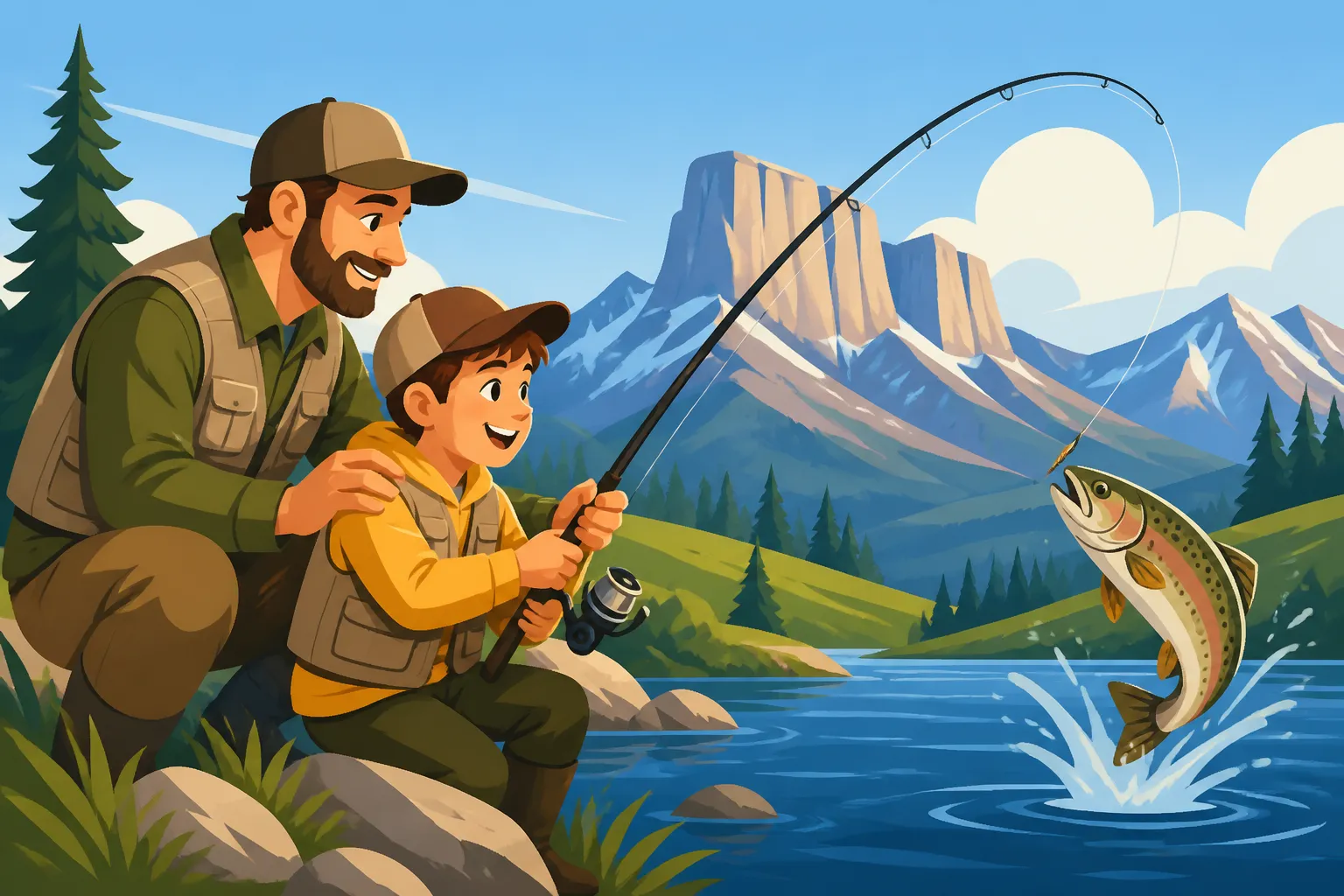
The moment a fish bites is pure magic for a child – and often for the adult watching! The instant the bobber dips or they feel that first tug, instinct often takes over, and they might yank too hard or reel too fast. This is where your calm guidance comes in. Teach them to gently lift the rod tip when they feel a bite to set the hook, without a huge, dramatic sweep that could send the fish flying. Then, it's all about keeping that rod tip up and reeling steadily.
Explain that the fish is strong, and it's a "tug-of-war." If the fish pulls, they let the rod bend, and when it eases up, they reel, reel, reel! This teaches them the fundamental principles of fighting a fish. When the fish is close, whether you're using a net or just guiding it to the bank, make it a moment of shared victory. High-fives are mandatory! For tips on how to safely manage the moment of truth, a guide like How to Set the Hook on a Trout Without Losing It can provide some excellent techniques. Landing a fish, especially for the first time, is an unforgettable experience, and you want to ensure it's a positive one, even if it's a small one. For catch-and-release, showing them how to gently remove the hook and return the fish to the water, perhaps with a quick photo, can be a profound lesson in respect for nature. You can find excellent advice on How to Land a Fish Without a Net for those moments when you're without one.
Responsible Angling: Learning Respect for the Resource
Fishing is more than just catching fish; it's about connecting with nature and understanding our role in protecting it. These are invaluable lessons to instill in children from a young age. Discuss the importance of only taking what you need and being mindful of How Bag and Possession Limits Work in Wyoming. This teaches them about sustainable harvesting and not being wasteful.
If you're practicing catch-and-release, show them how to handle fish gently, wet their hands, and quickly return the fish to the water. Explain that we want these fish to grow bigger and make more fish for future trips. Resources like Catch and Release Best Practices for Trout and How to Handle a Trout to Keep It Alive After Release offer crucial guidance here. Beyond the fish, teach them to "leave no trace." This means packing out all trash, including discarded fishing line (which can be deadly for wildlife). Show them how to properly dispose of old bait containers or snack wrappers. Even picking up a piece of litter that isn't yours can be a powerful example. You're not just teaching them to fish; you're teaching them to be stewards of Wyoming's incredible natural environment.
Beyond the Fish: Cultivating a Love for the Outdoors
A successful fishing trip with a child rarely hinges solely on the number of fish caught. It's about the entire experience – the adventure, the discovery, and the time spent together. Sometimes, the fish are just a bonus.
Snacks, Games, and Side Adventures: Keeping Engagement High
A hungry, thirsty, or bored child is not a happy angler. Always pack plenty of snacks and drinks, far more than you think you'll need. Think easy-to-eat items that provide quick energy. A cooler full of juice boxes and sandwiches can be a game-changer. Consider having a dedicated bag for What to Bring for a Family Fishing Day.
Beyond sustenance, remember that kids have boundless energy and curious minds. If the fish aren't biting, or if their attention starts to wane, pivot! Turn it into a nature walk. Look for interesting bugs, identify birds, skip rocks, or build a fort out of sticks. Bring a small magnifying glass and a notepad for observations. You could even bring a simple field guide (easily found on Amazon) to help identify local plants or wildlife. Make it an overall outdoor adventure where fishing is just one exciting part. The goal is to make the entire outing enjoyable, so they associate fishing with fun, not just endless waiting.
Safety First: Essential Preparations for Any Outing
Wyoming's beauty also comes with its own set of considerations, and safety should always be your top priority, especially with children around water. Before you even head out, do a quick safety check. Ensure everyone has appropriate clothing for the weather, including layers, as Wyoming weather can change rapidly. Hats, sunglasses, and plenty of sunscreen are non-negotiable, even on cloudy days.
If you're near deep or fast-moving water, or if your child isn't a strong swimmer, life jackets (PFDs) are absolutely essential. Even if they're just sitting on the bank, a slip can happen quickly. Keep a well-stocked first-aid kit on hand for minor scrapes, bug bites, or hook pokes. Discuss potential hazards like slippery rocks, swift currents, or unknown plants before you get to the water. Teach them to always ask for help with hooks and to never run near the water's edge. A little preparation goes a long way in ensuring a safe and stress-free outing for everyone.
Legalities and Licenses: Setting a Good Example
Part of being a responsible angler in Wyoming is understanding and adhering to the regulations. This is a perfect opportunity to teach children about rules, conservation, and why we have them. While the specifics can sometimes feel daunting, the basics are straightforward.
First and foremost, understand the licensing requirements. In Wyoming, Do Kids Need a Fishing License in Wyoming? depends on their age. Generally, resident children under a certain age can fish without a license, but it's crucial to know the exact cutoff, as detailed in resources like How Old You Have To Be To Fish Without a License in Wyoming. Non-resident youth may have different requirements. Even if your child doesn't need a license, you certainly will. Explain to them why we buy licenses – that the money goes back into stocking fish, improving habitats, and managing wildlife. It helps ensure there are fish for them to catch when they grow up. Always carry your valid license and know the specific rules for the water you're fishing. The Wyoming Game and Fish Department publishes an annual fishing regulations booklet (often available online or at license vendors), which you can reference with your child. Look up Wyoming Fishing Regulations Every Angler Should Know or Where to Find Current Wyoming Fishing Regulations for the most up-to-date information. Showing your child that you respect and follow these rules sets a powerful example for their future outdoor adventures.
Disclaimer
This article is for general informational purposes only and does not constitute professional advice. Laws, prices and regulations vary by location and change over time. Consult a qualified professional for guidance on your specific situation.