Does a Wyoming Fishing License Cover Bowfishing Too?
Navigating the ins and outs of fishing regulations in Wyoming can sometimes feel like trying to untangle a particularly stubborn fishing knot, especially when you venture into less common methods like bowfishing. Many anglers wonder if their standard Wyoming fishing license is enough, or if they need to jump through another hoop to enjoy this unique sport. This guide will cut through the confusion and explain exactly what you need to know about bowfishing and your Wyoming license.
Understanding Wyoming's General Fishing License Requirements
Before we dive into the specifics of bowfishing, it's helpful to understand what a typical Wyoming fishing license covers. For most anglers, a standard fishing license is their golden ticket to the state's incredible waters, whether they're casting a line in a blue-ribbon trout stream or dropping a hook into a high-alpine lake.
What a Standard Fishing License Entails
When you purchase a regular Wyoming fishing license, you're primarily getting authorization to engage in fishing by means of a rod, reel, and line with appropriate bait or lures. This covers the vast majority of recreational fishing activities, from fly fishing for cutthroats on the Snake River to still-fishing for walleye at Boysen Reservoir. The license fees help fund critical conservation efforts, fish stocking programs, and wildlife management across the state. It's essentially your contribution to keeping Wyoming's fisheries healthy and thriving for everyone. You can find detailed information about the different types and costs of licenses in our guide on Wyoming Resident vs Nonresident License Rules.
This license is typically required for anyone 14 years of age or older, with some specific exceptions. It’s important to carry your license with you when you’re out on the water, whether it’s a physical copy or an approved digital version on your phone, to ensure compliance if a Wyoming Game and Fish Department warden checks. Failure to do so can lead to Fines and Penalties for Common Fishing Violations, which nobody wants to deal with on a peaceful fishing trip.
Why Some Activities Have Specific Rules
Just like you can't use a hunting license for fishing, some specialized methods of taking fish, or even specific types of fish, might have additional regulations or require different considerations. Think about ice fishing—while it falls under a general fishing license, the techniques and equipment are vastly different from open-water fishing. Likewise, methods that deviate significantly from traditional hook-and-line angling often come with their own set of rules, primarily to protect certain species, ensure fair chase, and manage fish populations effectively. These special rules are rarely designed to make things more complicated, but rather to maintain the ecological balance and the integrity of the sport.
For instance, bowfishing involves a projectile weapon, which naturally brings a different set of safety and ethical considerations into play compared to simply casting a lure. The Wyoming Game and Fish Department (WGFD) has to consider the impact of such methods on game fish populations, the potential for non-target species harm, and public safety when setting these specific guidelines. These regulations are regularly reviewed and updated, so always make sure you're referencing the most current Wyoming Fishing Regulations Booklet before you head out.
Bowfishing in Wyoming: The Licensing Specifics
Now, let's get to the heart of the matter: does a Wyoming fishing license cover bowfishing? The answer, thankfully, is straightforward, but it comes with crucial caveats.
Yes, Your Standard Fishing License Does Cover Bowfishing
In Wyoming, you do not need a separate, additional license specifically for bowfishing. Instead, a valid Wyoming fishing license is required to engage in bowfishing activities. This means if you already have your annual, daily, or five-day fishing license, you're good to go on the licensing front for bowfishing. It's a method of taking fish that falls under the umbrella of a general fishing license, rather than being treated as a completely separate category like big game hunting. This is a relief for many who might assume an entirely new permit is needed.
However, while the general fishing license covers the act of bowfishing, it's absolutely vital to understand that bowfishing is not permitted for all species, nor in all waters. This is where many of the specific regulations come into play, and misunderstanding them can quickly turn an exciting outing into a compliance issue. Always make sure your license is up to date; you can even renew a Wyoming fishing license online these days, which makes preparation a breeze.
Species You Can Target with Bowfishing
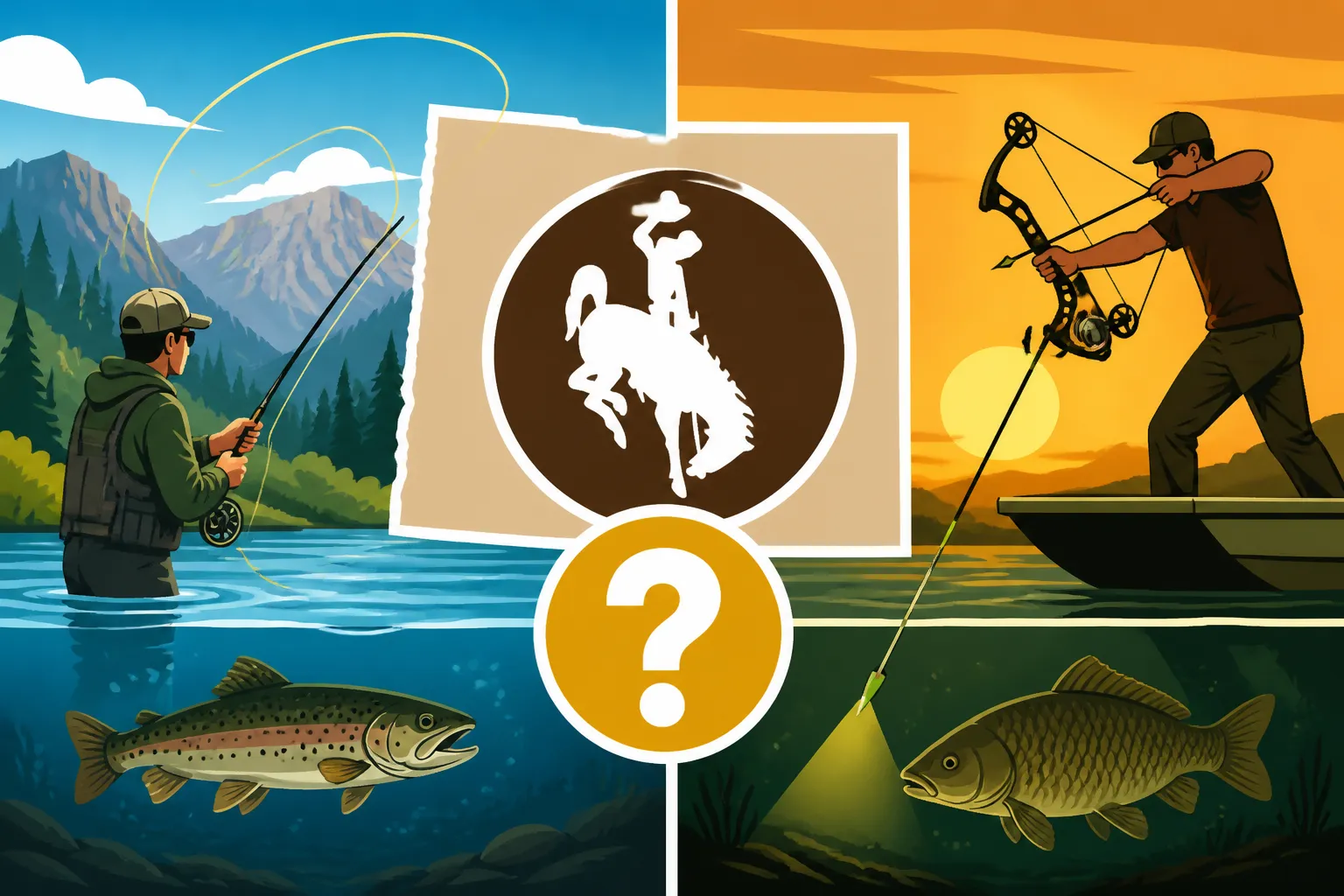
This is arguably the most important distinction for bowfishing. Unlike traditional rod-and-reel angling where many game species are fair game (within limits), bowfishing in Wyoming is specifically restricted to certain non-game fish species. The primary target species for bowfishing in Wyoming are:
- Carp: Both common carp and grass carp are popular targets. These species are often abundant and can be invasive, disrupting native ecosystems. Bowfishing them can actually aid in local fisheries management.
- Suckers: Various species of suckers, which are bottom-dwelling fish, are also legal to bowfish.
- Chubs: Different chub species can be targeted.
- Other non-game fish: Generally, any fish classified as a "non-game fish" by the Wyoming Game and Fish Department is legal to bowfish.
These species are typically found in warmer, shallower waters and often in large numbers, making them excellent targets for bowfishing enthusiasts. They are not managed with the same conservation strategies as highly prized game fish like trout or walleye, making them suitable for alternative harvest methods.
Prohibited Species for Bowfishing
Here's the critical part: you absolutely cannot bowfish for game fish in Wyoming. This includes, but is not limited to:
- All species of trout (Rainbow, Brown, Cutthroat, Lake, Brook, Golden)
- Walleye
- Kokanee Salmon
- Bass (Largemouth, Smallmouth)
- Perch
- Crappie
- Catfish
- Ling (Burbot)
Attempting to harvest any game fish with a bow and arrow is a serious violation and can lead to significant penalties. The WGFD strictly prohibits bowfishing for game fish to protect these valuable recreational species. It’s essential to be able to identify your target accurately before taking a shot. If you're unsure about a fish, it's always best to err on the side of caution and let it pass. For a comprehensive list of what you can and cannot target, refer to What Species Are Off-Limits to Keep in Wyoming.
Important Bowfishing Regulations to Keep in Mind
Beyond the licensing and species restrictions, Wyoming has several other regulations governing bowfishing to ensure safety, ethical practices, and responsible management.
Legal Equipment for Bowfishing
When it comes to equipment, Wyoming is generally quite permissive regarding the type of bow used, as long as it's a traditional archery device. This includes:
- Recurve Bows
- Compound Bows
- Longbows
Crossbows may also be permitted, but it’s always best to check the current regulations specifically for crossbow use in fishing. The key component for bowfishing is the arrow itself. Bowfishing arrows are distinct from hunting arrows; they typically feature:
- Barbed points: Designed to penetrate and hold the fish without passing entirely through, preventing loss. Many bowfishermen prefer points that can be reversed or removed for easy fish extraction.
- A safety slide or ring: This critical component attaches the fishing line to the arrow, allowing it to slide forward on the shot and preventing the line from snapping back at the shooter, which can cause serious injury (known as "bowfishing finger").
- Fishing line: A heavy-duty fishing line (often braided or specialized bowfishing line) is spooled onto a retrieval system attached to the bow. You can find robust bowfishing reels and specialized line on platforms like Amazon, ensuring you have the right gear for the job.
It is absolutely crucial that your bowfishing arrows are tethered to your retrieval system by a sturdy line. Shooting untethered arrows into the water is not only dangerous but also likely to result in lost arrows and potential litter.
Time and Location Restrictions
While many fishing activities are allowed from an hour before sunrise to an hour after sunset, and even night fishing is legal in many areas for rod-and-reel, bowfishing might have more specific timing and location considerations.
- Night Bowfishing: Night bowfishing can be highly effective, especially for carp, which often move into shallower waters after dark. However, ensure you are familiar with any local ordinances or water-specific rules that might prohibit night use of bows or lights. Always check with the WGFD for any water-specific closures or restrictions.
- Prohibited Waters: Certain waters may be entirely closed to bowfishing, or only open for very specific purposes. For example, designated "Trout Management Areas" or waters with sensitive native fish populations will almost certainly be off-limits. Areas within National Parks like Grand Teton or Yellowstone also have their own strict rules. It's crucial to consult the Wyoming Fishing Regulations booklet for any specific waters you plan to visit. Our guide on Where to Check Current Wyoming Water Closures can be a lifesaver here.
- Public vs. Private Land: Always respect private property boundaries. Ensure you have legal access to the waters you intend to bowfish. Fishing on private land without permission is trespassing.
Transporting Your Catch
Just like with any other fish caught, there are rules about how you handle and transport your bowfished catch.
- No Waste: Wyoming regulations, like those in many states, generally stipulate that all edible portions of game or fish lawfully taken must be retained and utilized. This means you can't just shoot fish and leave them to rot. You must have a plan to utilize the fish you harvest.
- Cleaning and Processing: If you're processing fish in the field, ensure you're doing so in a way that doesn't create a public nuisance or attract wildlife to inappropriate areas.
- Transport Across State Lines: If you plan on transporting your bowfished carp or suckers across state lines, be aware that other states might have different regulations regarding the transport of aquatic species, especially if there's a concern about invasive species. Always check the regulations of your destination state.
Why Wyoming Regulates Bowfishing This Way
The specific framework for bowfishing regulations in Wyoming isn't arbitrary; it's a carefully considered approach rooted in conservation, public safety, and sound wildlife management principles.
Conservation and Management Objectives
The primary reason bowfishing is restricted to non-game species like carp and suckers is directly tied to conservation. Wyoming prides itself on its world-class trout fisheries and healthy populations of other game fish. Methods like bowfishing, while exhilarating, can be less selective than hook-and-line fishing. It's harder to release a bowfished trout in good condition, for instance, compared to a trout caught on a fly or lure. By limiting bowfishing to non-game species, the WGFD aims to:
- Protect Game Fish Populations: Ensuring that highly valued species are not inadvertently or illegally harvested. This helps maintain sustainable populations for future generations of anglers who prefer traditional methods.
- Manage Invasive Species: Carp, for example, can be highly destructive to aquatic habitats, rooting up vegetation, muddying waters, and competing with native species for food. Allowing bowfishing for carp can be a useful tool in localized efforts to control their populations, thereby indirectly benefiting game fish habitats. This is a crucial aspect of Wyoming's Coldwater Fish Species management, protecting native trout from invasive species pressure.
- Promote Ethical Harvest: These regulations encourage anglers to use appropriate methods for target species, upholding the ethical standards of fishing.
Preventing Waste and Ethical Considerations
Beyond the species-specific rules, the emphasis on preventing waste and promoting ethical behavior extends to all forms of fishing, including bowfishing. The "no waste" rule is fundamental to Wyoming's outdoor ethics. It ensures that the act of taking a fish contributes to sustenance and doesn't just result in a discarded carcass. This respects the animal and the resource.
Ethical bowfishing also involves:
- Accurate Identification: As mentioned, knowing your target is paramount. If you can't identify the fish clearly, don't shoot.
- Responsible Disposal: If you don't plan to eat the fish yourself, you must dispose of it properly. Many bowfishermen use their catch for fertilizer, pet food, or even for bait in other contexts (where legal). Never simply leave fish on the bank to rot, which creates an unpleasant environment and can attract unwanted wildlife.
- Public Perception: The WGFD also considers the perception of fishing activities. Responsible bowfishing helps maintain a positive image for all anglers.
For anglers looking to get into bowfishing, starting with proper gear like specialized bowfishing reels and sturdy arrows, which are readily available on platforms like Amazon, is a great first step. But even more important is a thorough understanding of the regulations to ensure a legal and ethical experience.
Here’s a quick overview of the key differences:
| Feature | Standard Rod-and-Reel Fishing | Bowfishing |
|---|---|---|
| Required License | Valid Wyoming Fishing License (annual, daily, 5-day) | Same Valid Wyoming Fishing License |
| Target Species | Most Game Fish (trout, walleye, bass, perch, etc.) within limits; some non-game species. | Primarily non-game fish (Carp, Suckers, Chubs). Game fish are strictly prohibited. |
| Primary Equipment | Rod, reel, line, hooks, bait, lures, flies | Bow (recurve, compound, longbow), specialized barbed arrows, fishing line, retrieval system. |
| Harvest Method | Hooking fish in the mouth, usually for consumption or catch-and-release. | Shooting fish with an arrow, primarily for harvest of non-game species. |
| Selectivity | Generally high, especially with catch-and-release techniques. | Lower, as accurate identification and targeting can be challenging in murky water. |
| Common Locations | Rivers, lakes, reservoirs, ponds, streams (wide variety) | Often shallow, warmer waters where non-game species congregate. |
| Night Activity | Permitted in many areas for various species. | Popular for carp, but check water-specific rules for light use or nocturnal activity. |
| Release Viability | High for many species when handled correctly. | Very low; fish struck by an arrow are rarely releasable. |
So, while your Wyoming fishing license does indeed cover bowfishing, remember that it's just the first step. Understanding and adhering to the specific rules regarding target species, equipment, and locations are paramount to enjoying this exciting sport responsibly and legally in the Cowboy State. Happy bowfishing!
Disclaimer
Please remember that fishing regulations can change. It is always your responsibility to consult the most current Wyoming Game and Fish Department regulations before engaging in any fishing activity. This article is intended for informational purposes only and should not be considered a substitute for the official regulations.