Hardest Fish to Catch in Wyoming
Oh, the quest for that truly challenging fish! Many of us hit the beautiful waters of Wyoming with a sense of adventure, only to find that some fish just seem to scoff at our perfectly presented flies or expertly trolled lures. It can be incredibly frustrating to spend hours, even days, targeting a particular species or a trophy-sized individual, only to come up empty-handed. If you've ever wondered which fish in Wyoming truly demand the utmost skill, patience, and perhaps a bit of luck, you're in the right place. This guide will dive deep into identifying some of the hardest fish to catch in the Cowboy State, explaining why they pose such a formidable challenge, and offering insights into how you might just tip the scales in your favor.
The Elusive Golden Trout: High-Altitude Challenge
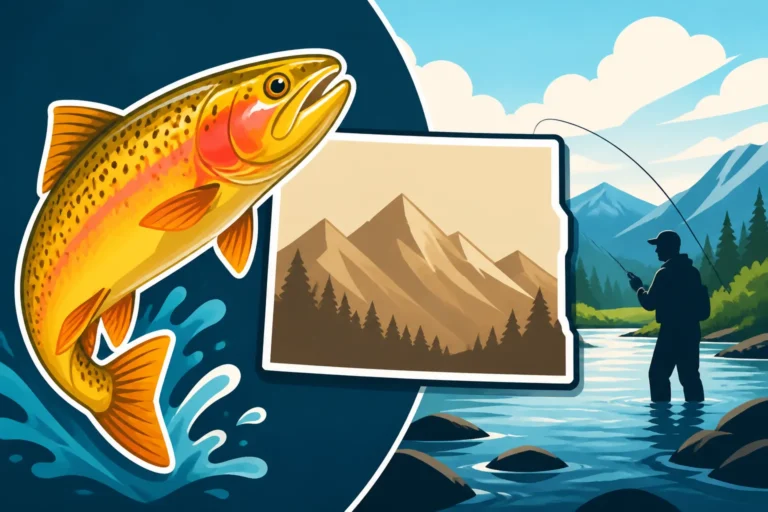
When you talk about truly difficult fish to catch in Wyoming, the Golden Trout often tops the list. These iridescent beauties aren't just a joy to behold; they live in some of the most remote, pristine, and challenging environments imaginable. Catching a Golden Trout isn't just about fishing; it's an expedition, a physical and mental test that adds layers of difficulty long before your line even hits the water.
The Remote, Rugged Habitat They Call Home
Imagine a crystal-clear alpine lake, nestled high in the Wind River Range, surrounded by jagged peaks and accessible only after a multi-day backpacking trip. That's often where you'll find Golden Trout. Unlike their more common cousins, these fish thrive in the cold, oxygen-rich waters above 9,000 or even 10,000 feet. The journey to these locations alone can be a significant hurdle, involving miles of hiking through demanding terrain, sometimes navigating snowfields even in summer, and camping in wilderness areas. You can't just drive up and cast a line. The sheer effort required to reach their habitat weeds out many anglers, making a successful trip feel even more earned. It's a true backcountry experience where you'll want to pack light but smart, perhaps looking for ultralight gear on Amazon before you head out.
Furthermore, once you arrive, the weather in these high-alpine environments can be incredibly unpredictable. A sunny morning can quickly turn into a thunderous afternoon with hail or snow, forcing you to pack up or seek shelter. This adds another layer of complexity to planning and executing a successful fishing trip. The windows of opportunity can be narrow, dictated by both the weather and the short ice-free season. If you're planning such a venture, you'll definitely want to read our guide on How to Fish Wyoming's High-Alpine Lakes to get a better sense of what to expect.
Finicky Feeders and Fragile Populations
Even once you've endured the strenuous hike and set up camp, the challenge of the Golden Trout isn't over. These fish are known for being incredibly finicky eaters. Living in such nutrient-poor, cold environments, they often feed opportunistically on tiny insects, making fly selection critical. Their metabolism is slower, and they don't expend energy chasing just anything. You might find them rising to microscopic midges one moment and completely ignoring larger, more enticing patterns the next. Their populations are often smaller and more isolated than other trout species, making them a precious resource that requires careful handling and ethical catch-and-release practices. This extreme sensitivity to their environment and specific food sources elevates them to a truly difficult target for even experienced anglers.
Because these high-altitude lakes are often barren of other large predators, Golden Trout can be less aggressive than stream-dwelling trout that have to compete for food. This doesn't mean they're easy, though; it means their feeding patterns are often highly specialized and tied to specific hatches or food sources. They can be incredibly wary of shadows, sudden movements, or a splashy cast. You're often dealing with gin-clear water, which means presenting your fly or lure with utmost stealth and precision is paramount. It’s a delicate dance where the smallest mistake can send them darting for cover, putting an end to your opportunity.
Gear and Tactics for the Golden Quest
Successfully landing a Golden Trout requires a combination of appropriate gear and honed tactics. For fly anglers, a lightweight 3 or 4-weight rod is ideal for delicate presentations and protecting fine tippets. Long leaders and light tippets (5x or 6x) are crucial for presenting tiny dry flies or emergers naturally. Popular patterns often include small terrestrials, midges, and various emerger patterns, but being able to "match the hatch" is key. Spin anglers will want ultralight rods and reels spooled with light line, utilizing small spoons, spinners, or tiny jigs tipped with bait.
The approach itself is as important as the gear. Stealth is your best friend. Move slowly, keep a low profile, and cast from a distance if possible. Observing the water for rises before casting can provide valuable clues about what they're feeding on. Often, the best fishing occurs during warmer parts of the day when insect activity is highest. Patience is non-negotiable; you might spend hours observing before making a single, perfect cast. Remember, this isn't about catching a limit; it's about the challenge and the rare reward of holding one of Wyoming's most beautiful and hard-won fish. Checking out our post on What Gear to Pack for a Backcountry Fishing Trip can give you an excellent head start on preparing for this kind of adventure.
Pursuing Trophy Lake Trout: Deepwater Giants
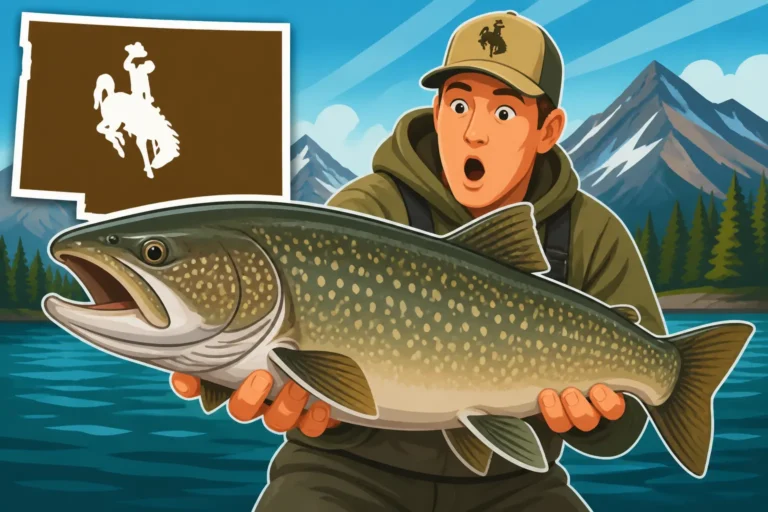
While Golden Trout challenge you with their remote homes and finicky nature, another contender for Wyoming's hardest fish to catch is the trophy-sized Lake Trout, often called Mackinaw. These aren't your average pan-sized catches; we're talking about massive, powerful fish that lurk in the frigid depths of Wyoming's largest reservoirs. Catching a true monster Mackinaw requires specialized equipment, deep knowledge of their behavior, and incredible endurance.
Navigating Vast, Deep Reservoirs
Wyoming's prime Lake Trout fisheries, like Flaming Gorge Reservoir and Jackson Lake, are immense bodies of water. These aren't small ponds where you can easily find fish. We're talking about deep, often featureless (to the untrained eye) expanses where Lake Trout can literally hide in hundreds of feet of water. Finding them is the first gargantuan task. You need to understand underwater topography, temperature breaks, and forage fish movements – things that are completely invisible from the surface. This often means investing in sophisticated electronics like high-quality fish finders and GPS mapping units to identify structure, bait balls, and indeed, the giant Mackinaw themselves. Without these tools, you're essentially looking for a needle in a very, very large, cold haystack.
The sheer scale of these reservoirs also means you typically need a sturdy boat equipped for big water. Kayaks and float tubes are generally not sufficient for covering the necessary distances or handling the often-windy conditions that can whip up quickly. Safety on these big lakes is paramount, requiring proper safety gear, weather awareness, and a reliable vessel. Our guide on Lake Trout (Mackinaw) Fishing in Wyoming delves into the specifics of these fish, including where to find these elusive giants.
Specialized Techniques for Monster Mackinaw
Trophy Lake Trout are not caught on a bobber and worm. These are deep-dwelling predators that require highly specialized techniques to even present a lure in their strike zone. Trolling is the most common and effective method, but it's not just putting a lure behind a boat. It involves precision. You'll often need downriggers to get heavy lures, sometimes large spoons or tube jigs, down to depths of 80 to 200 feet or more. Understanding how to use these tools, combined with different weights, line counters, and even planer boards, is a skill in itself. The speed of your troll, the depth, and the action of your lure all play a critical role. For those looking to dive into this, learning Trolling Techniques for Wyoming Reservoirs will be essential.
Jigging is another effective method, particularly when you've located a school of Mackinaw on your electronics. This involves vertically dropping heavy jigs, often 4 to 8 ounces, to the desired depth and imparting specific actions to entice a strike. This can be physically demanding, especially when working those depths for hours. Furthermore, choosing the right lure size and color is critical; trophy Lake Trout are apex predators and can be surprisingly picky, especially when targeting larger forage like Kokanee Salmon or Chub. You might find a good selection of heavy jigs and robust trolling gear on Amazon to help you get started.
The Patience and Persistence Required
The commitment to catch a trophy Lake Trout is immense. You can spend an entire day, sometimes several days, on the water without a single bite. These fish are not always active feeders, and when they are, their strike can be subtle despite their size. Hooking a fish is one thing; landing a Mackinaw that can weigh 20, 30, or even 40+ pounds from 100 feet down is another entirely. The fight is often a deep, powerful tug-of-war, testing your gear and your muscles. They have incredible stamina and can make multiple deep runs, especially boat-side.
Persistence means being willing to change tactics, depths, and locations frequently until you crack the code. It also means enduring long hours in potentially cold, windy conditions. The reward, however, of bringing a truly massive, ancient Lake Trout to the boat is an unparalleled feeling for any angler. It's not just about the fish; it's about the relentless pursuit and the ultimate victory over a truly formidable opponent. For those chasing these giants, understanding Best Wyoming Reservoirs for Trophy Fish will guide you to the right starting points.
Educated River Trout: Wary Warriors of Wyoming's Streams
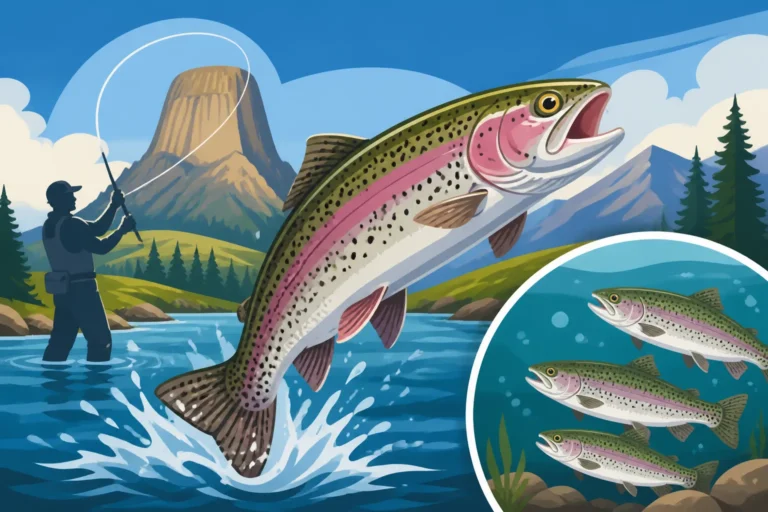
While Golden Trout hide in the high country and Lake Trout in the deep, another category of extremely difficult fish to catch in Wyoming includes the large, educated trout found in heavily fished rivers. These are often Brown Trout, Rainbow Trout, or various Cutthroat species that have seen every fly pattern, every lure, and every angler's shadow imaginable. They didn't get big by being foolish, and their wariness makes them a top challenge.
Dealing with Pressured Waters and Clear Conditions
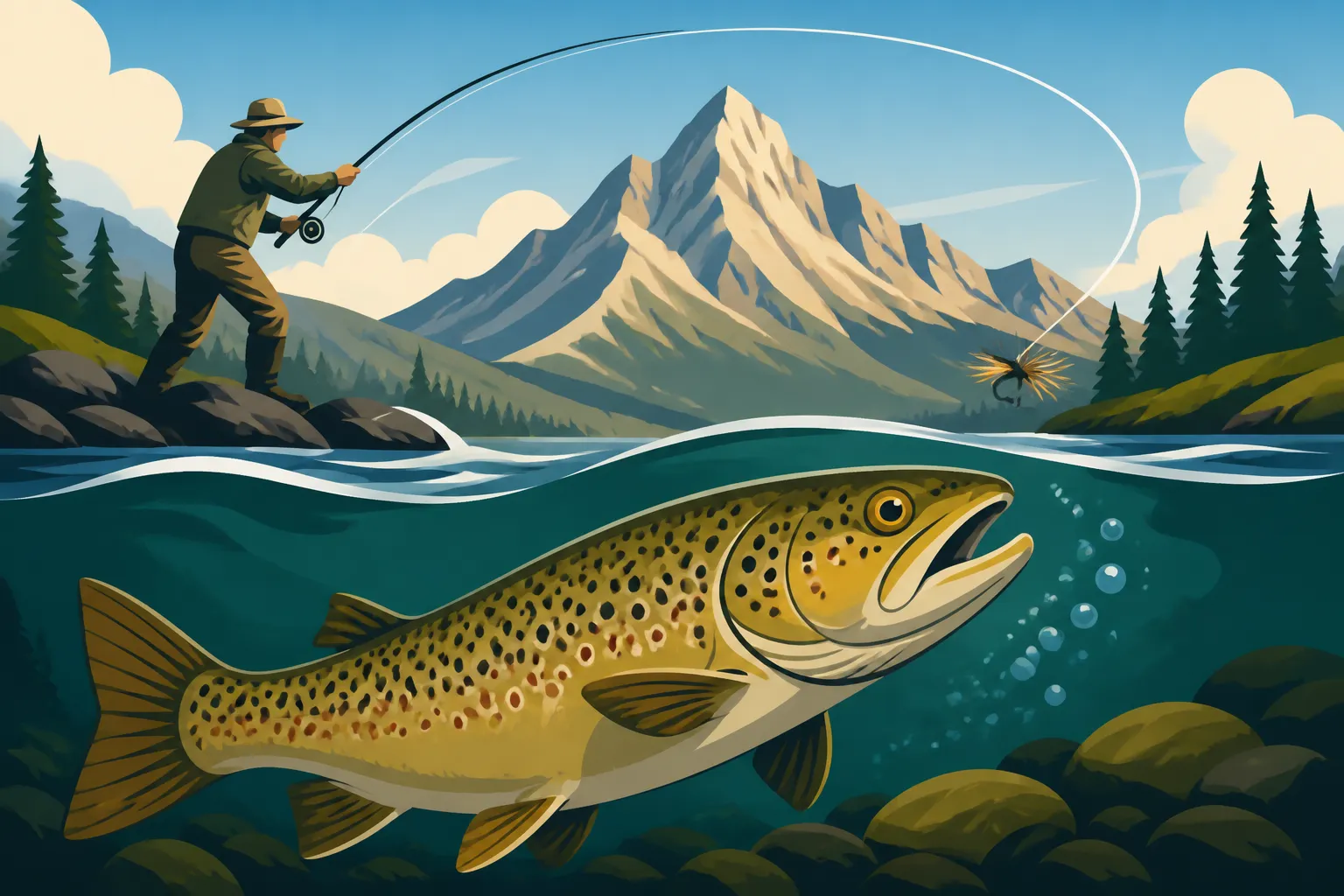
Wyoming boasts some world-renowned trout rivers, like the North Platte, the Snake, and the Green River tailwaters. Because of their fame, these waters see significant angling pressure, especially during peak season. This constant parade of fishermen means the resident trout, particularly the larger ones, become incredibly "educated." They learn to associate unnatural presentations, heavy lines, or even certain sounds with danger. In the crystal-clear waters that many of these rivers offer, fish have an excellent vantage point, making stealth and presentation absolutely critical. A shadow across the water, a clumsy cast, or even a brightly colored hat can be enough to spook them.
Imagine standing on the bank of the North Platte's Miracle Mile, watching a massive Brown Trout slowly sipping emergers from the surface. You know he's there, you can see him, but getting a fly to him without putting him down is an art form. It requires long, accurate casts, perfect drifts, and a complete understanding of how currents affect your line and fly. The water acts as a magnifying glass, exposing every flaw in your technique. This is where you might truly begin to appreciate the nuance described in How to Approach Spooky Trout in Clear Water.
The Craft of Matching the Hatch and Stealth
Successful angling for educated river trout often hinges on two main factors: meticulous "matching the hatch" and unparalleled stealth. Matching the hatch means identifying the specific insects that are emerging and active, and then selecting an artificial fly that mimics their size, color, and behavior precisely. This can range from microscopic midges to large stoneflies, and trout can become incredibly selective, ignoring anything that doesn't perfectly replicate their natural food source. This level of discernment from the fish turns fishing into a scientific endeavor, requiring keen observation skills and a diverse fly box. Check out our guide on Fly Fishing Techniques for Wyoming Trout Streams for a deeper dive into this art.
Beyond the fly, your presentation must be flawless. Drifts need to be drag-free, mimicking how a natural insect would float downriver. This often means advanced casting techniques like mend casts, reach casts, and parachute casts. For spin anglers, precise lure placement and retrieval speed, ensuring minimal disturbance, are key. Again, light leaders and tippets are often necessary to fool these wary fish. The best time of year to catch trophy fish in these rivers often corresponds with specific hatches or fall spawning runs, but these are also periods of intense fishing pressure. Our article on Best Wyoming Fishing Months for Trophy Trout offers great insight into these seasonal opportunities.
Targeting Specific, Elusive Individuals
What makes these river trout particularly hard is often the pursuit of a specific, truly massive individual. Many anglers have a "ghost fish" – that enormous brown trout they've seen cruising a particular run or an ancient cutthroat holding under an undercut bank. These fish are not only educated but also incredibly territorial and wise. They've survived countless close calls and learned the patterns of danger. They often feed during low-light conditions or in specific, hard-to-reach lies.
Tackling these individual giants requires a level of dedication that goes beyond general fishing. It might mean spending hours simply observing their behavior, understanding their feeding lanes, and waiting for the perfect opportunity. It's a game of chess, where the trout has already read a few moves ahead. Even when everything goes right and you manage to hook one, their powerful runs in swift current can test your knot strength, drag settings, and nerves. Landing them requires deft rod handling and often a sprint downriver.
Factors Beyond the Fish: What Makes Any Catch Difficult?
It's not always just about the species itself. Sometimes, the difficulty in catching fish in Wyoming comes from a confluence of environmental factors, angler skill levels, and even simple preparation. Understanding these overarching elements can help you prepare for a more successful, albeit still challenging, day on the water.
Environmental Variables and Seasonal Swings
Wyoming's dynamic environment plays a huge role in fishing difficulty. The state experiences dramatic seasonal changes, from spring runoff to harsh winters. During spring runoff, rivers swell with snowmelt, turning into powerful, muddy torrents. Fish become dispersed, and finding them, let alone presenting a lure effectively in high, turbid water, can be nearly impossible. This is a time when many anglers hang up their waders or turn to lakes, which are less affected.
Similarly, extreme temperatures, both hot and cold, can make fishing tough. In the scorching summer months, trout often retreat to deeper, cooler waters, becoming lethargic during the heat of the day. Conversely, brutal winter conditions, even for ice fishing, can limit both angler endurance and fish activity. High winds on large reservoirs can make boat control and casting a nightmare. Learning How Water Temperature Changes Wyoming Trout Behavior is crucial for understanding these shifts and adapting your strategy. A sudden cold front can shut down a bite entirely, leaving anglers scratching their heads.
Your Skills, Patience, and Preparation
Let's be honest, sometimes the "hardest fish to catch" is simply the one we're not skilled enough to fool yet. Fishing, especially for wary trout or deep-dwelling giants, requires a constantly evolving set of skills. This includes casting accuracy, understanding water currents, reading fish behavior, tying intricate knots, and selecting the right tackle for the conditions. A beginner attempting to sight-fish for large browns on the North Platte will likely find it incredibly difficult, not because the fish is impossible to catch, but because their current skill set isn't quite there yet. This is where patience truly becomes a virtue.
Preparation also plays a monumental role. Did you research the water you're fishing? Do you know what insects are hatching or what forage fish the predators are targeting? Is your equipment in good working order? An unmaintained reel, dull hooks, or the wrong line weight can turn an otherwise manageable challenge into an insurmountable one. Even something as simple as not having the right clothing for Wyoming's unpredictable weather can cut a trip short, robbing you of precious fishing time.
Equipment and Local Knowledge are Key
Having the right tools for the job is non-negotiable when targeting difficult fish. You wouldn't bring a spinning rod to a fly-fishing-only section, nor would you use a tiny ultralight setup for deepwater Lake Trout. Investing in quality gear, from sensitive rods and reliable reels to strong lines and sharp hooks, can make a tangible difference. For deepwater trolling, a quality fish finder is almost more important than your rod. For high-alpine adventures, reliable backpacking and camping gear from reputable brands is essential. Checking reviews and specifications for gear on Amazon can help you make informed decisions about your purchases.
However, equipment is only as good as the person wielding it. Local knowledge is often the secret ingredient to unlocking tough fisheries. Guides who spend hundreds of days on the water annually understand the subtle nuances of specific runs, the seasonal migrations of fish, and the specific patterns that are currently working. While hiring a guide isn't always feasible, talking to local fly shop owners, bait shop employees, and other experienced anglers can provide invaluable insights that drastically increase your chances of success. They often know When Yellowstone's Rivers Open for Fishing or where specific fish species are currently holding.
Here's a quick comparison of some difficulty factors for common Wyoming species:
| Fish Species | Habitat Difficulty | Feeding Difficulty | Technical Skill Required | Physical Effort | General Difficulty |
|---|---|---|---|---|---|
| Golden Trout | High (remote alpine) | High (finicky, sparse) | High (delicate presentation) | High (hiking, camping) | Very High |
| Trophy Lake Trout | High (vast, deep water) | High (deep, specialized) | High (trolling, electronics) | Moderate (boating) | Very High |
| Educated River Trout | Moderate (pressured) | High (selective, wary) | High (matching, casting) | Moderate (wading) | High |
| Wild Cutthroat Trout | Moderate (streams, lakes) | Moderate (opportunistic) | Moderate (fly/spin) | Moderate (hiking) | Moderate |
| Stocked Rainbow Trout | Low (accessible lakes) | Low (aggressive) | Low (bait, basic lures) | Low (drive-up) | Low |
| Walleye | Moderate (reservoir structure) | Moderate (migratory) | Moderate (jigging, trolling) | Moderate (boating) | Moderate |
| Brook Trout | Low-Moderate (small streams) | Low-Moderate (aggressive) | Low-Moderate (small lures) | Low (accessible) | Low-Moderate |
Ultimately, the "hardest" fish is a subjective measure, often depending on your personal skill set, the conditions on any given day, and even your chosen approach. But there's no doubt that Wyoming offers challenges for every angler, from the high-country adventurer to the dedicated deepwater enthusiast. The pursuit of these elusive species is what makes fishing in this wild state so incredibly rewarding, pushing us to learn, adapt, and appreciate the raw beauty and formidable nature of its aquatic inhabitants.
Disclaimer
This article is for general informational purposes only and does not constitute professional advice. Laws, prices and regulations vary by location and change over time. Consult a qualified professional for guidance on your specific situation.