What Fish Fight the Hardest in Wyoming Waters
Every angler, no matter their experience level, eventually asks the same question: "What fish in these waters will give me the most intense fight?" It’s a completely natural thought. You put in the time, you brave the elements, and you spend your hard-earned money on gear, so you want that reward – the thrilling tug-of-war, the bending rod, the screaming reel that makes your heart pound. In Wyoming, a state blessed with incredible fisheries, figuring out which fish truly brings the brawl can be half the fun of planning your next adventure.
The Age-Old Angler's Question: What Fish Fights the Hardest?
It's a question that sparks lively debates around campfires and in fly shops across Wyoming: which fish truly puts up the best fight? And honestly, there's no single, easy answer, which can be a little frustrating when you're just looking for a clear direction. The "hardest fight" is so incredibly subjective, isn't it? What feels like a monster battle on an ultralight setup might barely register a tug on heavy saltwater gear. It depends on your tackle, your skill, the fish's size, its health, and even the water temperature. But here in the Cowboy State, certain species consistently earn a reputation for their sheer power, surprising acrobatics, or relentless stamina.
Think about it: you've likely had those moments where a smaller fish, caught on lighter tackle, felt like a genuine beast, leaving your arm aching. Then, you might hook into a much larger fish on stout gear, and while it's heavy, it doesn't have the same wild, unpredictable energy. This article isn't just about identifying the biggest or heaviest fish; it's about exploring those species that deliver an unforgettable experience when they grab your lure or fly. We're talking about the fish that test your knots, strip your line, and make you question if you're truly in control.
It's important to remember that every fish, from the smallest brook trout in a high mountain stream to a giant lake trout lurking in the depths of Flaming Gorge, has the potential to surprise you. Your definition of a "hard fight" might be a fish that jumps repeatedly, or one that makes long, powerful runs, or perhaps a stubborn fish that simply refuses to come to the net. Whatever your preference, Wyoming's diverse waters offer a multitude of contenders ready to give you an epic battle.
Wyoming's Top Coldwater Fighters: The Trout and Char Brigade
When most people think of fishing in Wyoming, they immediately picture trout. And for good reason! Our state is a mecca for trout anglers, offering a stunning variety of species that all bring their own brand of fight to the line. But within this beloved family of fish, some definitely stand out as the heavy hitters.
Lake Trout: The Deepwater Heavyweights
If you're looking for sheer, brute strength and powerful, unyielding runs, then the Lake Trout, often affectionately called "Mackinaw" around here, is your primary target. These fish are built like torpedoes, with broad shoulders and massive tails designed for cruising the cold, deep waters of our larger reservoirs like Flaming Gorge Reservoir, Jackson Lake, and Pathfinder Reservoir. Hook into a big Mackinaw, and you're not getting any quick, flashy jumps. Instead, prepare for a relentless, deep fight.
They'll often stay down, taking line with powerful, steady pulls that feel like you've hooked a submarine. It's a test of endurance for both you and your gear. Many anglers come to Wyoming specifically for the chance to tangle with these giants, knowing that landing a true trophy Mack will involve a sustained effort. You'll definitely want to make sure your drag is set correctly and your knots are solid, because a pissed-off Lake Trout isn't going to give up easily. Trying to bring one up from 80 or 100 feet of water is a workout, pure and simple.
Brown Trout: Agile and Aggressive
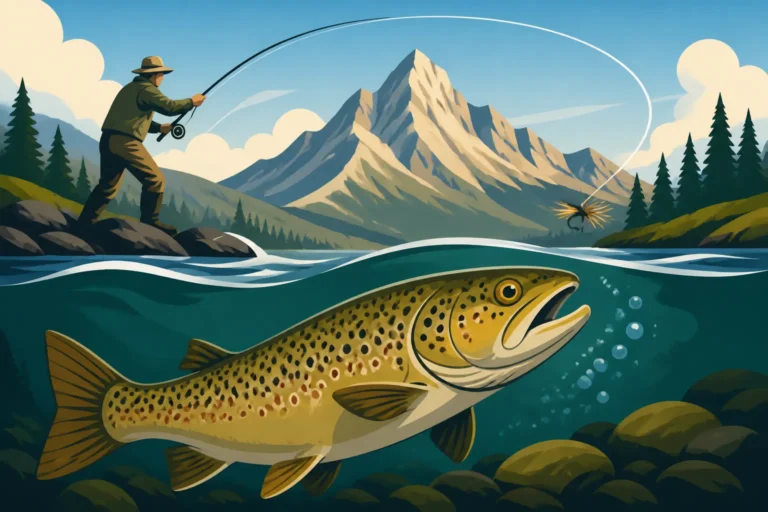
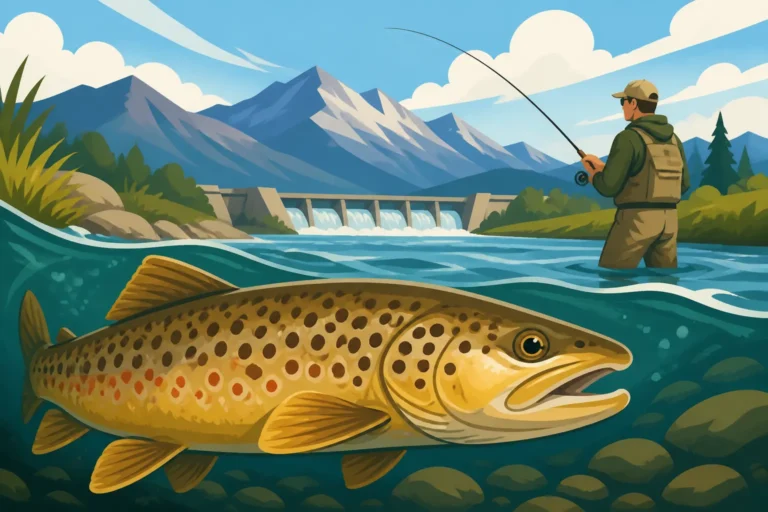
Brown trout are notorious for their aggressive strikes and their often acrobatic, head-shaking fights. They're smart, wily, and territorial, especially the larger ones, and they don't appreciate being hooked! When a big brown decides to hit your fly or lure, it's usually with a vengeance. Unlike the deep, heavy tug of a lake trout, a brown trout will often make blistering runs, darting for cover under logs or undercut banks, trying to break you off.
And then there are the jumps! Many times, a brown trout will explode from the water, shaking its head violently to try and throw the hook. These are the fish that keep you on your toes, demanding quick reactions and skillful rod control. Fall is a particularly exciting time for brown trout fishing, as they become even more aggressive during their spawning runs. You'll find fantastic brown trout fishing in rivers like the North Platte River, the Green River, and the Snake River, where they thrive in complex habitats, ready to ambush unsuspecting prey and, in turn, give you a fight you won't soon forget.
Rainbow Trout: The Acrobatic Runners
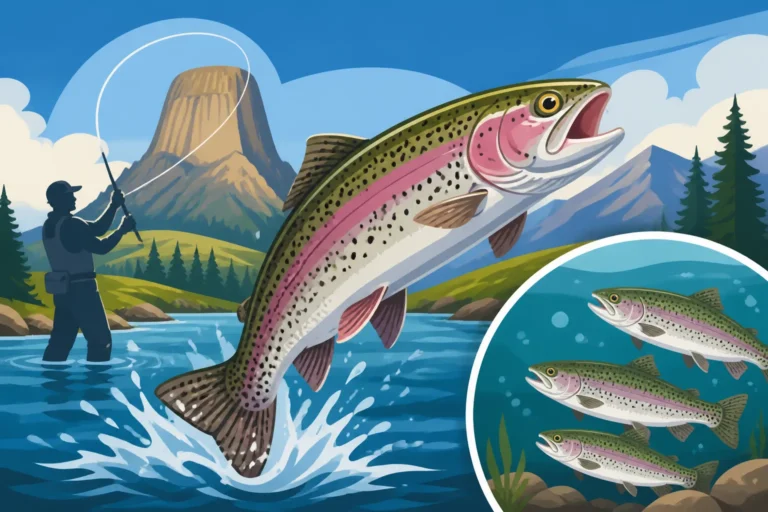
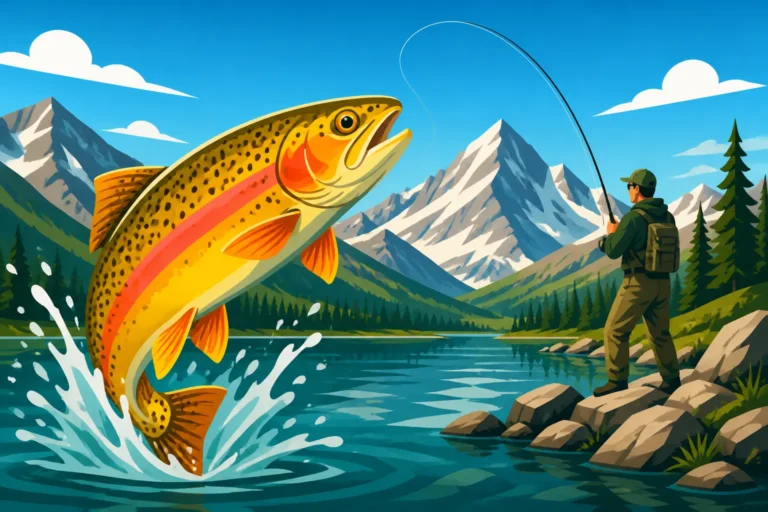
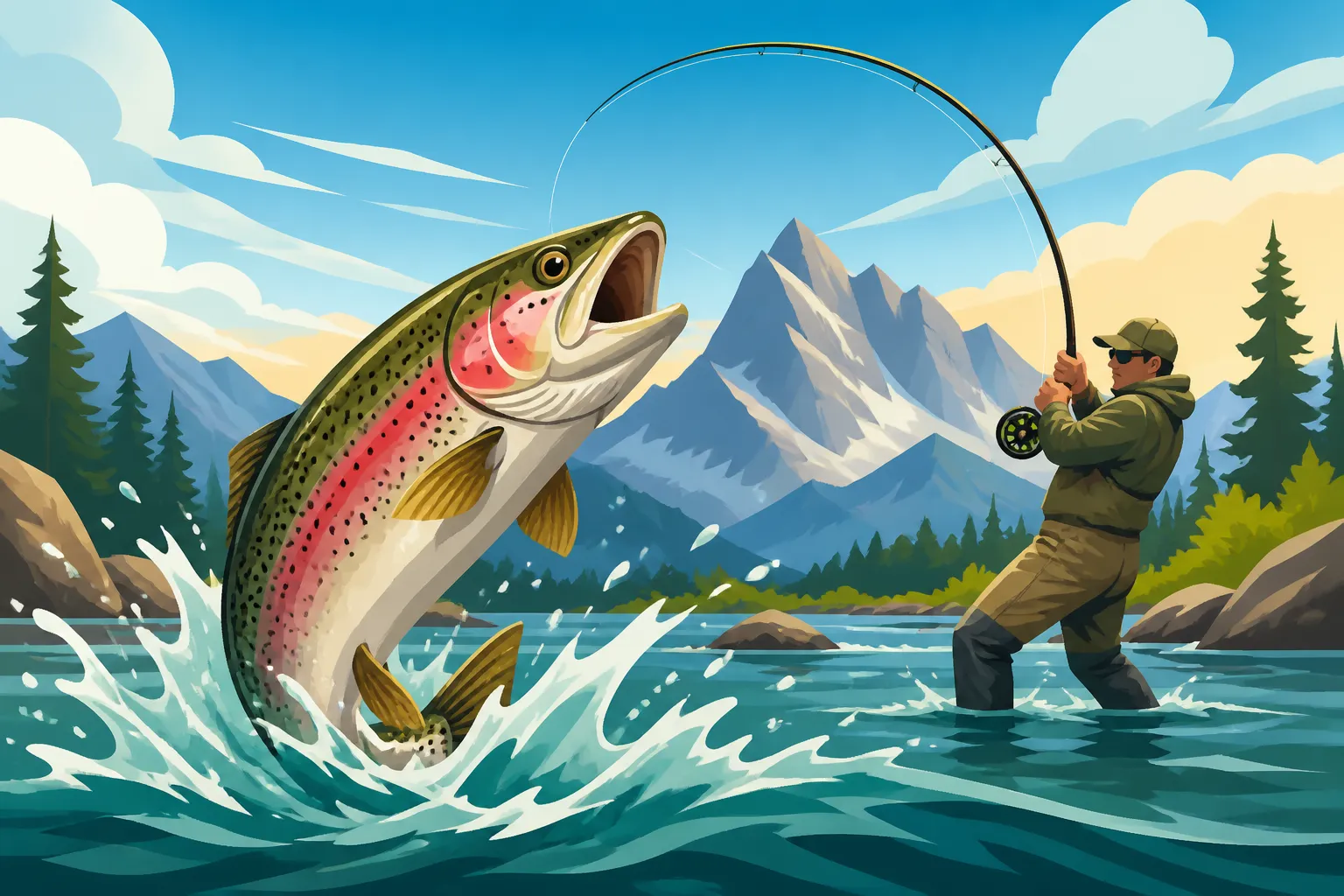
The rainbow trout is perhaps the quintessential sport fish, beloved for its willingness to strike and its spectacular fighting style. Whether you're targeting wild rainbows in a pristine mountain stream or hard-fighting stocked fish in a popular reservoir, they rarely disappoint. Rainbows are known for their lightning-fast runs, often tearing off line from your reel in a dizzying blur. But the real thrill comes when they decide to go airborne.
A good-sized rainbow can jump multiple times during a fight, twisting and thrashing in the air, trying to spit the hook. This acrobatic display is what makes them such a favorite among anglers. You'll need to be ready to drop your rod tip when they jump to keep tension and prevent them from breaking off. On rivers like the Miracle Mile section of the North Platte, or in countless lakes across the state, a fresh rainbow can offer an incredible, high-energy battle that will leave your heart pounding. If you're outfitting yourself, a good medium-light rod found on Amazon can make even a modest rainbow feel like a prize fighter.
Cutthroat Trout: Native Spirit and Stamina
Wyoming's native cutthroat trout, particularly the Yellowstone Cutthroat and the Snake River Fine-Spotted Cutthroat, might not always match the sheer size of a monster lake trout, but what they lack in bulk, they make up for in spirited tenacity. These fish are incredible fighters, especially in their native river environments where they are constantly battling currents. When hooked, a cutthroat will often make strong, deliberate runs, using the river's flow to their advantage.
They don't often jump as dramatically as a rainbow, but they're incredibly stubborn and will fight hard all the way to the net. Their fight is characterized by steady, powerful pulls and quick changes in direction, requiring the angler to maintain constant pressure. Fishing for cutthroat in places like the upper Snake River or the high-alpine lakes of the Wind River Range is not just about the beautiful scenery; it's about connecting with a truly wild fish that embodies the rugged spirit of Wyoming, offering a fight that's both challenging and rewarding. You'll want reliable line and a smooth drag, easily available on Amazon, to handle their spirited runs.
Factors That Amplify the Fight: It's Not Just the Species
While certain fish species are naturally predisposed to being fierce fighters, a fish's actual performance on the line is influenced by a myriad of environmental and biological factors. It's why sometimes a seemingly small fish can feel like a behemoth, and other times a larger one comes in with less fanfare. Understanding these variables can help you anticipate the kind of fight you're in for, and even adjust your strategy.
Size, Age, and Water Conditions
It might seem obvious, but a bigger, older fish generally has more muscle and stamina to put up a harder fight. A 20-inch brown trout is going to pull a lot harder than a 10-inch one, simply due to its physical mass and developed musculature. However, the condition of that fish plays a huge role. A lean, wild fish from a fast-flowing river will often outfight a plump, hatchery-raised fish of the same size. These wild fish are constantly expending energy, building strong bodies adapted to survival.
Water temperature is another critical factor. Cold, well-oxygenated water invigorates fish. They are more active, their metabolism is higher, and they have more energy to fight. Conversely, fish caught in warmer, less oxygenated water tend to be sluggish and tire more quickly. This is why late spring and fall, when water temperatures are prime, often yield the most exciting battles. A healthy, cold-water fish feels infinitely more powerful, validating the effort you put into finding those optimal conditions. How Water Temperature Changes Wyoming Trout Behavior goes into this in more detail.
Habitat and Current's Influence
The environment in which a fish lives dramatically shapes its fighting prowess. Fish that inhabit rivers and streams with strong currents are constantly working against that flow. This daily workout builds incredible strength and endurance. When you hook a fish in a fast-moving riffle, it uses that current to its advantage, turning sideways and letting the water magnify its pull. It's like fighting a fish and the river at the same time, which can be an incredibly intense experience.
Lake and reservoir fish, while they don't have constant current to contend with, often use deep structure, submerged trees, or rocky ledges to try and break off. A Lake Trout in Flaming Gorge will dive deep, leveraging the vastness of its habitat, whereas a Rainbow in a pocket water stream might make explosive, short runs upstream and downstream. Knowing the habitat you're fishing gives you a clue about the fish's likely fighting tactics. For specific river tactics, check out Fly Fishing Techniques for Wyoming Trout Streams.
Spawning Season Aggression
During their spawning seasons, many fish species exhibit heightened aggression and vitality, leading to some of the most memorable battles. Fish that are preparing to spawn, or are actively spawning, are often more territorial, more defensive, and incredibly powerful. For instance, brown trout in the fall, making their way upstream to reproduce, become incredibly feisty. They're often at their peak physical condition and will smash lures and flies with an intensity not seen at other times of the year.
Similarly, other species like Kokanee Salmon in the fall, while they won't typically bite when actively spawning, can still be a thrill to encounter if you catch them just before or during their upstream migrations into rivers, where they're full of vigor. The surge of hormones and the survival instinct simply amplify their natural fighting abilities, making them formidable opponents. This is why many anglers specifically target these periods, knowing the fish will be at their most powerful. Understanding Wyoming Fishing Seasons Month by Month can help you time your trips for peak aggression.
Beyond Trout: Other Wyoming Species That Punch Above Their Weight
While trout and char certainly dominate the conversation around fighting fish in Wyoming, it would be a mistake to overlook some other species that, in their own unique ways, can deliver an incredible battle and leave you with a lasting impression. These fish might not always be the primary target, but they're often a delightful surprise.
Walleye: The Head-Shaking Surpriser
Walleye are revered for their delicious table fare, but they also offer a surprisingly strong fight that often catches anglers off guard. They're not known for aerial acrobatics or blistering runs, but rather for a stubborn, heavy, head-shaking battle. When you hook a walleye, especially a larger one, you'll feel powerful thumps and rolls as it tries to dislodge the hook. They're masters of staying deep, leveraging their broad sides against the water to create immense drag.
You might think you're reeling in a log at first, but then the characteristic head-shakes start, sending vibrations right up your rod and into your hands. This sustained, powerful struggle, often combined with their ability to "walk" the hook right out of their mouth with those head-shakes, makes them a challenging and exciting adversary. Reservoirs like Boysen Reservoir and Keyhole Reservoir are fantastic places to target these feisty fish. You'll want a rod with good backbone to turn their heads.
Smallmouth Bass: Pound-for-Pound Brawlers
Though not as widespread as trout, where you find smallmouth bass in Wyoming, you find a truly aggressive and spirited fighter. Flaming Gorge Reservoir is a prime example of a water body where smallmouth thrive. These chunky bass are famous for their powerful strikes and their explosive, acrobatic fights. They're often considered one of the best pound-for-pound fighting fish in freshwater.
When a smallmouth hits, it's usually with a violent jolt. Then, prepare for a series of strong runs, quick directional changes, and most famously, multiple high-flying jumps. They'll throw themselves out of the water, shaking their heads with incredible force, trying to spit the hook. They are relentless, aggressive, and highly entertaining to catch, making them an excellent target for anglers seeking a high-energy fight. You can find lures and tackle perfect for smallmouth on Amazon.
Kokanee Salmon: Fiery and Fast
Kokanee salmon, the landlocked sockeye salmon, are absolutely stunning fish, especially as they get closer to spawning when they turn brilliant shades of red. But beyond their beauty, they are incredibly spirited fighters, particularly given their size. They might not grow to the massive proportions of lake trout, but a 16-20 inch kokanee will put a serious bend in your rod.
When hooked, kokanee are known for their fast, darting runs and surprising agility. They are often found in open water, so their fights tend to be clean and energetic, without the immediate threat of snags. They'll test your drag and your patience with their quick bursts of speed. Many anglers specifically target them with light tackle to really maximize the thrill of the fight. Flaming Gorge and Pathfinder Reservoir are excellent spots for kokanee, and they're a true joy to catch.
Maximizing the Thrill: Gear and Technique for a Memorable Battle
Having the "hardest fighting" fish on the end of your line is one thing, but actually experiencing that fight to its fullest potential, and then landing the fish, is another. Your gear, your setup, and your technique play a massive role in how intense and memorable the battle becomes. You can definitely make even a moderately fighting fish feel like a champion with the right approach.
Choosing the Right Tackle for the Fight
The secret to maximizing the fight is often choosing tackle that's appropriately matched to the fish size and species you're targeting, or perhaps even slightly lighter than you think you need. Using a heavy saltwater rod for a 12-inch trout will result in a very subdued experience. Conversely, trying to land a 20-pound lake trout on a tiny ultralight setup is a recipe for heartbreak and broken lines.
For most trout fishing in Wyoming, a medium-light to medium action rod, typically in the 4-7 weight range for fly fishing or 6-10 lb test for spin fishing, provides that perfect balance. It gives you enough backbone to control a strong fish, but enough flex to feel every head shake and run. Your reel's drag system is paramount; it needs to be smooth and consistent, allowing line to pay out under pressure without jerking or seizing. Investing in quality line and leaders is also non-negotiable, as strong, powerful fish will expose any weak points in your setup. You can find a huge variety of reliable fishing gear on Amazon, from rods and reels to specialty lines. For beginners, understanding Best Rod and Reel Combo for a Beginner can be a great starting point.
Mastering the Art of Playing the Fish
Once you've hooked into a feisty Wyoming fish, the battle truly begins, and your technique becomes critical. The goal isn't just to reel it in as fast as possible; it's to play the fish, to tire it out efficiently while keeping it on the line.
- Keep Your Rod Tip Up: This creates a natural shock absorber, using the rod's flex to maintain constant pressure and prevent slack that a fish could use to throw the hook. It also helps cushion those sudden surges.
- Adjust Your Drag: Learn to adjust your drag during the fight. If a fish makes a powerful run, let it take line, but keep enough pressure to tire it. If it starts to slow, you can tighten the drag slightly and gain some line back. It's a dance, a give and take.
- Pump and Reel: Instead of just cranking, a good technique is to "pump and reel." Lift your rod tip to pull the fish, then drop the tip quickly while reeling in the slack. This helps you gain line more effectively against a strong fish.
- Anticipate Jumps and Runs: If a fish jumps, quickly drop your rod tip towards the water to reduce slack and prevent it from landing on a tight line, which can snap your leader. If it runs towards an obstacle, try to steer it away with side pressure.
- Be Patient: Hard-fighting fish require patience. Don't try to rush it to the net, especially with powerful species like Lake Trout or large Brown Trout. Rushing often leads to pulled hooks or broken lines. Let the fish tire itself out.
By mastering these techniques and equipping yourself with appropriate gear, you'll not only increase your chances of landing those hardest-fighting fish but also enhance the sheer enjoyment and thrill of the battle. For more on safe handling, look up How to Handle a Trout to Keep It Alive After Release.
Here’s a quick overview of some of Wyoming’s fighting champions:
| Fish Species | Common Fight Characteristics | Primary Habitat | Typical Size Range (for strong fight) | Tackle Recommendation |
|---|---|---|---|---|
| Lake Trout (Mackinaw) | Deep, heavy pulls; stubborn, sustained fight | Deep, cold reservoirs | 5 lbs + (can reach 30+ lbs) | Medium-heavy rod, strong line |
| Brown Trout | Aggressive strikes, fast runs, acrobatic jumps, seeks cover | Rivers, streams, some lakes | 15 inches + (can reach trophy sizes) | Medium action rod, stout leader |
| Rainbow Trout | Blistering runs, frequent jumps, energetic | Rivers, streams, lakes, ponds | 14 inches + | Medium-light to medium rod |
| Cutthroat Trout | Strong, deliberate runs; uses current to advantage | Rivers, streams, high-alpine lakes | 12 inches + | Light to medium-light rod |
| Walleye | Powerful head-shakes, deep fighting, stubborn | Reservoirs, larger rivers | 3 lbs + | Medium-heavy rod, sensitive tip |
| Smallmouth Bass | Explosive strikes, multiple high jumps, quick turns | Rocky lakes, reservoirs | 1 lb + (pound-for-pound fighter) | Medium-light to medium rod |
| Kokanee Salmon | Fast, darting runs; agile and energetic | Large, deep reservoirs | 15 inches + | Light tackle, smooth drag |
Disclaimer
This article is for general informational purposes only and does not constitute professional advice. Laws, prices and regulations vary by location and change over time. Consult a qualified professional for guidance on your specific situation.