How Long a Short-Day Snake River Float Takes
Planning a quick fishing escape or a scenic float on Wyoming's iconic Snake River can be tricky, especially when you're trying to fit it into a busy vacation schedule. Many folks wonder if a "short-day" trip is truly enough time to get a good experience or if they'll feel rushed. This guide will break down exactly what a short-day Snake River float entails, how long you can expect it to last, and what factors might influence your time on the water, helping you set realistic expectations for your adventure.
Understanding the "Short-Day" Snake River Float Experience
When outfitters in the Jackson Hole area talk about a "short-day" or "half-day" float on the Snake River, they're generally referring to a trip that lasts a significant portion of either the morning or the afternoon. This isn't just about the time you're actually floating; it's an all-inclusive timeframe that accounts for meeting your guide, shuttle time, gearing up, the actual time on the water (whether fishing or just enjoying the scenery), and the return trip to the shop or meeting point. It's easy to assume "half-day" means a strict four hours, but the reality is a bit more dynamic, usually falling into a window that allows for a meaningful, unrushed experience.
What "Short-Day" Truly Means for River Time
Typically, a short-day float on the Snake River will run anywhere from 4 to 6 hours from start to finish. This isn't just the time you spend on the boat. Imagine arriving at the designated meeting spot, often an outfitter's shop in Jackson or a convenient boat ramp. There's a flurry of activity: meeting your guide, getting your gear sorted, maybe a quick restroom break, and then the shuttle ride to the upstream put-in. This initial phase can easily chew up 30 minutes to an hour, sometimes more depending on traffic, the put-in location, and how many other groups are launching.
Once you're actually on the water, the "float time" begins. For a fishing trip, this involves navigating different sections of the river, stopping at prime fishing spots, casting, reeling, and enjoying the quiet moments between bites. For a scenic float, it's a slower, more deliberate pace, taking in the Grand Teton views and watching for wildlife. The pace is often set by the river's current, the guide's expertise, and your own preferences. You're not typically rushing through rapids; instead, you're savoring the experience. The beauty of these shorter trips is that they offer a concentrated dose of the Snake River's magic without committing to an entire day, which can be perfect if you have other plans or a limited schedule.
Common Short-Day Itineraries and Expectations
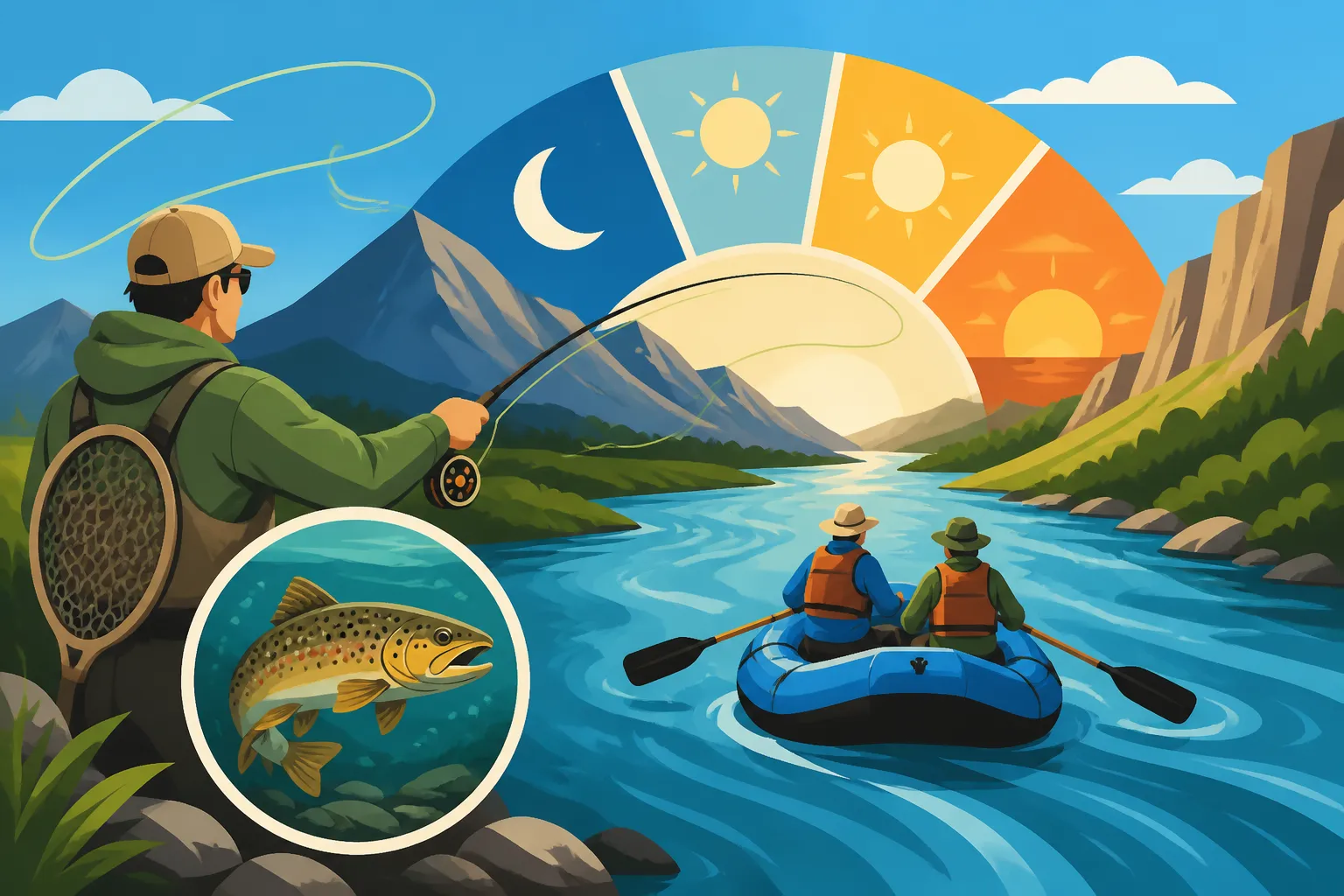
Most outfitters offer both morning and afternoon short-day trips. The morning trips often start quite early, around 7 or 8 AM, aiming to catch the fish when they're most active or to enjoy the tranquility before the river gets busier. These typically wrap up by lunchtime. Afternoon trips might kick off around 1 PM and run into the early evening, sometimes catching excellent evening hatches or a stunning sunset over the Tetons.
A common itinerary might look something like this:
- Arrival & Meet-up (30-45 minutes): Meet your guide at the outfitter's shop, sign waivers, use the facilities, get fitted for waders and boots if necessary, and receive a safety briefing.
- Shuttle to Put-in (15-30 minutes): A scenic drive in the outfitter's vehicle to the launch point.
- On-the-Water Time (3-4 hours): The actual floating and fishing or sightseeing portion. This is where the magic happens! Your guide will provide instruction, point out wildlife, and expertly navigate the river. For fishing trips, this includes multiple stops and drifts through promising water.
- Take-out & Shuttle Back (30-45 minutes): Landing the boat at the designated take-out, packing up gear, and shuttling back to the original meeting location.
It's important to communicate your expectations with your guide at the beginning of the trip. Do you want to focus heavily on fishing, or would you prefer a more leisurely pace with plenty of photo opportunities? A good guide will tailor the experience to your desires within the allotted time. When you're looking for an outfitter, checking platforms like FishingBooker can give you a clear idea of what different guides offer within their short-day packages, including typical start and end times.
Key Factors Influencing Your Trip's Duration
While there's a general timeframe for a short-day float, several variables can subtly adjust how long you're out there. It’s rarely an exact science, which is part of the charm of river trips – you're on river time, after all! Understanding these factors can help you appreciate why your guide might adjust the pace or route slightly, and it sets realistic expectations for your experience.
River Conditions and Flow Rates
The Snake River's flow rate plays a significant role in how quickly you move downstream. During periods of higher water, often in late spring and early summer due to snowmelt, the river flows faster. This means you'll cover more ground in less time. While this can be exhilarating, it also means less time to linger in specific fishing holes or simply drift and take in the scenery. Conversely, lower flows, which are common in late summer and fall, mean a slower drift, allowing for more precise fishing, more casts into each riffle, and a more relaxed pace overall. Wyoming Fishing Seasons and Water-Specific Closures can also impact accessible sections, which in turn can affect trip duration if guides need to adjust routes.
Weather conditions also play a role. Strong headwinds can slow a boat down significantly, requiring more effort from the guide to hold position or move forward. Conversely, a gentle tailwind can give a subtle boost. Your guide is constantly evaluating these conditions to ensure a safe and enjoyable trip, and sometimes that means adjusting the duration slightly to accommodate.
Your Group's Preferences and Fishing Success
Let's be honest, if the fish are biting like crazy, who wants to pack it in early? A big factor in the actual time spent on the water is often the fishing itself. If your group is having a fantastic day, consistently hooking Cutthroat Trout Fishing in Wyoming or other species, guides are often happy to extend the "on-the-water" portion slightly, within reason, to maximize the experience. This isn't always possible due to permits or subsequent bookings, but many guides strive to make each trip memorable.
Similarly, your group's overall energy and desires influence the trip. Are you a seasoned angler who wants to cast constantly and cover as much water as possible? Or are you a family with young children who might prefer a more relaxed pace, more stops for snacks, and plenty of wildlife viewing? Kid-Friendly Fishing Guides in Jackson Hole often adjust their trips for this. Communicating these preferences upfront with your guide is key. They want you to have the best time, and knowing what that looks like for you helps them manage the clock.
Guide Experience and Logistics
An experienced guide knows the river intimately. They know the most efficient shuttle routes, the best put-in and take-out points, and how to navigate around other boat traffic or obstacles. This efficiency in logistics ensures that more of your booked time is spent on the water, rather than waiting around. A less experienced guide might encounter delays in shuttling or finding prime spots, potentially eating into your float time.
Furthermore, the guide's personal style can influence duration. Some guides are known for their fast-paced, high-volume fishing approach, while others prefer a more laid-back, exploratory style. Neither is "better," but it certainly impacts how the hours feel. When researching guides, perhaps through an online booking platform like FishingBooker, pay attention to reviews that mention guide style. It can give you a hint about the overall flow of their trips. Don't forget, even small things like properly Carrying Your Wyoming Fishing License in the Field and being ready to go at the meet-up time can help ensure a smooth, on-schedule start to your adventure.
Short-Day vs. Full-Day: Which is Right for Your Adventure?
Deciding between a short-day and a full-day float on the Snake River is a common dilemma. Both offer incredible experiences, but they cater to different needs, preferences, and schedules. It's not about one being inherently "better" than the other, but rather which option aligns more with what you're hoping to get out of your Wyoming adventure. Understanding the pros and cons of each can help you make an informed choice that leaves you feeling satisfied, not short-changed or exhausted.
Advantages of a Short-Day Float
For many, the short-day float is the perfect compromise. It's often ideal for:
- Families with Younger Children: Kids, especially younger ones, can have shorter attention spans. A 4-6 hour trip (including travel) is often just right before they start to get antsy or tired. It allows them to experience the thrill of fishing or the beauty of the river without becoming overwhelmed.
- Beginner Anglers: If you're new to fly fishing or even just new to river fishing, a shorter trip can be less intimidating. It provides ample time to learn the basics, practice casting, and get a feel for the rhythm of the river without the pressure of a full day. You might even find that you learn How to Set the Hook on a Trout Without Losing It in a short amount of time!
- Busy Schedules: Are you in Jackson Hole for a few days with a packed itinerary of hiking, wildlife viewing, and exploring the national parks? A short-day float allows you to fit in a fantastic river experience without sacrificing an entire day. You can enjoy a morning float and still have your afternoon free for other activities, or vice versa.
- Budget-Conscious Travelers: Generally, Snake River Half-Day Float Trip Cost is less than a full-day trip, making it a more accessible option for those looking to experience a guided float without the higher price tag.
- Those Prone to Motion Sickness or Sun Exposure: Less time on the water means less exposure to the elements, which can be a relief for those who get seasick easily or are sensitive to prolonged sun exposure.
Why You Might Opt for a Full-Day Trip Instead
While short-day floats are wonderful, full-day trips offer a deeper dive into the Snake River experience. A full-day trip, which can often run 8-10 hours from start to finish, including travel and a riverside lunch, is usually better if:
- You're an Avid Angler Seeking Variety: Full-day trips allow guides to cover more river sections, explore different types of water (like braids, riffles, and deep pools), and target various species. This means more casting opportunities, a better chance at different fish, and a more comprehensive fishing experience. You'll have more time to truly learn How to Read Water When Trout Fishing.
- You Want a More Relaxed, Unrushed Pace: With a full day, there's less pressure to move quickly. You can spend more time in productive holes, enjoy a leisurely lunch on the riverbank, and simply soak in the tranquility of the surroundings without feeling like the clock is ticking. For comparison, you can read How Long a Full-Day Snake River Float Takes.
- You're Looking for a "Big Fish" Experience: While big fish can be caught on any trip, a full day simply provides more hours of opportunity. More casts, more drifts, and more time in varied water often translate to a higher chance of hooking that trophy trout.
- You Want a Comprehensive Scenic Experience: If your goal is primarily sightseeing and wildlife viewing, a full day allows for more extensive exploration of different river stretches and a greater chance of spotting iconic Wyoming wildlife, such as eagles, elk, or moose along the banks.
- You Prefer a Provided Lunch: Many full-day trips include a delicious, catered lunch provided by the outfitter, often served picnic-style on a scenic river bank. This adds to the overall relaxation and experience, eliminating the need to pack your own food.
Ultimately, both options provide an unforgettable journey on the Snake River. Consider your group's energy levels, budget, and what other activities are on your itinerary before making your decision.
Maximizing Your Short-Day Float: Preparation and Expectations
Even though a short-day float is, well, short compared to a full day, that doesn't mean you can't make the absolute most of it. In fact, smart preparation and clear communication can transform a good short trip into an unforgettable one. It's about setting yourself up for success, ensuring you're comfortable, and knowing what to expect so you can relax and truly immerse yourself in the natural beauty and fishing opportunities the Snake River offers.
What to Bring and Wear for Comfort
Being prepared with the right gear ensures you're comfortable and can focus on the experience. The weather in Wyoming, especially in the mountains, can change rapidly, so layering is always key.
Here’s a checklist of essentials, many of which can be found or rented from outfitters:
- Layers of Clothing: Even on a warm day, mornings can be chilly. Start with a moisture-wicking base layer, add a fleece or wool mid-layer, and bring a waterproof and windproof outer shell.
- Sun Protection: The sun reflects off the water, intensifying its effects. A wide-brimmed hat, sunglasses (polarized are a huge bonus for spotting fish), and high-SPF sunscreen are non-negotiable.
- Footwear: If you're wading, waders and wading boots (often provided by the outfitter) are necessary. Otherwise, comfortable shoes that can get wet, like sandals or old sneakers, are fine for the boat.
- Water and Snacks: While some outfitters provide water, always bring your own bottle. For a short-day trip, you might not have a full meal, so pack some easy-to-eat snacks like energy bars, fruit, or trail mix.
- Camera or Phone: You'll want to capture the stunning scenery and any fish you catch! Just be mindful of keeping electronics protected from water.
- Fishing License and Conservation Stamp: This is absolutely critical. You cannot fish without it. Make sure it's current and easily accessible. Outfit your trip by checking our guide on Where and How to Buy a Wyoming Fishing License.
- Small Backpack or Dry Bag: To keep your personal items organized and dry.
Remember, comfort equals enjoyment, so dress for success! Our guide on What to Wear on a Wyoming Guided Fishing Trip offers even more detailed advice.
Communicating with Your Guide
Your guide is your partner for the day, and clear communication is the foundation of a great trip. Before you even get in the boat, take a few minutes to chat with them.
- State Your Goals: Are you hoping to catch a specific type of fish, like the native Snake River Fine-Spotted Cutthroat? Are you more interested in learning casting techniques, or simply enjoying the scenery and catching whatever bites? Let them know.
- Share Your Experience Level: Don't be shy if you're a complete beginner. Guides are excellent teachers and will tailor their instruction to your skill level. Likewise, if you're an experienced angler, they can adjust to a more independent fishing style.
- Physical Limitations: If anyone in your group has mobility issues or other physical concerns, inform your guide. They can select sections of the river or adjust the pace to ensure everyone is comfortable and safe.
- Food Allergies/Preferences: If your trip includes any snacks or drinks, mention any dietary needs.
Outfitters often use services like FishingBooker to help clients find guides. When you're making your booking, there's usually a space to add notes about your preferences, which gives your guide a head start on planning your ideal trip. The more information you provide, the better they can customize the short-day float to your expectations.
Setting Realistic Expectations for a Shorter Timeframe
While a short-day float offers incredible value, it's important to remember you're not on the water for an entire day. This means:
- Less Water Covered: You won't be able to float as many miles as a full-day trip. Your guide will focus on the most productive or scenic sections within the available time.
- Fewer Fishing Spots: While you'll hit plenty of prime spots, a full-day trip naturally allows for more varied fishing locations.
- No Formal Riverside Lunch (Usually): Most short-day trips don't include a full, sit-down lunch. Plan to bring snacks or eat before/after your trip.
- Focus on Quality, Not Quantity: The beauty of a short-day is the concentrated quality of the experience. It's about enjoying the moments, the scenery, the casting, and the fish you do encounter, rather than trying to hit every single spot on the river.
By preparing properly, communicating clearly, and setting realistic expectations, your short-day Snake River float will be a fantastic and fulfilling adventure. You'll get to experience the beauty and thrill of Wyoming's famous river, even if it's for a concentrated few hours.
Disclaimer
This article is for general informational purposes only and does not constitute professional advice. Laws, prices and regulations vary by location and change over time. Consult a qualified professional for guidance on your specific situation.