How Often Wyoming Updates Its Fishing Regulations
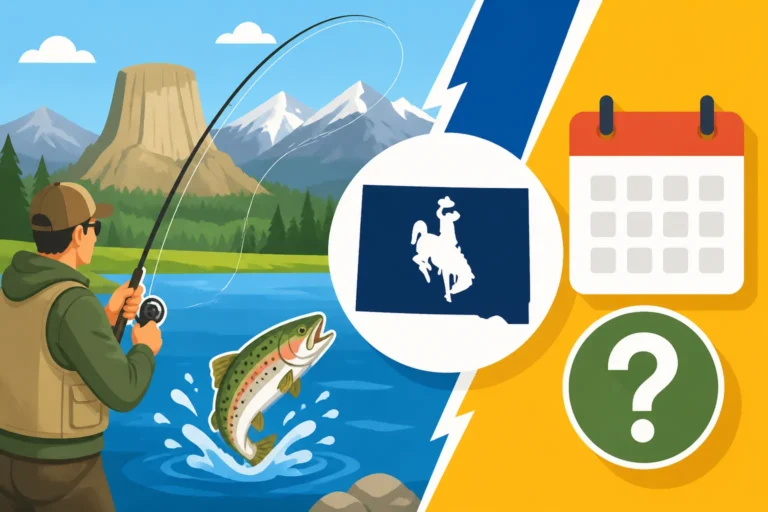
It's a common worry for any angler heading to Wyoming's incredible waters: are the rules still the same as last year? You put in all that effort planning your trip, only to wonder if a regulation changed overnight, potentially turning a relaxing day into a stressful one. Understanding how often Wyoming's fishing regulations are updated and where to find the latest information is crucial for a smooth and legal angling experience, and that's exactly what we'll dive into here.
The Regular Rhythm of Regulation Updates in Wyoming
Wyoming, with its vast and diverse fisheries, employs a thoughtful and structured approach to managing its regulations. This isn't a state where rules are arbitrarily changed every other month. Instead, there's a predictable pattern that, once you understand it, makes keeping up much less daunting. It’s a system designed to balance the needs of conservation with the desires of the angling public, but it does require anglers to pay attention to a specific cycle.
The Biennial Review Cycle
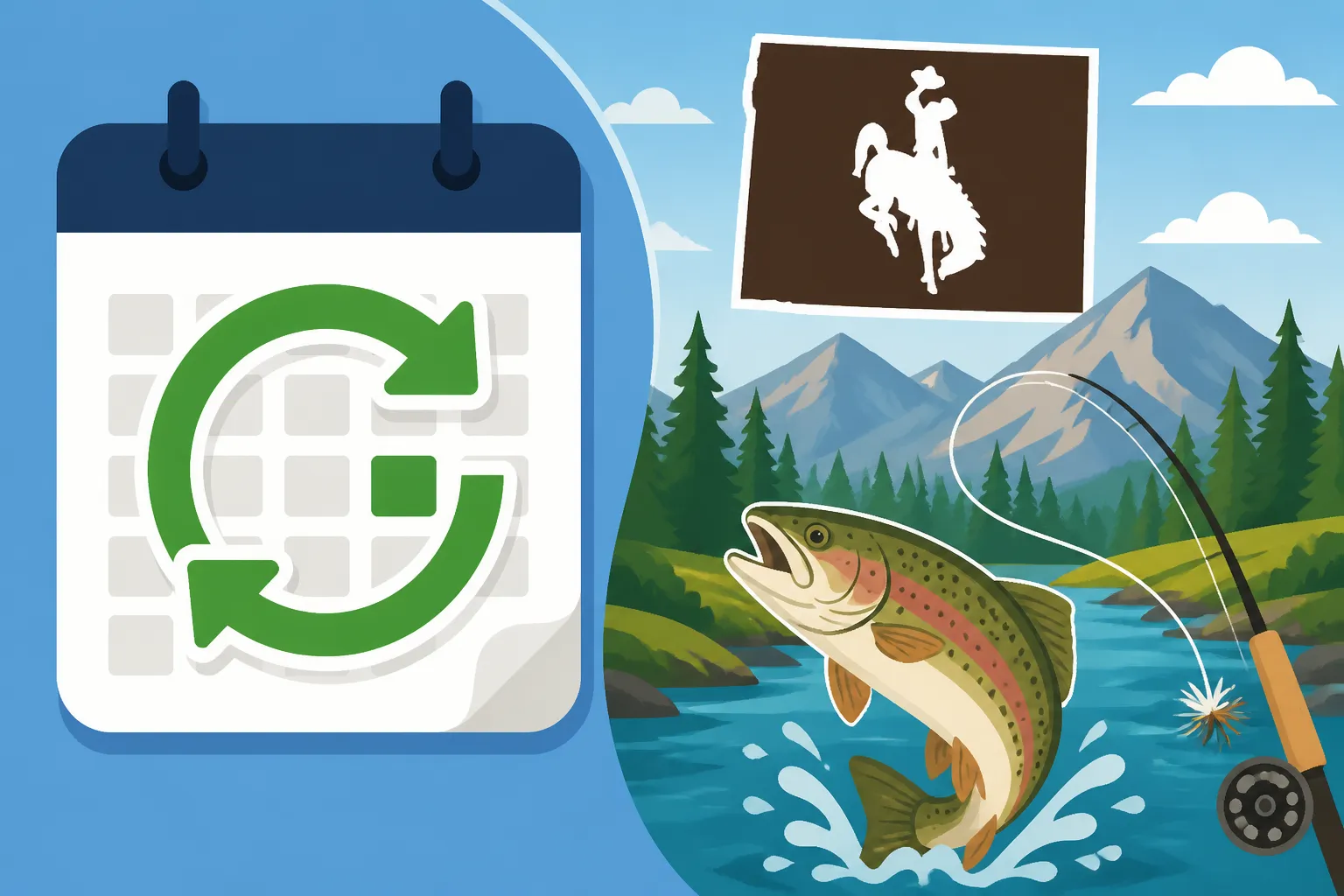
The most significant and comprehensive updates to Wyoming's statewide fishing regulations occur on a biennial basis. What does "biennial" mean in practical terms for you? It means that the main body of regulations is reviewed, revised, and officially adopted every two years. For instance, the regulations you're fishing under this year, say 2024, will likely be in effect for 2024 and 2025. Then, a new set of regulations would be adopted for the 2026-2027 cycle, and so on.
This two-year cycle allows the Wyoming Game and Fish Department (WGFD) to conduct thorough scientific reviews, collect public input, and implement changes that are based on sound biological principles. It helps create a degree of stability, so you aren't constantly guessing if the rules for your favorite lake or river have flipped overnight. However, it also means that when a new biennial cycle begins, there can be some pretty significant shifts in bag limits, season dates, or gear restrictions for certain waters. Many anglers often look forward to these updates, especially if they’re hoping for changes to manage specific fisheries better or even improve access. It's not a static environment, and understanding that the big shifts happen every other year is the first step to staying current. For a deep dive into upcoming changes, you might find it helpful to read about Wyoming's 2026 Fishing Regulation Changes Explained.
Public Input: Your Voice Matters
One of the cornerstones of Wyoming's regulation-setting process is public involvement. The WGFD isn't just making decisions in a vacuum; they actively seek and value angler input. Before a new biennial regulation cycle is finalized, the department proposes potential changes. These proposals are then made available to the public, often months in advance, through their website and various public meetings held across the state.
Anglers have ample opportunity to review these proposals, ask questions, and submit formal comments. This could be about anything from a proposed increase in the trout limit on a particular river to a new restriction on bait use in a sensitive spawning area. This process is your chance to influence the rules that govern your sport. It validates the frustration many anglers feel when they see a rule they don't agree with – here's your avenue to speak up! Your feedback is genuinely considered before the final regulations are approved by the Wyoming Game and Fish Commission. This commitment to public dialogue helps ensure that regulations reflect not just biological necessity but also the social and recreational values of Wyoming's fishing community.
In-Season Emergency Closures and Adjustments
While the biennial cycle governs the majority of regulation changes, it's absolutely crucial to understand that in-season emergency closures and adjustments can happen at any time. These are distinct from the regularly scheduled biennial updates and are usually enacted to protect fish populations during unforeseen circumstances.
Imagine a severe drought that causes river levels to drop dangerously low and water temperatures to soar. Such conditions can be lethal for trout, and in these cases, the WGFD might implement an emergency closure or Hoot Owl restrictions (limiting fishing to cooler morning hours) to minimize stress on the fish. Other reasons could include disease outbreaks, significant fish kills, or critical spawning periods that require immediate protection. These emergency measures are typically localized, affecting specific rivers, lakes, or even stretches of water rather than the entire state. They are designed to be temporary, lasting only as long as the critical conditions persist. It can be incredibly frustrating to plan a long-awaited trip only to find your target water is under an emergency closure, but these measures are vital for safeguarding Wyoming's precious fisheries. The best way to track these real-time changes is through the WGFD website or local notices. For more information on this, check out How Wyoming Sets In-Season Emergency Closures.
Understanding Why Fishing Regulations Evolve
Fishing regulations aren't designed to make your life difficult. On the contrary, they are living documents that evolve for very specific and important reasons. They are the WGFD's primary tool for managing and sustaining the state's incredible aquatic resources, ensuring that future generations can enjoy the same (or even better) fishing opportunities we have today.
Protecting Wyoming's Fisheries and Wildlife
At the heart of every regulation change is a commitment to conservation. The WGFD employs biologists and scientists who constantly monitor fish populations, habitat health, and ecosystem dynamics. When these experts observe declining numbers of a particular species, signs of overfishing, or threats to critical spawning grounds, regulation adjustments become necessary. For instance, if a specific cutthroat trout population isn't reproducing successfully, new catch-and-release rules or reduced bag limits might be put in place to give it a chance to recover.
These decisions are data-driven, relying on surveys, creel checks, and genetic analysis. It’s a scientific process aimed at maintaining ecological balance and protecting native species, like the iconic Yellowstone Cutthroat Trout, which are vital to Wyoming's natural heritage. Without these protections, popular fisheries could quickly become depleted, and unique species could face significant threats. While it might sometimes feel like a personal inconvenience, these measures are ultimately for the greater good of the resource.
Adapting to Environmental Shifts and Pressures
Wyoming's environment is dynamic, and so are its fisheries. Regulations must adapt to significant environmental shifts, many of which are exacerbated by broader climate patterns. For example, prolonged droughts can dramatically reduce water levels in rivers and reservoirs, concentrating fish and making them more vulnerable to angling pressure and heat stress. In such cases, the WGFD might implement temporary closures or adjust bag limits to protect the stressed fish.
Furthermore, the ongoing battle against aquatic invasive species (AIS) is a continuous driver of regulation changes. The presence of species like quagga and zebra mussels or harmful diseases can devastate native fisheries and ecosystems. Regulations related to boat inspections, draining water from vessels, and prohibitions on certain bait types (like live minnows) are direct responses to these threats. These rules, while sometimes cumbersome, are absolutely vital to prevent the spread of invaders that could irrevocably harm Wyoming's pristine waters. These environmental pressures mean regulations can never truly be static.
Balancing Angler Opportunity and Resource Health
One of the biggest challenges for the WGFD is striking a delicate balance between providing abundant angling opportunities and safeguarding the long-term health of the resource. Anglers want to catch fish, and ideally, keep some for a meal, but biologists need to ensure there are enough fish left to reproduce and sustain the population. This constant push and pull means regulations are often a compromise.
Consider popular spots like the North Platte River. High angler pressure could quickly deplete the trout population if left unchecked. So, special regulations might be implemented, such as catch-and-release sections or restrictions on bait, to manage the fishery for quality and sustainability. Conversely, if a reservoir becomes overpopulated with a certain species, like perch or smallmouth bass, the WGFD might liberalize limits to encourage harvest and help rebalance the ecosystem. These adjustments are always made with the dual goal of ensuring healthy fish populations and satisfying the recreational needs of the fishing public, even when it sometimes feels like one goal is favored over the other.
Your Go-To Strategy for Staying Informed
Navigating Wyoming's fishing regulations doesn't have to be a guessing game. There are clear, reliable sources you can and should consult regularly to ensure you're always fishing legally and responsibly. It’s an angler’s responsibility to know the rules, and thankfully, the resources are readily available.
The Official Wyoming Game and Fish Department Resources
Your absolute best and most authoritative source for current Wyoming fishing regulations is, without a doubt, the Wyoming Game and Fish Department (WGFD) itself. Their official website is a treasure trove of information, offering digital versions of the latest regulations, news releases about emergency closures, and real-time water condition updates. Before any trip, make it a habit to visit their site and specifically check the waters you plan to fish.
Beyond the website, the WGFD publishes an annual (or biennial, depending on the cycle) physical fishing regulations booklet. These booklets are free and available at WGFD offices, most license vendors, and many sporting goods stores throughout the state. I always recommend grabbing a physical copy; it’s easy to throw in your tackle box or truck console. While the official WGFD booklet is free and widely available, some folks like to have a spare or a more durable version, and you might even find reproductions or related guides available on Amazon, alongside all the gear you could ever need for your next adventure. Taking the time to understand this document is vital, and you can get some tips from Reading the Wyoming Fishing Regulations Booklet.
Harnessing Local Knowledge and Technology
While the official WGFD resources are paramount, supplementing them with local knowledge and modern technology can give you an edge. Local tackle shops, particularly in smaller towns near popular fishing destinations, are often the first to know about subtle changes, hot fishing spots, or newly enacted emergency regulations. The folks behind the counter usually live and breathe local fishing, and a quick chat can provide invaluable, up-to-the-minute insights that might not yet be widely publicized online.
Similarly, professional fishing guides and outfitters in Wyoming make it their business to be experts on current regulations. They can be a fantastic resource for confirming specific rules, especially if you're fishing a complex area. Beyond that, a growing number of fishing apps and online forums can offer a sense of what's happening on the water, but always cross-reference any information from unofficial sources with the WGFD's official channels. When preparing for your trip, remember you can also find a vast array of fishing gear on Amazon, from specialized lures that adhere to local bait restrictions to waterproof cases for your phone or physical regulation booklet, ensuring you're always prepared. For a more direct approach to finding information, consult Where to Find Current Wyoming Fishing Regulations.
The Perils of Outdated Information
Fishing with outdated information isn't just a minor oversight; it can lead to serious consequences. Ignorance of the law is never an excuse, and game wardens are diligent in enforcing regulations to protect the state's resources. Getting caught with an undersized fish, an over-limit catch, or using illegal bait can result in hefty fines, confiscation of your gear, and even the loss of your fishing privileges.
Imagine spending good money on a trip, only to have it ruined by a citation because you didn't realize the bag limit for brown trout had changed from six to three, or that a specific stretch of river now requires barbless hooks. The frustration and expense are easily avoidable by simply taking the time to verify the latest regulations. It's a small investment of time that protects your wallet, your reputation, and most importantly, Wyoming's incredible fishing future. Don't let a simple oversight turn your dream fishing trip into a legal headache. You can learn more about the consequences by reading about Fines and Penalties for Common Fishing Violations.
Common Types of Regulation Changes You Might Encounter
When regulations do change, whether through the biennial review or an emergency adjustment, they typically fall into a few key categories. Knowing what types of changes to look for can help you quickly identify the most relevant updates for your specific angling plans.
Bag and Possession Limit Adjustments
These are some of the most common and impactful changes you'll encounter. Bag limits dictate how many fish of a certain species you can keep in a single day, while possession limits refer to the total number of fish you can have in your possession at any given time, including those at your campsite, vehicle, or home. These limits are crucial for managing fish populations and ensuring sustainable harvest.
For example, the daily bag limit for rainbow trout on a popular reservoir might be reduced from six to four if biologists observe a decline in the population. Conversely, if an invasive species like burbot (ling) is causing problems in a particular lake, the WGFD might liberalize the limits, encouraging anglers to keep as many as they catch to help control the population. Sometimes, specific size restrictions are also introduced, such as a "slot limit" where fish within a certain size range must be released, or a rule allowing only one fish over a certain trophy size. Always double-check these numbers for the waters you intend to fish. Understanding the nuances is key, as explored in How Bag and Possession Limits Work in Wyoming.
Season Dates and Water-Specific Closures
While many popular waters in Wyoming are open year-round for certain species, season dates can be highly specific and vary dramatically by water body. Regulation changes might involve altering the opening or closing dates for a particular lake or river, especially those with sensitive spawning grounds for species like cutthroat or brown trout. For instance, a stream might be open to fishing from May 1st to October 31st, but a regulation change could shift those dates, or implement a specific catch-and-release only period during certain months.
Beyond calendar dates, water-specific closures are common. These might be seasonal, such as a section of a river closing during a bird nesting season, or temporary due to environmental concerns like low water and high temperatures. Sometimes, entire waters are temporarily closed for restoration projects or due to the presence of aquatic invasive species. Failing to heed these closures isn't just illegal; it can directly undermine conservation efforts and put fish populations at risk. Always review the specific regulations for your chosen fishing spot before you head out. More details on this can be found in Wyoming Fishing Seasons and Water-Specific Closures.
Gear, Bait, and Method Restrictions
Another category of frequent regulation changes involves the specific gear, bait, and methods you're allowed to use. These rules are often implemented to reduce mortality rates for certain species, prevent the spread of disease, or maintain the "quality" of a fishery. A classic example is the increasing prevalence of barbless hook requirements on blue-ribbon trout streams. The North Platte River, for instance, has several stretches where barbless hooks are now mandatory to increase the survival rate of released trout. Anglers frequently turn to online retailers like Amazon to ensure they have a supply of these specialized hooks ready for their trips.
Similarly, bait restrictions are common. While live minnows are legal in some waters, they are strictly prohibited in others to prevent the introduction of unwanted species or diseases. Rules might also dictate whether you can use scented baits, corn, or even certain types of artificial lures. Furthermore, the use of multiple rods (two-pole fishing) is often allowed in reservoirs with a specific permit, but it's rarely permitted on trout streams, and the rules around obtaining and using a two-pole permit can sometimes change. Making sure your tackle box complies with the local rules is just as important as knowing your limits. Learn more about specific gear rules by checking out Barbless Hook Requirements on the North Platte River and Two-Pole and Multiple-Rod Rules in Wyoming.
Here's a quick summary to help you keep track:
| Regulation Type | Frequency of Change | Key Information to Check | Where to Find Updates |
|---|---|---|---|
| General Regulations | Biennial (Every 2 years) | Statewide and water-specific rules | WGFD Website, Official Booklet |
| Emergency Closures | As Needed (In-Season) | Temporary closures, Hoot Owl rules | WGFD Website, News Releases, Local Signs |
| Bag & Possession Limits | Biennial (often water-specific) | Number of fish to keep, size limits | WGFD Website, Official Booklet |
| Season Dates | Biennial (often water-specific) | Open/closed periods for waters/species | WGFD Website, Official Booklet |
| Gear/Bait Restrictions | Biennial (often water-specific) | Hook type, bait legality, rod limits | WGFD Website, Official Booklet |
Remember, the responsibility to know and abide by current regulations rests squarely on your shoulders. Staying informed is a small effort that pays huge dividends in ensuring a legal, enjoyable, and sustainable fishing experience in the incredible state of Wyoming.
Disclaimer
Please remember that fishing regulations can change. While every effort has been made to provide accurate and up-to-date information, it is your responsibility to consult the official Wyoming Game and Fish Department (WGFD) regulations before heading out to fish. This content is for informational purposes only and should not be considered a substitute for the official WGFD regulations.