How Cold Is Too Cold to Fish in Wyoming?
It’s a common dilemma for anyone who loves fishing in Wyoming: you’re bundled up, the truck’s running, and you’re looking out at a frozen landscape or a biting wind, wondering, "Is it actually too cold to go fishing today?" We’ve all been there, battling the urge to hit the water even when the thermometer is flirting with single digits or worse. This guide is all about helping you navigate those chilly Wyoming days, focusing on safety, understanding how fish react to extreme cold, and equipping you with the knowledge to make smart decisions, so you can enjoy the crisp air and maybe even land a trophy, without putting yourself at risk.
Understanding the True Meaning of "Too Cold" in Wyoming Fishing
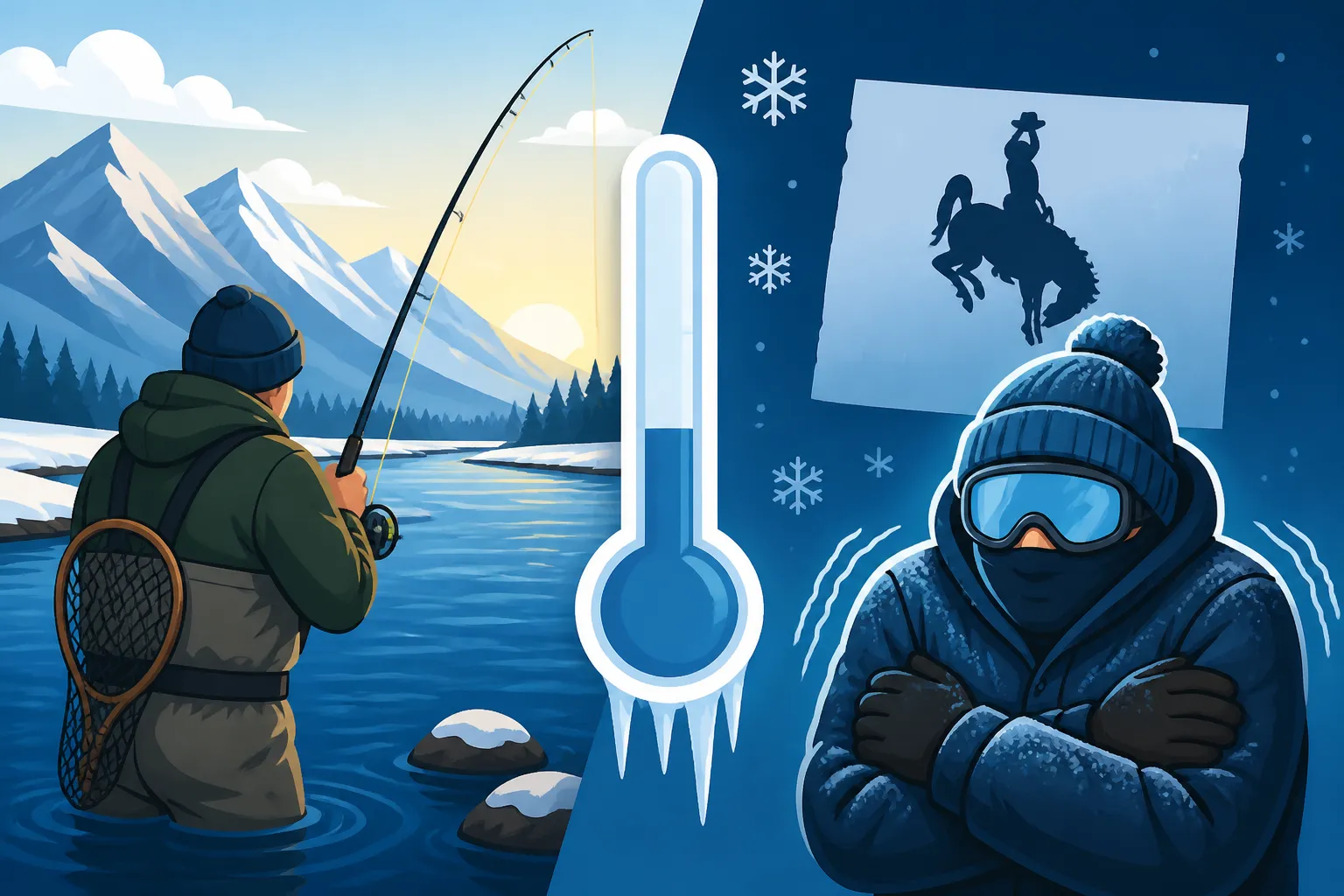
When we talk about "too cold" for fishing in Wyoming, it's rarely just about the number you see on the thermometer. Our state's weather is infamous for its dramatic swings and additional elements that can turn a seemingly manageable temperature into a dangerous situation in a hurry. You might think -10 degrees Fahrenheit is too cold, but is 10 degrees Fahrenheit with a 30 mph wind also too cold? The answer is often a resounding yes, and understanding why is the first step to safe winter angling.
Beyond the Thermometer: Wind Chill and Exposure Risks
The ambient air temperature is just one piece of the puzzle. In Wyoming, wind is almost always a factor, and it dramatically amplifies the perceived cold, a phenomenon we call wind chill. A relatively mild 20-degree day can feel like zero or even colder with a stiff breeze ripping across a high plain or down a canyon. This isn't just about discomfort; wind chill can accelerate heat loss from your body at an alarming rate, making you susceptible to serious cold-related injuries like frostbite and hypothermia much faster than you might realize.
Imagine you're out on a late-season float trip on the North Platte River Fishing Guide and the air temperature is a brisk 25 degrees. You're feeling pretty good, casting into some promising runs. Then, a gusty wind picks up, blowing at 20 miles per hour. That 25 degrees now feels like a frigid 9 degrees Fahrenheit to your exposed skin. If your hands get wet while releasing a fish, or you accidentally step into the river and soak a boot, that wind-driven cold can turn a minor mishap into a dangerous situation within minutes. Your fingers and toes, nose, and ears are particularly vulnerable to frostbite, and sustained exposure to these amplified cold conditions can quickly lead to the onset of hypothermia, even if you feel relatively comfortable at the start of your trip.
The Human Factor: Individual Tolerance and Preparedness
It’s also important to remember that "too cold" is a subjective experience. What one seasoned ice angler considers a perfect day on Best Ice Fishing Lakes in Wyoming might send another shivering angler packing after an hour. Factors like your age, general health, metabolism, and even what you had for breakfast can influence your body's ability to generate and retain heat. Someone who is well-rested and properly fueled will generally fare better than someone who is fatigued or hasn't eaten enough.
Beyond your personal physiology, your level of preparedness is paramount. If you're heading out with inadequate layers, non-waterproof boots, or a flimsy hat, even a moderately cold day can become "too cold" very quickly. It's not just about having some warm clothes; it's about having the right warm clothes. Think about the last time you were out on the ice or along a blustery riverbank. Did you have an extra pair of dry gloves? Did your boots keep your feet truly warm and dry for hours? If not, those seemingly minor gear deficiencies can be the tipping point that makes a marginal day unbearable or even unsafe. The commitment to preparedness drastically shifts your personal threshold for what constitutes "too cold."
How Extreme Cold Affects Fish Behavior and Bite Rates
Just as the cold affects us, it profoundly impacts the fish we're trying to catch. Fish are cold-blooded creatures, meaning their internal body temperature mirrors their surroundings. This fundamental biological truth dictates their behavior, metabolism, and ultimately, their willingness to bite when the water temperature plummets in Wyoming's lakes and rivers. Understanding these changes is key to both knowing if it's worth going out and how to approach your fishing strategy.
Cold-Blooded Realities: Fish Metabolism and Activity Levels
When water temperatures drop significantly, a fish's metabolism slows down dramatically. Think of it like a car idling in neutral versus one cruising at highway speeds; their bodies require less energy, and consequently, they don't need to feed as often or as aggressively. This metabolic slowdown is a survival mechanism, conserving energy during times of scarcity and harsh conditions. You won't find fish chasing down fast-moving lures or flies with the same vigor they would in warmer months. Their movements become sluggish, and their feeding windows narrow considerably.
For instance, trout in a cold mountain stream might only feed for short bursts during the warmest part of the day, or when an easy meal drifts right into their strike zone. They're not expending precious energy to hunt down prey. This means that if you're fishing on a truly frigid day, you might experience significantly fewer bites, and the bites you do get might be incredibly subtle, barely a tap on the line. It's a testament to their energy conservation, and it demands a different approach from the angler. If you’re used to active summer fishing, the winter bite can be a real shock, leading many to believe there are no fish to be had, when in reality, they're just moving at a different pace.
Finding Fish in Winter: Deep Water and Thermal Refuges
As water temperatures plummet, fish, particularly larger species like lake trout or walleye, often seek out the most stable and often deepest water available. Deep water, especially in larger reservoirs like Wyoming's Flaming Gorge Reservoir Fishing Guide or Wyoming's Boysen Reservoir Fishing Guide, maintains a more consistent temperature than shallower areas, acting as a thermal refuge. Here, they can comfortably hold without expending too much energy. Structures like submerged points, humps, and channel edges become prime holding zones.
In rivers, fish might congregate in deep pools, slow eddies, or below dams where tailwater temperatures are often more stable. Understanding Why Tailwaters Fish Well in Winter can be a game-changer for winter river anglers, as these sections often provide slightly warmer, more consistent water flows. Furthermore, fish will orient themselves to minimize current, saving energy. They'll tuck behind rocks, sit on the bottom of a deep run, or hug undercut banks, waiting for food to drift by. Knowing these winter holding patterns is crucial because blindly casting into traditional summer spots will likely yield little success. The fish are there, but they've moved, adapting to the cold conditions to conserve their precious energy.
Essential Gear and Safety Measures for Cold Weather Fishing
Once you’ve decided that it's not too cold to fish, or at least you’re going to give it a try, your next priority must be ensuring you have the right gear and safety protocols in place. Wyoming's winter can be unforgiving, and a small oversight in your preparation can quickly turn a fun outing into a dangerous situation. Think of your gear as your first line of defense against the biting cold.
Layering for Survival: What to Wear in Frigid Conditions
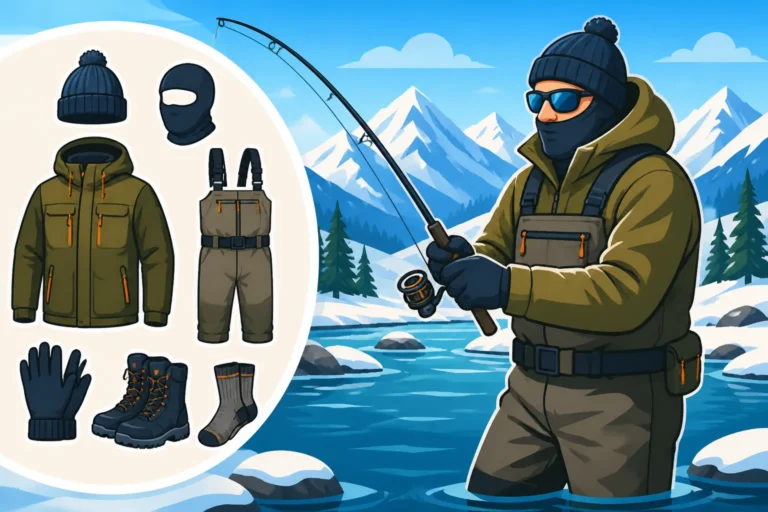
Proper layering is not just a suggestion; it's an absolute necessity for How to Dress for Winter Fishing in Wyoming. Forget the bulky single jacket that restricts your movement. The key is to create an intelligent system of clothing that traps warm air, wicks away moisture, and provides a barrier against wind and precipitation.
Start with a good base layer. This is your foundation and should be made of moisture-wicking material like merino wool or synthetic blends. Cotton is a definite no-go as it retains moisture and will make you colder once wet. Next, add a mid-layer for insulation. Fleece jackets, down vests, or thicker wool sweaters work perfectly here. These layers provide bulk and trap warmth. Finally, your outer layer needs to be waterproof and windproof. A high-quality fishing jacket and bibs or pants will protect you from snow, sleet, and that relentless Wyoming wind. Don't forget extremities: an insulated hat that covers your ears, warm, waterproof gloves (maybe even two pairs—one for fishing, one for backup), and well-insulated, waterproof boots are non-negotiable. Many anglers find excellent base layers, insulated gloves, and waterproof outerwear options readily available on platforms like Amazon, allowing you to compare features and reviews before making a purchase. Remember, you can always shed layers if you get too warm, but you can't add what you didn't bring.
Ice Safety 101: When to Stay Off the Hard Water
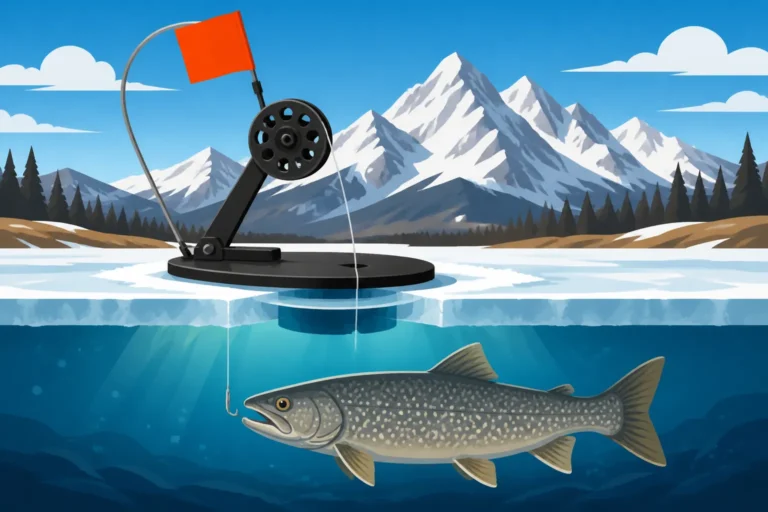
Ice fishing is an iconic Wyoming pastime, but it comes with inherent risks, primarily falling through thin ice. Every year, we hear stories of close calls or, tragically, worse. It's crucial to understand How Thick Ice Needs to Be to Fish Safely before you even step foot on it. The widely accepted minimum for safe walking on clear, solid ice is 4 inches for a single person. For ATVs or snowmobiles, you're looking at 5-7 inches, and for light trucks, 8-12 inches. These are general guidelines, and ice thickness can vary wildly even within the same body of water due to currents, springs, and fluctuating temperatures.
Never assume the ice is safe just because others are out there. Always check ice thickness yourself with an auger or spud bar as you venture out. Carry safety equipment like ice picks (worn around your neck for easy access) and a throw rope. Consider wearing a flotation suit, especially if you're fishing alone or pushing the limits of ice thickness. If you see discolored ice, slushy areas, or hear groaning and cracking, it's a clear signal to turn back. When the ice fishing season is really getting going, like When Ice Fishing Season Starts in Wyoming, it’s important to remember that early ice can be very inconsistent. Always prioritize safety over catching fish; no fish is worth risking your life.
Emergency Preparedness: Communication and First Aid
Beyond your clothing and ice safety gear, having a comprehensive emergency plan is critical when fishing in cold Wyoming conditions. The remote nature of many of our best fishing spots means help can be a long time coming if something goes wrong. First and foremost, always tell someone where you're going, your expected return time, and what your backup plan is. This "float plan" is invaluable if you don't check in when expected.
Carry a fully charged cell phone, but don't rely solely on it for communication. Remote areas often lack cell service. A satellite communicator or personal locator beacon (PLB) can be a lifesaver in truly isolated locations. Additionally, a basic first aid kit is essential, but in cold weather, it should include items specific to cold-related injuries: Mylar blankets for hypothermia, extra hand warmers, and any personal medications. High-energy snacks and a thermos of hot coffee or tea can provide much-needed warmth and fuel. Even something as simple as a portable power bank for your phone, which you can find easily on Amazon, can make a huge difference in an unexpected emergency. Being prepared for the worst allows you to enjoy the best of Wyoming's winter fishing with peace of mind.
Strategies for Successful (and Safe) Winter Fishing in Wyoming
Now that you're geared up and safety-minded, let's talk about how to actually catch some fish when the temperatures plunge. Winter fishing in Wyoming can be incredibly rewarding, offering solitude and the chance at truly impressive fish, but it requires a strategic shift from warmer seasons. It's not just about enduring the cold; it's about outsmarting the fish in their dormant state and knowing when to prioritize your well-being.
Targeting the Right Time: Sunny Days and Mid-Day Bites
When the air is frigid, timing becomes paramount. Fish, especially trout, will often be most active during the warmest part of the day, typically from late morning to mid-afternoon. On a sunny day, even if the air temperature is still low, the sun penetrating the water can cause a slight temperature increase, which can be enough to spur fish into a short feeding window. These sunnier periods can also be more comfortable for the angler.
Choosing a day with minimal wind is also key. Even if it's 20 degrees Fahrenheit, a calm, sunny day will feel far more tolerable than 30 degrees Fahrenheit with a strong breeze. Keep an eye on the forecast, and don't be afraid to adjust your plans. Sometimes, waiting for a weather window with a milder mid-day high and less wind is the difference between a miserable, fishless outing and a successful, enjoyable one. Checking a weather app or local reports for Wyoming Fishing Seasons Month by Month can help you pinpoint these optimal windows, making your cold-weather excursions much more productive and pleasant.
Slow and Subtle: Adjusting Your Technique for Cold Water
As we discussed, fish metabolism slows down in cold water. This means they are less likely to chase down a rapidly retrieved lure or a quickly stripped fly. Your technique needs to adapt to their lethargic state. Think slow, think subtle, and think small. For spin fishing, this means slow retrieves with jigs, small spoons, or soft plastics. Let your bait sink and sit on the bottom for extended periods, only moving it with small twitches. The goal is to present an easy meal that requires minimal effort for the fish to intercept.
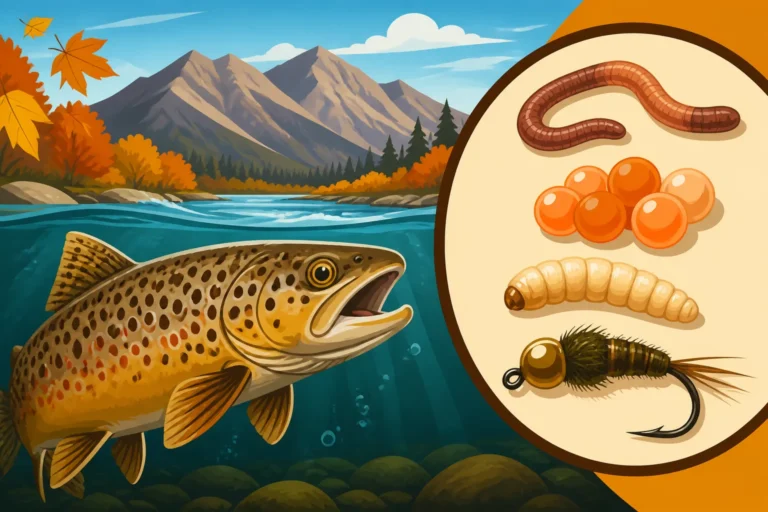
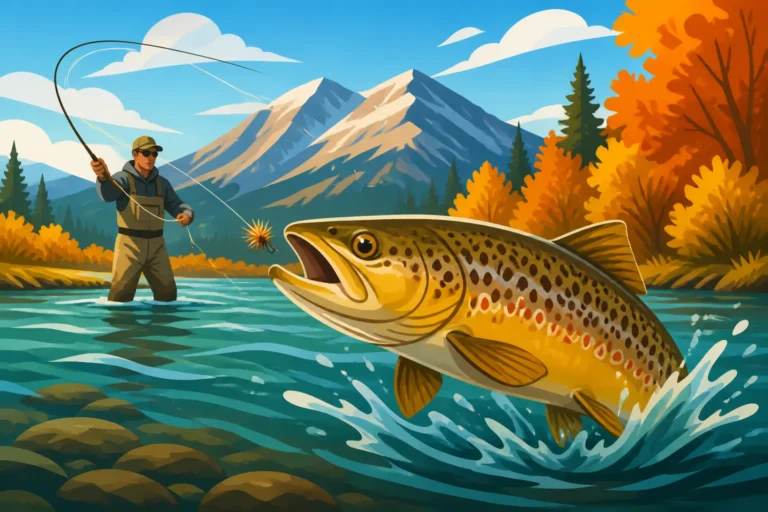
For fly fishing, nymphing techniques become incredibly effective, particularly on tailwaters. Dead-drifting small, heavily weighted nymphs along the bottom, often under an indicator, mimics natural insect larvae drifting helplessly in the current. Streamer fishing can also be productive, but again, think slower, more deliberate strips. Allow your streamer to sink and pause, imitating a struggling baitfish rather than one trying to escape. Understanding Best Winter Fishing Technique Below Flaming Gorge Dam for species like lake trout often involves slow jigging or trolling very slowly with downriggers, again, emphasizing a deliberate and low-energy presentation. Fish in cold water are opportunistic, and your presentation should reflect that.
Knowing When to Call It Quits: Prioritizing Safety
Ultimately, the most important strategy for cold weather fishing in Wyoming is knowing when to pack it in. No fish is worth risking frostbite, hypothermia, or a serious accident. If you start to feel uncontrollably cold, notice numbness in your fingers or toes, or experience shivering that won't stop, it's time to go home. These are early warning signs that your body is losing the battle against the cold. Your judgment can become impaired as hypothermia sets in, so it's vital to recognize these signs early.
Don't let "one more cast" lead to regret. Be honest with yourself about your comfort level and your physical state. It's perfectly okay to shorten a trip if conditions worsen unexpectedly or if you simply aren't feeling it. Have a turnaround point in mind – perhaps a specific time or a certain feeling of coldness – and stick to it. Always err on the side of caution. There will always be another day to fish. Prioritizing your safety ensures you'll be able to enjoy many more winter fishing adventures in Wyoming.
| Condition | Air Temp | Wind Chill | Risk Level | General Advice |
|---|---|---|---|---|
| Mild Winter Day | 25-35°F | 20-30°F | Low | Layered clothing, waterproof outerwear. Monitor conditions. |
| Chilly with Light Wind | 15-25°F | 5-15°F | Moderate | Heavy layers, insulated boots/gloves. Focus on mid-day fishing. |
| Cold with Moderate Wind | 5-15°F | -10-0°F | High | Excellent full body insulation, minimal exposed skin. Frequent checks for frostbite. |
| Frigid with Strong Wind | <5°F | < -10°F | Very High | Consider postponing. If fishing, strict safety protocols, short trips, partner fishing. |
Disclaimer
This article is for general informational purposes only and does not constitute professional advice. Laws, prices and regulations vary by location and change over time. Consult a qualified professional for guidance on your specific situation.