How to Fish Streamers for Trophy Brown Trout
Chasing after those elusive, truly massive brown trout in Wyoming can feel like a lifelong quest, often leading to more frustration than triumph. You spend hours casting, changing flies, drifting nymphs, and still, those leviathans seem to be mocking you from their deep, dark holding lies. It’s easy to feel defeated when the smaller fish are biting, but the lunkers remain hidden. This guide is here to unravel the mystery of how to effectively use streamers to target and land those trophy brown trout that call Wyoming’s magnificent waters home, turning your fishing dreams into a tangible reality.
Why Streamers are the Secret Weapon for Trophy Browns
When it comes to enticing the largest, most predatory brown trout, streamers aren't just an option; they're often the only option. These fish aren't casually sipping tiny mayflies off the surface; they're apex predators looking for a substantial meal. Understanding their predatory nature is key to unlocking the streamer's power.
Understanding Brown Trout Behavior and Diet
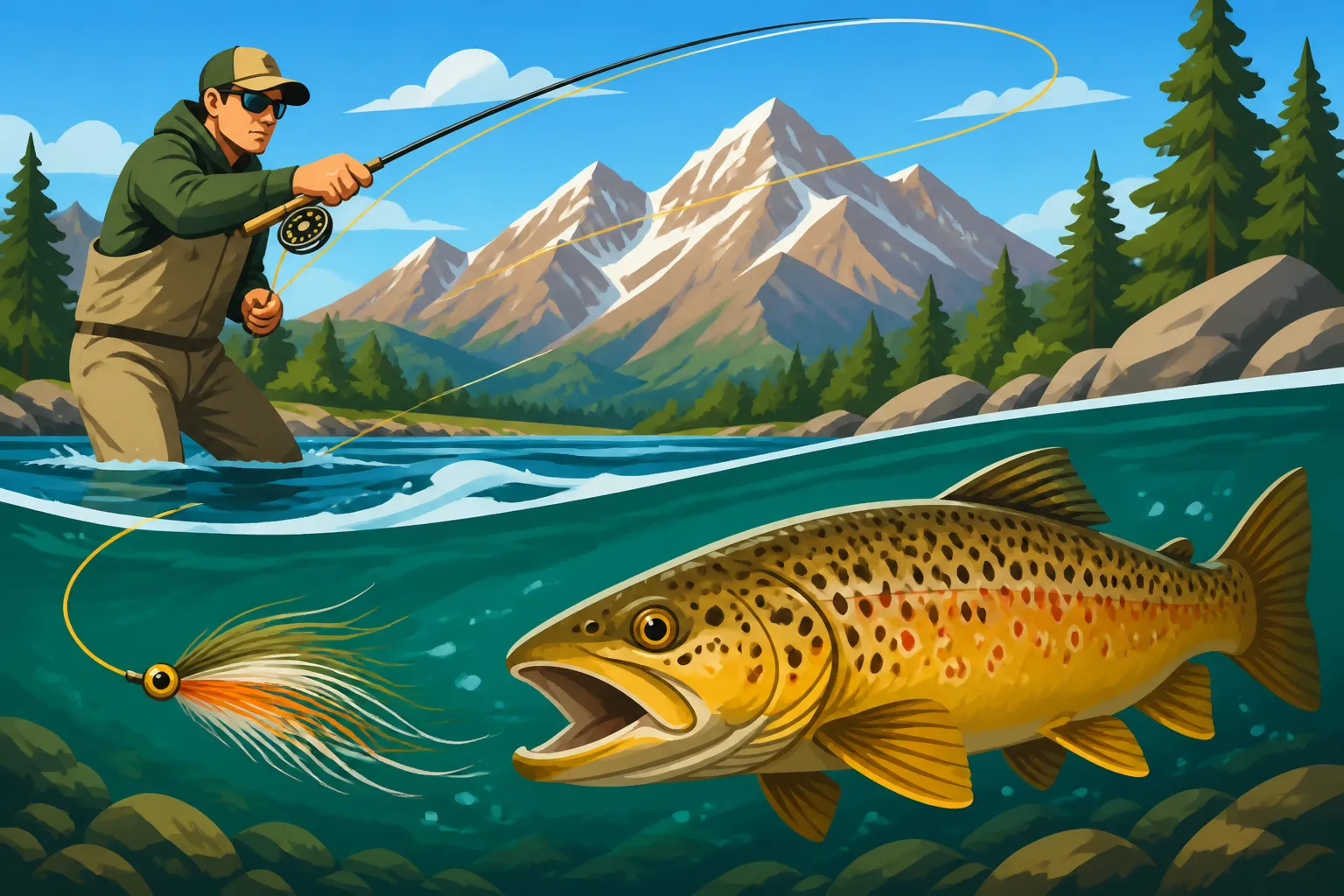
Brown trout, especially the big ones, are opportunists and cannibals. As they grow, their diet shifts dramatically from insects to larger forage like baitfish, sculpins, leeches, crayfish, and even smaller trout or rodents that might accidentally fall into the water. Think about it: why would a 25-inch brown trout expend precious energy chasing a size 18 mayfly when it could ambush a 6-inch sculpin and get a massive caloric intake in one go? This predatory instinct is what makes streamer fishing so incredibly effective. They hide in ambush points, waiting for an unsuspecting meal to drift or swim by. You'll find them lurking in deep pools, under cut banks, behind large boulders, or nestled in logjams, especially where current brings food directly to them. Their territorial nature also plays a role; a large streamer invading their space can trigger an aggressive strike, even if the fish isn't actively feeding.
The Mimicry Factor: Why Streamers Fool Big Fish
Streamers are designed to imitate these larger prey items, creating a visual and hydrodynamic illusion that triggers a predatory response. The way a well-tied streamer moves in the water, pulsating and darting, mimics a fleeing baitfish or a wounded sculpin. This isn't about perfectly matching a specific hatch; it's about appealing to a brown trout's base instincts: hunger and territorial defense. The flash, the profile, and the movement are all critical components. A good streamer will look alive, even when retrieved slowly. When you strip a streamer through a deep run, you're essentially offering a brown trout a large, easy target—a high-reward meal that's too tempting to pass up. This contrasts sharply with delicate dry fly or nymph fishing, which targets actively feeding fish. Streamer fishing is about provoking a strike from a fish that might otherwise ignore everything else you throw at it.
Essential Gear for Streamer Fishing Success
To effectively cast and work streamers, you'll need specialized gear that can handle the larger flies and the potential fight from a trophy-sized fish. Skimping on tackle here can lead to lost fish, broken rods, and endless frustration.
Rods, Reels, and Lines for Heavy Work
Forget your delicate 4-weight trout setup; streamer fishing requires more horsepower. A 6 or 7-weight fly rod is generally considered the sweet spot for streamers in Wyoming. This provides the backbone needed to cast heavy, wind-resistant flies, cut through the often-breezy conditions, and control a powerful brown trout once hooked. A fast-action rod is preferable, as it offers the power and responsiveness to punch out long casts and quickly set the hook. For reels, you'll want something with a smooth, reliable drag system and enough capacity for your fly line plus 100-150 yards of backing. A large arbor reel is a good choice for quicker line retrieval, which can be crucial when a big fish runs directly at you.
The most critical component after the rod is often the fly line. A standard floating line might work for small streamers in shallow water, but for getting larger streamers down to where the big browns live, you'll want a weight-forward sinking tip or full sinking line.
- Sinking Tip Lines: These lines have a floating running line and a dedicated sinking tip (typically 10-20 feet) that helps get your fly down quickly. They're versatile and great for rivers where you might encounter varying depths. Rio Products and Scientific Anglers offer excellent sinking tip lines designed for streamer fishing.
- Full Sinking Lines: For targeting deep pools or large lake structures, a full sinking line (often designated with various sink rates like F/S III, F/S V, etc.) is invaluable. These lines sink at a consistent rate along their entire length, ensuring your streamer gets and stays in the strike zone. You can often find these lines on platforms like Amazon for competitive prices.
Having a selection of lines or at least a spare spool with a different sink rate can make a huge difference in adapting to various water conditions.
Leader and Tippet: The Crucial Connection
When you're throwing big, meaty streamers, your leader and tippet setup needs to be robust. Light leaders designed for dry flies will snap under the strain of casting large flies and definitely won't stand up to a big brown trout's powerful jaws and fight.
- Leader: Start with a leader that’s shorter than what you’d use for nymphs or dry flies, typically 4-7 feet in length. A shorter leader helps turn over the heavy streamer and maintains better control over its sink rate and action. A standard 0X or 1X tapered leader is a good starting point, but many anglers opt for specialized "streamer leaders" that have a much shorter, powerful butt section and a strong, non-tapered tip.
- Tippet: Your tippet should match the leader's strength and the size of your fly. For most streamer fishing, 1X (12 lb test) to 0X (15 lb test) fluorocarbon tippet is ideal. Fluorocarbon is less visible underwater and more abrasion-resistant than monofilament, which is a major advantage when fishing around rocks and debris where big browns often hide. Make sure to attach your tippet to your leader with strong knots like a blood knot or a surgeon's knot, and always check for nicks and abrasions after every few fish or snags. Remember, a cheap tippet can mean losing that trophy fish you've been dreaming of.
Must-Have Streamer Patterns for Wyoming
The world of streamers is vast and varied, but a few patterns consistently produce big fish in Wyoming's waters. When you're building your box, think about imitating sculpins, baitfish, leeches, and crayfish.
Here are some essential patterns:
| Streamer Type | Best Imitates | Key Features | Common Sizes | Color Variations |
|---|---|---|---|---|
| Woolly Bugger | Sculpins, Leeches, Crayfish | Versatile, weighted, pulsating marabou tail | #4 – #10 | Olive, Black, Brown, White |
| Sculpzilla | Sculpins | Weighted head, realistic profile, jigging action | #4 – #8 | Olive, Tan, Black |
| Articulated Streamers | Large Baitfish | Multi-jointed body for lifelike swimming action | #2 – #6 | White, Olive, Brown, Yellow/Olive |
| Sex Dungeon | Large Baitfish, Sculpins | Large profile, rabbit strip, deer hair head | #2 – #6 | Tan, Olive, Black, White |
| Double Bunny | Baitfish, Leeches | Two rabbit strips for maximum movement | #2 – #6 | Black, Olive, White |
| Clouser Minnow | Baitfish | Jigging action, sparse profile, weighted eyes | #2 – #8 | Chartreuse/White, Blue/White, Grey/White |
When fishing for Brown Trout in Wyoming's Tailwaters or larger rivers like the North Platte, it's often best to carry a variety of sizes and colors. Sometimes, a subtle olive sculpin pattern will work wonders, while other times, a bright white or chartreuse articulated streamer will trigger an aggressive chase. Don't be afraid to experiment, especially when conditions are tough. Many of these patterns, along with high-quality hooks and tying materials, are readily available online through retailers like Amazon or at local fly shops in fishing hubs like Casper or Jackson.
Mastering Streamer Casting and Presentation
Getting your streamer to where the big fish are, and making it behave like a natural prey item, is an art form. It requires more than just flinging line; it demands precision, understanding, and intentional retrieves.
Reading the Water for Brown Trout Lairs
Before you even make a cast, take a moment to "read the water." Big brown trout are masters of efficiency. They'll position themselves in places where they can ambush prey with minimal effort while staying hidden from predators (including you). Look for:
- Deep Pools and Runs: These are classic holding water, especially the deeper sections where the current slows just enough for a fish to rest.
- Cut Banks: The undercut banks of a river provide perfect overhead cover and a hiding spot from which a brown trout can dart out to grab passing food. This is often where you'll find the biggest, most cautious fish.
- Logjams and Submerged Structure: Any form of underwater cover—fallen trees, large boulders, rock piles—creates current breaks and ambush points. These are high-percentage spots for trophy browns.
- Seams and Eddies: The transition zone where fast current meets slow water is a prime feeding lane. Food gets funneled here, and brown trout will sit in the slower water, darting into the faster current to intercept a meal.
- Turbulent Water: Don't overlook rough, turbulent water. The broken surface provides excellent camouflage for large fish, allowing them to feed aggressively without being seen.
When Reading the Water When Trout Fishing, remember that brown trout are masters of camouflage and can be incredibly wary. Approach these spots stealthily, using the bank's contours or vegetation for cover. Think about where you'd hide if you were a large, hungry fish.
Casting Techniques to Get Your Fly Down Deep
Casting big, heavy, often wind-resistant streamers is a different beast than casting a tiny dry fly. You'll need power and specific techniques to achieve the desired depth and presentation.
- Roll Cast or Water Haul: For shorter distances or when you have limited back-casting room (like under trees), a powerful roll cast or water haul can get your streamer moving. These casts use the water's surface tension to load your rod.
- Single or Double Haul: For longer casts and generating more line speed, mastering the single or double haul is essential. This technique, where you pull down on the line with your non-casting hand during the casting stroke, adds momentum and velocity, allowing you to shoot more line and punch through wind.
- Aggressive Forward Cast: With streamers, you often want a more aggressive, open-loop forward cast. This helps "turn over" the heavy fly and leader, ensuring it lands straight rather than in a tangled mess.
- Mend for Depth: Immediately after your cast lands, make an upstream mend (a flip of the rod tip to reposition your line upstream). This reduces drag on your line, allowing your streamer to sink vertically into the strike zone before the current pulls it horizontally. This is especially important when you're trying to How to Fish a Deep Pool for Big Trout.
- Targeting the Drop-Off: Rather than casting directly into a deep pool, often the most effective approach is to cast slightly upstream and across, allowing your streamer to sink as it drifts into the prime holding water.
Practice these casts in your yard or a local pond. The confidence you gain will translate directly to more effective fishing on the river.
Stripping and Retrieving: Making Your Streamer Dance
Once your streamer is in the water and sinking, the retrieve is where the magic happens. You need to impart action that mimics a natural prey item. There's no single "right" retrieve; variety is key.
- Strip-Strip-Pause: This is a classic and highly effective retrieve. Make two or three short, sharp strips, then pause for a second or two. Many strikes occur during this pause as the streamer flutters and looks vulnerable.
- Long, Slow Strips: Sometimes, a slow, methodical retrieve with long strips is what triggers a lethargic brown trout. This mimics a tired or injured baitfish.
- Erratic Strips: Varying your strip length and speed, mixing in short jerks with longer pulls, can imitate a panicked baitfish trying to escape, often provoking an aggressive reaction.
- Downstream Swings: On rivers, an effective technique is to cast quartering downstream, let the streamer sink, and then allow it to swing across the current, tightening your line as it moves. The swing itself can be highly enticing. You can add strips during the swing or simply let the current do the work.
- The "Death Jig": If your streamer has a weighted head (like a Sculpzilla), let it sink all the way to the bottom in a promising spot. Then, use short, sharp lifts of the rod tip combined with brief strips to make the streamer "jig" along the bottom, kicking up puffs of silt. This is incredibly effective at imitating a sculpin or crayfish.
Pay close attention to how the fish are reacting. If you're not getting any bites, change your retrieve speed, strip length, or even change flies. The key is to make your streamer look alive and irresistible. This is particularly important during the Fall Spawning Runs for Wyoming Brown Trout when their aggression is heightened.
When and Where to Hunt for Trophy Browns with Streamers
Timing and location are everything when targeting large brown trout. Knowing when they're most active and where they gather can drastically increase your chances of success.
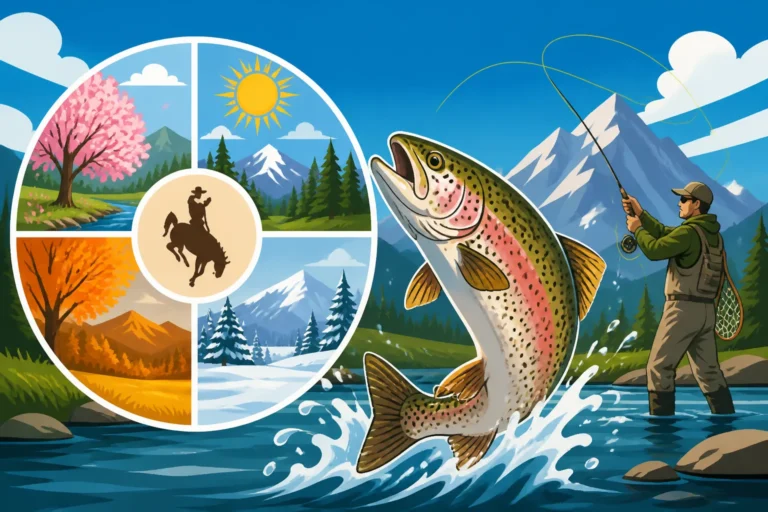
Best Seasons and Conditions for Streamer Fishing
While streamers can be effective year-round, certain seasons and conditions are particularly prime for trophy brown trout.
- Fall (September – November): This is arguably the absolute best time for streamer fishing for big browns. As water temperatures drop, brown trout become incredibly aggressive, feeding heavily in preparation for winter and their own spawning season. During the Why Brown Trout Move Upriver in October, these fish are actively migrating and defending spawning redds, making them highly susceptible to a well-presented streamer. The cooler water also means fish are more active throughout the day.
- Spring (March – May, post-runoff): Once the heavy spring runoff subsides and rivers begin to clear, brown trout are often hungry after a lean winter. They're looking for substantial meals, and streamers can be incredibly effective. Pay attention to water clarity; once you have about 1-2 feet of visibility, it's game on.
- Winter (December – February, mild days): Don't count winter out! On warmer, milder winter days, especially in tailwater fisheries where water temperatures are more stable, big browns will still feed. Focus on the deepest, slowest pools.
- Cloudy Days & Low Light: Big browns are often more active and less wary during periods of low light. Overcast days, dawn, and dusk are prime times. On bright, sunny days, they'll often retreat to the darkest, deepest cover.
- High Water/Turbidity: When rivers are slightly off-color due to rain or snowmelt, it can actually be a good thing for streamer fishing. The reduced visibility makes large brown trout feel more secure and willing to venture out from cover, and the bigger profile of a streamer is more easily detected. This is a great time to use darker, more silhouetted patterns like black or olive.
Understanding Wyoming Fishing Seasons Month by Month can help you plan your streamer excursions for optimal results.
Prime Wyoming Rivers and Lakes for Big Browns
Wyoming boasts some world-class brown trout fisheries, and many are perfectly suited for streamer fishing.
- North Platte River (Gray Reef, Miracle Mile, Fremont Canyon): The North Platte is legendary for its large brown trout, especially in the tailwater sections. The Gray Reef and The Miracle Mile Stretch of Wyoming's North Platte River are prime examples where big browns lurk in deep runs, eddies, and under rocky banks. This river is a fantastic place to fish streamers, especially during the fall. For a comprehensive guide, check out the Fishing Wyoming's North Platte River Guide.
- Green River (Below Fontenelle Dam): Another exceptional tailwater, the Green River offers stable water temperatures and a rich food base, leading to prolific brown trout growth. The river's clear waters often demand a stealthier approach but can reward anglers with truly massive fish.
- Snake River (Below Jackson Lake Dam): While known for its native cutthroat, the Snake also holds some impressive brown trout, particularly in the lower stretches below the dam. Streamer fishing can be very effective here, especially in the deeper pockets and around structure.
- Flaming Gorge Reservoir: This massive reservoir on the Wyoming/Utah border is famous for its trophy lake trout, but it also holds truly gargantuan brown trout. While often targeted by trollers, fly anglers can find success with large articulated streamers along the rocky shorelines, points, and drop-offs, particularly during the low-light hours of early morning or late evening.
- High-Mountain Lakes: Some of Wyoming's deeper, more fertile high-alpine lakes can hold surprisingly large brown trout, especially those with good populations of baitfish or sculpins. These often require a hike, but the reward of a pristine wilderness setting and a trophy fish can be well worth the effort.
Remember that regulations can vary significantly from one body of water to another, including specific rules on catch-and-release, barbless hooks, or specific season closures. Always consult the current Wyoming Fishing Regulations booklet before you go. Knowing the Best Wyoming Fishing Months for Trophy Trout will further refine your trip planning.
Disclaimer
The information provided in this guide is for educational and informational purposes only. Fishing regulations, conditions, and best practices can change rapidly. Always consult the official Wyoming Game and Fish Department website and current regulations booklet before heading out on the water. Be aware of weather conditions, water levels, and personal safety at all times. Fishing in Wyoming requires a valid license and conservation stamp for most individuals.