How Elevation Changes When Wyoming Lakes Fish Best
If you've ever planned a fishing trip to Wyoming, you quickly realize it's not a one-size-fits-all kind of place. What works for a lower-elevation reservoir in May might be completely futile in a high-alpine lake that's still under a blanket of ice. The sheer diversity in elevation across our beautiful state means that how, when, and where you fish significantly changes. This guide will help you understand the profound impact of elevation on Wyoming's lakes and how to best approach them, so you can spend less time guessing and more time reeling in your next catch.
The Core Influence of Elevation on Wyoming's Lakes
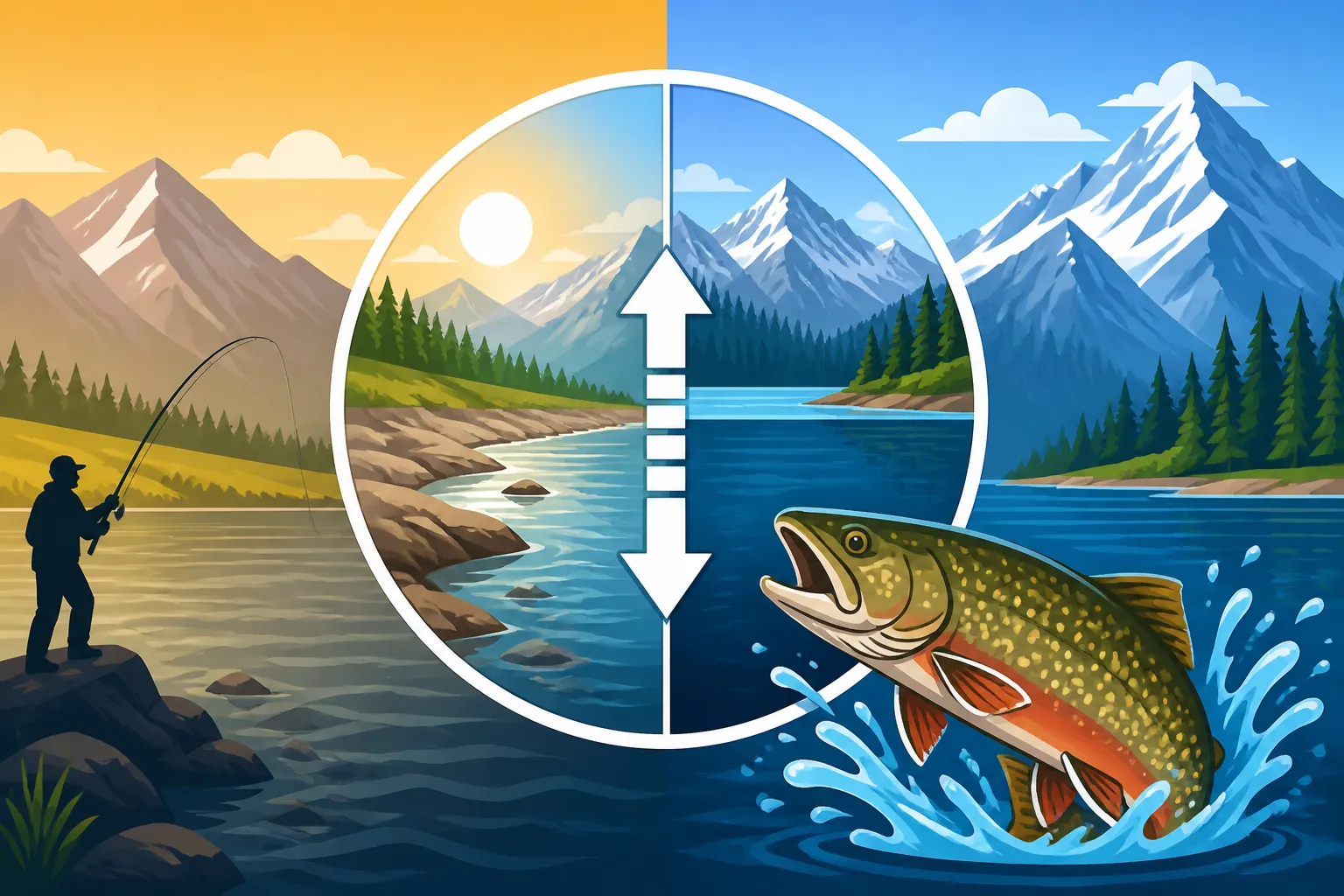
Elevation isn't just a number on a map; it's a fundamental factor that dictates the entire ecosystem of a lake, from water temperature to oxygen levels, and most importantly, when and how fish will feed. Understanding these underlying principles is key to success on any Wyoming lake, whether it's easily accessible or requires a strenuous hike.
Temperature as the Primary Driver
The most immediate and obvious impact of elevation is temperature. Higher elevations mean colder ambient temperatures, shorter periods of direct sunlight, and a much longer winter. This translates directly to water temperatures in our lakes. A lake at 10,000 feet will be significantly colder than one at 6,000 feet, not just in winter, but year-round. This colder water has several consequences:
- Delayed Ice-Out and Earlier Freeze-Up: High-elevation lakes often remain frozen well into June, sometimes even July in heavy snow years. Conversely, they can start to skim over with ice as early as September. This drastically shortens the open-water fishing season.
- Slower Fish Metabolism: Colder water slows down the metabolism of fish. While some species, like lake trout, thrive in these frigid conditions, even they will be less active and feed differently than their counterparts in warmer waters. For other trout species like rainbows and browns, extreme cold can make them sluggish and less willing to chase a lure. You might find yourself waiting longer for a bite, and the fight itself can feel less energetic.
- Stratification Differences: While all deep lakes stratify (form layers of different temperatures), high-elevation lakes tend to have a less pronounced warm-water layer, or epilimnion, and a much larger, colder hypolimnion (deep water). This influences where fish hold throughout the day and year.
Oxygen Levels and Fish Metabolism
It's a common misconception that colder water is always better for all fish. While it's true that colder water holds more dissolved oxygen, which is vital for trout, the extreme cold found in very high-elevation lakes can still slow down metabolism to a crawl. In lower-elevation lakes, especially during the summer months, warmer surface temperatures can lead to less dissolved oxygen in the shallower zones, forcing trout into deeper, cooler, more oxygenated water. Conversely, in the coldest high-alpine lakes, oxygen is rarely an issue, but the sheer frigidity often dictates when fish decide to feed.
Different trout species have adapted to different temperature and oxygen preferences. Cutthroat trout, our state fish, are incredibly resilient and can be found across a wide range of elevations. Golden trout, on the other hand, are specifically adapted to the most extreme, oxygen-rich, high-alpine environments. Understanding How Water Temperature Changes Wyoming Trout Behavior is crucial for predicting where fish will be and what they'll be willing to strike.
Lake Accessibility and Ice-Out
Getting to a lake is half the battle, and elevation plays a huge role here. Many of Wyoming's most pristine high-alpine lakes are only accessible via challenging hikes, some requiring multi-day backpacking trips. These trails are often snow-covered and impassable until late spring or early summer. Even popular trailheads might be buried under snowdrifts until well into June.
Lower-elevation reservoirs, however, are typically accessible much earlier in the spring and remain open longer into the fall, often right up until ice forms. The timing of When Wyoming's Alpine Lakes Usually Thaw is critical for planning those bucket-list trips to the high country. Always check road and trail conditions with the local forest service or Bureau of Land Management office before heading out, especially for lakes above 8,000 feet. A simple search on Amazon for "Wyoming trail maps" can provide invaluable resources to help you plan your access routes.
Fishing Wyoming's Lower to Mid-Elevation Lakes (Below 9,000 Feet)
These lakes, often large reservoirs, offer a vastly different fishing experience than their high-country cousins. They tend to have longer seasons, more diverse fish populations, and are generally more accessible.
The Longer, More Predictable Seasons
Lakes below 9,000 feet, such as Flaming Gorge Reservoir, Boysen Reservoir, Glendo, and Jackson Lake, generally have much longer open-water seasons. Ice-out typically occurs in April or May, and they can remain ice-free well into November or even December, depending on the year. This extended window allows for a wider range of fishing opportunities throughout the year, from early spring jigging for walleye to late fall trolling for trophy lake trout.
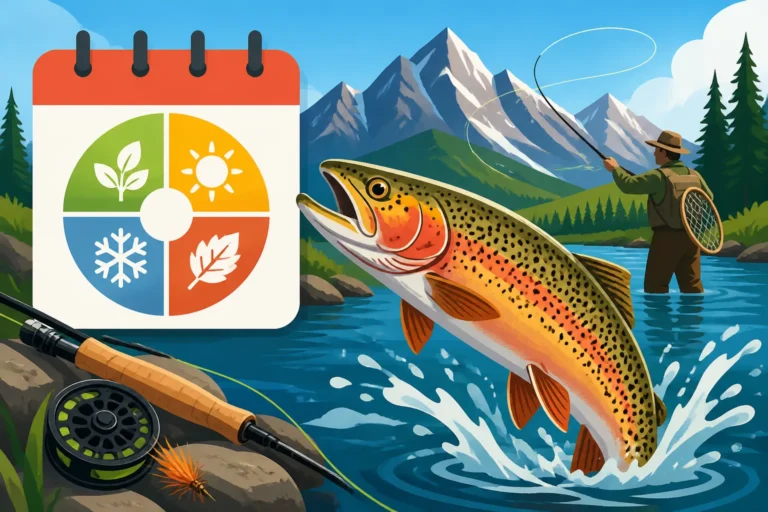
These lakes also experience more distinct seasonal patterns. Spring offers excellent opportunities as fish become active after the ice melts, moving into shallower waters to feed. Summer brings warmer surface temperatures, often pushing fish deeper or into specific thermal refuges. Fall sees fish becoming highly active again as they prepare for winter, with species like brown trout making spawning runs. This predictability makes planning a trip a bit easier, as you have a longer timeframe to work with.
Navigating Fluctuating Water Levels and Pressure
One challenge with many lower and mid-elevation lakes, especially reservoirs, is fluctuating water levels. These impoundments are often managed for irrigation, flood control, or power generation, leading to significant changes in water depth throughout the season. A favorite cove in June might be dry ground by August. These drawdowns can concentrate fish, making them easier to find, but can also make boat launches inaccessible and change fish behavior.
Another factor is fishing pressure. Being more accessible, these lakes often see higher angler traffic, especially on weekends and holidays. This can make fish warier and require more finesse. Anglers frequently turn to online retailers like Amazon to find specialized gear, like silent trolling motors or more subtle lures, to combat pressured fish. It’s a good idea to seek out less-trafficked areas, fish during off-peak hours (dawn and dusk), or employ different techniques to stand out from the crowd.
Targeted Species and Techniques
The lower to mid-elevation lakes are often home to a wider variety of game fish. You'll find healthy populations of rainbow trout, brown trout, and cutthroat trout, but also warm-water species like walleye, smallmouth bass, perch, and even kokanee salmon in some systems. This diversity means you can tailor your trip to target a specific species or enjoy a mixed bag.
Techniques vary widely:
- Trolling: This is incredibly effective for covering large areas, especially for lake trout and kokanee salmon in deep reservoirs. Downriggers and planer boards are common tools. Learn more about Trolling Techniques for Wyoming Reservoirs.
- Jigging: Vertical jigging with spoons or soft plastics is excellent for walleye, lake trout, and even perch, especially when they are holding on structure.
- Bait Fishing: Still fishing with worms, PowerBait, or dead minnows can be very productive, particularly for trout and perch from shore or a anchored boat.
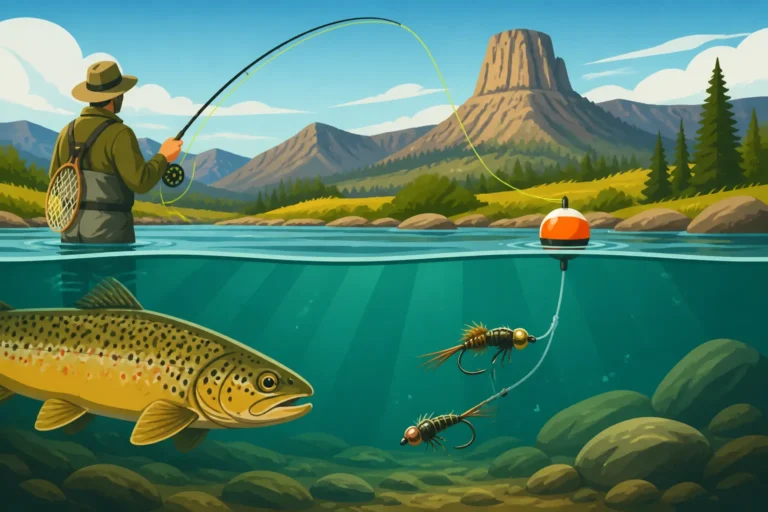
- Fly Fishing: While often associated with rivers, fly fishing can be highly successful on lakes, especially for cruising trout during hatches or stripping streamers along drop-offs.
For example, Wyoming's Boysen Reservoir Fishing Guide details how walleye fishing peaks in spring and fall with jigging, while Wyoming's Flaming Gorge Reservoir Fishing Guide is renowned for its trophy lake trout caught by deep trolling.
Embracing the Challenge of High-Elevation Lakes (Above 9,000 Feet)
Fishing Wyoming's high-elevation lakes is an entirely different adventure. These are often destinations that require significant effort to reach, but they reward anglers with breathtaking scenery, solitude, and the chance to catch unique fish in truly wild settings.
Short, Intense Seasons and Ice-Out Windows
The most defining characteristic of high-elevation lakes is their extremely short open-water season. Many of these gems, particularly in the Wind River Range or the Absaroka Mountains, are only truly fishable from mid-July through early September. Before and after this window, you're likely to encounter ice, snow, and challenging conditions. This brief window means that when the ice does come off, the fish are often voraciously hungry, having been under ice for 8-9 months.
This compressed season creates a sense of urgency and requires meticulous planning. You can't just wake up one morning and decide to fish a 10,000-foot lake in May. Checking snowpack reports, trail conditions, and the actual ice-out status (often shared by local outfitters or through online forums) is paramount. Don't be surprised if you hike in late July and still find ice floes on the lake's surface! This contributes to the intense, almost frantic, feeding patterns sometimes observed. You'll definitely want to read up on How to Fish Wyoming's High-Alpine Lakes before planning such an excursion.
Backcountry Access and Gear Considerations
Accessing these lakes is almost always an adventure in itself. Many are true backcountry destinations, reachable only by foot or horseback. This means carrying everything you need – from your rod and reel to your tent, sleeping bag, and food – often for multiple days. Ultralight backpacking gear becomes essential to minimize your load. Look for compact, durable rods and reels that can withstand the rigors of a hike. A sturdy pair of hiking boots is non-negotiable, and layers of clothing are vital to handle the rapid weather changes common at high altitudes. A reliable water filter from Amazon is a must-have, as is a map and compass (and knowing how to use them!).
The solitude found in these remote areas is a huge draw. You might hike for hours or even days and not see another soul. This isolation means you need to be self-sufficient and prepared for any eventuality. Emergency communication devices are highly recommended, as cell service is often nonexistent. Carrying enough food, water, and emergency supplies is not just a suggestion; it's a necessity.
Targeting Unique Species and Pristine Conditions
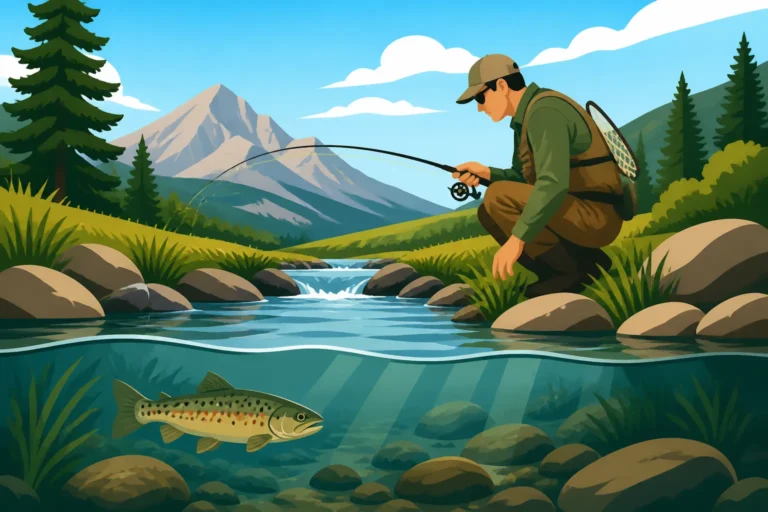
High-elevation lakes are often home to unique species adapted to these harsh environments, such as golden trout and various subspecies of cutthroat trout. These fish thrive in the cold, clear, oxygen-rich waters. The fishing experience itself is often one of sight-fishing in crystal-clear water, where you can literally watch a trout rise to your fly or chase your lure.
- Golden Trout: These stunning fish are a true high-country prize. They are often found in relatively small numbers in specific high lakes and are a testament to the pristine conditions of these waters. For more on these rare beauties, check out Golden Trout Fishing in Wyoming.
- Cutthroat Trout: Many high-alpine lakes hold healthy populations of native cutthroat trout, including Yellowstone cutthroat. These fish are often eager biters, especially during the brief summer season.
- Brook Trout: While sometimes considered invasive in certain waters, brook trout thrive in many high-elevation streams and smaller lakes, offering consistent action, often on smaller presentations.
The challenge and reward are immense. The fish in these lakes tend to be smaller on average than those in large reservoirs, but their vibrant colors, aggressive takes, and the sheer beauty of their surroundings make every catch feel special. Fly fishing with small dry flies, nymphs, or tiny spinners are often the most productive methods in these clear waters. It's a true wilderness experience.
Practical Planning for Your Elevated Fishing Adventure
Successful fishing in Wyoming's diverse elevations requires more than just a good rod and reel; it demands thoughtful planning, the right gear, and a deep respect for the environment.
Researching Specific Lake Conditions
Before you even pack your bags, thorough research is your best friend. Don't rely on general information; seek out details specific to the lake you plan to visit. The Wyoming Game and Fish Department (WGFD) website is an invaluable resource, often providing stocking reports, species information, and even water temperature data for many popular lakes. Local fly shops and sporting goods stores are also treasure troves of up-to-date information, offering insights into current conditions, recent hatches, and effective patterns or lures.
For high-elevation trips, always check trail conditions and snow depths. Websites like AllTrails or local hiking forums can offer recent hiker reports. Remember that conditions can change rapidly in the mountains, so stay flexible with your plans. Understanding Where to Find Current Wyoming Fishing Regulations is also crucial, as special rules and limits can apply to specific high-alpine lakes to protect their unique ecosystems.
Essential Gear for Varying Elevations
Your gear list will drastically change depending on whether you're targeting a large, lower-elevation reservoir or a remote alpine lake.
For Lower to Mid-Elevation Lakes:
- Rods & Reels: Medium to heavy action spinning rods for casting lures or jigging, or trolling rods for deep water. Fly rods in 5-8 weight for versatility.
- Tackle: A wide assortment of spoons, spinners, jigs, crankbaits, and soft plastics. Bait like worms, minnows (where legal), and PowerBait.
- Boat/Kayaks: Essential for covering water and reaching fish. If fishing from shore, a sturdy tackle box and a good pair of waders if you plan to wade.
- Clothing: Dress in layers. Even on warm days, mornings and evenings can be cool. Sunscreen, a wide-brimmed hat, and polarized sunglasses are essential.
For High-Elevation Lakes (Backpacking Focus):
- Rods & Reels: Ultralight spinning rods (often packable multi-piece designs you can find on Amazon), or 2-4 weight packable fly rods. Think light and compact.
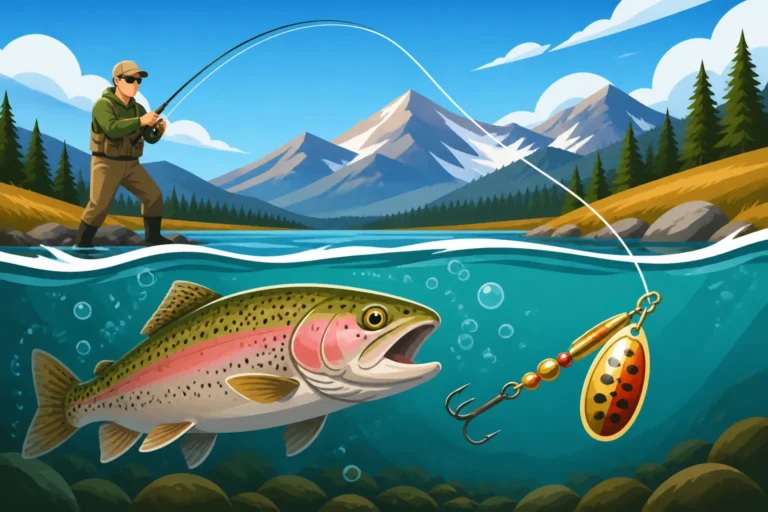
- Tackle: A selection of small spinners (Mepps, Panther Martin), tiny spoons, or compact fly boxes with dry flies, nymphs, and small streamers. Minimize weight and bulk.
- Navigation: Topographic maps, compass, and a GPS device or reliable GPS app on your phone (download maps for offline use!).
- Clothing: Layering is critical. Think moisture-wicking base layers, insulating mid-layers (fleece or down), and a waterproof/windproof outer shell. Bring a warm hat and gloves, even in summer.
- Safety & Comfort: First-aid kit, water filter, headlamp, fire starter, bear spray, and enough food for your trip plus an extra day. Comfortable, broken-in hiking boots are paramount.
Respecting the Environment and Regulations
Regardless of elevation, Wyoming's wild places deserve our utmost respect. Practice Leave No Trace principles: pack out everything you pack in, and leave no trash behind. This is especially true in the fragile high-alpine environments.
Be intimately familiar with specific regulations for each water body. Bag and possession limits, slot limits, or special bait restrictions are common, particularly for sensitive fisheries. Some waters may require Catch-and-Release Best Practices for Trout, while others might have specific rules about barbless hooks. Ignorance of the rules is never an excuse. Always double-check the current regulations booklet, which you can often pick up at local retailers or view on the WGFD website. By doing so, you're not just protecting yourself from potential fines, but you're also helping preserve these incredible fisheries for future generations of anglers.
Disclaimer
This article is for general informational purposes only and does not constitute professional advice. Laws, prices and regulations vary by location and change over time. Consult a qualified professional for guidance on your specific situation.