Fishing Wyoming’s Caddis and Mayfly Hatches
There’s nothing quite as frustrating as showing up at your favorite Wyoming trout stream, full of anticipation, only to find the fish completely lock-jawed. You cast, you drift, you try everything in your fly box, but nothing works. More often than not, you’re simply missing the hatch. This guide is here to unravel the mysteries of Wyoming’s prolific caddis and mayfly hatches, helping you identify these key insects, choose the right patterns, and employ the best techniques to finally get those trout looking up.
Understanding Wyoming's Key Aquatic Insects
When we talk about fly fishing, we're essentially talking about mimicking the natural food sources of fish. In Wyoming's rivers and lakes, that almost always means insects. Caddisflies and mayflies are two of the most critical groups, representing a significant portion of a trout's diet. Understanding their life cycles and behaviors is like getting a secret decoder ring for fishing success. It's not just about throwing a fly that looks right; it's about presenting it when and how the fish expect to see it, based on the insect's natural habits.
The Caddisfly Life Cycle and Angler Appeal
Caddisflies are often overlooked in favor of the more "glamorous" mayflies, but ignore them at your peril! These are truly prolific insects in Wyoming, found in nearly every stream and river. Their life cycle goes through four distinct stages: egg, larva, pupa, and adult. The larval stage is often encased in a tiny, self-constructed protective case made of pebbles, sand, or bits of vegetation, which they stick to rocks on the riverbed. This is a constant food source for trout, meaning nymphing with caddis larva patterns can be productive year-round.
The magic really happens during the pupal stage. When caddis pupate, they shed their cases and swim rapidly to the surface to emerge as adults. This frantic swim triggers an aggressive feeding response from trout, which will chase these struggling insects. Once on the surface, the adult caddisfly will typically skitter across the water, often laying eggs, before flying off. This erratic movement is key to understanding how to fish them. Trout gorge themselves on caddis, making matching these hatches crucial. You'll find a huge array of caddis species across Wyoming, from the tiny Spotted Sedges to the larger October Caddis, each with its own timing and preferred habitat.
Mayflies: The Elegant Dancers of the River
Mayflies are perhaps what most people picture when they think of "matching the hatch." Their life cycle is also four-part, but with a unique twist: egg, nymph, dun (subimago), and spinner (imago). Mayfly nymphs are typically found clinging to rocks or burrowing in the streambed, and like caddis larvae, they represent a significant subsurface food source. Depending on the species, these nymphs can live for months or even years before emerging.
The emergence itself is an elegant affair. Mayfly nymphs swim slowly to the surface, shed their shucks, and emerge as duns, which are dull-colored, sexually immature adults. These duns float serenely on the water for a brief period, drying their wings, making them incredibly vulnerable and a primary target for feeding trout. After drying, they fly to streamside vegetation to further mature. This stage is particularly important for the angler, as it provides a clear window for dry fly fishing. Once fully mature, they become spinners – bright, clear-winged adults that return to the water to mate and lay eggs, often in spectacular "spinner falls" where thousands of spent insects litter the surface. These spent spinners are another easy meal for trout, leading to some of the most consistent dry fly action.
Other Important Hatches to Note
While caddis and mayflies are undoubtedly the stars of the show, Wyoming's aquatic insect buffet offers other crucial items that trout will key into. Midges, for instance, are tiny two-winged insects present year-round, especially important during colder months when other hatches are sparse. Their larvae and pupae are miniature worm-like creatures, and their adults often emerge in massive numbers, forming dense clouds over the water. Trout, even large ones, will sip these tiny insects off the surface with surprising regularity. Small midge patterns can save a slow fishing day.
Stoneflies are another major player, particularly on bigger, bouldery rivers. These robust insects have a three-stage life cycle: egg, nymph, and adult (they lack a pupal stage like caddis or the dun/spinner stages of mayflies). Their nymphs are large, crawly creatures that live under rocks for years. When they are ready to emerge, they crawl out onto rocks and vegetation at the river's edge, split their shucks, and emerge as adults. The adults are clumsy flyers and often fall back into the water, becoming an irresistible meal for hungry trout. The famous Salmonfly hatch on rivers like the Snake can draw out some of the biggest fish in the river, creating a unique and exciting fishing experience. When considering your overall strategy for Fly Fishing Techniques for Wyoming Trout Streams, always remember to diversify your knowledge beyond just the two main categories.
Identifying Caddis Hatches on Wyoming Rivers
Spotting a caddis hatch can feel a bit like cracking a code, but once you know what to look for, it becomes second nature. It's not just about seeing the bugs, but understanding their behavior and how trout react to them. Being able to correctly identify the insect and its life stage is paramount to choosing the right fly and presentation.
Visual Cues and Behavior of Caddis
The first thing you'll often notice during a caddis hatch isn't necessarily the adult flying bugs, but rather the way trout are feeding. Unlike the gentle sips of a mayfly feeder, trout eating caddis on the surface often create a more aggressive, splashing rise. They'll dart and slash, sometimes even jumping clear of the water as they pursue the skittering adults. If you see this kind of energetic rise, especially when insects are zipping across the surface, it's a strong indicator of a caddis hatch.
Look closely at the surface of the water and around streamside vegetation. Adult caddisflies typically have a tent-shaped wing profile when at rest, resembling a small moth, and they often hold their antennae forward. When they emerge from the water, they are usually in a hurry, buzzing and skittering. During egg-laying, females will often dive into the water, further inciting trout. You might also spot their pupal shucks floating on the surface – small, clear casings left behind as the pupa transforms. Observing these subtle clues will tell you not just if a caddis hatch is on, but which stage the fish are keying into. Many anglers find the best results come from mimicking the pupal stage, as fish often intercept them just below the surface during their ascent. This is where understanding Nymphing Techniques for Wyoming Tailwaters can really pay off, as caddis pupa often mimic nymphs in their presentation depth, just with more action.
Essential Caddis Fly Patterns
Having the right caddis patterns in your fly box is absolutely critical for success during these hatches. You'll want a good selection that covers all life stages: larva, pupa, and adult. For the larval stage, patterns like the standard Hare's Ear Nymph or a Caddis Larva (green or tan) are fantastic producers, especially when weighted to get down to the bottom. These imitate the caddis as they cling to the riverbed.
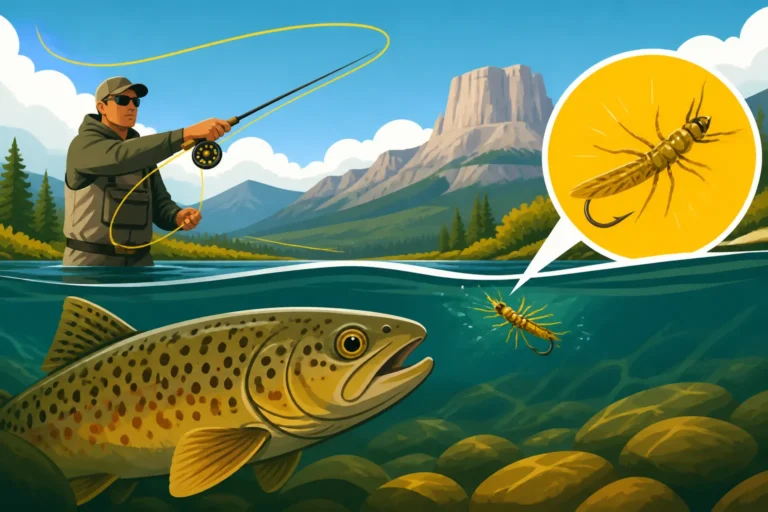
When it comes to the pupal stage, which can be the most effective for trout, look for patterns with a distinct emerger profile. The LaFontaine's Sparkle Pupa or a CDC Caddis Emerger are incredibly effective. These flies often incorporate a trailing shuck or a bit of sparkle to mimic the air bubble the pupa uses to ascend. For the adult stage, you can't go wrong with classics like the Elk Hair Caddis or the Goddard Caddis. These patterns float well and have that characteristic tent-wing profile. Make sure to have a variety of sizes (from 12 down to 18) and colors (tan, olive, cream) to match the specific species hatching. If you're shopping on Amazon, search for "Wyoming Caddis Fly Assortment" to get a good starter pack covering different stages and sizes.
Fishing Techniques for Caddis Hatches
Fishing a caddis hatch effectively often requires a more active approach than with mayflies. If trout are aggressively slashing at the surface, chasing adult caddis, you'll want to present your dry fly with a bit of movement. Instead of a dead drift, try giving your Elk Hair Caddis a subtle "skitter" across the water by twitching your rod tip. This imitates the natural behavior of egg-laying females or newly emerged adults trying to take flight, often eliciting a violent strike.
When trout are focused on the pupal stage, which often happens just below the surface, a "swing" presentation can be deadly. Cast an emerger pattern (like a Sparkle Pupa) slightly upstream and across, letting it sink and then swing through the feeding lane. This mimics the pupa's ascent. Sometimes, a "dry-dropper" rig where a weighted pupa is suspended below a floating adult caddis pattern can cover both bases, with the dry fly acting as an indicator and a target. Remember that caddis hatches often occur in riffles and faster water, so be prepared for quick strikes and the need for good line control. Don't be afraid to experiment with your presentation – sometimes a subtle twitch, sometimes a bolder skate, is all it takes to convince a wary trout.
Cracking the Mayfly Code in Wyoming
Mayfly hatches in Wyoming are often what anglers dream of – those magical moments when trout are rising steadily to elegant insects on the surface. But like anything in fly fishing, there's a certain "code" to crack, especially with the sheer variety of species and their subtle behaviors.
Recognizing Mayfly Species and Their Rises
The first step to cracking the mayfly code is being able to differentiate the specific species and understanding the nuances of their emergence. Unlike the splashy rises to caddis, trout feeding on mayflies typically exhibit more subtle, sipping rises. You'll often see just the nose or mouth of the fish break the surface as it gently takes the floating insect. However, during a heavy hatch or spinner fall, the rises can become more aggressive, resembling a boil. Look for the actual insects on the water: duns will float upright with prominent wings, often in a sailboat-like profile, while spinners will lie flat on the surface with their wings splayed out, forming an "airplane" or "cross" shape.
Key mayfly species in Wyoming include the hardy Blue-Winged Olives (BWO), which hatch on colder, cloudier days in early spring and fall; the larger Green Drakes and Pale Morning Duns (PMDs), which typically emerge in late spring and summer; and various species of Tricos, tiny black and white mayflies that hatch in huge numbers in late summer and fall, often in the early mornings. Each species has a slightly different size, color, and typical emergence time. Observing these details, along with the specific type of rise, will guide your fly selection. If you see tiny black and white mayflies carpeting the water and fish making subtle sips, you know you need to tie on a Trico pattern. For a deeper dive into seasonal availability, check out Wyoming Fishing Seasons Month by Month.
Must-Have Mayfly Fly Patterns
Your mayfly fly box needs to be well-stocked to handle the diverse hatches Wyoming throws at you. For the nymph stage, which is active year-round, patterns like the Pheasant Tail Nymph and the Hare's Ear Nymph are indispensable. These imitate a broad range of mayfly nymphs and are consistently productive, especially when fish aren't visibly rising.
When the duns start to appear, you'll want a variety of dry fly patterns to match. Classic patterns include the Parachute Adams (a versatile mayfly imitation that works for many species), Comparaduns, and Sparkle Duns. For specific hatches, you'll need BWO patterns (size 18-22, olive-grey), PMD patterns (size 14-18, pale yellow), and Green Drake patterns (size 10-14, olive-brown). Don't forget spinner patterns for the post-mating falls, such as Rusty Spinners or Trico Spinners, which lie flat on the water. Having these in appropriate sizes is crucial. You might find a good "Wyoming Mayfly Assortment" on Amazon that covers these common patterns and sizes. These patterns are vital for Best Wyoming Fly Patterns for Cutthroat Trout as well, which are often selective feeders during hatches.
Effective Mayfly Fishing Strategies
Successfully fishing a mayfly hatch often hinges on precision and a delicate presentation. Trout feeding on duns or spinners are usually in a specific feeding lane, taking insects at regular intervals. Your goal is to present your fly with a perfectly drag-free drift, mimicking the natural insect floating effortlessly on the surface. This means careful casting upstream of the rising fish, mending your line to avoid drag, and being ready to set the hook at the slightest sip.
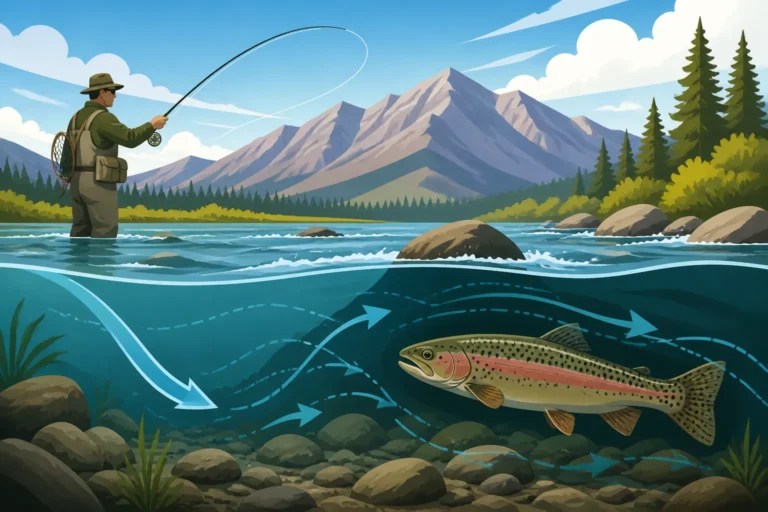
For emerging duns, sometimes an emerger pattern fished just in the film, or a cripple pattern (like a CDC Cripple Dun) that imitates a struggling insect, can be more effective than a fully upright dry fly. Trout will often key into these vulnerable individuals. During a spinner fall, when dead or dying insects carpet the water, fish can become incredibly selective. A perfectly matched spinner pattern, tied to a long, fine leader and tippet, is often the only way to get a strike. Stealth is also key – approach rising fish slowly and cast from a distance to avoid spooking them. Understanding How to Read Water When Trout Fishing will help you identify those prime feeding lanes where mayflies gather and trout hold.
| Insect Type | Key Life Stages for Anglers | Typical Rise Form | General Timing | Key Identifying Features |
|---|---|---|---|---|
| Caddisfly | Larva, Pupa, Adult | Aggressive slash, jump, splash | Year-round, peaks Spring/Summer | Tent-wing profile, skittering flight, fast emergence |
| Mayfly | Nymph, Dun, Spinner | Gentle sip, nose or mouth break | Year-round, peaks Spring/Summer/Fall | Upright wings (dun), splayed wings (spinner), slow emergence |
| Midge | Larva, Pupa, Adult | Tiny sip, subtle dimple | Year-round, especially Winter | Extremely small, adult looks like mosquito |
| Stonefly | Nymph, Adult | Explosive splash (adult), subsurface grabs | Spring/Early Summer | Large, flat nymph; large adult with flat wings |
Seasonal Timing and Location for Hatches
Wyoming's vast and varied landscape means that hatch timing can differ significantly from one river system to another, and even from lower to higher elevations. Knowing when and where to expect certain hatches is critical for planning a successful fishing trip. The state's diverse geography, from high-alpine lakes to broad desert rivers, creates a complex mosaic of insect life cycles.
Spring and Early Summer Hatches
Spring in Wyoming often brings eagerly awaited hatches after the long winter, but it can also be a challenging time due to runoff. As the snow melts and rivers swell with cold, turbid water, subsurface fishing with nymphs is often the most productive. However, on smaller freestone streams or larger rivers with controlled flows (tailwaters), you can find some incredible early season dry fly action. The first major hatches typically include Blue-Winged Olives (BWO), especially on cloudy, warmer days when the water temperature begins to creep up. These tiny mayflies (sizes 18-22) can bring trout to the surface even when the air is chilly.
Following the BWOs, late spring and early summer often see a burst of caddis activity. The famous Mother's Day Caddis hatch, comprised of various species, can be incredibly prolific, with millions of insects emerging. This hatch is particularly strong on rivers like the North Platte. As summer approaches, the larger mayflies like Pale Morning Duns (PMDs) start to make their appearance, offering consistent dry fly opportunities on many rivers. On some of the larger, wilder rivers, the gargantuan Salmonfly hatch can kick off in late May or early June, a truly bucket-list experience for anglers. This is when you can often sight-fish for huge browns and rainbows gorging themselves on these massive insects. If you're targeting the North Platte, understanding Dry Fly Fishing on the North Platte River will be incredibly helpful during these spring and early summer hatches.
Mid-Summer and Fall Hatches
Mid-summer in Wyoming can be characterized by consistent hatches in the mornings and evenings, especially on higher elevation rivers and streams where water temperatures remain cooler. PMDs continue to hatch, often joined by other smaller mayflies and a steady presence of caddis. The tiny Trico mayfly hatches become prominent in late summer and early fall, often occurring in massive numbers at dawn. These hatches require extremely small flies and delicate presentations, but they can provide incredible dry fly fishing for selective trout. Terrestrial insects, such as grasshoppers, beetles, and ants, also become extremely important during this period as they are blown into the water. Having a good selection of foam patterns like hoppers and beetles can save the day when aquatic hatches are slow.
As fall approaches, the aquatic insect activity changes once again. The Blue-Winged Olives return with a vengeance, often bringing some of the best dry fly fishing of the year on crisp, clear days. These fall BWOs are a staple on almost every trout stream in the state. Perhaps the most exciting fall hatch, though technically an emergence rather than a hatch, is the October Caddis. These large, orange-bodied caddisflies provide a final hurrah of big bug action before winter sets in. Trout will aggressively target them, making for some thrilling fishing. These seasonal shifts are influenced by How Water Temperature Affects Trout Feeding, so monitoring stream temps can give you a leg up.
Best Wyoming Rivers and Lakes for Hatches
Wyoming boasts an incredible array of waters, each with its own character and prime hatch periods. The North Platte River, particularly the "Miracle Mile" and "Gray Reef" sections near Casper, is world-renowned for its prolific hatches of midges, BWOs, caddis, and PMDs. Its consistent tailwater flows provide ideal conditions for insect life and trophy trout. Similarly, the Snake River in Jackson Hole is famous for its stonefly hatches, especially the Salmonfly, as well as dependable caddis and mayfly activity. If you want to dive deeper into these specific locales, check out the North Platte River Fishing Guide or the Snake River Fishing Guide.
High-alpine lakes and streams in the Wind River Range, Grand Teton National Park, and the Absaroka Mountains also experience incredible, albeit shorter, hatch seasons. Mid-summer is prime time for these waters, where you'll find healthy populations of native cutthroat trout rising to various caddis and mayflies. Even larger bodies of water like Flaming Gorge Reservoir and Boysen Reservoir can have significant midge and mayfly hatches that bring baitfish-eating trout and kokanee salmon to the surface, offering unique challenges and rewards. While not typically a "hatch" destination in the same vein as rivers, even Wyoming's Yellowstone Lake Fishing Guide will mention that certain times of year see prolific midge and callibaetis mayfly activity that Yellowstone Cutthroat Trout will key into. Remember that the timing of these hatches can vary by a week or two each year, so checking local fishing reports is always a good idea before heading out.
Gear and Preparation for Hatch Matching
Being prepared is half the battle when it comes to matching hatches. It's not just about having the right flies, but having the right tools to observe, present, and land fish when they're keying into specific insects. A well-organized and thought-out gear setup can make all the difference between a frustrating day and a memorable one.
Essential Fly Rods, Reels, and Lines
For general trout fishing in Wyoming, especially when dealing with hatches, a 9-foot, 5-weight fly rod is often considered the most versatile choice. It offers enough power to cast dries, nymphs, and small streamers, yet remains sensitive enough for delicate presentations. If you anticipate fishing smaller streams with lighter flies, a 4-weight rod provides more finesse, while a 6-weight might be beneficial on larger rivers where you might encounter bigger fish or windier conditions.
Pair your rod with a reliable reel that has a smooth drag system, even if you don't always need it for smaller fish, it's there for that trophy you might hook. The reel's primary function is to store line, but a good drag is essential for fighting larger fish on light tippets during a hatch. A weight-forward floating line is the standard for dry fly fishing and nymphing. You'll want one that matches your rod weight. For situations where you need to get nymphs down deep, a sink-tip line or a faster sinking leader might be useful, but for focused hatch matching, floating line is king. Companies like Scientific Anglers or Rio offer excellent weight-forward floating lines designed for precise presentations.
Leader, Tippet, and Fly Box Organization
Your leader and tippet are the critical, nearly invisible link between your fly line and your fly, and they need to be chosen carefully when matching hatches. For most dry fly situations, a 9-foot tapered leader in 4X or 5X is a good starting point. This provides a gentle turnover and helps dissipate casting energy for a delicate presentation. You'll then attach tippet material (fluorocarbon or monofilament) to the end of your leader, matching its diameter to the size of your fly and the clarity of the water. For tiny Tricos or wary trout, you might drop down to 6X or even 7X tippet. It’s a good idea to have spools of 4X, 5X, and 6X tippet in your vest. You can find excellent leader and tippet options on Amazon from brands like Rio or Seaguar.
Fly box organization is key to quickly finding the right pattern when a hatch is on. Group your flies by type (caddis, mayfly, stonefly, emerger, nymph) and then by size. Clear-lidded fly boxes are excellent for quickly identifying patterns. Keep a dedicated "hatch box" with all your most common and reliable patterns in varying sizes. When you're standing on the river, watching fish rise, the last thing you want to do is rummage through a chaotic fly box, potentially spooking fish with your flailing. Knowing How to Choose Fly Size for Early Season Hatches is a skill that develops with good organization and experience.
On-the-Water Observation Tools
Being a good observer is just as important as being a good caster when matching hatches. The right tools can significantly enhance your ability to identify insects and fish behavior. A good pair of polarized sunglasses is non-negotiable. They cut glare, allowing you to see insects on the water, observe fish rises more clearly, and even spot fish subsurface. Without them, you're fishing blind.
A magnifying glass or a small jeweler's loupe can be incredibly helpful for identifying tiny insects. Scoop a few bugs off the water in a small sample cup or net, then use the magnifier to get a closer look at their color, wing shape, and overall size. This precise identification will lead to a more accurate fly choice. Finally, a small thermometer for checking water temperature can provide valuable clues about impending hatches, as insect emergence is often directly tied to specific temperature ranges. All of these small but mighty tools can be easily purchased through Amazon and will significantly improve your hatch-matching game in Wyoming.
Disclaimer
Please remember that fishing regulations in Wyoming can change. Always consult the most current Wyoming Game and Fish Department regulations booklet before heading out on the water. This guide is for informational purposes only and should not replace official regulations.