What Is a Fine-Spotted Cutthroat Trout?
It's easy to get a little overwhelmed when you start diving into the world of Wyoming's incredible trout diversity. One moment you're admiring a beautiful fish, and the next you're wondering if it's a rainbow, a cutthroat, or something else entirely. Among the various cutthroat trout found here in the Cowboy State, the term "fine-spotted cutthroat" often pops up, leaving many anglers scratching their heads. This guide is here to unravel the mystery, helping you understand what makes a fine-spotted cutthroat unique, where to find them, and why identifying them correctly is an important part of enjoying Wyoming's fisheries responsibly.
What Exactly is a Fine-Spotted Cutthroat Trout?
Let's clear the air right away: a "fine-spotted cutthroat trout" isn't its own distinct species in the biological sense, but rather a descriptive term for a specific, visually identifiable variant within the broader Snake River Fine-Spotted Cutthroat Trout subspecies. Confusing, right? Think of it like different types of apples – they're all apples, but a Granny Smith is distinct from a Fuji. In this case, the fine-spotted refers to the pattern of spots you see on these magnificent fish, particularly those found in the Snake River drainage.
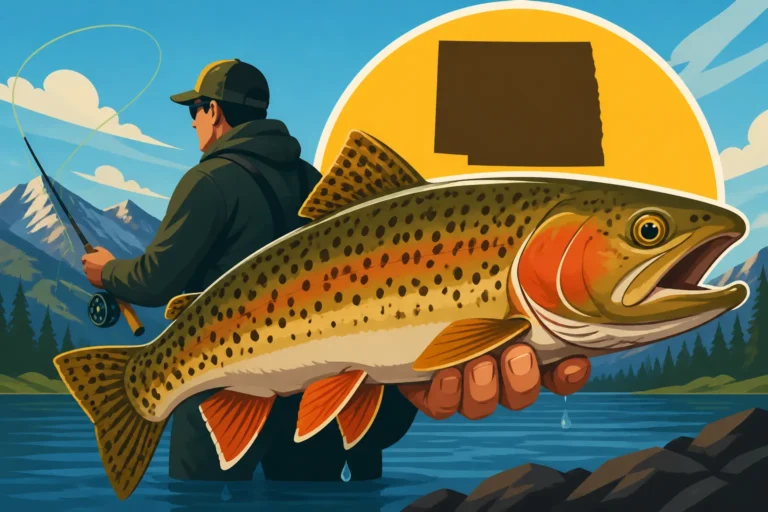
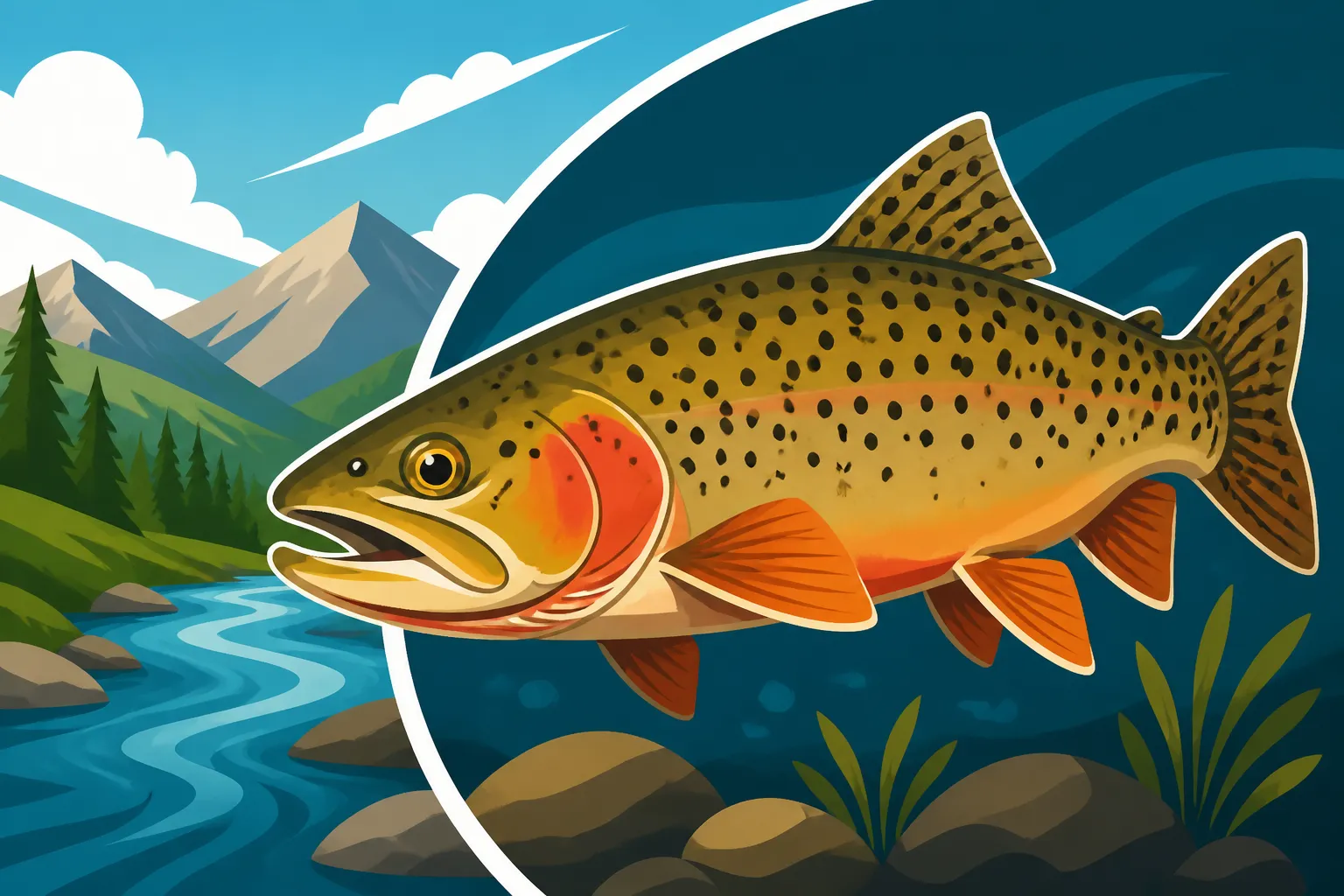
This particular variant is a native fish, meaning it evolved and thrived in these waters long before humans started moving fish around. It's a true treasure of Wyoming's aquatic ecosystems, and its characteristics reflect its ancient lineage within the region. When we talk about their appearance, the name really says it all: they typically have a dense concentration of very small, almost pepper-like spots covering their entire body, including the head, fins, and tail, unlike some other cutthroat subspecies that might have larger, sparser spots concentrated more towards the tail. Of course, they still proudly display those iconic red or orange "cutthroat" markings under their jaw, which is a tell-tale sign of any cutthroat trout.
The Snake River Connection and Genetic Heritage
The fine-spotted cutthroat trout is most famously associated with the Snake River drainage. This is its native stronghold, and the unique spotting pattern is a hallmark of the subspecies found there. It's a genetic trait, refined over millennia, that helps distinguish it from other cutthroat subspecies, like the Yellowstone Cutthroat Trout, which tend to have larger, more irregularly shaped spots, usually concentrated more towards the back half of their body and tail.
Understanding this genetic heritage is more than just academic; it's vital for conservation. These native populations have adapted perfectly to their specific environments, and maintaining their genetic purity is crucial for the health and resilience of the entire ecosystem. When different subspecies interbreed, it can lead to "cutbows" – a hybrid of cutthroat and rainbow trout – or a dilution of unique genetic traits that make each cutthroat subspecies so special. That's why careful identification and adherence to specific regulations are paramount.
Distinguishing Features: More Than Just Spots
While the "fine-spotted" nature is certainly the most prominent feature, there are other subtle clues that can help you identify this cutthroat variant. Their overall body shape tends to be sleek and torpedo-like, perfectly suited for the often-swift currents of the Snake River and its tributaries. The coloration can vary based on habitat, diet, and even the fish's mood, ranging from olive green to brassy gold on the back, fading to silvery sides and a white belly. Sometimes, especially during spawning season, males can take on vibrant hues of red and orange, particularly along their lateral lines.
Another aspect to consider is the size of their scales. Generally, cutthroat trout have smaller scales than rainbow trout, which can be another subtle indicator if you're trying to differentiate between closely related species in the field. However, for most anglers, the spotting pattern, combined with the presence of the distinct red slash under the jaw, will be your primary identifiers. Keeping a good fishing guide or even a laminated fish identification card from a place like Amazon in your tackle box can be incredibly helpful for on-the-spot verification.
Where Do You Find Fine-Spotted Cutthroat in Wyoming?
If you're looking to encounter a genuine fine-spotted cutthroat trout, your compass needs to point squarely towards the western side of Wyoming, specifically the vast and intricate Snake River drainage. This river system originates in Yellowstone National Park, flows through Grand Teton National Park, and then carves its way through western Wyoming before heading into Idaho and beyond. The fine-spotted cutthroat trout are the indigenous inhabitants of these cold, clear waters.
You'll find them in the main stem of the Snake River itself, from its headwaters down through its various sections. But don't just limit yourself to the big river! Many of the Snake's tributaries, from small, pristine mountain creeks to larger feeder streams, also hold healthy populations of these beautiful fish. Think of places like the Hoback River, the Gros Ventre River, and countless smaller, unnamed streams that eventually flow into the Snake. Fishing the Snake River Inside Grand Teton is a prime example of where you can target these specific fish in a stunning setting.
Key Waters and Geographic Range
The heart of fine-spotted cutthroat country in Wyoming is undeniably the Jackson Hole Valley and the surrounding mountain ranges. Here, the Snake River winds through some of the most iconic landscapes in the world, and the cutthroats thrive in its diverse habitats. From the slower, braided sections to the faster riffles and deep pools, they've found a way to call this incredible place home.
It's important to understand that while other cutthroat subspecies exist in Wyoming, their native ranges are distinct. The Yellowstone Cutthroat Trout, for instance, is primarily found in the Yellowstone River drainage, which includes the iconic Yellowstone Lake. While there might be some overlap or historical movement, the Snake River basin is where the fine-spotted variant truly shines.
Here's a quick look at some prime areas within the Snake River drainage where you're likely to encounter fine-spotted cutthroat:
| Location | Primary Fish Habitat | Typical Access Points | Notes |
|---|---|---|---|
| Snake River (Jackson Hole) | Main river channel, riffles, pools | Public access points, boat launches, guided trips | Renowned for both wade and float fishing. |
| Hoback River | Medium-sized stream, pocket water | Bridger-Teton National Forest access, pull-offs | Excellent wade fishing opportunities, often less crowded than the main Snake. |
| Gros Ventre River | Medium-sized stream, canyons | National Forest land, dispersed campsites | Known for scenic beauty and good dry fly fishing when conditions are right. |
| Tributaries within Grand Teton NP | Small streams, high-alpine lakes | Hiking trails, designated backcountry areas | Requires hiking, but offers unparalleled solitude and beautiful fish. Fishing Spots Inside Grand Teton National Park, Wyoming will help here. |
| Upper Snake River (Yellowstone NP) | Headwaters, smaller braids | Designated fishing areas within the park, hike-in sections | Special regulations apply here, distinct from Wyoming state rules. Fishing Rules Inside Yellowstone National Park is a must-read. |
Habitat Preferences and Behavior
Fine-spotted cutthroat trout, like most trout, prefer cold, clean, well-oxygenated water. They thrive in streams and rivers with a good mix of riffles, runs, and pools, as well as ample instream cover like submerged rocks, fallen logs, and undercut banks. These features provide protection from predators, ambush points for feeding, and crucial thermal refuge during warmer months.
They are opportunistic feeders, meaning they'll eat whatever is readily available. This includes a wide variety of aquatic insects (mayflies, caddisflies, stoneflies), terrestrial insects (grasshoppers, ants, beetles) that fall into the water, and even small baitfish or crustaceans. Their diet contributes to their vibrant coloration and strong fighting spirit, making them a truly rewarding catch for any angler. Understanding How Water Temperature Changes Wyoming Trout Behavior can greatly impact your success when targeting these fish.
Why Distinguishing Fine-Spotted Cutthroat Matters for Anglers
Alright, so you know what they look like and where they live. But why should an angler really care about distinguishing a fine-spotted cutthroat from other trout? Beyond the sheer joy of identifying a native species, there are very practical and important reasons, primarily revolving around conservation and fishing regulations.
Wyoming Game and Fish Department (WGFD) works tirelessly to protect and manage the state's diverse fisheries. Native cutthroat subspecies, like the Snake River Fine-Spotted Cutthroat, are often central to these conservation efforts. Protecting their genetic purity and ensuring healthy populations is a high priority, which means specific rules can apply to these fish.
Conservation and Genetic Purity
The biggest concern for fine-spotted cutthroat, and many native trout species, is hybridization with non-native trout, particularly rainbow trout. When rainbows are introduced into native cutthroat habitats, they can interbreed, creating "cutbow" hybrids. While these hybrids can be fun to catch, they dilute the unique genetic makeup of the native cutthroat, which can weaken their long-term survival prospects and diminish the very traits that make them special.
Because of this, anglers in certain areas may be asked to practice catch-and-release with native cutthroats, or regulations might be put in place to manage the take of non-native species to reduce pressure on the native populations. Knowing how to identify a fine-spotted cutthroat means you can be a responsible participant in these conservation efforts, helping to ensure these beautiful fish thrive for generations to come. Catch-and-Release Rules on Wyoming Waters details best practices for handling any fish you intend to release.
Specific Regulations and Bag Limits
This is where identifying your catch correctly becomes legally important. In some waters within the Snake River drainage, there might be specific regulations pertaining to fine-spotted cutthroat trout that differ from the general statewide trout limits or even from regulations on other species in the same water. These regulations are designed to protect the native fish while allowing sustainable angling opportunities.
For example, there might be lower bag limits, specific slot limits (meaning you can only keep fish within a certain size range), or even mandatory catch-and-release rules for native cutthroat trout. Conversely, in areas where non-native trout are deemed a threat to cutthroat populations, there might be more liberal limits on species like rainbow trout to encourage their removal. Always, always consult the current Wyoming Fishing Regulations booklet – you can pick one up at any license vendor or view it online – before you wet a line. It's your ultimate authority on what you can and cannot do. Reading the Wyoming Fishing Regulations Booklet can help you navigate its complexities.
Let's look at a hypothetical example:
Imagine you're fishing on a stretch of the Snake River. The general regulation for trout might be "six trout daily, not more than one over 16 inches." However, a special section of the regulations might state: "Snake River Cutthroat Trout: two daily, none over 12 inches, catch and release all others." If you can't tell the difference between a fine-spotted cutthroat and a rainbow trout, you could inadvertently violate the law. The average fine for such violations can be significant, not to mention the potential loss of fishing privileges. Fines and Penalties for Common Fishing Violations are no joke.
Enhancing Your Angling Experience
Beyond the legal and ethical reasons, there's a profound satisfaction that comes from correctly identifying the fish you catch. Knowing you've landed a true native fine-spotted cutthroat trout, a fish that has called these specific Wyoming waters home for eons, adds an extra layer of meaning to your angling experience. It connects you directly to the history and natural heritage of the land.
It also helps you tailor your fishing approach. By understanding what makes these fish unique, you can better appreciate their behavior, their preferred lies, and even the types of flies or lures that might be most effective. For instance, knowing you're in prime fine-spotted cutthroat territory might encourage you to try specific dry fly patterns that mimic the local insect hatches, or to fish presentations that are less intrusive in clear mountain streams.
Ultimately, being able to identify a fine-spotted cutthroat trout is a sign of a thoughtful, respectful, and engaged angler. It's a key part of becoming a true steward of Wyoming's incredible fisheries. So next time you're on the Snake River, take a moment to really look at those spots, appreciate the native beauty, and remember the unique story each one tells.
Disclaimer
This article is for general informational purposes only and does not constitute professional advice. Laws, prices and regulations vary by location and change over time. Consult a qualified professional for guidance on your specific situation.