Golden Trout in Wyoming’s High Lakes
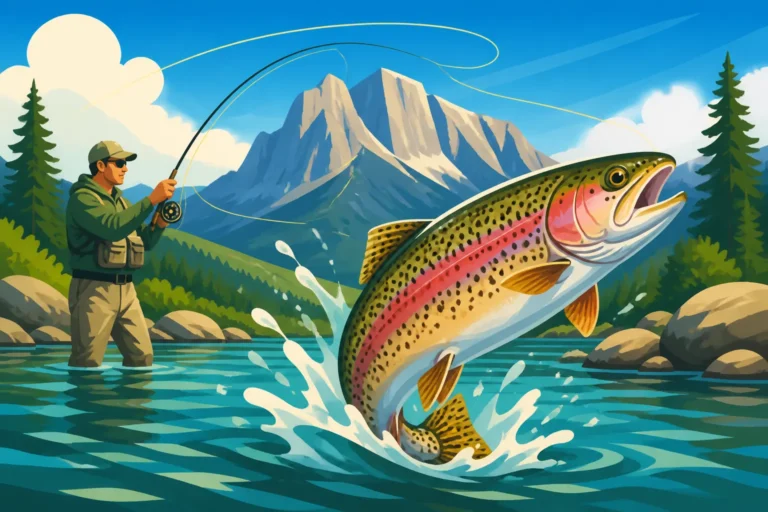
For many anglers, the dream of casting a line in a pristine alpine lake, surrounded by towering peaks, is the ultimate escape. But when you add the allure of catching a truly breathtaking fish – the golden trout – the challenge can feel almost mythical, yet entirely within reach. This guide is here to demystify the pursuit of golden trout in Wyoming's remote high country, helping you plan your adventure, understand these remarkable fish, and maximize your chances of success in their stunning natural habitat.
What Makes Golden Trout So Special?
Golden trout are, without a doubt, one of North America's most stunning freshwater fish. Their striking coloration and the remote, breathtaking landscapes they inhabit combine to create an almost legendary status among anglers. If you've never seen one, it's easy to wonder what all the fuss is about, but trust me, they are truly magnificent.
Their Dazzling Appearance and Unique Characteristics
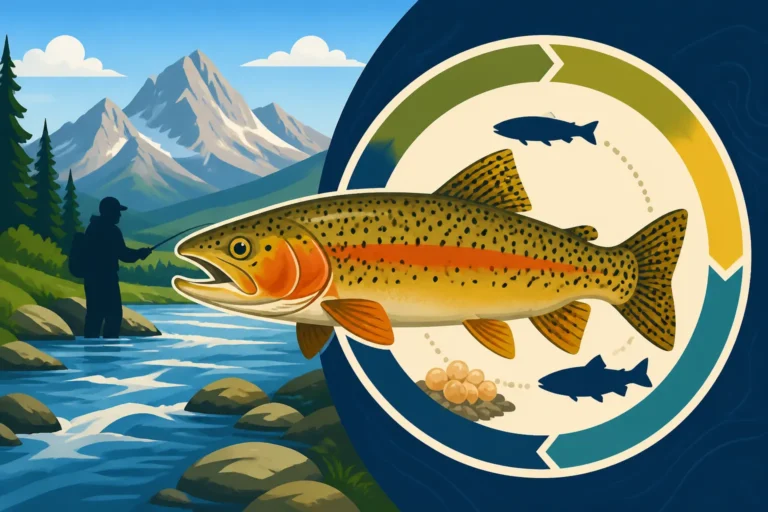
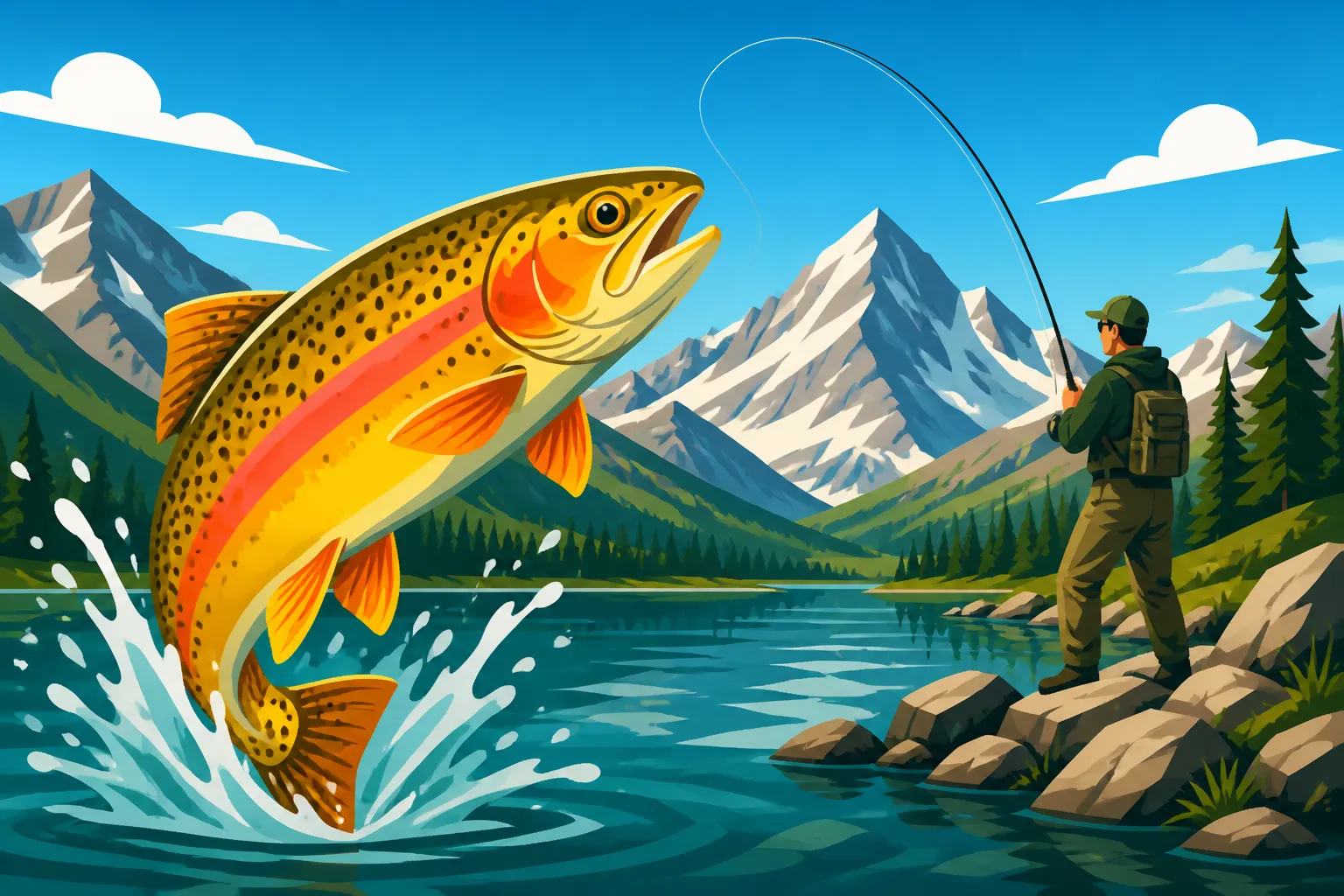
Imagine a fish shimmering with iridescent gold, kissed with streaks of crimson along its lateral line and gill plates. That's a golden trout. Their backs are usually an olive-green, fading into brilliant gold on their sides, which in turn transitions to a fiery orange or red belly. You'll often see prominent parr marks (dark, oval spots) along their sides, even into adulthood, which is a trait more commonly associated with juvenile trout. Their dorsal, anal, and pelvic fins are often tipped with white or orange, adding another layer of contrast to their already vibrant palette. This coloration isn't just for show; it's a perfect camouflage against the golden gravel and rock bottoms of the clear, high-altitude lakes and streams they call home. When you finally hold one of these beauties in your hand, its vibrant hues are simply unforgettable.
Beyond their looks, golden trout are also known for their resilience. They thrive in some of the most unforgiving environments, adapting to cold, nutrient-poor waters and short growing seasons. This hardiness, combined with their striking beauty, makes them a prized catch for any angler willing to make the journey.
A Brief History of Golden Trout in Wyoming
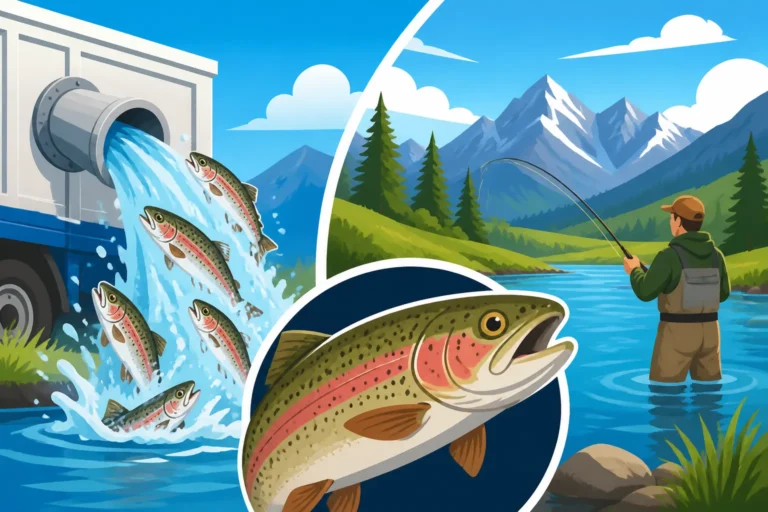
Originally, golden trout were native to a very limited range in California's high Sierra Nevada mountains. So, how did they end up in Wyoming's remote high country? It's a fascinating story of conservation efforts and strategic stocking programs dating back to the early 20th century. Recognizing the unique appeal of these fish and their ability to thrive in cold, barren waters, wildlife agencies in Wyoming began introducing them into suitable alpine lakes that were often naturally fishless or contained only brook trout. These introductions were carefully managed, often involving arduous pack trips with fish in milk cans or, in later years, aerial stocking via aircraft, to ensure the new populations had the best chance of establishing.
Wyoming's efforts have been remarkably successful, creating some of the most robust and accessible golden trout fisheries outside of their native range. Today, these fish are a testament to those early conservationists' vision and the enduring spirit of the wild places they inhabit. Knowing this history makes each catch feel like a connection to a legacy of wilderness preservation.
Why Anglers Seek Out This Elusive Fish
For many, the pursuit of golden trout isn't just about catching a fish; it's about the entire experience. It's the challenge of the hike, the solitude of the wilderness, and the reward of a truly unique catch. These fish live in some of the most remote and pristine corners of Wyoming, often requiring a multi-day backpacking trip to reach. The journey itself becomes as much a part of the adventure as the fishing. The air is thinner, the views are expansive, and the only sounds you hear are the wind and your own footsteps.
Beyond the adventure, golden trout are also known for their feisty fight, especially considering their size. Though typically not huge – a good-sized golden might be 12-16 inches – they punch above their weight, offering thrilling battles on light tackle. The pure satisfaction of landing a vibrant golden trout, caught fairly in its spectacular high-country home, is a memory that lasts a lifetime. It’s a pursuit that embodies the spirit of exploration and connection to nature.
Where to Find Golden Trout in Wyoming
Wyoming's vast wilderness, particularly its towering mountain ranges, offers some incredible opportunities for golden trout fishing. These aren't roadside fisheries; finding goldens often means putting in the miles and gaining some serious elevation, but the payoff is worth every step.
The Wind River Range: A Golden Trout Stronghold
If there's one place in Wyoming synonymous with golden trout, it's the Wind River Range. This magnificent wilderness area, spanning over 2.25 million acres, is home to hundreds of high-alpine lakes, many of which hold thriving populations of golden trout. The Winds are known for their rugged beauty, granite peaks, pristine waters, and relative solitude – perfect conditions for these elusive fish. Within the Wind River Range, you'll find lakes nestled in cirques, carved out by glaciers, often above 10,000 feet in elevation. Access points like the Elkhart Park Trailhead near Pinedale or trailheads off the Loop Road near Dubois can lead you into this incredible golden trout paradise. It's a place where you can truly get away from it all and immerse yourself in the pursuit. For those who love backpacking and fishing, the Wind River Range is a bucket-list destination. High-Elevation Lakes in the Wind River Mountains are absolutely worth exploring.
Many of the lakes in the Winds are part of a long-standing stocking program by the Wyoming Game and Fish Department, where fish are often stocked via airplane to maintain healthy populations in these remote, naturally barren waters. This ensures a sustainable fishery for generations of anglers to enjoy. Remember that while these waters are remote, they are not untouched. Practice Leave No Trace principles to keep them pristine.
Other High-Altitude Havens
While the Wind River Range is a primary destination, other high-altitude areas in Wyoming also offer golden trout opportunities. The Wyoming Range to the west, for example, has several small, remote lakes that hold golden trout, though often less publicized and requiring even more strenuous effort to reach. The Absaroka Range, near Cody, also has some hidden gems. These ranges might not have the sheer number of golden trout lakes as the Winds, but for those seeking true solitude and a sense of discovery, they can be incredibly rewarding. Each of these areas presents its own unique challenges and breathtaking scenery, making every golden trout expedition an unforgettable journey.
Finding these less-known spots often requires extensive map study, consulting local resources, and a willingness to explore. It's not uncommon for anglers to spend years finding and exploring various golden trout lakes, treating each discovery as a personal treasure. This adds to the mystique and appeal of hunting for these special fish beyond the well-trodden paths.
Identifying Prime Golden Trout Habitat
Golden trout thrive in clear, cold, oligotrophic waters – lakes that are generally low in nutrients but high in oxygen. These are typically barren lakes, meaning they historically didn't support fish or had very few species. Look for lakes nestled in granite basins, fed by snowmelt and small, clear streams. The water temperature rarely gets above 50-55 degrees Fahrenheit, even in the height of summer, which is ideal for goldens. They prefer rocky or gravelly bottoms, where they can find insects and small crustaceans, which form the bulk of their diet.
Elevation is also a key factor; most productive golden trout lakes in Wyoming are found above 9,000 to 10,000 feet. The higher you go, the more likely you are to find these specialized fish. When studying maps, look for small, isolated lakes high up in mountain cirques, particularly those with no obvious stream access from larger rivers below, as these were often the targets for early stocking efforts. A little bit of research into Where Golden Trout Are Stocked in Wyoming can also help narrow down your search.
The Art of High-Lakes Fishing for Goldens
Catching golden trout in their natural element is an immensely satisfying endeavor, but it requires a different approach than fishing a meandering river or a large reservoir. These fish are often wild, wary, and selective.
Gear Up: Essential Tackle for Mountain Trekking
When you're hiking into the backcountry, every ounce counts. You need gear that is lightweight, versatile, and reliable. For fly fishing, a lightweight 3 or 4-weight rod, around 7.5 to 8.5 feet long, is perfect. Pair this with a small, click-and-pawl reel and a floating line. You won't be making long casts across wide rivers, but delicate presentations in tight spaces. For spin fishing, a similarly lightweight ultra-light rod (4-5 feet) with a small spinning reel spooled with 2-4 pound monofilament or fluorocarbon line is ideal. What Gear to Pack for a Backcountry Fishing Trip is essential reading before you go.
Beyond your rod and reel, a small selection of flies or lures is crucial. For flies, think small nymphs (Pheasant Tail, Hare's Ear, Prince Nymph in sizes 16-20), dry flies (Parachute Adams, Royal Wulff, Mosquito in sizes 14-18), and perhaps a few small streamers (Woolly Buggers in olive or black, size 10-14). For spin fishing, tiny Kastmaster spoons, Panther Martin spinners, or small inline spinners in gold, silver, or brass finishes work wonders. Carrying a small net, a pair of forceps for hook removal, and a camera to capture the moment rounds out your fishing kit. You can find many of these specialized, lightweight items on platforms like Amazon, making it easy to prepare for your trip.
Effective Techniques for Spooky High-Lakes Trout
Golden trout in these high-altitude environments are often opportunistic feeders but can be incredibly spooky. Stealth is paramount. Approach the lake slowly, staying low, and avoid casting a shadow over the water. Long leaders (9-12 feet, 5x or 6x tippet for fly fishing) are often necessary for presenting flies naturally.
- Dry Fly Fishing: If you see fish rising, dry flies are incredibly effective. Cast softly, letting the fly drift naturally over suspected holding areas or where you see rises. Pay attention to insect activity on the water; matching the hatch is always a good strategy.
- Nymphing: When fish aren't rising, nymphing under a small indicator or with a dry-dropper rig can be very productive. Dead-drift your nymphs near drop-offs, submerged rocks, or stream inlets.
- Spin Fishing: For spin anglers, precise casting is key. Cast small lures towards structure, letting them sink briefly before a slow, steady retrieve. Vary your retrieve speed and add small twitches to entice a strike. Many anglers have great success with ultra-light spinning gear, often finding that the small, flashy lures are irresistible to hungry golden trout. Again, look for compact, lightweight lure sets on Amazon before you head out, as space and weight are at a premium.
Remember, these fish are often concentrated in specific areas, so if you're not getting bites, move quietly and try another section of the lake. Small changes in technique, like a slower retrieve or a different fly pattern, can make a huge difference.
Reading the Water and Locating Golden Trout
Understanding where golden trout hold in these high-alpine lakes is crucial for success. Unlike larger, more complex bodies of water, high-country lakes often have more straightforward structures. Look for areas with incoming streams, which bring in fresh oxygen and food. These inlets are often prime feeding grounds. Drop-offs, where the shallow shelf quickly plunges into deeper water, are also excellent spots, providing both food and protection.
Sunken logs, large boulders, and areas where underwater vegetation exists (though often sparse in these barren lakes) can also hold fish. On bright, sunny days, fish might move to deeper, shadier areas, while on overcast days or during dawn and dusk, they might cruise the shallower edges. Pay attention to wind patterns; a gentle ripple on the surface can break up your silhouette and make fish less wary, but strong winds can make casting difficult and drive fish deeper. Observing the water carefully for signs of feeding or movement will give you major clues as to where these beautiful fish are concentrated.
Planning Your Golden Trout Adventure
Embarking on a golden trout expedition is more than just a fishing trip; it's a backpacking adventure. Proper planning ensures a safe, enjoyable, and successful experience.
Navigating Permits and Regulations
Most golden trout fishing in Wyoming occurs within designated wilderness areas, which means specific rules and permits are often required. For example, many parts of the Wind River Range fall within the Bridger-Teton National Forest or Shoshone National Forest, and a wilderness permit might be necessary, especially for overnight stays. These permits help manage visitor numbers and protect the fragile alpine environment. Always check with the specific National Forest or Wilderness Area office before you go to confirm current requirements.
Of course, a valid Wyoming fishing license is always required. You can purchase these online through the Wyoming Game and Fish Department website or at authorized vendors. Ensure you understand Wyoming Fishing Regulations Every Angler Should Know, including bag and possession limits for golden trout, which can sometimes be more restrictive in specific high-alpine waters to protect these unique populations. Carrying your license with you, ideally a physical copy or a digital copy on your phone, is essential.
Safety First: High-Altitude Considerations
Fishing in Wyoming's high lakes means operating at elevations where safety is a serious concern. Altitude sickness is a real threat, and symptoms can range from headaches and nausea to more severe conditions. Acclimatize gradually if possible, stay hydrated, and be aware of your body's signals. If symptoms worsen, descend to a lower elevation immediately. How to Hike In and Fish a Backcountry Lake covers some critical safety aspects.
Weather in the mountains can change rapidly and unpredictably. A sunny morning can quickly turn into a lightning storm, hail, or even snow, even in summer. Pack layers, including waterproof and windproof outerwear. Carry a reliable map, compass, or GPS device, and know how to use them. Let someone know your itinerary and expected return date. Bear spray is also a wise precaution, as you'll be in prime grizzly and black bear country. A well-stocked first-aid kit is non-negotiable for any backcountry trip. Think about carrying a personal locator beacon (PLB) or satellite communicator for emergencies, especially if venturing alone. Many compact, reliable options are available on Amazon.
Best Time of Year for Golden Trout Expeditions
The window for golden trout fishing in Wyoming's high lakes is relatively short due to the long, cold winters. Typically, the best time to plan your trip is from late July through September.
- Late July to Mid-August: This is often peak season. Most of the snow has melted, trails are clear (though watch for lingering snowfields in shaded areas), and the weather is generally more stable. Insect activity is high, meaning excellent dry fly fishing opportunities. However, this is also when you'll likely encounter the most other hikers and anglers. When Wyoming's Alpine Lakes Usually Thaw is key to planning.
- Late August to September: As autumn approaches, crowds thin out, and the leaves begin to turn, offering spectacular scenery. The fishing can still be excellent, especially as golden trout feed aggressively before winter. However, the weather becomes more unpredictable, with a higher chance of early snowstorms and colder temperatures, so be prepared for anything. This can be an incredibly rewarding time for those seeking solitude and dramatic landscapes. Best Time to Fish a High-Alpine Lake After Ice-Out offers more details on the ideal timing.
Always check current trail conditions, snowpack reports, and weather forecasts before heading out, as these can vary significantly from year to year.
Conservation and the Future of Wyoming's Goldens
The golden trout, while a resilient species, faces unique challenges in maintaining its populations. Anglers play a vital role in ensuring these magnificent fish continue to thrive in Wyoming's high country for generations to come.
Understanding Stocking Programs and Native Populations
Many of Wyoming's golden trout fisheries are sustained through active stocking programs by the Wyoming Game and Fish Department. Due to the barren nature of many high-alpine lakes, natural reproduction isn't always sufficient, or in some cases, isn't possible, to maintain a robust fishery. These stocking efforts, often involving aerial drops of fingerlings, are crucial. Helicopter-Stocked Backcountry Lakes Near Dubois are a prime example of this type of management. While Are Golden Trout Native to Wyoming? is an interesting historical question, the reality is that many of the populations we enjoy today were carefully introduced.
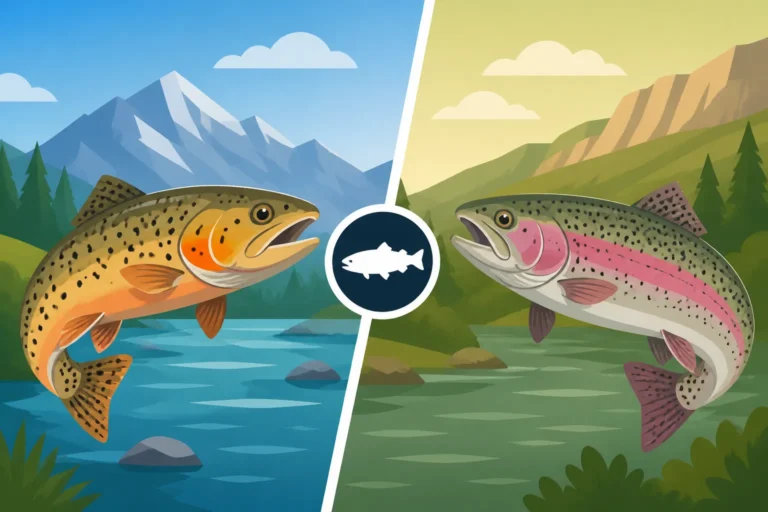
It's important to understand that in some waters, golden trout may hybridize with rainbow trout, leading to "cutbows" or "golden-rainbow" hybrids. While still fun to catch, these hybrids can dilute the genetic purity of true golden trout. Conservation efforts often focus on maintaining pure strains in isolated waters where hybridization is less likely. Supporting these programs and understanding the science behind them helps preserve the unique genetic heritage of this species.
Practicing Responsible Catch-and-Release
Given the often slow growth rates of golden trout in cold, nutrient-poor waters, and the effort it takes to maintain these fisheries, practicing responsible catch-and-release is highly encouraged, especially for larger, mature fish. While keeping a few for a meal is certainly part of the experience, minimizing stress on the fish and ensuring a healthy release is paramount. Use barbless hooks, or pinch down the barbs on your regular hooks, as this makes hook removal much easier and reduces injury.
Handle fish gently with wet hands, keeping them in the water as much as possible, especially during photography. Avoid dragging them on rocks or dry surfaces. If a fish is deeply hooked, cut the line as close to the hook as possible rather than trying to rip it out. Releasing fish quickly and carefully ensures they have the best chance of survival and reproduction, contributing to the health of the fishery. It's a small act that makes a huge difference in these delicate ecosystems.
Threats and Management Efforts
Golden trout populations, like many high-country species, face various threats. Climate change, leading to warmer water temperatures and altered precipitation patterns, could impact their cold-water habitats. Habitat degradation, though less prevalent in pristine wilderness areas, can still occur from overuse or improper backcountry practices. Introduction of competing species, such as brook trout, can also outcompete goldens for limited resources.
The Wyoming Game and Fish Department actively monitors golden trout populations and implements management strategies, including selective stocking, habitat protection, and specific regulations, to mitigate these threats. Anglers can contribute by reporting any unusual observations, such as diseased fish or invasive species, and by adhering strictly to all regulations. By being informed and responsible stewards, we can all play a part in safeguarding the future of golden trout in Wyoming's spectacular high lakes, ensuring that future generations can also experience the thrill of catching these golden gems.
| Gear Item | Purpose | Considerations |
|---|---|---|
| Fishing Rod | Fly or Spin | Lightweight 3/4 wt fly rod (7.5-8.5 ft) OR Ultra-light spin rod (4-5 ft) |
| Reel & Line | Casting & Retrieval | Small reel, floating fly line OR Ultra-light reel with 2-4 lb mono/fluoro |
| Flies/Lures | Attracting Fish | Small nymphs, dry flies, small streamers OR Tiny spoons, spinners (gold/silver) |
| Leader/Tippet | Connecting line to fly/lure | Long (9-12 ft) for stealth, 5x-6x for fly fishing |
| Small Net | Landing fish gently | Lightweight, compact, rubberized mesh for fish safety |
| Forceps/Pliers | Hook removal | Essential for quick, safe hook removal, especially with barbless hooks |
| Wyoming Fishing License | Legal requirement | Purchased online or from vendors; physical or digital copy |
| Wilderness Permit | Access to certain areas (if applicable) | Check with National Forest for current requirements |
| Map & Compass/GPS | Navigation | Essential for backcountry travel, especially off-trail |
| Water Filter/Tablets | Hydration | Access to safe drinking water is critical in remote areas |
| First-Aid Kit | Emergency medical needs | Comprehensive kit for cuts, blisters, altitude sickness, etc. |
| Bear Spray | Bear encounter protection | Essential in bear country, know how to use it |
| Layered Clothing | Adapting to weather changes | Wicking base, insulating mid-layers, waterproof/windproof outer shell |
| Sun Protection | High-altitude sun | Hat, sunglasses, sunscreen |
| Food & Snacks | Energy for hiking/fishing | High-energy, non-perishable food for the duration of your trip |
| Headlamp/Flashlight | Night visibility | For early morning starts or late evening returns, and in camp |
Disclaimer
This article is for general informational purposes only and does not constitute professional advice. Laws, prices and regulations vary by location and change over time. Consult a qualified professional for guidance on your specific situation.