How Much Wyoming’s Record Lake Trout Weighed
There's nothing quite like the dream of hooking into a truly monumental fish, the kind that makes your arms ache and your heart pound. When it comes to Lake Trout in Wyoming, that dream can become a reality, but it takes serious dedication and often some mighty big waters to produce a record breaker. This guide is all about celebrating the king of Wyoming's deepwater giants and giving you the lowdown on just how massive the state record Lake Trout truly is.
The Giant Among Us: Wyoming's Record Lake Trout
For many anglers, chasing the elusive state record is the pinnacle of their fishing journey. It's a test of skill, patience, and often a little bit of luck. When it comes to Lake Trout, Wyoming has certainly delivered some awe-inspiring catches, proving that our deep, cold waters harbor true monsters.
The Record-Setting Catch: Weight and Location
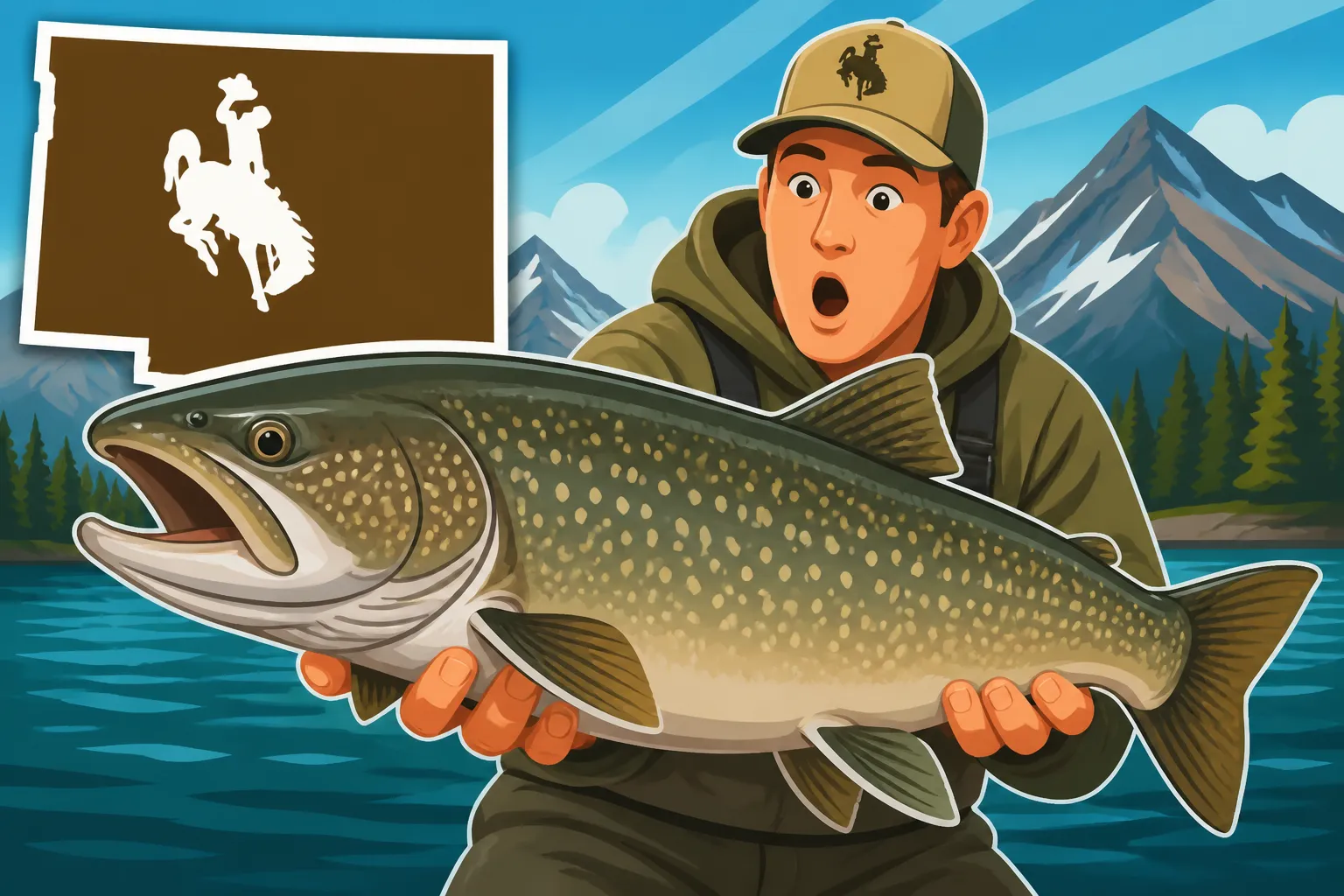
Let's cut right to the chase, because I know you're eager for the numbers. The Wyoming state record Lake Trout weighed in at an absolutely staggering 50 pounds, 4 ounces. Imagine pulling something that massive out of the water! This incredible fish was caught by an angler named Jesse Shelton, back in 1983. And where did this behemoth come from? None other than Jackson Lake, a truly iconic fishery nestled in the heart of Grand Teton National Park.
Think about that moment for a second: a cold, deep lake, a fisherman battling a fish heavier than a small child. It's the kind of story that gets passed down through generations, inspiring countless others to brave the elements and cast their lines into Wyoming's vast waters. It wasn't just a big fish; it was a testament to the immense potential that lies beneath the surface of our lakes. Catching a fish this size requires not just the right tackle, but the fortitude to endure a long fight, often in challenging conditions.
Understanding Lake Trout in Wyoming
Lake Trout, often called Mackinaw by us old-timers, are a truly magnificent species. They are the largest members of the char family found in North America and thrive in cold, oxygen-rich, deep waters. Wyoming offers some exceptional habitat for these fish, allowing them to grow to incredible sizes, much like the one caught by Jesse Shelton.
These fish are long-lived and slow-growing, meaning that record-breaking specimens have likely been patrolling the depths for decades, feasting on smaller fish and invertebrates. Their predatory nature means they're constantly on the hunt, making them a formidable opponent for any angler. If you're interested in learning more about this species, check out Lake Trout (Mackinaw) Fishing in Wyoming. They're truly a cold-water marvel, perfectly adapted to the harsh conditions of Wyoming's deep reservoirs and glacial lakes. Understanding their behavior is key to even having a chance at a true lunker.
Where Giants Roam: Wyoming's Premier Lake Trout Waters
While Jesse Shelton's record came from Jackson Lake, there are other incredible fisheries across Wyoming that consistently produce huge Lake Trout. These lakes share common characteristics: they're typically very deep, very cold, and contain an abundant food source for these apex predators.
Flaming Gorge Reservoir: A Lake Trout Powerhouse
When you talk about trophy Lake Trout in Wyoming, it's impossible not to bring up Flaming Gorge Reservoir. This sprawling body of water, straddling the Wyoming-Utah border, is renowned for its Mackinaw population and the sheer size they achieve. While it hasn't produced a state record yet for Wyoming (though Utah has had its share of monsters from the Gorge), it regularly kicks out fish in the 20, 30, and even 40-pound range.
The vastness of Flaming Gorge means Lake Trout have ample space to grow, and its diverse forage base, including kokanee salmon and other baitfish, provides the perfect diet for them to pack on the pounds. Anglers here often employ specific tactics like deep-water trolling with downriggers, using large spoons, squids, or tube jigs to get down to where these giants lurk. If you want to know more about where to find these fish, dive into Where to Find Mackinaw (Lake Trout) in Wyoming. Targeting these deepwater behemoths often means spending a lot of time on the water, meticulously covering vast areas with specialized gear. It's a commitment, but the reward of a screaming reel and a bent rod is absolutely worth it.
Jackson Lake's Legacy of Lunkers
As the home of the current state record, Jackson Lake holds a special place in Wyoming fishing lore. This stunning lake, with its backdrop of the Teton Range, is not only incredibly beautiful but also incredibly deep, reaching over 400 feet in places. These depths provide the ideal cold-water refuge that Lake Trout crave, especially during the warmer months.
Even today, Jackson Lake continues to yield impressive Lake Trout, though perhaps not with the consistency of a fishery like Flaming Gorge. The challenges of fishing within a national park, combined with the sheer size and depth of the lake, can make it a tougher nut to crack. However, the potential for a true trophy is always there, and the history of that 50-pound, 4-ounce monster serves as a constant reminder. For more insights into the potential sizes of these fish, check out How Big Wyoming Lake Trout Get. The fish caught in Jackson Lake are known for their strong fights, especially when hooked in the clearer, colder waters of the park.
Other Notable Lake Trout Fisheries
While Flaming Gorge and Jackson Lake are the undisputed heavyweights, other Wyoming waters also host healthy populations of Lake Trout. Lakes like Pathfinder Reservoir, Seminoe Reservoir, and even some high-alpine lakes can produce respectable Mackinaw. They might not hold state records, but they offer fantastic opportunities to tangle with large, hard-fighting char. Each of these waters presents its own unique challenges and rewards, from vast open trolling lanes to more intimate deep pockets accessible by smaller craft.
The Hunt for a Trophy: Techniques and Gear for Monster Mackinaw
Catching a truly massive Lake Trout isn't usually an accidental affair. It requires intentional effort, specialized techniques, and gear that can stand up to a sustained, powerful fight. The approach is often vastly different from casting for smaller stream trout.
Deep Water Tactics: Trolling and Jigging
To target Lake Trout, especially the truly big ones, you often need to go deep – sometimes very deep. This means employing techniques that get your lure down to their preferred depths, which can be anywhere from 50 to 150 feet or more, depending on the season and water temperature.
- Trolling: This is arguably the most common and effective method for covering large areas and finding deep-dwelling Lake Trout. Anglers use downriggers to precisely control the depth of their lures, which can include large spoons, stickbaits, or even substantial tube jigs tipped with a strip of bait. The goal is to present your offering right in front of the fish's nose. You'll want to experiment with speed and lure action to find what triggers a bite. For an in-depth look at this, read Trolling Techniques for Wyoming Reservoirs.
- Jigging: Vertical jigging can also be highly effective, especially when you've located schools of fish or structure on your sonar. Large jigs, often weighing several ounces, are dropped to the bottom and worked with a rhythmic lift and fall. This can imitate a dying baitfish and often provokes an aggressive strike from a hungry Mackinaw. When the fish are holding tight to structure or schooled up, vertical presentations are often more effective than trolling a wide area. To refine your deep-water approach, consider How to Fish Deep Structure for Lake Trout.
Essential Gear for Battle
Trying to land a 50-pound fish on lightweight trout gear is a recipe for disaster. You need robust tackle designed for heavy-duty work.
- Rods: Look for stout trolling rods, often in the 7 to 9-foot range, with a medium-heavy to heavy action. These rods have the backbone to handle big fish and the parabolic bend to absorb powerful runs.
- Reels: A high-quality conventional reel, or a large, powerful spinning reel, loaded with ample line is critical. Look for reels with strong drags and high line capacity. Lever drag systems on conventional reels are popular for the power they offer.
- Line: Braided line, with its incredible strength-to-diameter ratio, is a favorite for main line, typically in the 30 to 65-pound test range. It has minimal stretch, which helps with feeling subtle bites at great depths and achieving solid hooksets. A fluorocarbon leader (20-40 pound test) is often added for invisibility and abrasion resistance. You can find a fantastic selection of these heavy-duty fishing lines and other specialized gear on Amazon, making it easy to equip yourself for big fish.
- Lures: Large spoons (like Daredevils or Kamloops), heavy tube jigs (often 6-12 inches long), or specialized trolling flies behind dodgers are common choices. Natural bait like sucker meat can also be highly effective when allowed by regulations. Remember to consider What Lake Trout Eat in Wyoming Reservoirs to select the most appropriate lures.
Equipping yourself properly makes all the difference, not just in catching the fish, but in ensuring a clean fight and a successful landing, whether you plan to keep or release your trophy. Investing in quality gear is like investing in your success and your ability to truly enjoy the battle. Many anglers spend hours researching the latest heavy-duty equipment on Amazon or at local tackle shops before their big trip.
Patience, Persistence, and Preparation
Chasing trophy Lake Trout is rarely a quick endeavor. It often involves long hours on the water, constantly monitoring your electronics, and adjusting your tactics. You need to be patient, as bites can be few and far between, but when they hit, they hit hard. Persistence is key; keep moving, keep trying different depths and presentations until you crack the code.
Beyond the fishing itself, preparation is vital. Having a well-maintained boat with reliable electronics (sonar, GPS, perhaps even side-imaging) is a huge advantage. Understanding the seasonal movements of Lake Trout is also crucial, as their preferred depths and feeding patterns change throughout the year. For example, knowing Best Month for Lake Trout at Flaming Gorge can dramatically increase your chances. Always have a large, deep landing net onboard, and if you plan to keep a trophy, a large cooler with ice is essential to preserve the quality of the meat. Safety on large bodies of water is paramount, so always check weather forecasts and have appropriate safety gear.
The Significance of a State Record
A state record fish is more than just a number; it's a piece of history, a benchmark, and a source of endless inspiration.
The Angler's Dream and Legacy
For Jesse Shelton, that 50-pound, 4-ounce Lake Trout solidified his place in Wyoming fishing history. It's a testament to a phenomenal catch and a memory that will last a lifetime. Every angler who heads out onto Wyoming's waters harbors a secret hope of one day challenging that record, or at least landing a fish that comes close. It drives us to explore new waters, refine our techniques, and spend more time pursuing our passion. It's a goal that keeps the spirit of adventure alive.
Conservation and Management of Lake Trout
State records also serve a valuable role in conservation. They highlight the incredible potential of a fishery and the importance of good management practices that allow fish to grow to such sizes. While some Lake Trout populations, like those in Yellowstone Lake, are managed for suppression due to their impact on native species, in other areas, like Flaming Gorge, they are a highly prized sport fish, managed to ensure sustainable trophy opportunities.
Understanding these distinctions is part of being a responsible angler. Always consult the latest Wyoming Fishing Regulations Every Angler Should Know and water-specific rules before you head out. These regulations are designed to maintain healthy fish populations and ensure that future generations can also chase their own record-breaking dreams.
To put that 50-pound Lake Trout into perspective with other Wyoming giants, here’s a quick look at some of the state's other impressive fishing records:
| Species | Record Weight (lbs, oz) | Location | Year |
|---|---|---|---|
| Lake Trout | 50 lbs, 4 oz | Jackson Lake | 1983 |
| Brown Trout | 25 lbs, 13 oz | Flaming Gorge Res. | 1996 |
| Rainbow Trout | 23 lbs | Firehole River | 1969 |
| Cutthroat Trout | 13 lbs, 8 oz | Lake Fork Creek | 1959 |
| Walleye | 17 lbs, 14 oz | Boysen Reservoir | 1991 |
| Kokanee Salmon | 6 lbs, 11 oz | Flaming Gorge Res. | 1994 |
As you can see, the Lake Trout record truly stands out as a colossal achievement. These numbers underscore the incredible diversity and quality of fishing available throughout the Cowboy State. Whether you're chasing trout in a mountain stream or a giant walleye in a reservoir, Wyoming offers opportunities for every kind of angler to pursue their own personal best. Many anglers rely on gear that can be easily found on Amazon to pursue these diverse species, from ultralight setups for brook trout to heavy rigs for monster lake trout.
Disclaimer
This article is for general informational purposes only and does not constitute professional advice. Laws, prices and regulations vary by location and change over time. Consult a qualified professional for guidance on your specific situation.