Where Wyoming’s Record Cutthroat Trout Was Caught
There's something truly captivating about a record-breaking fish, isn't there? It sparks the imagination, making you wonder about the angler, the fight, and especially, the water that held such a magnificent creature. For many, the idea of a trophy cutthroat trout evokes images of pristine mountain streams and crystal-clear high-alpine lakes. If you've ever dreamed of chasing Wyoming's iconic native trout, this guide is going to shed light on exactly where the state's record Yellowstone Cutthroat Trout was landed, and what it means for anglers hoping to experience a similar thrill.
The Legendary Catch: Where Wyoming's Record Cutthroat Trout Was Found
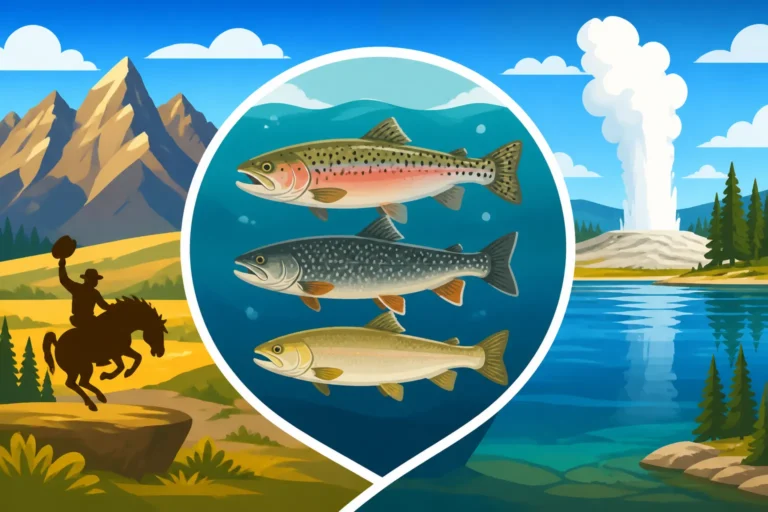
When we talk about Wyoming's record Yellowstone Cutthroat Trout, we're talking about a fish of truly monumental proportions that wasn't just big, but iconic for its species. This magnificent fish, weighing in at an astounding 11 pounds, 15 ounces, was caught in the clear, cold waters of Leigh Lake, nestled within the stunning Grand Teton National Park. This isn't just a random body of water; Leigh Lake is renowned for its pristine conditions and healthy population of native Yellowstone Cutthroat.
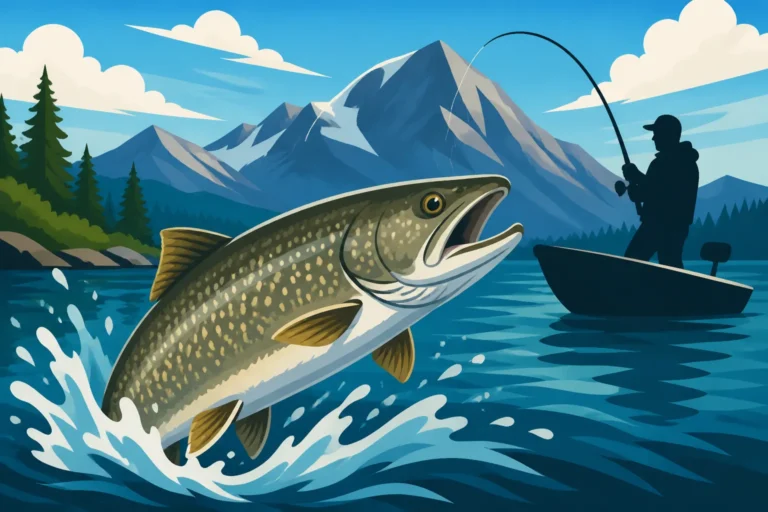
The angler who accomplished this feat, Mark Warner, pulled this behemoth from the lake back in 1959. Imagine the excitement, the disbelief, of reeling in a cutthroat nearly 12 pounds – a size most anglers only dream of. It stands as a testament to the incredible potential of Wyoming's fisheries, particularly within its protected areas, and highlights why these native species are so cherished. It's a record that has stood the test of time, holding its place in the annals of Wyoming fishing history, and continually inspiring others to explore the depths of our mountain lakes.
Why Leigh Lake? A Haven for Native Cutthroat
Leigh Lake isn't just any lake; it's a glacier-fed gem in the heart of Grand Teton National Park. Its cold, oxygen-rich waters and abundant natural food sources create an ideal habitat for Yellowstone Cutthroat Trout. The fact that it's located within a national park also means it benefits from robust conservation efforts and restricted access compared to many other waters, helping to preserve its ecological integrity. This environment allows the fish to grow to impressive sizes, like Mark Warner's record-breaker.
The lake is part of a larger interconnected system, and the overall health of the ecosystem contributes directly to the vitality and growth of its trout populations. Anglers often find that fishing here isn't just about the catch, but about the breathtaking scenery and the sense of being immersed in a truly wild landscape. The efforts to manage these waters for native species, especially within the confines of Fishing Rules Inside Grand Teton National Park, ensure that these special places continue to thrive.
The Allure of Trophy Fish in Protected Waters
Catching a record fish is a rare occurrence, a combination of skill, luck, and being in the right place at the right time. But the existence of such a record in a place like Leigh Lake speaks volumes about the quality of the fishery. For many, the pursuit of a trophy fish isn't about setting a new record, but about the challenge, the experience, and the connection to nature. These protected waters, while sometimes requiring special permits or adherence to specific regulations, offer some of the best opportunities to encounter truly magnificent specimens. They serve as a reminder of the importance of preserving wild places and native fish populations for future generations to enjoy.
Understanding the Yellowstone Cutthroat Trout
The Yellowstone Cutthroat Trout (Oncorhynchus clarkii bouvieri) holds a special place in the hearts of Wyoming anglers, and for good reason—it's Wyoming's State Fish: The Yellowstone Cutthroat! It’s a species deeply embedded in the state's natural heritage and its fishing culture. Knowing a bit about this particular subspecies helps us appreciate the magnitude of Mark Warner's catch and understand what makes Leigh Lake such a prime location.
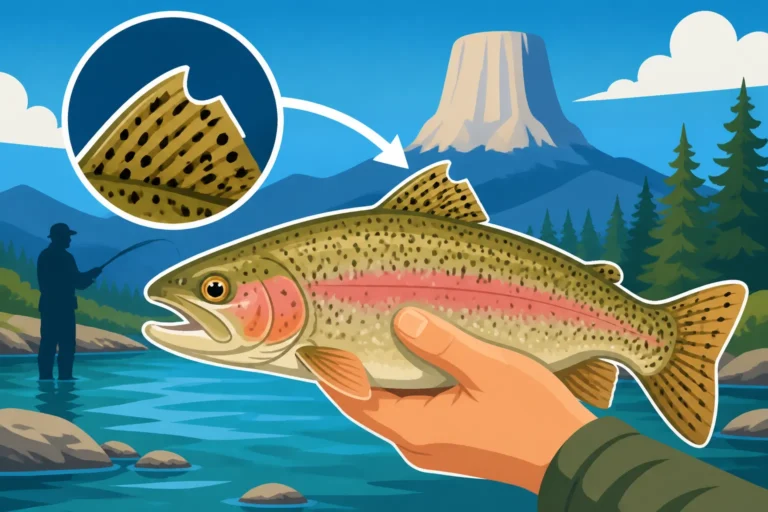
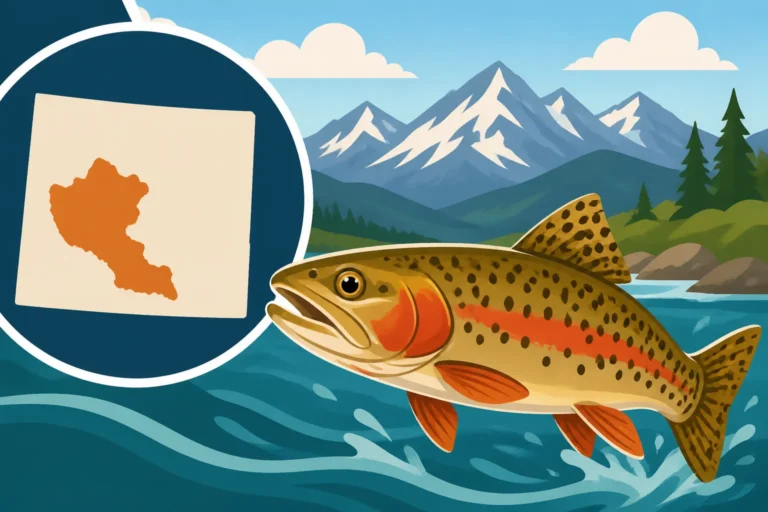
These trout are easily identified by the distinctive red or orange "slash" marks under their jaw, which gives them their "cutthroat" name. Their bodies are typically adorned with numerous small, dark spots, which are often concentrated toward the tail. For a more detailed look, checking out a guide on Identifying a Yellowstone Cutthroat Trout can be really helpful.
Native Habitat and Behavior
Yellowstone Cutthroats are native to the Snake River and Yellowstone River drainages, meaning their historical range includes much of western Wyoming. They thrive in cold, clear, well-oxygenated waters, which is exactly what high-elevation lakes and mountain streams provide. These fish are opportunistic feeders, consuming a wide variety of insects, smaller fish, and even small rodents. Their diet, combined with ample space and cold temperatures, contributes to their potential for impressive growth.
In lakes like Leigh, they often inhabit deeper waters during warmer months, moving closer to shore or into shallower bays to feed during cooler parts of the day or year. They are also known to make spawning runs into tributary streams, a crucial part of their life cycle that makes stream and river fishing for them particularly exciting during certain seasons. Understanding these behaviors is key to successfully targeting them.
Conservation Status and Importance
While the Yellowstone Cutthroat Trout is a robust species, its populations have faced challenges over the years due to habitat degradation, hybridization with non-native rainbow trout (creating "cutbows"), and predation from introduced species like lake trout in some areas (e.g., Yellowstone Lake). The record caught in Leigh Lake highlights the importance of keeping their native waters pristine and protected.
Efforts by the Wyoming Game and Fish Department, along with national park services, focus heavily on conserving and restoring native cutthroat populations. This often involves habitat restoration, careful management of stocking programs, and strict fishing regulations to ensure these iconic fish continue to thrive. When you fish for them, you're not just casting a line; you're participating in a tradition that relies on respectful and responsible angling practices.
Fishing for Cutthroat in Leigh Lake and Similar Mountain Waters
While Leigh Lake holds the state record, it's also a designated wilderness lake within Grand Teton National Park, meaning access and fishing methods are strictly regulated. You won't find motorboats or easy drive-up access here. However, the principles for fishing Leigh Lake apply to many other high-alpine lakes in Wyoming that hold healthy cutthroat populations.
Reaching Leigh Lake typically involves a beautiful, but moderate, hike from String Lake. You can launch non-motorized boats like canoes or kayaks, but they must be portaged from String Lake, which is a significant effort. This limited access helps maintain its wilderness character and the health of its fish. Always check current regulations with the National Park Service or Wyoming Game and Fish Department before planning your trip to ensure you're compliant with all rules and permit requirements. You might also want to consult Fishing Spots Inside Grand Teton National Park, Wyoming for more detailed access information.
Essential Gear and Techniques
When targeting cutthroat in these clear, high-elevation waters, a thoughtful approach to gear and technique is essential.
- Fly Fishing: Many serious cutthroat anglers swear by fly fishing. A 4- or 5-weight fly rod is generally sufficient for most cutthroat, offering a good balance of finesse and power. Matching the hatch is always a good strategy, but reliable patterns include elk hair caddis, parachute Adams, various dry-dropper setups, and small streamers. Nymphing with imitations of stoneflies, caddis larvae, or mayfly nymphs can be incredibly effective, especially when fish are holding deeper. Fly Fishing Techniques for Wyoming Trout Streams offers a good foundation.
- Spin Fishing: For spin anglers, light tackle is the way to go. Small inline spinners (like Panther Martins or Mepps), spoons, or small jerkbaits can all entice a bite. For bait fishing, worms or powerbait can be effective, but always verify if bait is allowed on the specific water you're fishing. Many national park waters have strict bait restrictions. A light spinning rod with 4-6 pound test line will give you the sensitivity needed.
- Waders and Boots: The water in these mountain lakes and streams is cold, even in summer. A good pair of waders and wading boots is invaluable for comfort and reaching prime fishing spots from shore. You can find a wide range of options, from breathable chest waders to sturdy wading boots, easily found on Amazon.
- Nets: A quality landing net with a rubberized mesh is crucial for practicing catch and release, minimizing harm to the fish. A good net, which you can browse on Amazon, is crucial for landing fish gently and is an essential piece of equipment for any responsible angler.
- Navigation and Safety: Given the remote nature of some of these spots, always carry a map, compass or GPS, and be prepared for changing weather conditions. A comprehensive list like What Gear to Pack for a Backcountry Fishing Trip is a great starting point.
Water-Specific Considerations for Leigh Lake
- Access: As mentioned, access is foot-only, requiring a portage if you plan to use a boat. This limits fishing pressure and maintains the quality of the experience.
- Regulations: Grand Teton National Park has specific fishing regulations that differ from Wyoming Game and Fish rules. Always consult the current park fishing bulletin. Often, regulations include catch-and-release only for native species, barbless hook requirements, and specific restrictions on bait. Do You Need a Wyoming License to Fish in Grand Teton National Park? covers the licensing specifics.
- Best Times: Early morning and late evening are often the most productive, especially during the warmer summer months. During the day, fish might retreat to deeper, cooler waters. Fishing just after ice-out can also be very productive before the crowds arrive.
- Structure: Look for submerged logs, rock outcroppings, and points where fish might ambush prey. The drop-offs where shallow water gives way to deeper areas are also prime spots. Leigh Lake has a diverse underwater structure that provides excellent cover for large cutthroat.
Ethical Angling and Conservation for Native Cutthroat
The catch of a record cutthroat trout in a pristine wilderness like Leigh Lake underscores a vital aspect of fishing in Wyoming: the responsibility we share as anglers to protect these incredible resources. It’s not just about what you catch, but how you fish and the respect you show for the environment and its inhabitants.
Catch and Release: A Cornerstone of Conservation
For native species like the Yellowstone Cutthroat Trout, especially in waters managed for their preservation, catch-and-release fishing is often strongly encouraged or even mandated. Even if you're allowed to keep a fish, considering releasing larger, older fish can help maintain healthy breeding populations and ensure future generations have the chance to catch their own trophy.
Proper Catch-and-Release Best Practices for Trout are paramount. This includes:
- Using barbless hooks (or crimping down barbs on barbed hooks) to minimize injury.
- Handling fish gently with wet hands, avoiding squeezing or touching their gills.
- Keeping the fish in the water as much as possible for photos and release.
- Reviving the fish by holding it upright in the current until it swims away on its own.
These practices are not just good etiquette; they are crucial for the long-term health of the fishery. Many anglers even carry a small pair of pliers or forceps, readily available on Amazon, to quickly remove hooks.
Supporting Habitat and Ecosystem Health
Beyond individual fishing practices, understanding and supporting broader conservation efforts is vital. This includes:
- Knowing the Regulations: Familiarize yourself with Wyoming Fishing Regulations Every Angler Should Know and any specific rules for the waters you plan to fish, especially in national parks or wilderness areas. Regulations are in place to protect the fishery, not just to make things difficult.
- Preventing Invasive Species: Always clean, drain, and dry your boat, waders, and gear between fishing trips to prevent the spread of aquatic invasive species. These can decimate native fish populations and habitat.
- Pack It In, Pack It Out: Leave no trace. Take all your trash with you, and even pick up any litter you find. Protecting the pristine nature of places like Leigh Lake is a collective effort.
- Report Violations: If you witness illegal fishing activity or environmental damage, report it to the appropriate authorities (Wyoming Game and Fish Department or National Park Service rangers).
By being a responsible and ethical angler, you contribute directly to the health and future of Wyoming's incredible fisheries, ensuring that the legacy of magnificent fish like the record-setting cutthroat in Leigh Lake continues for generations to come.
The Wyoming Cutthroat Trout Legacy
The story of Wyoming's record cutthroat trout caught in Leigh Lake isn't just about a big fish; it's a narrative woven into the very fabric of Wyoming's wilderness. It speaks to the health of our native populations, the pristine quality of our mountain lakes, and the dedication of anglers and conservationists alike. Whether you're casting a fly, trolling a lure, or simply enjoying the breathtaking scenery, remember the legacy of that record-breaking fish. It’s a powerful reminder of what's possible when nature thrives, and it inspires us all to protect these waters for tomorrow.
| Record Yellowstone Cutthroat Trout – Key Facts | Details |
|---|---|
| Weight | 11 pounds, 15 ounces |
| Location Caught | Leigh Lake, Grand Teton National Park, Wyoming |
| Year Caught | 1959 |
| Angler | Mark Warner |
| Significance | Wyoming's state record for Yellowstone Cutthroat Trout; highlights pristine mountain lake ecosystem. |
| Species Characteristic | Native to Snake/Yellowstone River drainages, red "slash" marks below jaw, abundant dark spots. |
| Access to Leigh Lake | Hike-in only; non-motorized boats require portage from String Lake. |
| Typical Fishing Method | Fly fishing, light tackle spin fishing (check bait regulations). |
| Conservation Status | Native species, focus on habitat protection, catch-and-release often encouraged/required. |
Disclaimer
This article is for general informational purposes only and does not constitute professional advice. Laws, prices and regulations vary by location and change over time. Consult a qualified professional for guidance on your specific situation.