Wyoming Fishing Seasons and Water-Specific Closures
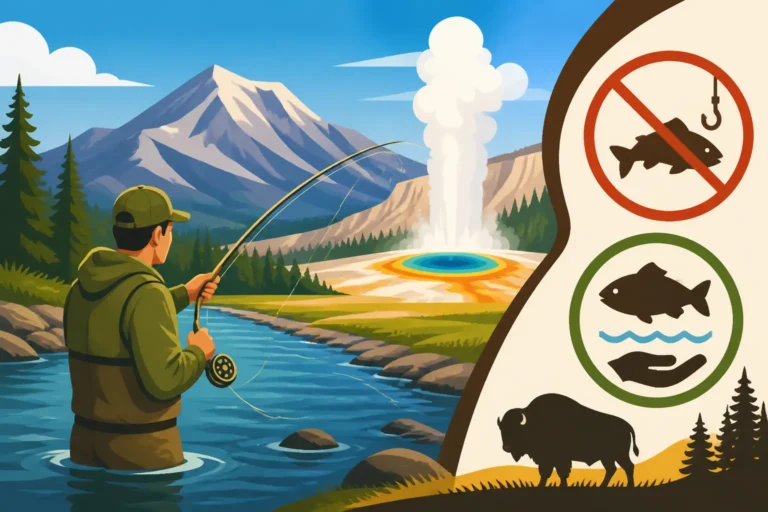
One of the trickiest parts about planning a fishing trip in Wyoming isn't necessarily figuring out where the fish are biting, but rather understanding when you can legally fish certain waters. It's incredibly frustrating to spend hours researching a prime spot, only to arrive and find out it's closed for a spawning season or has special restrictions you didn't know about. This guide is here to untangle the complexities of Wyoming's fishing seasons and those all-important water-specific closures, helping you cast a line with confidence.
The Ever-Changing Landscape of Wyoming Fishing Seasons
Wyoming's fisheries are incredibly diverse, from vast high-desert reservoirs to winding mountain streams and serene alpine lakes. Each of these unique environments, and the fish species within them, often require a tailored approach to management, which includes setting specific fishing seasons and imposing closures. It's not a "one size fits all" situation out here, and understanding the nuances is key to a successful — and legal — angling adventure.
Why Seasons and Closures Matter So Much
When you encounter a "closed to fishing" sign or read about a specific seasonal restriction in the regulations, it's not just the Game and Fish Department trying to make things complicated. These measures are fundamentally about conservation and protecting the incredible natural resources we have in Wyoming. Spawning closures, for example, are crucial for allowing fish species like trout to reproduce undisturbed, ensuring healthy populations for future generations. Fishing pressure during these vulnerable times can severely impact a fishery's long-term viability. Imagine trying to raise a family with a constant stream of noisy visitors! Fish need that quiet time too.
Beyond conservation, these regulations are about ensuring fair chase and a quality angling experience. They also protect fragile habitats from excessive disturbance during sensitive periods. And, let's be honest, staying compliant with the law means avoiding hefty fines and potential loss of fishing privileges, which nobody wants when they're trying to enjoy the great outdoors. Knowing the rules means you can fish ethically and responsibly, contributing to the health of the very waters you love.
How Wyoming Game and Fish Sets the Calendar
The Wyoming Game and Fish Department (WGFD) is the agency responsible for managing all wildlife and fisheries in the state, and they don't take the task lightly. Their biologists conduct extensive research, including fish population surveys, habitat assessments, and water quality monitoring, to understand the health and dynamics of various fisheries. This scientific data forms the backbone of their decision-making process when it comes to setting seasons and limits.
But it's not just science. The WGFD also actively seeks public input. They hold open public meetings, conduct surveys, and gather feedback from anglers, landowners, and other stakeholders. This ensures that regulations are not only biologically sound but also consider the social and economic aspects of fishing in Wyoming. Regulations are typically updated annually or biennially, published in the official "Wyoming Fishing Regulations Every Angler Should Know" booklet. These updates reflect changing environmental conditions, new scientific findings, and evolving management goals. For a deeper dive into how to interpret these critical documents, you'll want to check out our guide on Reading the Wyoming Fishing Regulations Booklet.
Understanding Wyoming's General Fishing Season
Many anglers coming to Wyoming assume there's a specific "fishing season" that starts and ends on set dates across the board. While some states operate that way, Wyoming often takes a more nuanced approach. It’s important to understand the general rules before diving into the exceptions.
The Statewide Default: Year-Round Fishing
Here's a piece of good news for those eager to fish almost any time: many, many waters across Wyoming are open to fishing year-round. This means that unless a specific body of water or section of a river is explicitly listed as closed or having a restricted season in the current regulations, you can generally assume it's open 365 days a year. This default setting offers incredible flexibility for anglers, allowing for ice fishing in winter, early spring excursions, peak summer action, and glorious fall trips.
This year-round access applies to a huge number of lakes, reservoirs, and rivers throughout the state. It allows locals and visitors alike to enjoy the diverse angling opportunities whenever their schedule permits. However, relying solely on this default can get you into trouble if you don't do your homework. Always remember: "unless otherwise specified."
The Importance of Regulation Booklets
While the year-round default is great, it's absolutely critical to understand that it is not universal. Wyoming is famous for its intricate, water-specific regulations, and it's these exceptions that truly define the fishing calendar. You simply cannot head out without consulting the latest official Wyoming Game and Fish Department fishing regulations. This booklet is your bible for understanding what's open, what's closed, and what special rules apply.
Inside the regulation booklet, you'll find detailed tables and descriptions listing specific waters that have different seasons. These might include:
- Delayed Openings: Some high-alpine lakes, for example, might not open until July 1st due to persistent ice and snowpack.
- Seasonal Closures: Certain river sections might be closed entirely during specific months to protect spawning fish, especially brown trout in the fall or rainbow and cutthroat in the spring.
- Winter Closures: A few waters might close for the entire winter period to prevent overharvest on concentrated fish or to protect sensitive areas.
Neglecting to check the booklet is like trying to navigate a new city without a map – you're bound to get lost, or worse, end up in a restricted area. Make sure you have a current copy, whether it's a physical one or the digital version on your phone, every time you go fishing. It's truly an indispensable tool for every angler in Wyoming.
Common Seasonal Restrictions You'll Encounter
Wyoming's diverse ecosystems and fish populations necessitate a range of specific seasonal restrictions. These aren't arbitrary rules; they're carefully designed to protect the state's valuable fisheries and ensure their sustainability. Knowing the most common types of closures will help you plan your trips effectively and avoid any legal pitfalls.
Spawning Closures for Trout
One of the most frequent and important seasonal restrictions you'll see in Wyoming targets spawning fish. Trout, like many other species, have specific times of the year when they move to shallower waters or upstream areas to lay their eggs. During these periods, they can be highly vulnerable to fishing pressure, and disturbing them can significantly impact the success of their reproduction.
- Fall Spawners (Brown Trout): Brown trout typically spawn in the fall, often from late September through November. During this time, you'll find sections of famous rivers, such as parts of the North Platte River or the Snake River, closed to all fishing to protect these magnificent fish as they perform their vital role. These closures help ensure that the next generation of trophy browns can thrive.
- Spring Spawners (Rainbow & Cutthroat Trout): Rainbow trout and various subspecies of cutthroat trout generally spawn in the spring, usually from March through May. While fewer statewide closures exist specifically for these, some particular drainages or stretches of water might have delayed openings or specific regulations to protect these fish during their reproductive cycle. For instance, smaller tributary streams where cutthroat move to spawn might be closed to protect them.
These closures are not just about letting the fish spawn; they're also about preventing damage to redds (nests of eggs) which can be inadvertently stepped on by wading anglers. Always be mindful of potential spawning areas, even if a water is technically open.
Winter and Ice-Off Closures
While many Wyoming waters are open for ice fishing, some specific areas have winter closures or delayed openings in the spring. These regulations serve various purposes:
- Protection of Concentrated Fish: In certain small lakes or slow-moving river sections, fish can become highly concentrated in winter, making them exceptionally vulnerable to overharvest through ice fishing. Closures in these spots help maintain healthy populations.
- Delayed Openings for High-Altitude Waters: Many of Wyoming's breathtaking high-alpine lakes remain frozen solid well into spring, sometimes even early summer. The WGFD often sets delayed opening dates for these waters, typically around July 1st. This allows for the ice to completely clear, the water to warm slightly, and fish to disperse from their winter holding patterns before fishing begins. It also often coincides with when these areas become safely accessible via hiking.
- Ice-Off Vulnerability: Just after the ice melts (ice-off), fish can be somewhat sluggish and sometimes easier to catch as they adjust to changing conditions. While not as common, some specific waters might have temporary restrictions immediately after ice-off. If you're planning an ice fishing adventure, our guides on When Ice Fishing Season Starts in Wyoming and When Ice Fishing Season Ends in Wyoming can offer more detailed insights into typical dates.
Water-Specific Openings for High-Elevation Lakes
Wyoming is home to thousands of high-elevation lakes, many of which are tucked deep within wilderness areas like the Wind River Range, the Absarokas, or the Bighorn Mountains. These pristine waters offer incredible fishing for species like golden trout, brook trout, and cutthroat. However, their remote location and harsh climate mean they operate on a different schedule than lower-elevation waters.
As mentioned, it's very common for these high-alpine lakes to have an official opening date of July 1st. Even then, depending on the snowpack in any given year, some might not be fully ice-free or safely accessible until mid-July or even later. This means planning a trip to these spots requires flexibility and checking current conditions. The short, intense fishing season in these areas, typically lasting from July through September, makes them highly sought after. Anglers often combine backpacking or horse packing trips with their fishing pursuits, making for truly unforgettable adventures once these waters finally open.
Navigating Water-Specific Closures and Special Rules
Beyond general seasonal openings and closures, many Wyoming waters have very specific rules that dictate how you can fish them. These might include restrictions on tackle, bait, or even how you handle the fish once caught. Understanding these nuances is crucial for ethical and legal angling.
Catch-and-Release Only Sections
Wyoming is famous for its blue-ribbon trout streams, and many of these premier fisheries feature designated catch-and-release (C&R) sections. The purpose of C&R regulations is to create and maintain trophy fisheries by ensuring that larger, often genetically superior, fish remain in the system to continue growing and reproducing. These sections are a testament to Wyoming's commitment to world-class angling.
You'll find prominent C&R sections on iconic rivers like the North Platte River, particularly the famous Gray Reef and Miracle Mile stretches. These areas are managed for trophy brown and rainbow trout, and releasing your catch unharmed is paramount. Often, C&R sections come hand-in-hand with other gear restrictions to minimize harm to the fish. For instance, many C&R areas require the use of artificial flies or lures with single, barbless hooks. If you're heading to the North Platte, you'll definitely want to read up on Are Barbless Hooks Required on the North Platte River?. Always carry a pair of forceps or hemostats to easily remove hooks and minimize handling time when practicing catch-and-release.
Gear and Bait Restrictions
Some of Wyoming's most celebrated waters have specific rules about what kind of tackle you can use. These aren't just suggestions; they are strictly enforced regulations designed to protect fragile ecosystems or enhance the angling experience.
- Fly-Fishing-Only or Artificial Lure Only: You'll encounter many sections of rivers and even some lakes where only artificial flies or lures are permitted. This is particularly common on prime trout waters where the goal is to reduce the mortality rate of caught fish and maintain the challenge of the sport. Make sure your tackle box is stocked with the right gear if you're venturing into these areas.
- Bait Restrictions: Bait fishing, while allowed on many waters, is severely restricted or entirely prohibited in others. These restrictions often relate to preventing the spread of aquatic invasive species or diseases. Live minnows, for example, are generally prohibited as bait in many drainages to prevent the introduction of undesirable fish species. Even common baits like worms or PowerBait can be restricted in certain areas. It's essential to consult the regulations regarding Where Bait Fishing Is Restricted in Wyoming before you dig up those worms. These rules are in place for a good reason, and adherence helps preserve the pristine nature of Wyoming's waters.
Emergency Closures and What They Mean
Even with all the pre-season planning and carefully published regulations, Mother Nature can throw a curveball. Wyoming is susceptible to environmental conditions that can necessitate immediate, in-season emergency closures. These are typically implemented when specific threats arise that could severely impact fish populations.
Common reasons for emergency closures include:
- Drought and Low Water: Prolonged drought can lead to extremely low water levels in rivers and streams, concentrating fish and making them stressed.
- High Water Temperatures: During hot summer months, water temperatures can climb to lethal levels for cold-water species like trout. Fishing during these periods adds further stress, often resulting in delayed mortality even if the fish is released.
- Disease Outbreaks: The discovery of fish diseases, such as whirling disease or New Zealand mudsnails, can prompt closures to prevent further spread.
The WGFD acts quickly to implement and announce these closures, often through their website, social media channels, and local news outlets. It's vital for anglers to check for these emergency announcements right before heading out, especially during periods of extreme weather or environmental stress. Our guide on How Wyoming Game and Fish Announces Emergency Closures provides more details on staying informed. Being aware and flexible is key, as conditions can change rapidly in the Cowboy State.
Key Wyoming Waters with Noteworthy Seasonal Patterns
While the general rules apply to many waters, some of Wyoming's most iconic fishing destinations have unique seasonal patterns and restrictions. These are the places where checking the regulations isn't just a recommendation, it's an absolute necessity.
The North Platte River System
The North Platte River, especially the stretches near Casper, is arguably Wyoming's most famous trout fishery. However, it's a complex system with a patchwork of regulations that can change depending on the specific section you're fishing.
- Miracle Mile and Gray Reef: These legendary stretches are often open year-round, drawing anglers even in the depths of winter. However, they are predominantly managed as catch-and-release fisheries, often requiring artificial flies or lures with barbless hooks. You'll want to explore our specific guides on The Miracle Mile Stretch of Wyoming's North Platte River and Fishing Gray Reef on Wyoming's North Platte River to get the full picture.
- Spawning Closures: Downstream from the Gray Reef, certain sections of the North Platte, particularly from Gray Reef Dam downstream to the Lusby access, might have seasonal closures in the fall to protect spawning brown trout. These closures are vital for sustaining the river's robust population of large brown trout.
- Flexibility is Key: The North Platte is also a tailwater fishery, meaning its flows are controlled by upstream dams. Water releases can significantly impact fishing conditions and access. Staying informed about current flows from the Bureau of Reclamation is just as important as knowing the seasons. Many anglers planning a trip to the North Platte will order their specialized fly patterns and leaders from Amazon ahead of time to be prepared for the specific conditions of these famed waters.
Snake River and Jackson Lake
The Snake River system in western Wyoming, flowing through Jackson Hole, offers a distinct experience, predominantly for native fine-spotted Snake River cutthroat trout. This area has seen some significant regulation changes recently.
- Jackson Lake: Historically, Jackson Lake had specific closure periods. However, recent changes have impacted its accessibility. For example, Why Jackson Lake Now Stays Open Through October details how the fishing season on this large lake has been extended, offering more opportunities for anglers to target its lake trout and cutthroat. This is a significant shift, highlighting the dynamic nature of Wyoming's regulations.
- Snake River Below Jackson Lake Dam: The river sections immediately below Jackson Lake Dam, including within Grand Teton National Park, often have very specific regulations, sometimes differing from sections further downstream. For instance, New Snake River Trout Limits Near Jackson Lake Dam outlines adjusted limits that anglers need to be aware of. These rules are often designed to manage the unique populations in these high-profile waters.
- General Snake River: While many sections of the Snake River are open for much of the year, specific tributary mouths or smaller sections might have seasonal closures to protect spawning cutthroat or other vulnerable species. Always check the map in the regulation booklet for the specific section you intend to float or wade.
High Mountain Lakes and Wilderness Areas
Wyoming's vast wilderness areas, including the Bridger-Teton, Shoshone, and Bighorn National Forests, are home to countless high-alpine lakes. These offer pristine fishing experiences, but their seasons are dictated largely by nature.
- Late Openings: As discussed, most of these high-elevation lakes don't become accessible or fishable until the snow melts and the ice breaks up, typically around July 1st. This shortens their effective fishing season to the summer and early fall months.
- Remote Access: Fishing these lakes usually involves significant hiking, often multi-day backpacking trips, or even horse pack trips. While the seasons are shorter, the rewards of solitude and spectacular scenery, combined with eager trout, are immense. Golden trout, brook trout, and various cutthroat subspecies thrive in these environments.
- Permits and Rules: Beyond fishing licenses, remember that some wilderness areas or national parks (like Grand Teton or Yellowstone) might require separate backcountry permits for camping or have additional fishing regulations unique to their boundaries. Always check with the relevant land management agency before planning your adventure.
Planning Your Trip Around Wyoming's Fishing Calendar
Successfully navigating Wyoming's fishing seasons means more than just avoiding closed waters; it's about optimizing your trip for the best possible experience. Matching your target species and preferred fishing style with the right time of year and location can make all the difference.
Best Seasons for Different Fish Species
While many fish are available year-round, their activity levels, locations, and feeding patterns change dramatically with the seasons. Targeting specific species during their peak activity windows can significantly increase your success. Here's a general overview, but always remember to consult the detailed regulations for specific waters:
| Fish Species | Best Season | Typical Locations | Special Considerations |
|---|---|---|---|
| Brown Trout | Fall (Sept-Nov) | North Platte, Snake River, Green River tailwaters | Aggressive during spawning run; many sections are C&R or closed during this period. |
| Rainbow Trout | Spring (Apr-June), Fall | North Platte, many stocked lakes/streams | Excellent early season in rivers; active on nymphs/streamers. Fall can offer good dry fly opportunities. |
| Cutthroat Trout | Summer (June-Aug) | Snake River, Yellowstone Lake, High-alpine lakes | Native species, often found in higher elevations. Can be very aggressive on dry flies. Vulnerable during spring spawn. |
| Lake Trout (Mackinaw) | Year-round, Ice-off | Flaming Gorge, Jackson Lake, Jenny Lake | Deep water jigging/trolling in summer; excellent ice fishing. Aggressive during fall spawn, but often deep. |
| Walleye | Spring (Apr-May), Fall (Sept-Oct) | Boysen, Glendo, Keyhole, Pathfinder | Spawning runs in spring, active feeding in fall. Good year-round in reservoirs. |
| Kokanee Salmon | Fall (Sept-Oct) | Flaming Gorge, Pathfinder, Jackson Lake | Bright red during spawning run, can be snagged (check rules). Great table fare before spawning. |
| Golden Trout | Summer (July-Sept) | High-alpine lakes (Wind River Range, Absarokas) | Short season, require backpacking access. Beautiful fish, often small but feisty. |
| Brook Trout | Summer (June-Aug) | High-alpine streams and lakes, small mountain rivers | Abundant in high-country tributaries; eager biters, great for kids. |
For anglers chasing specific goals, like a true trophy, understanding these peak times is paramount. You can dive deeper into this topic with our guide on Best Wyoming Fishing Months for Trophy Trout.
Resources for Checking Current Regulations
Knowing where to find the most up-to-date information is just as crucial as knowing the regulations themselves. Relying on outdated information can quickly lead to an illegal and disappointing trip.
- WGFD Website: The official Wyoming Game and Fish Department website (wgfd.wyo.gov) is your primary and most reliable source. They host the digital version of the current year's fishing regulations, often with searchable maps and specific water details. They also publish press releases and emergency closure notices here.
- Annual Regulation Booklet: Grab a physical copy of the "Wyoming Fishing Regulations" booklet. These are available for free at most WGFD offices, license vendors, local tackle shops, and sporting goods stores across the state. Even if you have the digital regulations, many experienced anglers prefer a physical copy, often picked up at local tackle shops or ordered online via Amazon if you're planning far in advance, as it makes cross-referencing easier in areas without cell service.
- Local WGFD Offices: Don't hesitate to call or visit a regional WGFD office. Their staff are incredibly knowledgeable and can provide specific, up-to-the-minute information about local conditions and regulations.
- Local Fly Shops and Outfitters: Local fishing shops (like 307 Fly Fishing in Casper or Two Rivers Emporium in Pinedale) are treasure troves of local knowledge. They are often the first to know about changes, current hatches, and specific water conditions. They can also advise on the best flies, lures, or bait to use.
Preparing for a Trip with Dynamic Regulations
Wyoming's dynamic regulations mean you need to be flexible and prepared. A little foresight can save a lot of heartache.
- Pack Versatile Gear: If you're traveling across the state, be ready for anything. Some waters might be fly-fishing-only, others allow bait. Having a range of tackle, from fly rods to spinning gear, gives you options. Don't forget to grab an extra set of appropriate flies or lures on Amazon if you're hitting multiple water types.
- Have Backup Plans: Always have a backup plan for a fishing spot, especially if you're targeting a water with known seasonal closures or that might be susceptible to emergency closures (e.g., low-flow rivers in summer). If your primary destination is unexpectedly closed, knowing a few alternative spots nearby can save your day.
- Check Last Minute: Even if you've studied the regulations weeks in advance, make it a habit to check the WGFD website or call a local contact just a day or two before your trip. Emergency closures or unforeseen events can happen rapidly, and the most current information is always best. This is particularly crucial during extreme weather events like prolonged heatwaves or periods of high fire danger.
Avoiding Common Mistakes and Violations
Nobody wants their fishing trip ruined by a run-in with the law. In Wyoming, ignorance of fishing regulations is not an excuse for violations. Taking a proactive approach to understanding and adhering to the rules is essential for a stress-free and enjoyable experience.
The "I Didn't Know" Excuse
This is perhaps the most common, and least effective, defense for a fishing violation. Game wardens in Wyoming are dedicated to protecting the state's natural resources, and they enforce regulations strictly. If you're caught fishing in a closed area, using illegal bait, or exceeding bag limits, stating "I didn't know" will not absolve you of responsibility.
Violations can range from minor infractions to serious offenses, often resulting in significant fines. These fines can vary depending on the severity of the violation and whether it's a first offense or a repeat occurrence. In more severe cases, you could even face the confiscation of your gear or the suspension of your fishing privileges in Wyoming, and potentially in other states through interstate compacts. For a better understanding of what's at stake, our guide on Fines and Penalties for Common Fishing Violations offers more detailed information. The responsibility ultimately lies with the individual angler to be informed.
Double-Checking Details
Given the complexity and water-specific nature of Wyoming's fishing regulations, it's always a good idea to double-check information from multiple reliable sources. While the WGFD website and the official printed booklet are the authoritative sources, sometimes a quick call to a local WGFD office or a trusted fly shop can clarify any ambiguities.
Remember that regulations can sometimes have nuanced wording, especially when it comes to defining specific boundaries for closures or gear restrictions (e.g., "from this bridge to that confluence"). If you're ever in doubt about a specific location, it's always best to err on the side of caution or seek clarification before casting a line. This diligence will not only keep you legal but also ensure you're fishing in a way that respects the fishery.
Conservation Mindset
Ultimately, all these regulations—the seasons, the closures, the gear restrictions, the bag limits—stem from a deep commitment to conservation. The Wyoming Game and Fish Department, along with passionate anglers, wants to ensure that Wyoming's incredible fishing opportunities remain vibrant for generations to come.
Adopting a conservation mindset goes beyond simply following the letter of the law. It means practicing ethical angling, such as proper catch-and-release techniques to minimize stress on fish, avoiding wading through visible spawning redds, and packing out all your trash. It means being a good steward of the land and water, understanding that every action we take on the river or lake has an impact. When we understand why the regulations exist—to protect, preserve, and enhance these precious resources—it becomes much easier to embrace them and become a more responsible and effective angler.
Disclaimer
Please note that fishing regulations are subject to change by the Wyoming Game and Fish Department. While this guide provides comprehensive information, it is not a substitute for reviewing the official and most current Wyoming Fishing Regulations published by the WGFD. Always consult the latest regulations booklet and check for any emergency closures before planning and commencing your fishing trip.