Fishing Gray Reef on Wyoming’s North Platte River
There’s a common frustration among anglers who dream of casting a line in Wyoming: where do you even begin? With so many incredible rivers, lakes, and reservoirs, it's easy to feel overwhelmed, especially when you hear whispers of legendary waters that seem almost too good to be true. If you've been hearing about the North Platte River and its famous Gray Reef section, you’re in the right place. This guide is all about demystifying Gray Reef, helping you understand why it's such a revered spot and how you can experience its incredible fishing, whether you're a seasoned fly fisher or just starting out.
Why Gray Reef is a Premier Wyoming Fishery
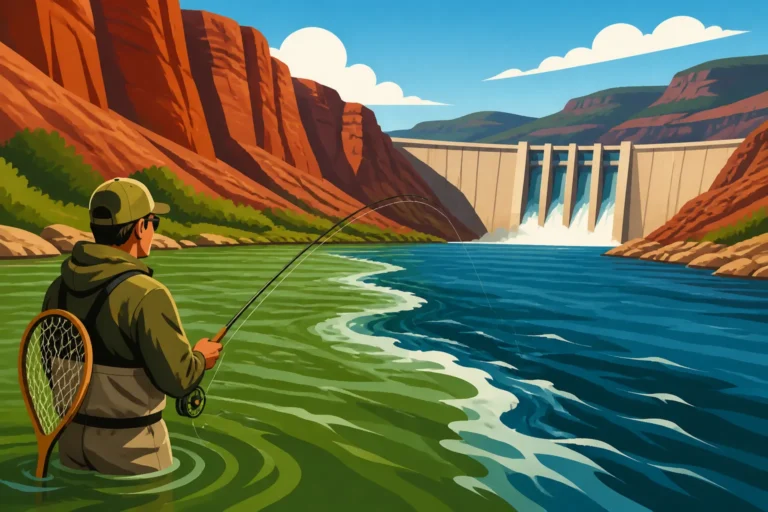
The Gray Reef section of the North Platte River, located just downstream from the Alcova Reservoir, is nothing short of legendary in the fly fishing world. It's often spoken about in hushed, reverent tones, and for good reason. This isn't just another stretch of river; it's a meticulously managed tailwater fishery that consistently produces some of the healthiest, most vibrant trout you’ll find anywhere. Many anglers struggle to find truly productive waters that aren't overcrowded or overfished, and Gray Reef stands as a shining exception, offering a consistently high-quality experience.
Tailwater Dynamics and Abundance
What makes Gray Reef so special is its nature as a tailwater fishery. When water is released from the bottom of Alcova Reservoir, it maintains a consistent cold temperature year-round, which is absolutely ideal for trout. This stable environment, combined with nutrient-rich flows, creates an incredibly fertile ecosystem. The water here is packed with aquatic insects – scuds, sowbugs, midges, and various mayflies – which serve as an endless buffet for the trout. It’s this consistent food source that allows the fish to grow big and strong, often reaching impressive sizes, sometimes pushing well over 20 inches. This abundance means that even on a slow day, your chances of hooking into a significant fish are much higher than on many other rivers. The sheer biomass of insects and the ideal water conditions make it a true "fish factory."
The "Trophy Trout" Reputation
Gray Reef isn't just known for lots of fish; it's known for big fish. Both the rainbow and brown trout that inhabit this stretch are renowned for their size and fighting spirit. It's a place where personal bests are made and where the stories you tell around the campfire feel genuinely epic. Many anglers flock here specifically with the goal of landing a trophy trout, and Gray Reef rarely disappoints. The consistent water flows and nutrient-rich environment means these fish aren't just surviving; they're thriving. It’s a testament to good fishery management and the natural bounty that Wyoming offers. However, this also means the fish can be incredibly smart and challenging, often requiring precise presentations and careful approaches, which can be both rewarding and, admittedly, a bit frustrating for those new to tailwater fishing.
Navigating the Waters of Gray Reef
Understanding the nuances of the Gray Reef is key to a successful outing. The river's character changes with the seasons, and so does the fishing. You can't just show up and expect the same results every month; it requires a bit of homework, but that's part of the fun of chasing these magnificent fish.
Seasonal Flow Changes and Their Impact
The North Platte River's flows through Gray Reef are primarily dictated by the releases from Alcova Reservoir, managed by the Bureau of Reclamation and Wyoming Game and Fish Department. These flows fluctuate throughout the year, impacting everything from water clarity to fish behavior and access points. Spring, especially during runoff, can see very high flows, which might make wading difficult or impossible and concentrate fish in slower pockets. This can be intimidating for newcomers, but experienced anglers know that high water often means big fish are on the move and less spooky.
Summer flows tend to stabilize, offering more consistent wading opportunities and excellent hatches. Fall brings cooler temperatures and often the thrilling migration of brown trout upstream, making it a prime time for streamer fishing. And even winter, with its lower, clearer flows, can offer phenomenal nymphing, though you’ll need to bundle up! Always check the current streamflows and releases before you head out. Websites like the USGS and the Wyoming Game and Fish Department provide real-time data that is invaluable for planning your trip. Understanding these flow dynamics is crucial for safe wading and for locating fish.
Key Access Points and Drifting Opportunities
The Gray Reef section stretches for about 10-15 miles below Alcova Dam, offering a mix of public and private access. While some stretches are best fished from a drift boat, there are plenty of walk-and-wade opportunities for those without a boat. Popular public access points include the Bureau of Reclamation access below the dam, Lusby, and the Bessemer Bend area. Each offers different characteristics and fishing experiences.
Drifting this section in a McKenzie-style drift boat or raft is a popular way to cover a lot of water and reach spots that are inaccessible by foot. Many local outfitters offer guided float trips that include shuttle services and expert insights. If you’re planning a DIY float, be sure to arrange your shuttle vehicle ahead of time. You’ll want to review a map of the North Platte River public access points to plan your entry and exit strategies carefully. Knowing where to put in and take out is vital for a smooth and enjoyable day on the water, and often the put-in and take-out spots are bustling, especially on weekends.
Water Temperature's Influence on Fishing
Just like flow, water temperature is a huge factor in trout activity. The cold, consistent tailwater temperatures at Gray Reef are typically excellent for trout, keeping them active even through warmer summer months, unlike some freestone rivers that can get too warm. However, even here, subtle changes matter. In early spring, slightly warmer afternoon water temperatures can trigger insect hatches and increased feeding activity. In late fall, as air temperatures drop, the relatively warmer tailwater can keep fish feeding actively when other waters are shutting down.
Trout are cold-blooded, and their metabolism is directly linked to water temperature. Understanding the optimal temperature ranges for different species and anticipating how they might respond to current conditions will give you a significant advantage. For instance, sometimes when the water is exceptionally cold, trout might become sluggish and hold in deeper, slower pools, requiring a slower, deeper nymph presentation. Conversely, when conditions are ideal, they might be more willing to chase streamers or rise to dry flies.
Essential Gear and Techniques for Gray Reef Success
Fishing Gray Reef effectively requires a specific approach, especially if you’re aiming for those larger, wily trout. While it's known as a fly fishing paradise, there are also techniques for spin fishers to find success.
Go-To Fly Patterns and Rigging
Gray Reef trout are notoriously selective, so having the right fly patterns and knowing how to rig them is paramount. Given the abundance of scuds and sowbugs, these patterns are almost always a good bet. Think about patterns like tiny green, grey, or tan scuds (size 18-22) and similar sowbug imitations. Midges are also a year-round staple, often requiring even smaller imitations (size 20-26). During specific hatches, having emerger and adult patterns for Baetis (Blue-Winged Olives), caddis, and even occasional larger stoneflies will pay off.
A common and highly effective setup for Gray Reef is a two-nymph rig under a strike indicator. Typically, you’d run a heavier lead fly, like a tungsten-bead Pheasant Tail or Hare's Ear (size 16-20), followed by a dropper fly that's often a smaller midge, scud, or sowbug imitation. Experiment with leader length and split shot to get your flies down to where the fish are feeding, which can often be just inches off the bottom in deeper runs.
Nymphing and Streamer Tactics
Nymphing is, without a doubt, the most consistently productive technique on Gray Reef. The fish spend the vast majority of their time feeding on subsurface insects, so presenting nymphs effectively is key. This often involves a dead-drift presentation, ensuring your flies are tumbling naturally with the current, free of any drag. Pay close attention to your strike indicator for even the subtlest movements, as Gray Reef trout can be incredibly gentle biters.
When the conditions are right, particularly in the fall or on overcast days, streamer fishing can be incredibly exciting and productive for larger brown trout. Stripping articulated patterns like Streamer Fishing for Wyoming Brown Trout or larger Woolly Buggers through deeper runs, along undercut banks, or near structure can provoke aggressive strikes from predatory fish. Vary your retrieve speed and depth until you find what triggers a bite. It’s a more active way to fish and can be incredibly rewarding when a big fish crushes your streamer.
Spin Fishing Considerations
While fly fishing dominates the scene, spin fishers can absolutely find success on Gray Reef. The key is to use lighter tackle and smaller presentations that mimic the natural food sources. Small spinners like Mepps or Panther Martins in sizes #0 or #1, particularly those with a brown or black blade, can be effective. Micro jigs tipped with a small piece of worm or powerbait can also tempt trout, especially if drifted naturally through seams and pools.
For spin fishing, focus on using lightweight lines (4-6 lb test) and making accurate casts to avoid spooking the fish in the clear water. Stealth and a natural presentation are just as important as they are for fly fishing. Target the same holding water that fly anglers do: seams where fast and slow water meet, current breaks behind rocks, and deeper pools. While bait fishing is permitted in certain sections of the North Platte, always check the current Wyoming Fishing Regulations Every Angler Should Know for specific restrictions on Gray Reef or any particular stretch you plan to fish.
Targeting Gray Reef's Trophy Trout
Gray Reef is synonymous with big trout, but each species has its own habits and preferences. Understanding these can help you fine-tune your approach and increase your chances of a truly memorable catch.
Rainbow Trout and Their Habits
Rainbow trout are the most prevalent species in the Gray Reef section, renowned for their vibrant colors and acrobatic fights. They are opportunistic feeders, constantly on the lookout for the next meal, whether it's a tiny midge nymph or a scud. Rainbows tend to hold in faster-moving water, like riffles and the heads of runs, where food delivery is constant. They're often found in the main current seams, just behind current breaks, or in slightly deeper sections where they can ambush passing insects.
In the spring and early summer, rainbows are particularly active, gorging themselves after the colder months. During hatches of Baetis or caddis, you might even see them rising to dry flies, offering some exhilarating topwater action. They are typically less wary than brown trout, but their sheer numbers and consistent feeding behavior make them a primary target for most anglers visiting Gray Reef. Knowing How to Read Water When Trout Fishing is especially crucial for identifying these prime rainbow holding spots.
Brown Trout Migration and Feeding
While rainbows are abundant year-round, the brown trout population often gets more attention in the fall. This is when the larger browns make their upstream migration from the deeper, slower sections of the North Platte and even Pathfinder Reservoir, heading towards spawning grounds. During this period, they become incredibly aggressive and territorial, making them prime targets for streamer fishermen. Look for them in deeper pools, along undercut banks, and near woody debris where they can ambush prey.
However, don't discount brown trout at other times of the year. They are present year-round, though often more elusive. They tend to prefer slower, deeper water with more cover compared to rainbows. They're also more carnivorous, making them susceptible to larger nymph patterns, sculpins, and crayfish imitations. Catching a large Gray Reef brown trout is often considered the pinnacle of a North Platte fishing trip.
Occasional Cutthroat Encounters
While not as common as rainbows or browns, you might occasionally encounter cutthroat trout in the Gray Reef section. These native beauties, particularly the Snake River Fine-Spotted Cutthroat, are often found as a result of stocking programs or as wanderers from upstream tributaries. They are typically eager to take a well-presented fly, and their unique markings and often brilliant colors make them a cherished catch.
If you do encounter a cutthroat, take a moment to appreciate its beauty, especially if it's a pure Yellowstone cutthroat, the state fish of Wyoming. Handle them with care, as they can be more delicate than their rainbow and brown cousins. Always practice proper Catch-and-Release Rules on Wyoming Waters to ensure these magnificent fish continue to thrive.
Planning Your Gray Reef Fishing Expedition
A successful trip to Gray Reef involves more than just knowing where to cast. Thoughtful planning, especially around guiding and logistics, can make all the difference.
Choosing a Reputable Fishing Guide
For many, especially those new to tailwater fishing or unfamiliar with the North Platte, hiring a local fishing guide is an invaluable investment. A good guide knows the river like the back of their hand, understands the current flows, knows what flies are working, and can put you on fish quickly. They also provide all the necessary gear, a drift boat, and usually a fantastic lunch.
When looking for a guide, seek out experienced outfitters in the Casper area. You can find many reputable guides through services like FishingBooker, which lists local operations with reviews and availability. Look for guides who specialize in the North Platte and have a strong reputation for teaching and helping anglers of all skill levels. A good guide not only helps you catch fish but also teaches you about the river, its ecology, and the specific techniques required. Before you commit, make sure to read Hiring a Fishing Guide in Wyoming to understand what to expect and what questions to ask.
DIY Adventures vs. Guided Experiences
The decision between a do-it-yourself trip and a guided experience often comes down to budget, experience, and personal preference. A DIY trip offers more freedom and can be incredibly rewarding, especially if you enjoy the challenge of figuring things out on your own. However, it requires significant pre-trip research, gear, and potentially shuttle logistics if you plan to float. You’ll also need to have a solid understanding of Wyoming Fishing Seasons and Water-Specific Closures to avoid any mishaps.
A guided trip removes most of the logistical headaches and dramatically increases your chances of success, particularly for a first-timer or if you're targeting trophy fish. While it’s a bigger investment, the knowledge gained and the focused fishing time can be well worth it. Many anglers do a combination: start with a guided trip to learn the ropes, then return for DIY days armed with newfound knowledge. Either way, Gray Reef offers a world-class experience. If you opt for a DIY trip, remember that the Miracle Mile Stretch of Wyoming's North Platte River is another famous section nearby that might also be worth exploring, though it presents its own unique challenges.
Local Amenities and Lodging in Casper
The nearest major town to the Gray Reef is Casper, Wyoming, which serves as an excellent basecamp for your fishing adventures. Casper offers a wide range of lodging options, from national chain hotels to charming local inns and vacation rentals. You’ll also find numerous restaurants, grocery stores, and, crucially, several well-stocked fly shops. These fly shops are indispensable resources, offering not just flies and gear, but also the most up-to-date fishing reports, local insights, and expert advice.
Plan to visit a local fly shop in Casper as soon as you arrive. They can provide real-time information on what flies are working, current river conditions, and any special regulations or access issues. It's also a great way to support the local economy that thrives around this incredible fishery. When planning your trip, consider using resources like FishingBooker to not only find guides but also get a better sense of local outfitting services and amenities that can enhance your entire experience.
Conservation and Regulations on Gray Reef
To ensure the North Platte's Gray Reef remains a world-class fishery for generations to come, strict regulations and a strong conservation ethic are in place. These rules are designed to protect the abundant trout population and maintain the river's health.
Gray Reef Specific Regulations
While the North Platte River has general fishing regulations, certain sections, including Gray Reef, often have special rules that differ from statewide limits. These can include restrictions on bait, specific length limits, or mandatory catch-and-release zones. For example, some stretches may be artificial flies or lures only, or have slot limits to protect specific size classes of fish. It's paramount that you obtain and thoroughly read the current Reading the Wyoming Fishing Regulations Booklet issued by the Wyoming Game and Fish Department before you wet a line. These regulations are updated annually, so never assume previous years' rules still apply.
Understanding these localized regulations is not just about avoiding a fine; it's about respecting the incredible resource that Gray Reef is. These rules are in place for a reason: to manage the fishery for sustainability and to ensure that anglers can continue to enjoy exceptional fishing experiences. Ignorance of the law is never an excuse, so take the time to be informed.
The Catch-and-Release Ethos
While keeping a fish for the table is part of the angling tradition, Gray Reef largely operates under a strong catch-and-release ethos, especially for its trophy-sized trout. Many anglers visit this section specifically for the challenge and thrill of catching large fish, with the understanding that these fish are then carefully released to fight another day. Even in areas where keeping fish is permitted, most experienced anglers choose to release the larger, breeding-stock fish.
If you choose to practice catch and release, do so responsibly. Minimize handling, keep the fish in the water as much as possible, use barbless hooks (or pinch down your barbs), and revive the fish thoroughly before letting it go. Proper catch-and-release techniques are vital for reducing stress and mortality, especially for larger trout.
Aquatic Invasive Species Prevention
Wyoming takes the threat of Aquatic Invasive Species (AIS) very seriously, and for good reason. Organisms like zebra mussels and quagga mussels can devastate aquatic ecosystems, ruin fisheries, and clog infrastructure. As a result, Wyoming has implemented mandatory boat inspections for all watercraft entering the state or before launching in most waters. If you are floating Gray Reef in a drift boat or raft, you will need to ensure your vessel has been inspected and is clean, drained, and dry.
Even wade fishermen have a role to play. Always clean, drain, and dry your waders, boots, and gear between fishing trips, especially if you’ve fished in different water bodies. Inspect your equipment for any plant material or mud that could harbor invasive species. This simple practice helps protect not only Gray Reef but all of Wyoming's precious waters. You can find detailed information on inspection stations and prevention protocols on the Wyoming Game and Fish Department website.
Gray Reef Fishing Season Overview
| Season | Typical Conditions & Best Practices |
|---|---|
| Spring (March – May) | Flows: Can be high, especially during runoff (late May/early June). Water Temp: Cold to cool. Fishing: Excellent nymphing, strong Baetis hatches (Blue-Winged Olives). Trout are actively feeding. Wading can be difficult due to high flows; drift boat fishing is often preferred. Focus on slow-moving eddies and seams. |
| Summer (June – August) | Flows: More stable, often moderate to high. Water Temp: Cool to mild. Fishing: Consistent nymphing. Caddis and PMD (Pale Morning Dun) hatches. Dry fly fishing can be good in evenings or during hatches. Trout spread out, but still hold in classic feeding lanes. Early mornings and late evenings can be most productive during warmer spells. |
| Fall (September – November) | Flows: Generally moderate to low and clear. Water Temp: Cooling. Fishing: Legendary for brown trout migration and aggressive streamer fishing. Excellent nymphing continues. Baetis hatches return. Often considered the peak season for trophy fish. Wading access improves with lower flows. Bundle up for colder mornings and evenings. |
| Winter (December – February) | Flows: Low and very clear. Water Temp: Cold. Fishing: Often overlooked, but can be fantastic for nymphing. Midges are the primary food source; small patterns are key. Trout will be concentrated in deeper, slower pools and runs. Requires warm clothing and patience, but can yield large, healthy fish. Look for "winter windows" on warmer, sunny days. |
Disclaimer
The information provided in this guide is for general informational purposes only and is subject to change. Fishing regulations, conditions, and access can vary greatly and are updated regularly by the Wyoming Game and Fish Department. Always consult the most current official Wyoming Fishing Regulations booklet and check local conditions before planning and embarking on any fishing trip. Safety should always be your top priority.