Do Kokanee Salmon Die After Spawning?
It's a question many Wyoming anglers ponder when they see those vibrant red fish, often battered and bruised, struggling against the current during the late summer and fall. You catch them, and they look so different from the silver beauties you hooked just weeks before. The sad truth is, for Kokanee salmon, the end of their magnificent spawning journey truly is the end of their life. It's a natural, albeit dramatic, cycle that plays out in many of our reservoirs and streams, and understanding it helps us appreciate these fish even more. This guide will walk you through the fascinating, yet ultimately terminal, lifecycle of Wyoming's Kokanee salmon.
The Lifecycle of Kokanee Salmon and Semelparity
When you're out on the water, whether it's the vast expanse of Flaming Gorge or a smaller reservoir, you might encounter Kokanee salmon at various stages of their lives. But what truly sets them apart from most other fish we target, like trout, is their unique reproductive strategy.
What is Semelparity?
Kokanee salmon, much like their anadromous sockeye relatives that migrate from the ocean, exhibit a biological phenomenon called semelparity. Now, that's a fancy scientific term, but what it essentially means is "one-time spawning." These fish have a single, monumental reproductive event in their lives, and once it's complete, their biological clock simply runs out. Think of it like a grand, final act where every ounce of energy and every resource is dedicated to ensuring the next generation. Unlike trout, which can spawn multiple times over several years, Kokanee are literally built for this one, epic journey. They pour everything into it, leaving nothing in the tank for survival afterward. It's a high-stakes, all-or-nothing approach to passing on their genes.
The Energetic Demands of Spawning
Imagine running a marathon, then building a house, and then birthing children, all without eating, and all while battling upstream currents and predators. That's a pretty good analogy for what a Kokanee salmon goes through. The energetic demands of their spawning migration are truly immense. Once they begin their journey from the deep, open waters of a reservoir into the shallower, often rocky tributaries or shorelines, they stop feeding. Their entire metabolism shifts from growth and sustenance to reproduction. They develop their vibrant, unmistakable red color, their jaws change shape, and their bodies become less streamlined as they prepare to dig redds (nests) and defend their territory.
This strenuous effort drains their fat reserves and muscle tissue. Their digestive systems begin to shut down, making it impossible for them to recover. Every bit of stored energy is diverted to developing eggs and milt (sperm) and the physical exertion of the spawning ritual itself. They might travel many miles, navigating obstacles, fighting currents, and fending off competitors. By the time they have successfully laid and fertilized their eggs, their bodies are utterly spent, leaving them too weak and depleted to survive. This is why you often see them looking so worn out after the spawn – they literally give their lives for the next generation.
The Spawning Journey in Wyoming's Waters
Wyoming's pristine waters, particularly some of our larger reservoirs, provide critical habitat for Kokanee salmon. Their annual spawning migration is a spectacle of nature, a clear sign that fall is in the air, even if it marks the end of a life cycle.
Where and When Kokanee Spawn in Wyoming
While Kokanee salmon are not native to Wyoming, they've been successfully introduced and thrive in several of our significant reservoirs. Two of the most famous spots for Kokanee in the state are Flaming Gorge Reservoir and Pathfinder Reservoir. You'll also find them in places like Boysen Reservoir. As summer wanes and water temperatures begin to drop, typically from late August through October, these fish begin their heroic migration.
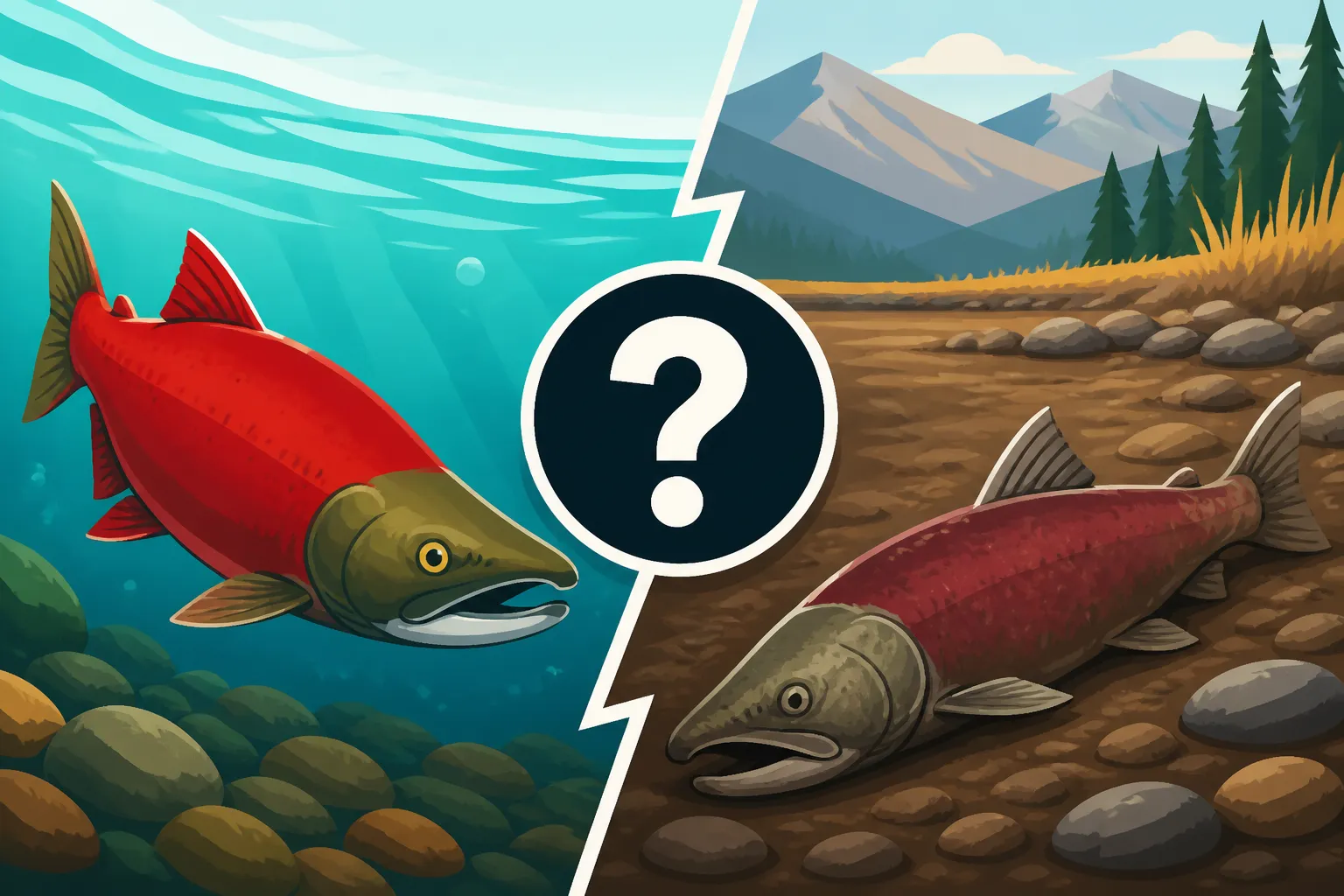
They move from the deep, cool waters of the main reservoir into shallower tributaries, or in some cases, along the shorelines where suitable gravel beds exist. For instance, at Flaming Gorge, anglers will often see them congregating in the upper reaches of various arms of the reservoir, or even making runs up the Green River or Henrys Fork. This is when their dramatic physical transformation really takes hold. Their sleek, silver bodies turn a brilliant crimson red, often with olive-green heads, and males develop a distinct humped back and a hooked jaw (kype). These striking changes are adaptations to attract mates and intimidate rivals, all part of their single-minded drive to reproduce. If you're wondering What Color Kokanee Turn When Spawning, you'll witness an amazing shift from silver to that unmistakable deep red.
Observing the Post-Spawning Decline
Once the spawning act is complete – the eggs laid and fertilized in the meticulously dug redds – the Kokanee salmon's fate is sealed. Over the next days or weeks, their bodies continue to deteriorate. You'll see fish that are ragged, with tattered fins, cloudy eyes, and often visible fungal growths on their skin. They swim erratically, often drifting listlessly, as their remaining energy reserves are completely exhausted.
This decline isn't a failure, but rather the natural culmination of their semelparous life strategy. They have fulfilled their biological purpose. Eventually, they succumb to exhaustion, predation, or the elements, and their carcasses settle back into the water or wash ashore. While it might seem a sad end, this decomposition is a vital part of the aquatic ecosystem. The decaying bodies release essential nutrients back into the water, providing food for countless invertebrates, which in turn feed the next generation of Kokanee fry once they hatch. It’s a complete cycle of life, death, and renewal.
Angling Implications and Conservation
Understanding the Kokanee salmon's unique life cycle has significant implications for anglers. It shapes when and how we fish for them, and it underscores the importance of responsible angling practices.
Fishing for Spawning Kokanee: Ethical Considerations
The question of whether to fish for actively spawning Kokanee is one that often sparks debate among anglers. On one hand, these fish are often concentrated, aggressive (defending their redds), and relatively easy to catch. The vibrant colors of the spawning males are also incredibly striking. Some anglers specifically target them during this time, either for the challenge or to harvest fish that, ultimately, will die anyway. You can find robust Kokanee in Best Reservoirs in Wyoming for Kokanee Salmon before the spawning run.
However, many anglers choose to leave spawning Kokanee undisturbed. The argument is that while the fish are destined to die, allowing them to complete their natural cycle without further stress can aid in successful reproduction. Plus, the meat quality of a post-spawn Kokanee is often significantly degraded, becoming soft and pale as all the fat stores are used up. If you do choose to harvest, it's generally recommended to do so swiftly and humanely, focusing on fish that are still relatively fresh, and always adhering to How Bag and Possession Limits Work in Wyoming. Many consider it more sporting and respectful to target Kokanee earlier in the season, when they are in their prime, actively feeding, and putting up a stronger fight.
The Role of Anglers in Kokanee Management
Anglers play a crucial role in the sustainable management of Kokanee salmon populations in Wyoming. By understanding and adhering to regulations, we help ensure healthy fisheries for years to come. The Wyoming Game and Fish Department sets specific bag and possession limits, as well as season dates, which are vital for managing how many fish are harvested, especially during the vulnerable spawning periods. Staying informed by regularly checking Wyoming Fishing Regulations Every Angler Should Know is paramount.
For example, on Flaming Gorge, understanding the seasonal movements and harvest limits is key for sustainable fishing of these introduced species. Anglers contribute by purchasing licenses, which fund conservation efforts, and by reporting any violations they witness. While Kokanee are not native to Wyoming, their presence provides fantastic angling opportunities, and careful management ensures these fisheries remain robust. If you're planning a trip, consider looking into Wyoming's Annual, Daily and Five-Day License Options to ensure you're covered.
What Happens to the Carcasses?
The death of adult Kokanee salmon after spawning isn't a waste; it's a critical ecological event. Their decaying bodies become a significant nutrient pulse for the aquatic and terrestrial ecosystems. In the streams and reservoir shorelines where they spawn, these carcasses provide a feast for scavengers. Eagles, ospreys, gulls, and various mammals like bears, coyotes, and foxes often gather to capitalize on this natural bounty.
Underwater, the decomposing salmon release essential organic matter and nutrients like nitrogen and phosphorus back into the water. This enriches the primary productivity of the system, fueling the growth of algae and aquatic insects, which in turn become food for the newly hatched Kokanee fry and other fish species. It's a fundamental link in the food web, proving that even in death, the Kokanee contribute immensely to the vitality of the ecosystem. It's a testament to the intricate balance of nature, where every part of the cycle, even the end of a life, serves a greater purpose.
Distinguishing Kokanee from Other Salmonids
For a new angler, or even a seasoned one visiting Wyoming for the first time, it can be tricky to tell some fish apart, especially when they're all from the salmon and trout family. Knowing how to correctly identify a Kokanee salmon, especially as it changes during its spawning run, is important for both ethical fishing and adhering to regulations.
Unique Characteristics of Kokanee
Before they begin their spawning journey, Kokanee salmon are typically bright silver, with a somewhat streamlined body shape and often tiny, almost invisible, spots on their backs and tails. They're often confused with Rainbow Trout at this stage. However, as they approach spawning, their transformation is truly remarkable and quite distinctive. As mentioned earlier, males develop that pronounced hump on their back and a noticeable hooked jaw or "kype," used for fighting other males and defending territory. Both sexes turn that incredible deep red, with heads that can range from olive green to almost black. Their flesh also changes from that beautiful orange-red to a pale, almost white color, reflecting the loss of fats and pigments that fueled their journey. This dramatic color shift is one of the clearest indicators you're looking at a spawning Kokanee. You can often see these changes during the fall fishing season, especially when you're targeting Kokanee Salmon at Flaming Gorge Reservoir or Kokanee Salmon in Pathfinder Reservoir.
Avoiding Misidentification
It's crucial to be able to tell Kokanee from other trout species that share the same waters and might also be spawning around the same time. While Kokanee are semelparous, most trout species (like rainbow, brown, and cutthroat trout) are iteroparous, meaning they can spawn multiple times throughout their lives. Misidentifying a fish could lead to accidental overharvest of a different species or mistakenly keeping a fish that isn't legal for harvest at that size or time.
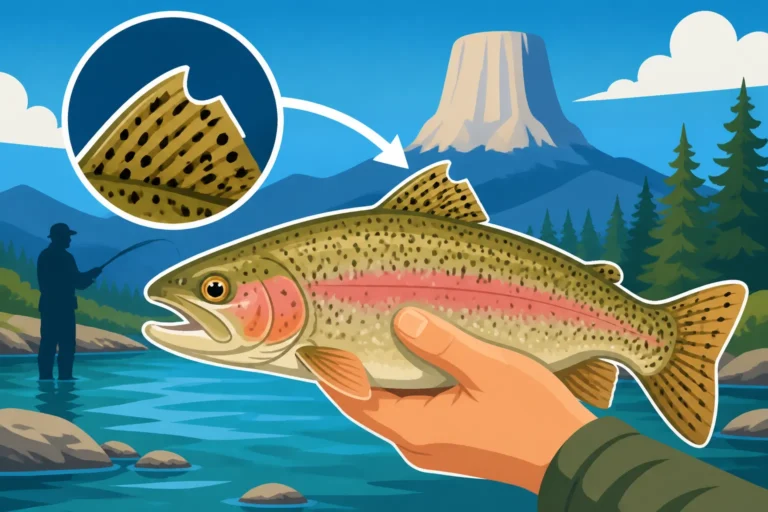
One common point of confusion is between Kokanee and Rainbow Trout, especially when they are younger and still silver. Rainbows will generally maintain their distinctive red lateral band and black spots, and their body shape doesn't undergo the same drastic humping or kype development as male Kokanee. When in doubt, a quick check of the mouth structure and spotting pattern can often clarify things. For example, knowing the difference between Cutthroat vs Rainbow Trout: Telling Them Apart can help distinguish them from Kokanee as well, as Kokanee lack the characteristic red slash under the jaw that gives cutthroats their name. Always consult the current Wyoming fishing regulations booklet, which often includes identification guides, or check resources like How to Read Wyoming's Fishing Regulations Booklet. When buying gear, even a simple scale from Amazon can help measure your catch accurately for identification purposes.
Comparing Spawning Lifecycles of Salmonids in Wyoming
To really drive home the difference, here's a quick comparison of the post-spawning fate of Kokanee salmon versus some of the common trout species you'll find in Wyoming's waters.
| Feature | Kokanee Salmon | Rainbow Trout | Brown Trout | Cutthroat Trout |
|---|---|---|---|---|
| Spawning Frequency | Semelparous (Spawns once, then dies) | Iteroparous (Can spawn multiple times) | Iteroparous (Can spawn multiple times) | Iteroparous (Can spawn multiple times) |
| Post-Spawning Fate | Dies naturally after spawning | Survives spawning, returns to feed and grow | Survives spawning, returns to feed and grow | Survives spawning, returns to feed and grow |
| Primary Spawning Color | Bright red body, olive-green head (males) | Often darker, distinct red band, spots prominent | Darker, distinct spots, less dramatic color change | Darker, characteristic red slash, spots vary |
| Jaw Development | Males develop prominent kype (hooked jaw) | Males may develop slight kype, less pronounced | Males may develop slight kype, less pronounced | Males may develop slight kype, less pronounced |
| Typical Lifespan | 3-4 years (total life) | 4-7+ years (can be longer in wild) | 5-10+ years (can be longer in wild) | 4-8+ years (can be longer in wild) |
| Eating Quality Post-Spawn | Significantly degrades, pale flesh | Generally good, but can be leaner | Generally good | Generally good |
It's clear that the Kokanee salmon's life is a singular, spectacular sprint towards reproduction, whereas other trout have the ability to recover and continue their lifecycle. This biological reality makes them truly unique among the many fantastic fish species that call Wyoming's waters home. Picking up a specialized net on Amazon for your catch can make handling easier, regardless of species. If you're looking for more general info on these fish, you can check out Kokanee Salmon Fishing in Wyoming. Knowing these differences allows us to appreciate each species for its individual characteristics and to fish more responsibly.
Disclaimer
This article is for general informational purposes only and does not constitute professional advice. Laws, prices and regulations vary by location and change over time. Consult a qualified professional for guidance on your specific situation.