Why Some Wyoming Trout Are Fin-Clipped
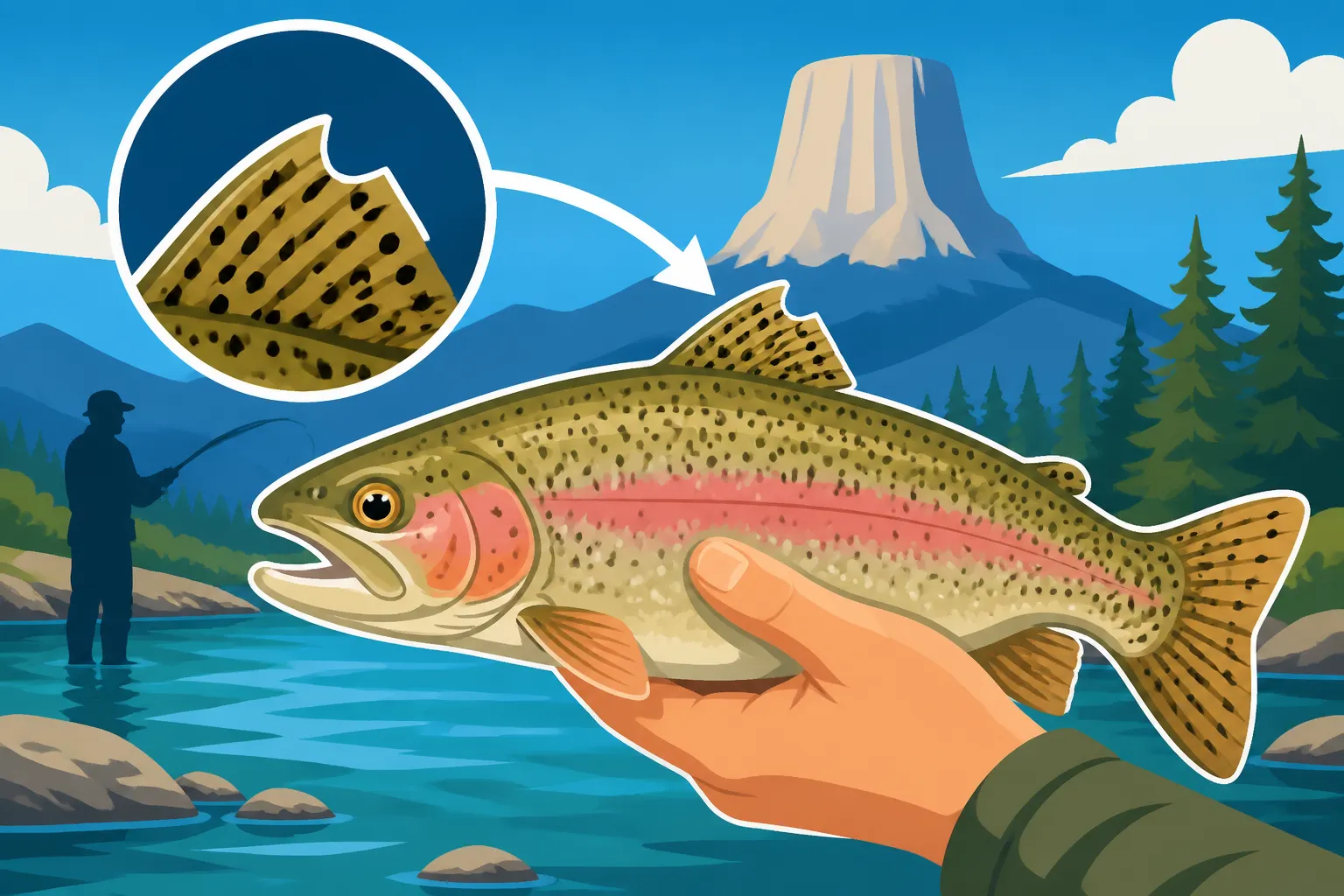
You've just reeled in a beautiful trout from a Wyoming river, maybe a stunning rainbow or a feisty cutthroat, and as you carefully cradle it, you notice something a little off – one of its fins is clearly clipped, perhaps a small chunk missing from its adipose fin. Your first thought might be, "Did another fish bite it?" or "Is this fish sick?" It's a common and totally understandable reaction. But what you've likely encountered is a fish that's part of an important fisheries management program. This guide will dive deep into why some Wyoming trout are fin-clipped, what those clips mean, and how this practice helps maintain our incredible fisheries.
The Silent Marks: What is Fin-Clipping?
Fin-clipping in fish isn't some random injury or a natural anomaly; it's a deliberate and highly scientific method used by fisheries biologists and game and fish departments, including the Wyoming Game and Fish Department (WGFD), to mark individual fish or entire groups of fish. Think of it like a subtle tag or a brand that allows experts to track fish without having to attach an external tag, which can sometimes fall off or even stress the fish.
The most common fin-clip you'll encounter is on the adipose fin. If you're not familiar, the adipose fin is that small, fleshy, rayless fin located on the back of the fish between the dorsal fin and the tail fin. It looks almost like a little bump. It has no known function, which makes it the perfect candidate for clipping because removing it doesn't harm the fish's swimming ability or overall health. Anglers often spot this missing adipose fin and wonder what's going on, and it's almost always a sign of human intervention for a good cause. Sometimes, other fins might be clipped too, like a pectoral or ventral fin, but these are less common and usually signify more specific, localized studies. If you're curious about fish anatomy or identification, there are fantastic field guides available on Amazon that can help you understand the different fins and their purposes.
The process itself is carefully managed in hatcheries before fish are stocked. Trained personnel use specialized tools to remove a small portion of the fin. While it might sound a bit drastic, fish fins, especially the adipose, heal over quickly, and the fish typically return to normal behavior almost immediately. The clipping is done when the fish are young and small, minimizing any stress and allowing them to adapt before being released into Wyoming's vast network of lakes and rivers.
Unraveling the 'Why': The Purpose Behind Wyoming's Fin Clips
The reasons behind fin-clipping are numerous and all boil down to effective fisheries management. For the WGFD, these clips are invaluable tools for understanding fish populations, evaluating stocking programs, and making informed decisions to ensure sustainable fishing for generations to come. It’s all about gathering data in a natural, unobtrusive way once the fish are in the wild.
One of the primary uses of fin-clipping in Wyoming is to distinguish between hatchery-reared (stocked) fish and wild, naturally reproduced fish. The WGFD invests significant resources into Wyoming's Stocked Rainbow Trout Program, releasing millions of fish into waters across the state each year. How do they know if those stocked fish are thriving, growing, and being caught by anglers, or if native wild populations are also successfully reproducing? A simple fin clip provides the answer. When an angler catches a fish with an adipose clip, biologists can assume it's a stocked fish. If it lacks the clip, it's likely a wild one. This information helps them evaluate the effectiveness of their stocking efforts and gauge the health of wild populations. You can dive deeper into this topic by reading How to Tell a Stocked Trout From a Wild Trout.
Another critical application is for research and population studies. Biologists might clip a certain percentage of fish from a specific cohort or a particular stocking event to track their survival rates, growth rates, and movement patterns. For instance, they might release 10,000 trout with adipose clips into a specific reservoir and then, through angler reports and subsequent sampling, determine how many of those fish survive over a year, how much they've grown, and where they've migrated. This data is vital for understanding fish biology in specific habitats and for setting future stocking levels and regulations. It helps answer questions like, Do Stocked Rainbow Trout Reproduce in the Wild?, which has implications for how and where fish are stocked.
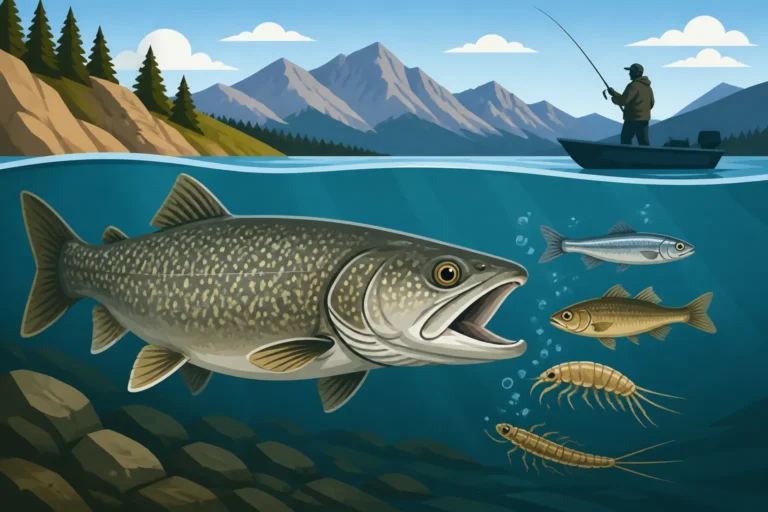
Sometimes, fin-clipping is part of a larger, more complex management strategy, such as controlling invasive or undesirable species. A prime example of this can be seen in Wyoming's Lake Trout Removal Efforts in Yellowstone Lake. Lake trout, an introduced species, prey heavily on the native Yellowstone cutthroat trout. While many lake trout are removed, some might be clipped to identify them if they are part of a specific research effort or to signal to anglers that these fish are part of a targeted removal program, often encouraging their harvest. Understanding Why Lake Trout Are Considered a Problem in Yellowstone Lake sheds more light on the importance of such efforts.
More Than Just a Mark: How Fin Clips Benefit Anglers and Fisheries
These seemingly small marks on a fish's fin have far-reaching benefits that impact both the health of Wyoming's aquatic ecosystems and the quality of your fishing experience. Knowing the distinction between wild and stocked fish, thanks to fin clips, allows the WGFD to implement highly specific and effective management strategies.
For anglers, this information can sometimes translate directly into regulations. In some waters, there might be different bag or possession limits for stocked versus wild fish. For example, in an effort to protect a fragile wild population, regulations might state that all unclipped (wild) fish must be released, while clipped (stocked) fish can be kept. This differentiation is only possible because of the fin-clipping program. It also helps manage angler expectations; if you're fishing a lake known for a high percentage of clipped fish, you know you're likely targeting hatchery fish. Having a sturdy fishing net, easily found on Amazon, can also make it easier to safely land a fish and inspect for fin clips before release.
Fin clips also provide valuable feedback on where How Wyoming Chooses Which Species to Stock Where. If stocked fish with a particular clip consistently show poor survival in one body of water but thrive in another, the WGFD can adjust its stocking plans accordingly. This ensures that the millions of fish, like the How Many Rainbow Trout Wyoming Stocks Each Year, released from hatcheries like those described in What Wyoming Hatcheries Raise Rainbow Trout, have the best chance of survival and contribute to a robust fishery. It's a continuous learning loop that fin clips are integral to.
Furthermore, these clips help monitor the interaction between Wyoming's Native Fish vs Introduced Species. By tracking the success of stocked non-native species, biologists can assess any potential impact on native populations and take action if needed. This proactive approach helps protect Wyoming's unique aquatic biodiversity. Many anglers invest in quality fishing gloves, readily available on Amazon, to protect their hands and the fish when handling a catch, especially if you're checking for fin clips.
Decoding the Clips: Specific Meanings and What to Do
While the adipose fin clip is the most universally recognized mark, occasionally you might encounter a fish with a different fin clipped, or a combination of clips. These variations are usually part of more localized or intensive studies. For instance, a small study might clip the left pectoral fin for one group of fish and the right ventral fin for another, allowing researchers to track multiple groups simultaneously. However, for the average angler in Wyoming, a missing adipose fin is the primary indicator of a stocked fish.
It's important to remember that encountering a fin-clipped fish doesn't automatically mean you can or should keep it. Always consult the most current Wyoming Fishing Regulations booklet for the specific water you are fishing. Regulations can vary widely from one stream to another, and even within different sections of the same river. Some areas might have specific rules encouraging the harvest of clipped fish, while others might mandate catch-and-release for all trout, regardless of their origin. Understanding Catch-and-Release Best Practices for Trout is always a good idea.
Here's a general guide to common fin clips and their implications in Wyoming:
| Fin Clipped | Common Purpose (Wyoming) | Angler Action/Implication |
|---|---|---|
| Adipose Fin | Most common marker for hatchery-reared (stocked) fish. | Generally indicates a stocked fish. Always check regulations for specific harvest rules; some waters encourage keeping these. |
| Pectoral Fin | Less common, usually for specific research studies or population monitoring of smaller groups. | Check regulations carefully. May be part of a study where specific reporting or release is requested. |
| Ventral Fin | Similar to pectoral clips, used for detailed research on specific cohorts. | As with pectoral clips, regulations or signage might indicate special handling or reporting. |
| Multiple Clips | Used for highly specific studies to differentiate between multiple groups or stocking events. | These are rare for casual anglers. If encountered, definitely consult regulations or WGFD for reporting protocols. |
For those wanting to dive deeper into fisheries management, a quick search on Amazon for books on aquatic biology or conservation will reveal a wealth of information. The key takeaway is that these clips are a language. They communicate vital information from the fish themselves to the biologists, and sometimes, to us as anglers. They help shape the rules that dictate What Fish Are Illegal to Keep in Wyoming in certain areas, ensuring the long-term health of our beloved fisheries. So, the next time you see a fin-clipped trout, you'll know it's not a mistake of nature, but a deliberate and beneficial mark of science, helping to keep Wyoming's fishing robust and rewarding.
Disclaimer
This article is for general informational purposes only and does not constitute professional advice. Laws, prices and regulations vary by location and change over time. Consult a qualified professional for guidance on your specific situation.