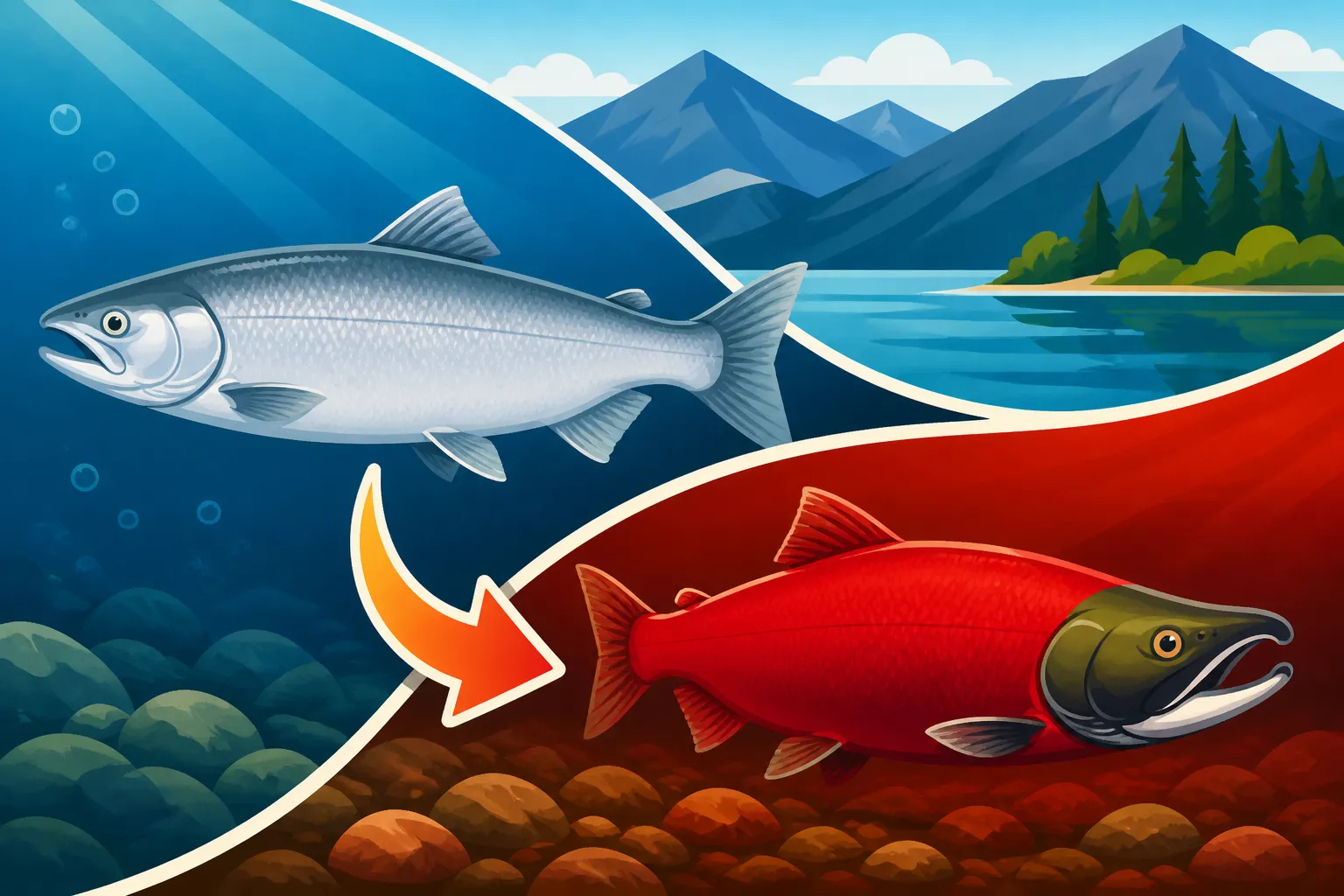
What Color Kokanee Turn When Spawning
If you've ever spent time on Wyoming's reservoirs, especially in the late summer or early fall, you might have heard whispers about the Kokanee salmon turning "red." But what exactly does that mean? It's not just a subtle hue; these fish undergo one of the most dramatic color transformations in the fish world, and it's a sight to behold (and often, a source of confusion for anglers). This guide will dive deep into the incredible shift in appearance that Kokanee salmon experience during their spawning run, helping you understand the vibrant spectrum and the fascinating biology behind it.
The Stunning Spawning Color Transformation of Kokanee Salmon
Kokanee salmon, landlocked sockeye salmon, are truly one of nature's marvels, especially when it comes to their life cycle and the vivid changes they undergo as they prepare to spawn. Unlike the silvery-blue fish you might catch during the summer months, the spawning phase transforms them into something almost unrecognizable. This dramatic shift serves a critical biological purpose, signaling readiness for reproduction and acting as a visual cue for potential mates and rivals.
From Silver to Fiery Red: The Male's Dramatic Display
The male Kokanee salmon are the true showboats of the spawning grounds. Their transformation is nothing short of spectacular, moving from their sleek, metallic silver and blue-green summer attire to an intense, fiery red. This isn't just a surface blush; their entire body, from head to tail, can take on a deep crimson or scarlet hue. It's a color so striking that even if you've seen it before, it still catches you off guard. This vibrant red is a strong indicator of their health and vigor, making them stand out to females and serving as a warning to other males in the crowded spawning beds.
Beyond the brilliant red, male Kokanee develop several other pronounced physical features during this time. One of the most noticeable is the prominent "kype" or hooked jaw that extends dramatically from their snout. This isn't for eating; in fact, spawning Kokanee largely cease feeding. Instead, the kype is a tool for battle, used in aggressive displays and territorial skirmishes with other males as they compete for prime spawning locations and access to females. Their backs also become noticeably humped, adding to their formidable appearance. Imagine seeing a school of these intensely red, hooked-jawed fish darting through the shallows – it's a primal, awe-inspiring display of nature. If you're looking to observe these fish, a good pair of polarized sunglasses, maybe from a brand like Amazon, can really help cut the glare and reveal their colors even in shallow streams.
The Female's More Subtly Vibrant Shift
While the males steal the spotlight with their intense crimson, female Kokanee salmon also undergo a significant, though often more understated, color change. Their silvery sides will transition to a more subdued, brick-red or reddish-brown color. It's less flamboyant than the males' vibrant scarlet, but equally beautiful and crucial for their reproductive role. They don't typically develop the pronounced kype, though their jaws might become slightly elongated or more angular than their summer form.
The female's role is to select a suitable nesting site, or "redd," where she will deposit her eggs. Her coloration helps her blend slightly more with the riverbed gravel and surrounding environment while still indicating her spawning readiness. You might notice her belly remains a lighter, often yellowish-white, providing a slight contrast to her reddening flanks. Observing both sexes during this period truly highlights the different evolutionary pressures and roles each plays in ensuring the next generation. Understanding this difference is key to appreciating the full spectacle of the Kokanee spawn in places like Kokanee Salmon at Flaming Gorge Reservoir or Kokanee Salmon in Pathfinder Reservoir.
Here's a quick visual comparison of the primary changes:
| Feature | Summer (Pre-Spawning) Kokanee | Spawning Male Kokanee | Spawning Female Kokanee |
|---|---|---|---|
| Body Color | Silvery, blue-green back | Fiery red, deep crimson | Brick-red, reddish-brown, often mottled |
| Belly Color | Silvery-white | Often darkens, sometimes maintains a patch | Lighter, yellowish-white |
| Jaw Structure | Normal, pointed | Pronounced kype (hooked jaw) | Slightly elongated, more angular |
| Back Shape | Sleek, streamlined | Noticeably humped | Slightly humped |
| Spots | Minimal or faint | Often less visible due to color intensity | May remain visible, or fade |
The Biological Imperative: Why Kokanee Change Color
The dramatic color change in Kokanee salmon isn't just for aesthetics; it's deeply rooted in their biology and serves several vital functions during their final life stage. This transformation is a testament to the powerful hormonal shifts that occur as they transition from feeding, growing fish to single-minded reproducers.
Hormonal Shifts and Skin Pigmentation
The primary driver behind the Kokanee's color transformation is a surge in hormones, particularly androgens, as they mature and prepare for spawning. These hormones trigger a cascade of physiological changes throughout their bodies. One key effect is the migration and concentration of pigments in their skin cells. Carotenoids, which are pigments absorbed from their diet (often small crustaceans like zooplankton that they filter feed), are largely responsible for the vibrant red and orange hues. During the spawning phase, these carotenoids, which were previously distributed throughout their flesh (giving it that distinctive orange-red color when caught for eating), are mobilized and deposited in specialized skin cells called chromatophores.
As the fish stops feeding and its digestive system begins to atrophy, its energy is redirected entirely towards reproduction. This includes not only the physical changes but also the behavioral modifications that make them aggressive and territorial. The intensity of the red can also be an honest signal of a male's fitness – a healthier fish with a richer diet during its growing phase might display a more vivid red, making it more attractive to females. This entire process is finely tuned by nature to maximize reproductive success, even though it signals the end of their lives. For more on their life cycle, you might be interested in Do Kokanee Salmon Die After Spawning?.
Attracting Mates and Deterring Rivals
Think of the Kokanee's spawning colors as nature's billboard. For the males, that brilliant red and exaggerated kype are unmistakable signals. They scream, "I am a strong, virile male, ready to spawn!" This visual display is crucial in the often-turbid or busy spawning grounds. Females are drawn to these bold, healthy-looking males, subconsciously (or consciously) selecting partners that appear to offer the best genetic material for their offspring.
But it's not just about attraction; it's also about intimidation. The humped back and hooked jaw of a male, combined with his fiery red color, make him appear larger and more formidable. This helps him defend his chosen territory on the redd against other males. These visual cues can often prevent actual physical fights, as weaker or less dominant males might back down simply by observing the superior display of a competitor. However, if two equally dominant males meet, those kypes become weapons, and brutal clashes can ensue, all in the name of ensuring their lineage. It's a tough world out there on the spawning grounds, and every evolutionary advantage counts.
When and Where to Witness the Spawning Spectacle in Wyoming
If you want to witness this incredible transformation firsthand, timing and location are everything. Kokanee salmon are an introduced species in many Wyoming waters, and their populations are managed to provide diverse fishing opportunities. Knowing their spawning patterns is not only fascinating but also crucial for ethical angling practices.
Prime Spawning Season in Wyoming
In Wyoming, Kokanee salmon typically begin their spawning migrations in late summer and early fall. The exact timing can vary slightly depending on the specific reservoir, water temperatures, and the elevation, but generally, you can expect to see these changes starting around late August, peaking through September, and continuing into early October. As the days shorten and water temperatures begin to drop, it triggers their instinct to migrate from the open waters of the reservoirs into their natal (or stocked) spawning streams or along rocky shorelines with suitable gravel beds.
This is a time when many anglers specifically target these fish, not just for their unique appearance, but because they concentrate in predictable areas. However, it's also a period when many regulations shift, and ethical considerations become paramount. You might find information about specific timings for different bodies of water by checking the Wyoming Game and Fish Department's publications or even online forums where anglers share their observations. Getting your hands on a good waterproof map, available on Amazon, can help you pinpoint potential feeder streams.
Key Wyoming Reservoirs and Spawning Runs
Wyoming boasts several excellent Kokanee salmon fisheries where you can observe this phenomenon. Two of the most prominent are:
- Flaming Gorge Reservoir: Straddling the Wyoming-Utah border, Flaming Gorge is renowned for its Kokanee population. In the fall, Kokanee will move into the tributaries like the Green River above the reservoir, or along certain rocky shorelines within the reservoir itself, especially in the upper reaches. Anglers often look for them concentrating near the mouths of these inflowing streams. This is truly one of the best spots to observe the Best Month for Kokanee Salmon at Flaming Gorge.
- Pathfinder Reservoir: Located near Casper, Pathfinder also supports a significant Kokanee fishery. While perhaps less famous than Flaming Gorge for its Kokanee, Pathfinder offers excellent opportunities, with fish moving into feeder streams around the reservoir.
- Boysen Reservoir: While Boysen is more famous for its Walleye, it also holds a decent population of Kokanee. Observing their spawning run here can be a bit more challenging than in the other two, but they will still exhibit the same stunning color changes as they head for their chosen spawning grounds.
Other smaller reservoirs or specific river stretches might also host Kokanee runs. For example, some fish might appear in portions of the When Kokanee Show Up in the North Platte River. It's always a good idea to consult the most recent Wyoming fishing regulations booklet for water-specific rules and closures that might be in effect during spawning season. These regulations are designed to protect the spawning fish and ensure sustainable populations. Looking up Where to Find Current Wyoming Fishing Regulations is always your best bet before heading out.
Ethical Considerations and Fishing During the Spawn
Witnessing the Kokanee salmon spawn is an unforgettable experience, but it also brings with it important responsibilities for anglers and observers alike. These fish are at the most vulnerable stage of their lives, focused entirely on reproduction, and their survival impacts future generations.
Respecting the Spawning Fish and Their Environment
As Kokanee salmon enter their spawning phase, they cease feeding and begin to die shortly after their eggs and milt are released. This makes them highly susceptible to snagging or accidental hooking, as they're not actively biting bait or lures in the traditional sense. Many anglers, unfortunately, still target these fish due to their large concentrations, sometimes resulting in unethical practices. The bright red males and more subdued females are easily spotted in clear, shallow waters.
It's paramount to respect these fish during this critical time. If you choose to fish areas where Kokanee are spawning, consider targeting other species or adopting specific catch-and-release practices. Many anglers opt for barbless hooks, found in great selection on Amazon, to minimize harm if a spawning fish is accidentally hooked. Always handle fish gently, keep them in the water as much as possible, and release them quickly if you're not planning to keep them within legal limits. Even if a fish is legally harvestable, consider if keeping a spawning fish truly aligns with your personal conservation ethics. The well-being of the fish and the health of the fishery should always come first. Remember, once they start changing color, their flesh also deteriorates significantly, making them less desirable for eating.
Navigating Regulations and Seasons
Wyoming Game and Fish Department often implements specific regulations to manage fish populations during spawning periods. These can include reduced bag limits, size restrictions, or even temporary closures on certain streams or sections of rivers that are critical spawning habitat. These rules are put in place to protect the vulnerable fish and ensure successful reproduction. It's not uncommon for limits to differ, as highlighted in Understanding Wyoming's Daily Bag Limits by Species, so never assume.
Before you plan a trip to observe or fish during the Kokanee spawn, always, always check the latest regulations. This information is readily available on the Wyoming Game and Fish website and in their annual fishing regulations booklet. Misunderstanding or ignoring these rules can lead to fines and penalties, as detailed in Fines and Penalties for Common Fishing Violations. Beyond legal requirements, taking the time to learn about Catch-and-Release Rules on Wyoming Waters can help you be a more responsible angler. The goal is to enjoy the natural wonder of the Kokanee spawn while doing everything possible to ensure these incredible fish continue to thrive in Wyoming's beautiful waters for years to come.
Disclaimer
This article is for general informational purposes only and does not constitute professional advice. Laws, prices and regulations vary by location and change over time. Consult a qualified professional for guidance on your specific situation.