Are Golden Trout Native to Wyoming?
Many anglers dream of catching the elusive Golden Trout in Wyoming's high country, conjuring images of shimmering gold fish in pristine alpine lakes. But a common question that pops up in conversations around campfires and fly shops alike is whether these beautiful fish are actually native to the Cowboy State. The short answer, and one that often surprises folks, is no. While Wyoming boasts incredible native trout populations, the magnificent golden trout are a fascinating success story of careful introduction, not indigenous residents.
The Golden Trout's True Origins: Not Wyoming
It's easy to assume that such a spectacular fish, perfectly adapted to the harsh beauty of high-altitude environments, must have always been here. But the truth is, the Golden Trout has a much more specific, and somewhat dramatic, origin story that doesn't begin in Wyoming's mountains at all. Understanding where they truly came from helps appreciate the journey they've made to become a prized species in our state.
Where Golden Trout Truly Call Home (California)
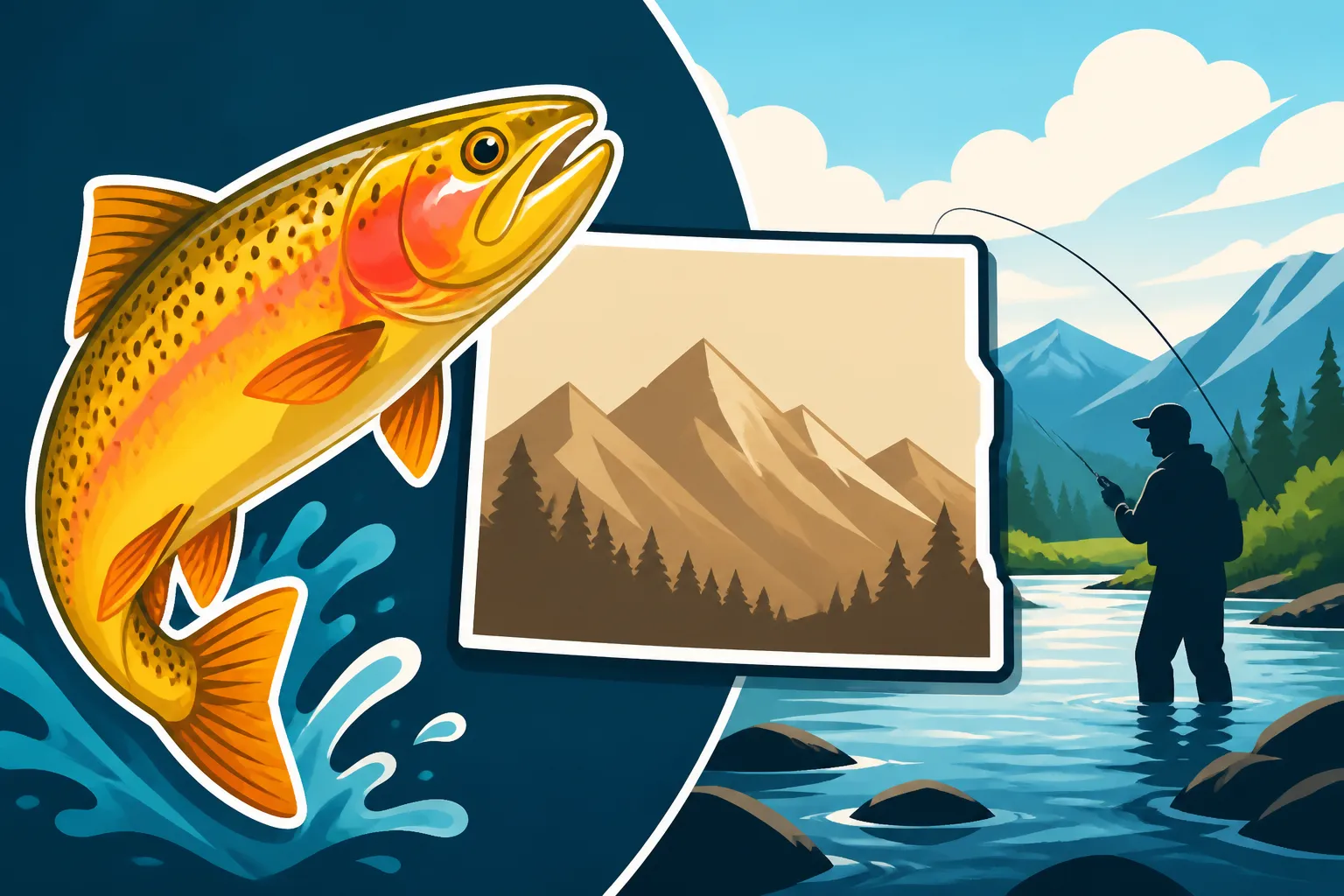
The genuine native range of the Golden Trout, Oncorhynchus mykiss aguabonita, is incredibly specific. These aren't just any rainbow trout variant; they are a distinct subspecies originating from a very particular part of California: the high-elevation streams and lakes of the southern Sierra Nevada Mountains. Specifically, their ancestral home includes tributaries of the Kern River, like Golden Trout Creek and the South Fork of the Kern River itself. Imagine remote, snow-fed trickles winding through towering granite peaks – that's their ancient kingdom. This limited native range made them exceptionally vulnerable but also incredibly unique. What Is a Golden Trout? delves more into their specific characteristics.
The conditions in these Californian mountains shaped them over millennia. They evolved their striking golden hue as a form of camouflage against the sun-drenched granite and sandy bottoms of their shallow, clear waters. Their smaller size, often a characteristic of high-alpine fish, is also a reflection of the less abundant food sources in their native habitat. When you find these fish in Wyoming, you're looking at a living testament to human intervention and a true testament to the adaptability of nature.
A Brief History of Golden Trout Introductions
The story of how these Californian gems made it to the remote corners of Wyoming is a testament to early conservation and angling enthusiasts. Starting in the late 19th and early 20th centuries, there was a widespread interest in transplanting desirable fish species to new waters, often to create recreational fisheries where none existed or where native species were struggling. The Golden Trout, with its stunning appearance and reputation for thriving in cold, clear mountain waters, was a prime candidate.
The first significant efforts to move Golden Trout out of their native California began over a century ago. This wasn't a casual endeavor; it often involved arduous journeys, transporting small numbers of fish or fertilized eggs via horseback, wagon, and even by hand, sometimes over incredibly challenging terrain. It was a pioneering era for fisheries management, driven by a vision to share the beauty and challenge of catching these unique fish. These initial introductions paved the way for more widespread stocking efforts, including those that eventually brought them to the Wyoming high country.
How Golden Trout Arrived in Wyoming
So, if they're not native, how did these golden beauties end up gracing the waters of our state's most remote lakes? The answer lies in a fascinating blend of dedicated stocking programs and the unique challenges of high-altitude fisheries management. It wasn't an overnight process, but a concerted effort that spanned decades, turning many of Wyoming's barren, high-elevation lakes into angling paradises.
Early Stocking Efforts and Their Success
The journey of Golden Trout to Wyoming began with deliberate stocking. The Wyoming Game and Fish Department, along with private entities and dedicated individuals, recognized the potential for these fish to thrive in Wyoming's numerous high-alpine lakes. Many of these lakes, while stunningly beautiful, were naturally fishless due to barriers like waterfalls preventing fish from migrating upstream. They were essentially blank canvases, perfect for introducing a species that could survive and even flourish in such an environment.
Initial stocking efforts involved transporting small fingerlings or even fertilized eggs (known as "eyed eggs") to these remote locations. Imagine the sheer effort required: packing these delicate cargo on horseback, often hiking for miles into the wilderness, and carefully releasing them into icy mountain waters. It was a labor of love and a true test of dedication. The success of these early efforts proved that Golden Trout could adapt to Wyoming's cold, nutrient-sparse high-country lakes, establishing self-sustaining populations in many areas. This success quickly fueled further initiatives to spread them to more of Wyoming's suitable waters. If you're looking to understand the different trout species, How to Identify a Golden Trout offers great tips.
The Role of Aerial Stocking in Remote Lakes
As technology advanced, so did the methods for stocking. One of the most impactful innovations for spreading Golden Trout (and other high-alpine species like Brook Trout Fishing in Wyoming) was aerial stocking. This revolutionary technique involves flying small aircraft, typically Super Cubs or helicopters, loaded with thousands of fingerling trout, to remote, often nameless, high-elevation lakes. Once over the target lake, a chute is opened, and the tiny fish are released to free-fall into the water.
While it might sound dramatic, these small fish, being mostly water and extremely flexible, can surprisingly survive the fall from hundreds of feet, especially into calm, deep water. This method allowed for the efficient stocking of hundreds of lakes that would have been virtually impossible to reach by traditional ground methods. It dramatically expanded the range of Golden Trout in Wyoming, turning isolated basins into thriving fisheries. Many of the high-lakes you'll trek to today were stocked using this very method, often decades ago, and now hold healthy, reproducing populations. You can find more details about these efforts in Where Golden Trout Are Stocked in Wyoming.
Finding Golden Trout in Wyoming Today
Now that we know they're here by design, the real adventure begins: finding them! Catching a Golden Trout in Wyoming is often considered a bucket-list achievement for many anglers, not just for the fish's beauty, but for the experience of reaching their remote habitats. This isn't your average roadside fishing trip; it's an immersive journey into the heart of the wilderness.
Key Mountain Ranges and High-Altitude Habitats
Golden Trout, by their very nature, are creatures of the high country. You won't find them in the sprawling reservoirs or the major rivers like the North Platte. Instead, you'll need to set your sights on Wyoming's most rugged and highest mountain ranges. The Wind River Range is perhaps the most famous stronghold for Golden Trout, with its countless cirque lakes nestled above treeline. The Absaroka Range and parts of the Bighorn Mountains also hold populations, though often more scattered.
These habitats are characterized by:
- Extreme Elevation: Typically above 9,000 feet, often pushing 10,000 to 11,000 feet.
- Cold, Clear Water: Fed by snowmelt, these lakes are pristine and icy, maintaining the cool temperatures Golden Trout require.
- Barren Surroundings: Often above the timberline, surrounded by granite, tundra, and sparse vegetation.
- Remote Access: Reaching these lakes almost always requires significant hiking, often multi-day backpacking trips.
Planning a trip to these areas requires specific gear and preparation, which you can research on sites like Amazon for lightweight backpacking tents, water filters, and durable hiking boots. Remember, these are true wilderness experiences, so proper planning is paramount. For general guidance on these remote fisheries, check out Fishing Wyoming's Wilderness and Backcountry Lakes.
The Thrill of the High-Lakes Quest
The pursuit of Golden Trout isn't just about catching a fish; it's about the entire experience. It's the challenge of the hike, the breathtaking scenery, the solitude, and the immense satisfaction of earning your catch. Picture this: you've hiked for hours, perhaps even days, scrambling over passes and navigating rocky trails. You finally crest a rise, and there it is – a sapphire-blue lake nestled in a glacial cirque, framed by jagged peaks. The air is thin, the silence is profound, and the only sounds are the wind and the occasional marmot's whistle.
When you finally cast your line into these waters, there's an almost reverent quality to the act. The fish themselves, when hooked, put up a spirited fight, often jumping clear of the water, a flash of pure gold against the alpine backdrop. They are typically smaller than their river-dwelling cousins, but their vibrant colors and the effort expended to reach them make every Golden Trout a trophy. It's an experience that connects you deeply with Wyoming's wild heart. For tips on how to fish these unique environments, How to Fish Wyoming's High-Alpine Lakes is an invaluable resource.
Here's a quick comparison of the effort versus reward:
| Aspect | Typical River Fishing (e.g., North Platte) | Golden Trout High-Lakes Fishing |
|---|---|---|
| Access | Often roadside, short walks, drift boat access | Multi-mile, strenuous hikes, often off-trail |
| Fish Size | Can be very large (trophy Browns, Rainbows) | Generally smaller (8-14 inches common) |
| Fish Appearance | Varied, but Golden Trout are uniquely vibrant | Striking, brilliant golden hue, distinct spots |
| Crowd Level | Can be popular, especially prime spots | Very low, often complete solitude |
| Required Gear | Standard fishing gear, waders | Lightweight backpacking gear, survival essentials, specialized fishing gear |
| Catch Frequency | Can be high if conditions are right | Often lower, but highly rewarding |
| Overall Experience | Relaxing, focused on fishing skill | Adventurous, physically demanding, wilderness immersion |
Conserving Wyoming's Golden Trout Populations
Because Golden Trout are not native to Wyoming and inhabit fragile high-alpine ecosystems, their management and conservation are critical. The Wyoming Game and Fish Department (WGFD) works diligently to ensure these populations remain healthy and sustainable, often relying on specific regulations tailored to these unique fisheries.
Balancing Angler Desire with Ecological Integrity
The WGFD faces a delicate balance: providing incredible angling opportunities for a highly sought-after species, while also protecting the pristine, often fragile, ecosystems where they live. Introducing any species to a new environment carries ecological risks, even when it's done for recreational purposes. For Golden Trout, the primary concern is managing their numbers to prevent overpopulation, which can lead to stunted growth and reduced health due to limited food resources in these high-altitude lakes.
Furthermore, interactions with native species, even if rare in these isolated, previously fishless lakes, are always a consideration. The goal is to maintain the health of the Golden Trout populations without negatively impacting other components of the high-country ecosystem. This often means carefully planned stocking cycles and monitoring to ensure the fish are thriving but not overwhelming their environment. Understanding the broader context of Wyoming's Native Fish vs Introduced Species helps appreciate this balance.
Specific Regulations for Golden Trout Waters
Anglers pursuing Golden Trout will often find that the regulations in these specific high-alpine waters can be different from those in lower-elevation rivers and lakes. These regulations are designed to protect the populations, often allowing for catch-and-release, or very conservative harvest limits.
For example, many Golden Trout lakes might have:
- Reduced Bag and Possession Limits: You might find a limit of one or two fish, or even strict catch-and-release rules. This is to ensure enough fish remain to spawn and maintain the population.
- Special Size Restrictions: Sometimes there are length limits to protect larger, spawning-capable fish.
- Artificial Lures and Flies Only: To minimize impact and ensure high survival rates for released fish. Live bait can be harmful to fish if swallowed and can introduce invasive species.
- Barbless Hook Requirements: To make catch-and-release easier and less damaging to the fish.
It's absolutely crucial to consult the current Wyoming Fishing Regulations Booklet before heading out on a Golden Trout quest. The regulations can change, and being informed is your responsibility as an ethical angler. You can often find the latest regulations on the WGFD website or in a printed booklet, often available at sporting goods stores or through a quick search on Amazon for fishing regulation guides. Always confirm the specific rules for the lake you plan to visit, as they are often listed under water-specific regulations. These efforts ensure that future generations can also experience the thrill of Golden Trout Fishing in Wyoming.
Disclaimer
This article is for general informational purposes only and does not constitute professional advice. Laws, prices and regulations vary by location and change over time. Consult a qualified professional for guidance on your specific situation.