Brown Trout in Wyoming’s Tailwaters
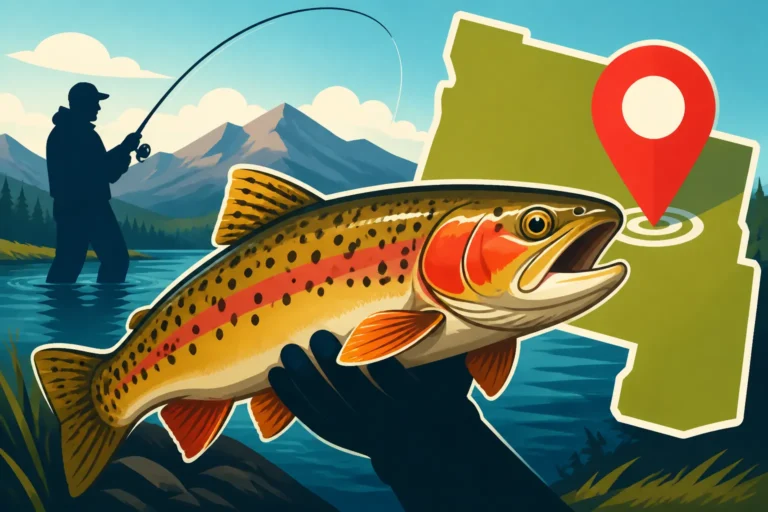
You've heard the whispers, seen the photos – massive, predatory brown trout lurking in the cold, clear waters of Wyoming's famous rivers. But what's the secret? Often, it's the tailwaters. These unique river sections, flowing out from under major dams, create a consistent, nutrient-rich environment that allows brown trout to thrive, growing to impressive sizes. If you've ever felt intimidated by the sheer abundance of advice out there or wondered why certain spots are so legendary, this guide is for you. We're going to dive deep into why brown trout flourish in these special places and how you can approach them effectively, whether you're a seasoned angler or just getting started.
Understanding Wyoming's Tailwater Fisheries
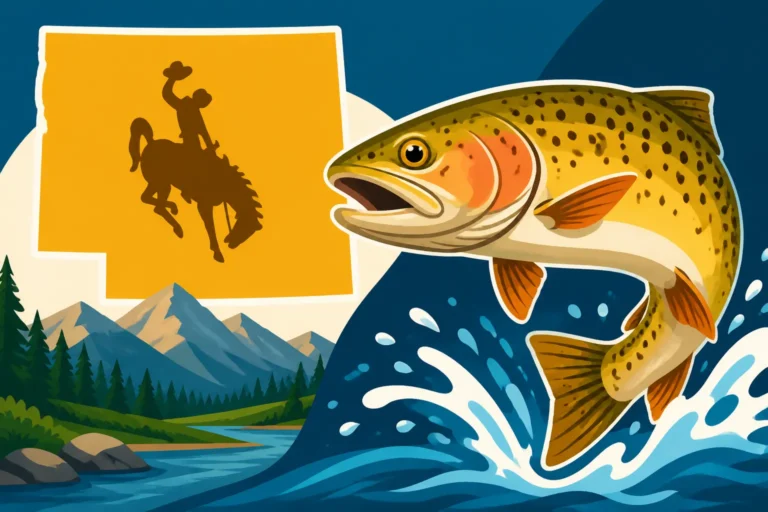
Wyoming is blessed with incredible natural beauty, and that includes some of the finest fishing waters in the country. Among these, the tailwater fisheries stand out as true gems, particularly for brown trout. These aren't just any river sections; they're unique ecosystems born from the construction of large dams, and they offer a fishing experience unlike any other.
What Makes a Tailwater Different?
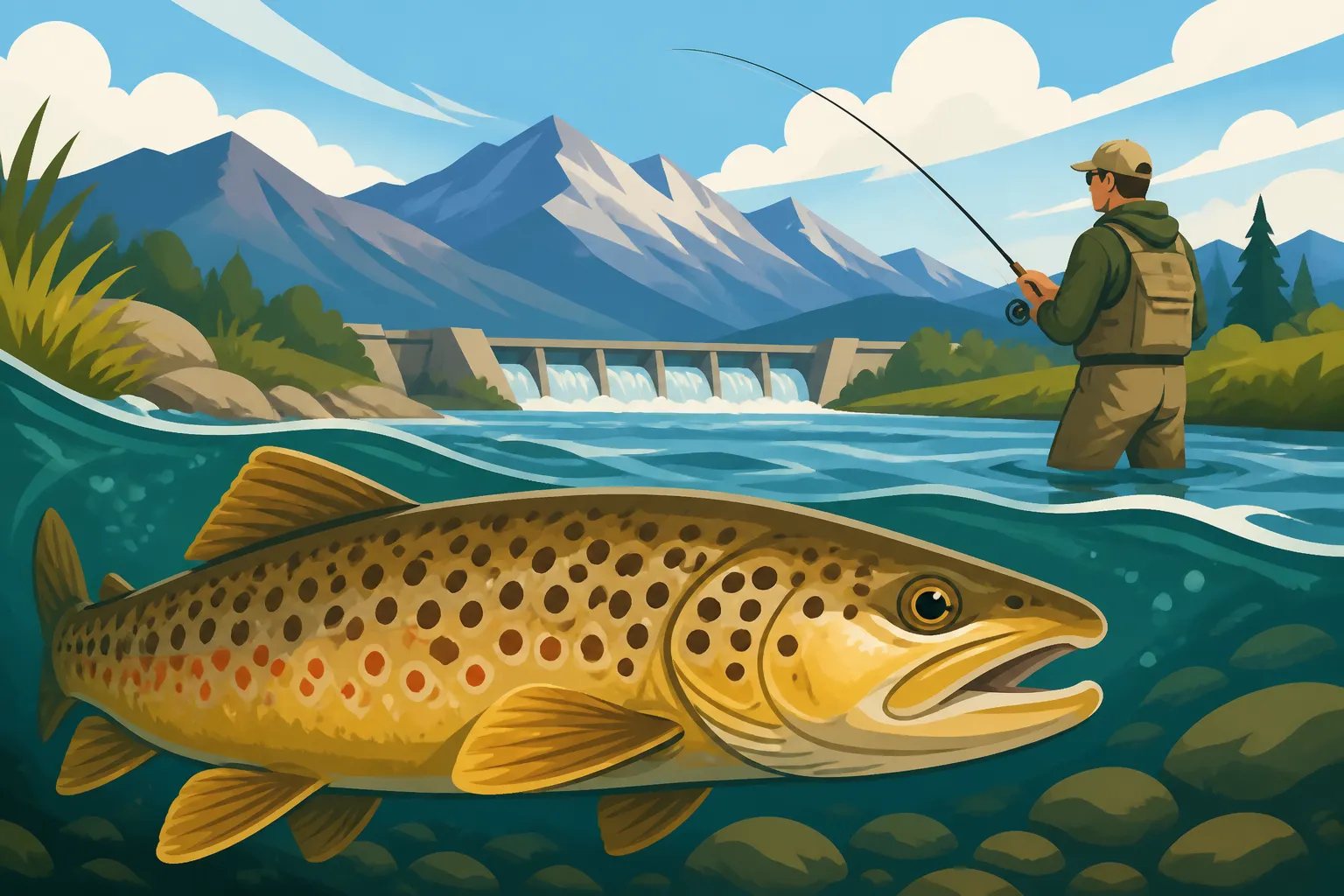
Imagine a vast reservoir, holding back a massive volume of water. When that water is released from the bottom of the dam, it creates what we call a tailwater. The key here is "from the bottom." This means the water released is consistently cold, even during the hottest summer months. It also tends to be incredibly clear, as the reservoir acts like a giant settling pond, removing much of the sediment. This consistent cold temperature and clarity are game-changers for trout, especially brown trout. The flow is often more regulated too, meaning fewer dramatic fluctuations from natural floods, creating a stable environment for aquatic insects to flourish. Think of it as a natural incubator for trout food.
Unlike freestone rivers that are subject to wild swings in temperature and clarity from rainfall and snowmelt, tailwaters offer a much more predictable and stable habitat. This stability leads to an explosion of aquatic life – mayflies, caddisflies, midges, scuds – which in turn provides a year-round buffet for hungry brown trout. It’s this consistent food source and stable environment that allows trout to expend less energy searching for food and more energy growing big and strong.
Why Brown Trout Love Tailwaters
Brown trout, often considered the apex predators of many trout streams, absolutely thrive in these tailwater conditions. Their inherent hardiness and predatory nature make them perfectly suited for these rich, consistent environments. The cold, oxygen-rich water suits them perfectly, but it's the abundant and predictable food supply that really allows them to reach trophy sizes. These rivers often harbor dense populations of scuds, sowbugs, and various aquatic insect larvae, which are a staple for browns. Beyond insects, many Wyoming tailwaters also have healthy populations of smaller baitfish like sculpins or even juvenile trout that browns will readily target, helping them pack on serious weight.
Another factor is the structure. Tailwaters often feature deep pools, slow runs, and complex current seams created by the controlled flows. These provide ideal ambush points and protective cover for browns, allowing them to conserve energy and wait for prey to drift by. You'll often find them tucked into an undercut bank, behind a large boulder, or at the tail end of a deep pool, just waiting for the next meal. This combination of consistent cold water, abundant food, and prime habitat is the recipe for phenomenal brown trout fishing. If you're chasing that elusive, oversized brown, a Wyoming tailwater is likely where you'll find it.
Key Tailwaters for Brown Trout in Wyoming
Wyoming boasts several world-class tailwater fisheries that are renowned for their brown trout. These rivers offer diverse experiences but share the common thread of exceptional brown trout populations.
One of the most famous is the North Platte River, particularly the sections known as the Miracle Mile and Gray Reef. The water released from Seminoe and Alcova dams into these stretches creates ideal conditions, with a rich bug life and a reputation for producing truly massive browns. This river system draws anglers from all over for good reason. Wyoming's North Platte River Fishing Guide can give you a deeper dive into this incredible fishery.
Further south, the Green River below Flaming Gorge Dam is another phenomenal tailwater. While often celebrated for its rainbow and cutthroat populations, the brown trout here are equally impressive, growing large on a diet of scuds and other invertebrates in the cold, clear flows. It offers a different landscape than the Platte, with towering red rock canyons in places, making for a scenic as well as productive trip. Find more details in Wyoming's Green River Below Flaming Gorge Dam.
Other tailwaters, though perhaps less famous, still offer excellent brown trout opportunities, such as sections of the Bighorn River where it flows out of the mountains, or even smaller, localized tailwater sections below irrigation dams. Each of these rivers has its own unique character and challenges, but all offer the potential for an unforgettable encounter with a Wyoming brown trout.
Brown Trout Behavior in Tailwater Environments
Understanding how brown trout behave in tailwaters is crucial for successful angling. They're not always easy to fool, and their survival instincts are honed by the consistent, often high-pressure, environment of these productive rivers. Knowing their feeding habits, spawning movements, and preferred holding lies will significantly increase your chances of connecting with one of these magnificent fish.
Feeding Habits and Prey in Tailwaters
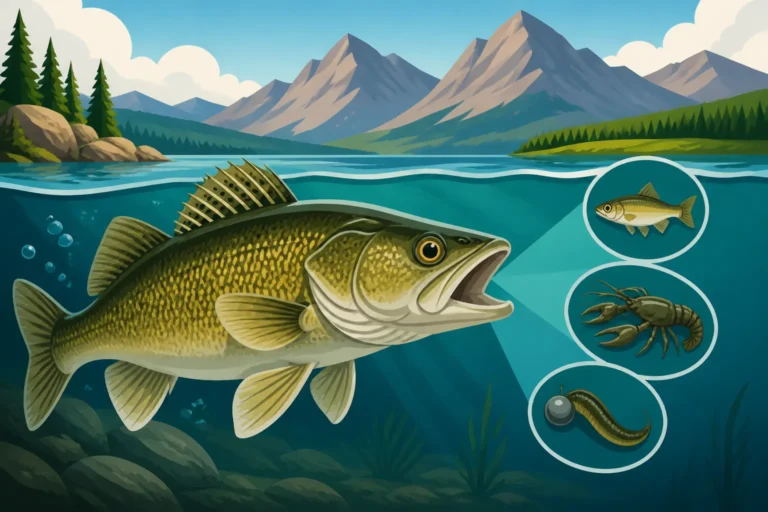
Tailwater brown trout are opportunistic predators, and their diet reflects the bounty of their environment. Unlike some freestone rivers where food might be scarcer, tailwaters often teem with aquatic invertebrates year-round. Midges and scuds are often present in incredibly high densities, forming the base of the food chain. You'll also find various species of mayflies (like Baetis and Tricos), caddisflies, and stoneflies hatching seasonally. Larger browns, however, are often looking for a more substantial meal. This is where their predatory instincts really shine. They'll actively hunt smaller fish like sculpins, dace, and even juvenile trout (including smaller rainbows or cutthroats). In some tailwaters, crayfish are also a significant food source.
The consistent water temperature means that insect hatches can occur at different times than on freestone rivers, sometimes extending into cooler months or even having multiple generations throughout the year. Brown trout will often key in on these hatches, rising to dry flies during a prolific midge or Baetis emergence. However, much of their feeding is done sub-surface, rooting out scuds and nymphs from the riverbed or ambushing baitfish. Understanding what's available and when is key. A good habit is to check water conditions and recent reports, or even do a quick "kick sample" if you're able, to see what invertebrates are active.
Spawning Patterns and Locations
Brown trout are fall spawners, and this biological imperative drives significant movements and behavioral changes in tailwater environments. As water temperatures begin to drop in late summer and early fall, usually from September through November, larger brown trout will start to migrate upstream from deeper pools or reservoir sections into shallower, gravel-bottomed areas to create redds (spawning nests). These spawning migrations can be incredibly exciting for anglers, as large fish become more concentrated and often more aggressive. Fall Fishing for Browns on the Miracle Mile highlights some of this autumn excitement.
On tailwaters, prime spawning habitat often consists of shallower, well-oxygenated riffles and glides with a good mix of gravel and small rocks. These areas can be found throughout the river, but certain stretches become focal points. During this time, it's particularly important to practice ethical angling. Many anglers choose to avoid actively fishing for spawning browns on redds, as disturbing them can impact reproductive success. If you do encounter actively spawning fish, it's best to move on and target other areas of the river. Remember to handle any fish you do catch with extreme care, especially during this vulnerable period. Catch-and-Release Rules on Wyoming Waters offers valuable guidance on this.
Seasonal Movements and Holding Lies
Brown trout in tailwaters, like all fish, are influenced by seasonal changes, but the stable nature of these rivers means their movements are often less drastic than in freestone streams.
- Spring: As runoff subsides and flows stabilize, browns become very active, feeding heavily on emerging insects and recovering from winter. They'll often be found in the slower seams adjacent to faster currents, or in the heads of pools where food is funneled to them.
- Summer: The consistent cold water of tailwaters means brown trout remain active even during the warmest months when other rivers might be too warm. They'll seek out cooler, deeper water during midday, often tucked into undercut banks or beneath heavy cover. Early mornings and late evenings can provide excellent topwater action.
- Fall: This is prime time for big browns! As mentioned, the spawning urge kicks in, leading to migrations and increased aggression. Look for them moving into shallower, gravelly areas to spawn, and in deeper pools adjacent to these areas. This is when Streamer Fishing for Wyoming Brown Trout can be particularly effective.
- Winter: Even in winter, tailwaters remain fishable thanks to their consistent temperatures. Brown trout will often hold in the deepest, slowest pools, conserving energy. They'll feed opportunistically on midges and scuds, and sometimes even a well-presented streamer can entice a strike. Wyoming Fishing Seasons Month by Month provides a broader view of seasonal opportunities.
Knowing these patterns helps you predict where fish will be and what they'll be feeding on throughout the year.
Essential Techniques for Tailwater Brown Trout
Tackling tailwater brown trout requires a nuanced approach. These fish are often keenly aware of their surroundings and can be surprisingly selective, despite their aggressive reputation. Having the right techniques, gear, and an understanding of how to "read" the water will make all the difference.
Fly Fishing Strategies for Tailwaters
Fly fishing is arguably the most popular and effective way to target brown trout in Wyoming's tailwaters. The sheer abundance of aquatic insects makes fly patterns a natural choice.
- Nymphing: This is often the most productive method, especially when fish aren't actively rising. Techniques like a two-nymph rig under an indicator (often called a "strike indicator") or tight-line nymphing (also known as Euro nymphing) allow you to present imitations of scuds, midges, and various mayfly and caddisfly nymphs at the fish's feeding depth. You'll want a variety of sizes and weights to match the conditions. Consider patterns like a Zebra Midge, an abundance of tungsten-beaded pheasant tails, or various scud patterns. Nymphing Techniques for Wyoming Tailwaters can guide you further.
- Streamer Fishing: For larger, more aggressive brown trout, nothing beats a streamer. These patterns imitate baitfish and crayfish, triggering a predatory response. Casting streamers across or upstream and stripping them back with an erratic motion can provoke vicious strikes. Focus on fishing structure: undercut banks, deep pools, and current seams. Colors like olive, black, brown, and white are classics. Make sure you have a good selection, perhaps carrying a small waterproof box easily purchased on Amazon, filled with various sizes.
- Dry Fly Fishing: While nymphing and streamers often dominate, don't overlook dry flies. During prolific hatches of midges, Baetis, or Tricos, brown trout will rise readily. Stealth and precise casts are key here, as tailwater fish can be very spooky on the surface. Having a good leader and tippet selection, again readily available through a quick search on Amazon, is critical for delicate presentations.
Spin Fishing Tactics and Lure Choices
Don't have a fly rod? No problem! Spin fishing can be incredibly effective for brown trout in tailwaters, especially for those looking for a different approach or just getting started. The key is to select lures that mimic the brown trout's natural prey and to present them subtly.
- Spinners and Spoons: Classic inline spinners like Mepps or Panther Martins, and small spoons like Kastmasters or Daredevils, are excellent choices. Opt for natural colors or those with a flash that imitates a fleeing baitfish. Cast upstream or across current and retrieve just fast enough to get the blade spinning or the spoon wobbling, allowing the current to do some of the work. Work these lures through pools, runs, and along current seams.
- Jigs and Soft Plastics: Small jigs (1/16 to 1/8 oz) tipped with soft plastics that imitate sculpins, leeches, or worms can be deadly. Fish them slowly along the bottom, using a jigging motion to mimic injured prey. The clear water of tailwaters often means brown trout are less forgiving of unnatural presentations, so experiment with different retrieves and weights to find what works. You can find a huge variety of these small jigs and plastics on platforms like Amazon.
- Small Crankbaits and Jerkbaits: For aggressive browns, especially in deeper, slower pools, small crankbaits or jerkbaits that dive to different depths can be very productive. Look for patterns that mimic local baitfish. A stop-and-go retrieve, mimicking a struggling fish, is often irresistible. Ensure your retrieve speed matches the water temperature, as How Water Temperature Changes Wyoming Trout Behavior plays a big role in a fish's willingness to chase.
Reading the Water for Brown Trout
Regardless of your chosen method, the ability to "read the water" is perhaps the most important skill for catching brown trout in tailwaters. Unlike the often turbulent freestone rivers, tailwaters can look deceptively uniform. However, subtle changes in current, depth, and structure reveal where fish are likely to hold and feed.
- Current Seams: These are the convergence points of fast and slow water. Food is funneled along these seams, and brown trout will often position themselves in the slower water, just out of the main current, waiting for an easy meal.
- Undercut Banks and Overhanging Vegetation: These offer excellent cover and protection from predators, as well as ambush points for browns. Present your fly or lure tight to these areas.
- Deep Pools and Runs: While browns will move into shallower water to feed or spawn, they often retreat to the security of deep pools. Don't overlook the tail-outs of these pools, where currents often slow and food can accumulate.
- Riffles and Pocket Water: While sometimes less obvious in tailwaters, any areas of broken water or submerged boulders create "pockets" where fish can hold out of the main current and grab passing food.
- Tributary Inflows: Any small stream or even a ditch flowing into the main river can create a subtle current break and bring in new food sources, making it a prime spot for brown trout.
Learning to identify these key features takes practice, but it's an invaluable skill that will consistently put you on fish. Reading the Water for Brown Trout goes into more detail on this essential angling concept.
| Lure/Fly Type | Best Conditions | Target Behavior | General Presentation | Availability |
|---|---|---|---|---|
| Nymphs | All year, especially sub-surface feeding, stable flows | Active feeding on aquatic insects | Dead drift, often with indicator, vary depth | Tackle shops, Amazon |
| Streamers | Fall/Winter, after high water, low light, targeting large fish | Predatory instinct, chasing baitfish/crayfish | Erratic strips, swing, vary speed | Tackle shops, Amazon |
| Dry Flies | During active insect hatches, calm water, rising fish | Surface feeding on emerging/adult insects | Delicate drift, minimal drag | Tackle shops, Amazon |
| Spinners/Spoons | Searching water, active fish, moderate current | Reaction strike, imitating baitfish | Consistent retrieve, vary speed/depth | Tackle shops, Amazon, Walmart |
| Jigs/Plastics | Deep water, slow current, cold water, finicky fish | Bottom feeding, injured prey | Slow jigging, bouncing along bottom | Tackle shops, Amazon, Walmart |
Prime Wyoming Tailwaters for Brown Trout
When we talk about brown trout in Wyoming, certain tailwater rivers immediately spring to mind. These are the places that have earned their reputation through consistent production of large, healthy brown trout, offering incredible angling experiences. Each has its own unique character, challenges, and rewards.
North Platte River: Miracle Mile and Gray Reef
The North Platte River is arguably Wyoming's most famous tailwater fishery, a true jewel in the state's angling crown, especially for brown trout. The river below Seminoe and Alcova reservoirs is a nutrient-rich powerhouse.
- The Miracle Mile: This legendary section, extending roughly from Kortes Dam to the top of Pathfinder Reservoir, is known for its rugged beauty and the potential for absolute monster brown trout. The flows here are strong and consistent, creating a diverse habitat of deep runs, swift riffles, and prime holding lies. Browns in the Miracle Mile grow large by gorging on a mix of scuds, midges, and various baitfish. It's a prime destination for Brown Trout Fishing in Wyoming, particularly during the fall spawning run when massive fish become more active and visible. Access can be a bit challenging, often requiring a bit of hiking or a drift boat, but the rewards are often well worth the effort.
- Gray Reef: Downstream from Alcova Dam, the Gray Reef section of the North Platte offers a different, yet equally productive, brown trout experience. This section is characterized by slower, meandering flows and a wealth of aquatic vegetation, making it a haven for scuds and other invertebrates. Browns here are notoriously selective, but also grow to impressive sizes. It’s a fantastic place for skilled nymph anglers. The river here offers numerous public access points and is very popular for guided float trips, making it accessible to many. Both the Miracle Mile and Gray Reef are managed for quality trout fishing, so expect special regulations and be prepared for potential crowds during peak seasons.
Green River Below Flaming Gorge Dam
Flowing out of the massive Flaming Gorge Reservoir on the Wyoming/Utah border, the Green River is a world-class trout stream, often overshadowing its own brown trout population with its prolific rainbows and cutthroats. However, the browns here are truly magnificent and often overlooked.
The consistent cold water from the bottom of Flaming Gorge Dam creates an ideal environment for brown trout to thrive. The first few miles below the dam, often referred to as the "A" section, are a particular hotspot. Browns here feed heavily on a steady diet of scuds, midges, and various mayfly and caddisfly nymphs. The river's character changes as it flows downstream, moving from a narrow, canyon-bound stretch to wider, more open sections, each offering different challenges and opportunities for brown trout. Access points and camping are plentiful along the Green, making it a great destination for multi-day trips. Targeting the Green's brown trout often involves careful nymphing in the deeper runs or aggressive streamer fishing along the many undercut banks and submerged structure. The scenic beauty of the canyons adds another layer to the experience, making every catch feel like a trophy.
Other Notable Tailwater Fisheries
While the North Platte and Green Rivers get most of the attention, Wyoming has other, often less pressured, tailwater sections that can provide excellent brown trout fishing.
- Boysen Reservoir Tailwater: Below Boysen Dam, the Wind River flows into a tailwater section that can hold some very nice brown trout, along with its famous walleye. The character of this river is different, often warmer and murkier than the Green or North Platte, but it still offers consistent flows. Anglers here might find success with larger, flashier spinners or crankbaits, or even bait fishing where allowed, targeting browns that feed on various minnow species.
- Alcova Reservoir Afterbay: The short section of the North Platte directly below Alcova Dam before it flows into the Gray Reef is often called the "Afterbay." This powerful, oxygenated water can hold some very large brown trout that stage here, particularly outside of peak tourist seasons. It’s a challenging but rewarding spot for those seeking big fish.
- Localized Tailwaters: Don't forget to explore smaller, regional tailwaters below various irrigation dams across the state. While they may not have the fame of the larger rivers, these often hold surprising populations of brown trout that thrive in the stable conditions. Checking local regulations and doing a bit of research on maps can reveal some hidden gems for you. Always consult the Wyoming Fishing Regulations Every Angler Should Know for specific rules on these smaller waters, as they can vary greatly.
Conservation and Responsible Angling
The incredible brown trout fisheries in Wyoming's tailwaters are a precious resource, and it's up to all of us as anglers to ensure they remain healthy and productive for generations to come. Responsible angling practices and a strong conservation ethic are paramount.
Catch and Release Best Practices
Many of the trophy brown trout in tailwaters have grown to their impressive size because they've been caught and released successfully multiple times. Implementing proper catch-and-release techniques is vital for their survival.
- Minimize Fight Time: Bring the fish in as quickly as possible to reduce stress and exhaustion.
- Keep the Fish in the Water: Avoid removing the fish from the water entirely, especially for photos. Its gills need water to function, and exposure to air can cause irreparable damage.
- Wet Hands: Always wet your hands before handling a fish. Dry hands can remove the fish's protective slime coat, making it vulnerable to disease.
- Support the Fish: If you must lift the fish, support its weight horizontally, ideally with one hand near the tail and the other under its belly. Never hold it vertically by the jaw or tail alone.
- Remove Hooks Gently: Use needle-nose pliers or a hemostat to quickly and gently remove the hook. Barbless hooks are highly recommended, as they cause less damage and are easier to remove. Many quality barbless hook options are available on Amazon.
- Revive, Don't Release Immediately: Hold the fish gently in the current, facing upstream, until it can swim away on its own. It should be able to hold itself upright and show signs of vigor before you let go. Don't rush this step.
Protecting Tailwater Habitats
Beyond handling fish carefully, we have a responsibility to protect the entire tailwater ecosystem. This means being mindful of our impact on the riverbanks, water quality, and the overall environment.
- Stay on Designated Paths: Avoid trampling fragile vegetation along riverbanks, which can lead to erosion and habitat degradation.
- Pack It In, Pack It Out: Leave no trace. All trash, including fishing line, leader scraps, and discarded bait containers, should be packed out. Fishing line is particularly harmful to wildlife.
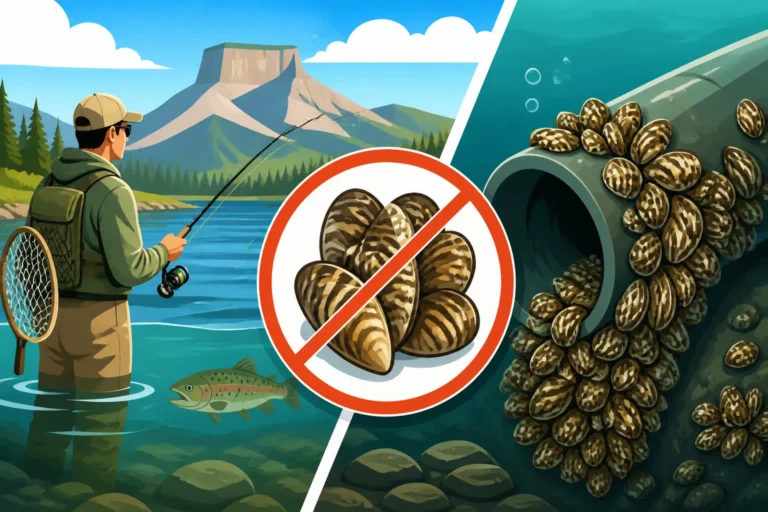
- Prevent Invasive Species: Always clean, drain, and dry your boats, waders, and gear between fishing trips, especially when moving between different drainages. This prevents the spread of aquatic invasive species, which can devastate native fish populations and habitats. Wyoming Game and Fish takes this very seriously, and so should you.
- Respect Private Property: Many tailwater sections are adjacent to private land. Always know where you are and respect private property boundaries. Access is often a privilege, not a right.
Navigating Regulations and Seasons
Wyoming's fishing regulations are designed to protect fish populations and ensure sustainable angling opportunities. Tailwaters, being highly productive and often popular, often have specific, sometimes complex, regulations that differ from statewide rules.
- Read the Regulations Booklet: Before every season and before visiting any new water, carefully read the current Wyoming Fishing Regulations booklet. It’s the definitive source for limits, seasons, and special rules. Pay close attention to sections that detail "water-specific regulations" for the particular tailwater you plan to fish. Reading the Wyoming Fishing Regulations Booklet can help you interpret it.
- Special Regulations: Tailwaters frequently have unique rules regarding:
- Bag and Possession Limits: These might be significantly reduced for brown trout, or specific size restrictions (e.g., only one fish over 20 inches) might apply.
- Gear Restrictions: Some tailwaters are fly-fishing-only, or may restrict bait, multiple hooks, or types of lures. For instance, specific stretches of the North Platte might have barbless hook requirements.
- Seasonal Closures: While many tailwaters are open year-round, specific sections might have seasonal closures, particularly during spawning periods, to protect vulnerable fish.
- Carrying Your License: Always carry your valid Wyoming fishing license and any required stamps, like the Wyoming Conservation Stamp, while fishing. Digital copies on your phone are often accepted, but always have a backup plan. Carrying Your Wyoming Fishing License in the Field explains more.
By adhering to these principles, we contribute to the health of these magnificent brown trout fisheries and ensure that future generations can experience the thrill of catching a trophy brown in Wyoming's unparalleled tailwaters.
Disclaimer
This article is for general informational purposes only and does not constitute professional advice. Laws, prices and regulations vary by location and change over time. Consult a qualified professional for guidance on your specific situation.