Smallmouth Bass in Wyoming Reservoirs
There's nothing quite like the thrilling tug of a smallmouth bass on the end of your line, especially when you're fishing in the stunning landscapes of Wyoming. However, many anglers arrive in our state primarily focused on trout, and they often overlook the fantastic opportunities that warmwater species like smallmouth offer. This guide is here to shed light on these feisty fighters, showing you where to find them, how to catch them, and what makes smallmouth bass fishing in Wyoming's reservoirs such a uniquely rewarding experience.
Understanding Smallmouth Bass in Wyoming
Smallmouth bass, often affectionately called "smallies," are renowned for their aggressive strikes and acrobatic fights. While they might not be the first fish that comes to mind when you think of Wyoming, they've established strong populations in several of our larger reservoirs, providing an exciting alternative to the more common trout species. Their presence offers a diverse fishing experience, challenging anglers with their unique behaviors and preferred habitats.
Are Smallmouth Bass Native to Wyoming?
One of the first questions many people ask is whether these energetic fish are native to the Cowboy State. The simple answer is no; smallmouth bass are not indigenous to Wyoming. They were introduced here, like many other popular game fish, to create diverse recreational fishing opportunities in waters that were suitable for them. While some introduced species can cause ecological challenges, smallmouth bass have generally found their niche in the warmer, rockier reservoirs, often coexisting with other species. Understanding their introduced status helps us appreciate the management efforts by the Wyoming Game and Fish Department to maintain healthy populations and diverse fisheries across the state. For a broader look at species here, you might enjoy reading about Wyoming's Warmwater Fish Species.
When you consider the vast, open landscapes and often colder waters of Wyoming, the success of smallmouth bass here is a testament to their adaptability. They thrive in environments with ample rocky structure, gravel beds for spawning, and plenty of forage fish. These conditions are met perfectly in several of our expansive reservoirs, making them prime targets for smallmouth enthusiasts. It's a reminder that Wyoming's fishing scene is far more varied than just its world-class trout streams.
Identifying Wyoming's Smallmouth Bass
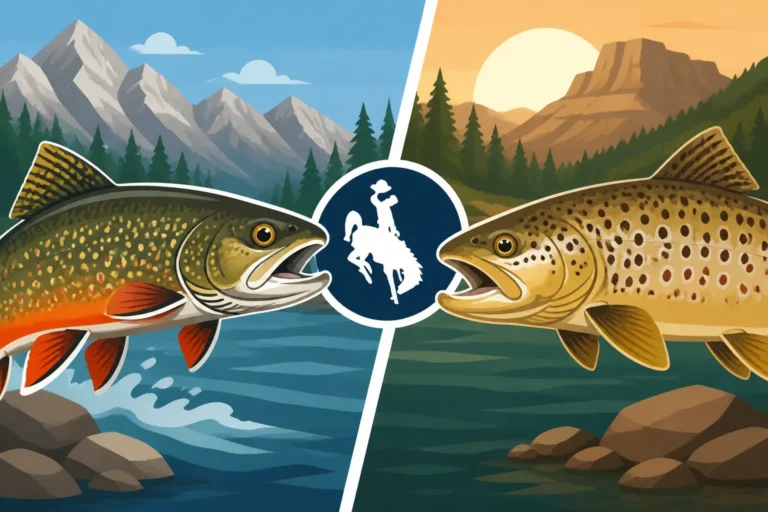
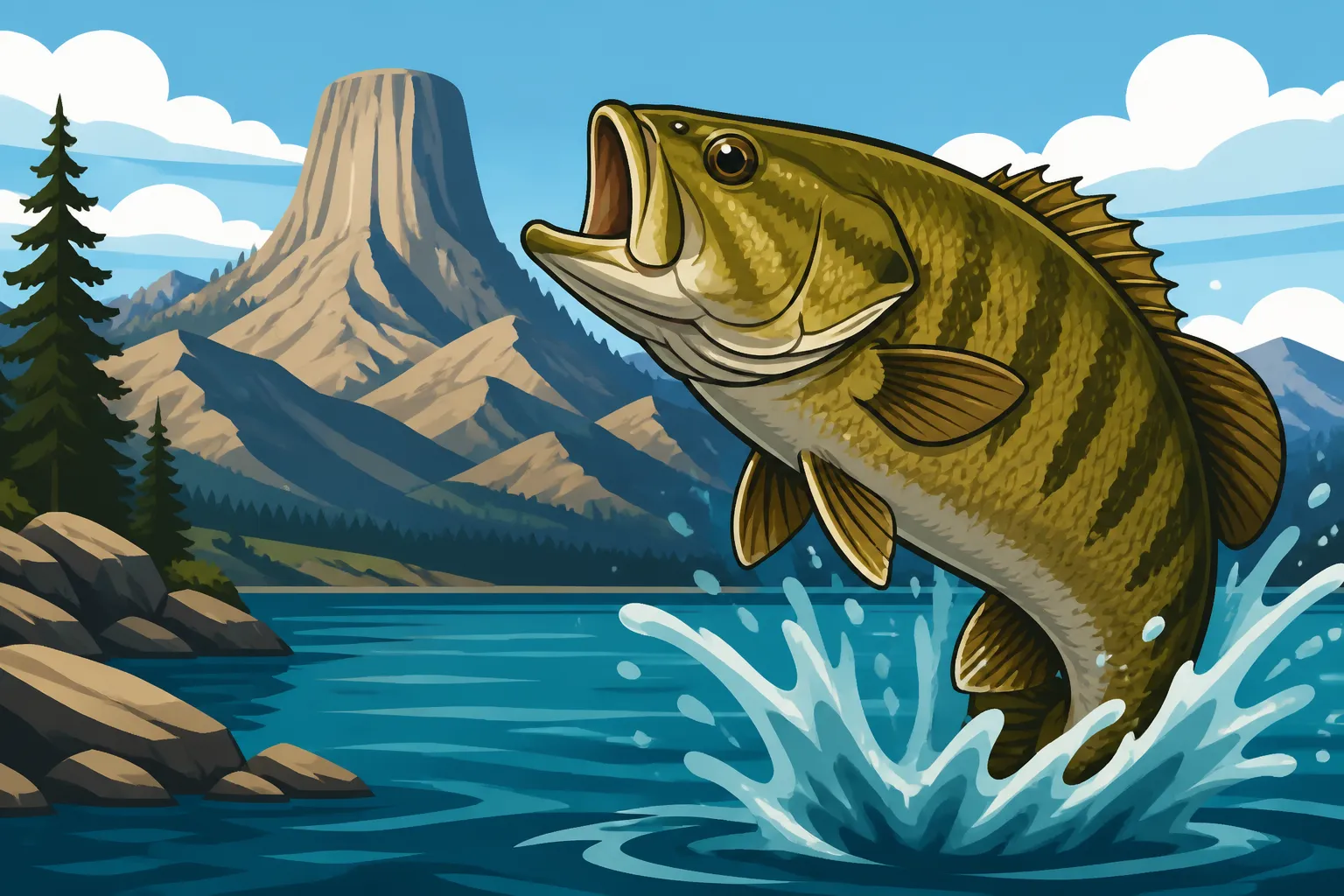
Distinguishing a smallmouth bass from its close cousin, the largemouth bass, or even from other fish, is quite straightforward once you know what to look for. Smallmouth bass typically have a more streamlined, bronze-colored body, often with vertical bars or blotches along their sides, which can vary in intensity depending on water clarity and habitat. Their most defining feature is their mouth: when closed, the upper jaw does not extend beyond the back edge of their eye. This is in contrast to the largemouth, whose jaw extends noticeably past the eye.
Another key identifier is the dorsal fin. Smallmouth bass have a continuous dorsal fin, though it often has a slight dip in the middle. The eyes are usually reddish, and their tail fin is typically more deeply forked than that of a largemouth. These characteristics contribute to their reputation as sleek, powerful swimmers, built for battling currents and structures. Knowing these visual cues will not only help you identify your catch but also ensure you're adhering to any species-specific regulations. It's always a good practice to confirm your identification, especially when dealing with bag limits and other rules, as outlined in the Wyoming Fishing Regulations Every Angler Should Know.
Prime Wyoming Reservoirs for Smallmouth Bass
While smallmouth bass aren't everywhere in Wyoming, the places where they do thrive offer exceptional fishing experiences. These reservoirs provide the perfect blend of habitat, forage, and water conditions for smallies to flourish, growing to impressive sizes and providing memorable fights.
Fishing Flaming Gorge for Smallmouth Bass
Without a doubt, Flaming Gorge Reservoir stands as Wyoming's premier destination for smallmouth bass. Straddling the Wyoming-Utah border, this colossal reservoir is famous for its stunning red canyon walls and its diverse fishery. While many anglers come here for the trophy lake trout and kokanee salmon, the smallmouth bass population is robust and often overlooked, leading to less crowded spots and fantastic action. If you're planning a trip, be sure to check out the comprehensive Fishing Wyoming's Flaming Gorge Reservoir Guide.
The "Gorge" offers an incredible amount of prime smallmouth habitat: endless rocky shorelines, submerged ledges, deep coves, and rocky points. Smallmouth bass love to ambush prey from structure, and Flaming Gorge provides an abundance of these ambush points. Anglers often find great success targeting rocky areas near drop-offs, especially during the warmer months when the bass are actively feeding and less lethargic. You can spend days exploring different coves and points, each holding the potential for a new personal best. In fact, many locals consider Is Smallmouth Bass Fishing Good at Flaming Gorge? not just good, but outstanding.
Other Notable Smallmouth Waters
While Flaming Gorge gets a lot of the spotlight, it's not the only place to find smallmouth bass in Wyoming. Several other reservoirs across the state offer solid, and sometimes surprising, smallmouth opportunities. These spots might not produce the sheer numbers of Flaming Gorge, but they can still yield quality fish and are often less pressured.
Pathfinder Reservoir, located near Casper, is another excellent option. It's known more for its walleye and trout, but its rocky shorelines and vast structures also harbor a healthy population of smallmouth bass. Anglers working the edges and submerged rock piles can be handsomely rewarded, especially during the spring and fall. Alcova Reservoir, also in the Casper area, also holds smallmouth, often caught incidentally by those targeting other species, but savvy anglers can specifically target them with success around its rockier sections and ledges. Remember that specific regulations can vary by water body, so always consult the latest Game and Fish regulations booklet before heading out to any of these spots.
Another spot worth mentioning is Keyhole Reservoir in northeastern Wyoming. While predominantly a warmwater fishery known for its walleye and crappie, smallmouth bass have established a presence here as well, particularly around the rip-rap and rocky points. These alternative locations provide a more localized option for many Wyoming anglers and are a great way to explore different parts of the state's diverse fishing landscape.
Essential Techniques for Catching Smallmouth Bass in Wyoming
Catching smallmouth bass is an exciting pursuit because they are aggressive eaters and fierce fighters. Success often hinges on understanding their behavior and presenting your lure or bait effectively. Whether you're a seasoned bass angler or new to the game, mastering a few key techniques will significantly boost your chances of landing a Wyoming smallie. For beginners looking to get started, Spin Fishing Techniques for Beginners offers a great foundation.
Top Lures and Baits for Wyoming Smallmouth
Smallmouth bass are opportunistic predators, meaning they'll hit a wide variety of presentations. However, some lures and baits consistently outperform others in Wyoming's reservoir environments. Crankbaits are a perennial favorite, especially those that mimic crawfish or baitfish, as they allow you to cover water quickly and target different depths. Smallmouth often hold tight to structure, so crankbaits that deflect off rocks are incredibly effective at triggering reactionary strikes.
Soft plastics are another must-have in your tackle box. Jerkbaits, tubes, grubs, and creature baits rigged on jig heads or Texas-style are deadly when fished slowly around rocky cover. Finesse techniques, like drop-shotting, can be particularly potent when the bite is tough or when targeting deeper-holding fish. Spinnerbaits and chatterbaits are excellent for covering water and for those windy days when smallmouth might be more aggressive. For a detailed breakdown, you might want to look into Best Lures for Smallmouth Bass in Wyoming Reservoirs. Don't forget live bait either; shiners, leeches, or crawfish can be irresistible to a hungry smallmouth, especially when fished under a bobber near a rocky point. Many of these effective lures and baits can be found easily on platforms like Amazon, making it convenient to stock up before your next trip.
Seasonal Strategies for Smallmouth Bass
The best way to catch smallmouth bass in Wyoming largely depends on the time of year. Each season presents unique opportunities and challenges.
Spring (Pre-Spawn and Spawn): As ice recedes and water temperatures begin to climb into the 50s Fahrenheit, smallmouth move from their deeper wintering grounds to shallower, rocky areas in preparation for spawning. This is often an excellent time to target them, as they are actively feeding to build energy. Focus on sunny, protected coves and rocky points where the water warms up faster. Lures like suspending jerkbaits, jigs with plastic trailers, and lipless crankbaits can be very effective. During the actual spawn, when water temperatures reach the mid-60s, smallmouth will be on their nests, often in visible shallow areas. They become very protective, and while they can be caught, it's often a good practice to minimize disturbance during this crucial reproductive phase.
Summer (Post-Spawn and Peak Feeding): Once the spawn is over and water temperatures are consistently warm, smallmouth bass enter their most active feeding period. They'll often relate to deeper rocky points, submerged humps, ledges, and transition areas between shallow and deep water. Early mornings and late evenings are prime times, but they can be caught throughout the day, especially if you find schools of baitfish. Topwater lures, such as poppers and walking baits, can create explosive strikes during low light. As the sun gets higher, switch to deeper presentations like crankbaits, Carolina rigs, or drop shots to target fish holding in cooler, deeper water or tight to structure. This is often considered the peak season for many fish in the state, and understanding Wyoming Summer Fishing: Peak Season Tips can further enhance your success.
Fall (Pre-Winter Feeding): As temperatures cool, smallmouth bass go on a feeding frenzy to put on weight for the upcoming winter. They will often concentrate on structure near deep water, following baitfish schools. Crankbaits, spinnerbaits, and swimbaits are highly effective for covering water and finding these aggressive fish. Focus on main lake points, ledges, and channel swings. The fall bite can be incredibly productive, often yielding some of the largest fish of the year, as they are actively seeking out bigger meals.
Reading the Water for Smallmouth Habitat
Smallmouth bass are creatures of structure. They love anything that offers cover, ambush points, or shade. When you're on a Wyoming reservoir looking for smallies, start by identifying areas with rocky bottom, boulders, submerged timber, or ledges. These features are their comfort zones and hunting grounds.
Look for areas where different types of habitat meet, such as a rocky point that drops off into deeper water, or where a gravel flat transitions to a boulder field. These "transition zones" are often hotspots because they offer a variety of depths and cover, catering to both the bass and their prey. Wind can also be your friend; a moderate chop on the water can push baitfish against wind-blown points and shorelines, drawing smallmouth in to feed. The turbidity created by the wind also helps the bass feel more secure. Overcast days can also improve your chances, as smallmouth tend to be less shy without bright overhead sunlight. Understanding these principles is key to Choosing the Right Technique for Wyoming Lakes vs Rivers.
The clearer waters of many Wyoming reservoirs mean smallmouth can be spooky, so stealth and long casts are often necessary. Pay attention to changes in bottom composition, depth, and current (if present near inflows/outflows). Using your boat's electronics to scan for submerged structure and schools of baitfish will dramatically increase your efficiency. Some anglers even use waterproof lake maps, often available from stores or online retailers like Amazon, to pinpoint potential hot spots before they even launch their boat.
Gear and Tackle for Wyoming Smallmouth Adventures
Having the right gear makes all the difference when targeting smallmouth bass. While you don't need a boatload of specialized equipment, a few key pieces of tackle will ensure you're well-prepared for the aggressive fights and varied techniques required to catch these energetic fish in Wyoming's reservoirs.
Recommended Rod and Reel Setups
For smallmouth bass, versatility is key. A good all-around setup would be a medium-light to medium-power spinning rod, typically 6'6" to 7' long, with a fast action. This rod length provides excellent casting distance for covering water from shore or boat, and the fast action offers the sensitivity needed to detect subtle bites while still having enough backbone to handle a fighting fish. A medium power rod is stout enough for most smallmouth lures and can handle the powerful surges of a good-sized smallie.
Pair this with a quality spinning reel in the 2500-3000 size range, spooled with 8-10 pound test braided line. The braid offers superior casting distance and sensitivity, and its strength is a huge asset when fishing around rocky structure. I always recommend using a fluorocarbon leader (6-10 pound test) tied to the braid. Fluorocarbon is nearly invisible underwater, which can be crucial in the clear waters of many Wyoming reservoirs, and it provides good abrasion resistance against those sharp rocks. For those who prefer baitcasting, a medium-heavy power rod, 6'6" to 7'2" long, paired with a high-quality baitcasting reel, spooled with 12-15 pound fluorocarbon or braided line with a leader, is perfect for heavier lures like larger crankbaits or jigs.
Terminal Tackle Essentials
Your terminal tackle—the bits and pieces that connect your line to your lure—are just as important as your rod and reel. Having a well-stocked tackle box means you're ready for any situation on the water.
Hooks: A variety of hooks are essential. Offset worm hooks (sizes 1/0 to 3/0) for Texas rigging soft plastics, straight shank hooks for jig heads (1/8 oz to 1/2 oz, depending on depth and current), and circle hooks if you plan on using live bait. Ensure your hooks are sharp and strong enough to handle the fight; smallmouth have tough mouths.
Weights: A selection of lead or tungsten weights, from 1/8 oz up to 1/2 oz, will allow you to fish different depths and current conditions. Bullet weights for Texas rigging, drop shot weights, and split shots are all useful. Tungsten is pricier but offers superior sensitivity.
Swivels and Snaps: While not always necessary, small, high-quality swivels can prevent line twist, especially when using spinning lures. Snaps can make changing lures quicker, but ensure they are strong enough not to open under pressure. Many anglers prefer a direct knot to the lure to maximize feel.
Leaders: As mentioned, fluorocarbon leaders are a game-changer in clear water. Keep a spool of 6, 8, and 10-pound test fluorocarbon on hand. Tying good knots is vital here, so practice your Albright or uni-to-uni knot. Having a diverse selection of these items, readily available from online outdoor retailers like Amazon or local tackle shops, will ensure you're prepared for whatever Wyoming's smallmouth bass throw at you.
Navigating Regulations for Wyoming Smallmouth Bass
Fishing in Wyoming, especially for non-native species, comes with specific regulations that anglers need to be aware of. While smallmouth bass are a fantastic recreational species, adherence to the rules is paramount to ensure sustainable fisheries and a continued great fishing experience for everyone. Always check the current regulations before you head out, as they can change annually. The Reading the Wyoming Fishing Regulations Booklet is your best friend here.
General Regulations for Bass in Wyoming
For most Wyoming waters, smallmouth bass are included under general warmwater fish regulations. This usually means a set creel limit (daily bag limit) and a possession limit. The daily creel limit typically refers to the number of fish you can keep in a single day, while the possession limit is the total number of fish you can have on your person, in your vehicle, or at your camp at any given time. These limits are in place to manage fish populations and prevent overharvesting.
It's also important to understand the concept of a statewide combined possession limit, which applies to various species. Always check the specific numbers, as they can fluctuate year-to-year. Some waters might also have length restrictions, such as slot limits where only fish within a certain size range can be kept, or minimum length limits. These are less common for smallmouth but can occur. It's crucial not to just assume; always carry your current regulation booklet or have access to the latest digital version. Ignoring these rules can lead to fines and penalties, which nobody wants when they're out enjoying the beautiful Wyoming outdoors. Further details on these limits can be found in How Bag and Possession Limits Work in Wyoming.
Reservoir-Specific Smallmouth Rules
While general rules apply, some of Wyoming's key smallmouth reservoirs, especially Flaming Gorge, may have specific regulations tailored to their unique ecosystems. These specific rules are often implemented to protect growing populations, manage invasive species, or address other conservation goals. For example, there might be different daily limits or length restrictions for bass on Flaming Gorge compared to a smaller, less-fished reservoir.
It's not uncommon for reservoirs with diverse fisheries, like Flaming Gorge, to have nuanced rules that differ from statewide regulations. These might include specific bait restrictions in certain areas, or rules regarding the use of multiple rods. Always pay close attention to the special regulations section for the specific body of water you intend to fish in the Wyoming Game and Fish regulations. These detailed rules are designed to ensure that the smallmouth bass populations remain healthy and continue to provide excellent fishing opportunities for years to come. By being responsible and informed, we all contribute to the long-term health and enjoyment of Wyoming's incredible fisheries.
Here's a quick overview of some common smallmouth bass tactics and when they shine:
| Technique | Lure/Bait Type | Optimal Conditions | Key Advantages |
|---|---|---|---|
| Casting | Crankbaits, Jerkbaits | Moderate to clear water, structured | Covers water, triggers reaction strikes |
| Finesse Fishing | Drop Shot, Jig | Clearer water, tough bite, deep fish | High sensitivity, precise presentation |
| Topwater | Poppers, Walkers | Low light, calm water, warm season | Exciting visual strikes, covers shallows |
| Spinnerbaits | Spinnerbaits | Windy days, stained water | Vibration and flash, good in cover |
| Live Bait | Minnows, Crawfish | Any conditions, often a sure bet | Natural presentation, effective on shy fish |
Disclaimer
This article is for general informational purposes only and does not constitute professional advice. Laws, prices and regulations vary by location and change over time. Consult a qualified professional for guidance on your specific situation.