Where to Catch Burbot in Wyoming
One of the most unique and often overlooked fishing opportunities in Wyoming involves chasing after the mysterious burbot, sometimes affectionately called "ling." Many anglers, even seasoned ones, find themselves scratching their heads when it comes to locating this elusive, cold-water dweller. They're not always found in the same spots as your typical trout or walleye, and their nocturnal habits can make them a real puzzle to track down. But trust me, cracking the code on where to catch burbot in Wyoming is incredibly rewarding, not just for the challenge, but for the delicious fillets they provide. This guide is here to unravel that mystery, pointing you toward the prime locations and arming you with the knowledge you need for a successful burbot quest.
Understanding Burbot in Wyoming's Waters
Before we dive into specific locations, let's get a handle on what makes the burbot tick. Knowing their preferences and habits is half the battle when trying to find them in Wyoming's vast and varied aquatic landscapes.
The Elusive Nature of Wyoming's Ling (Burbot)
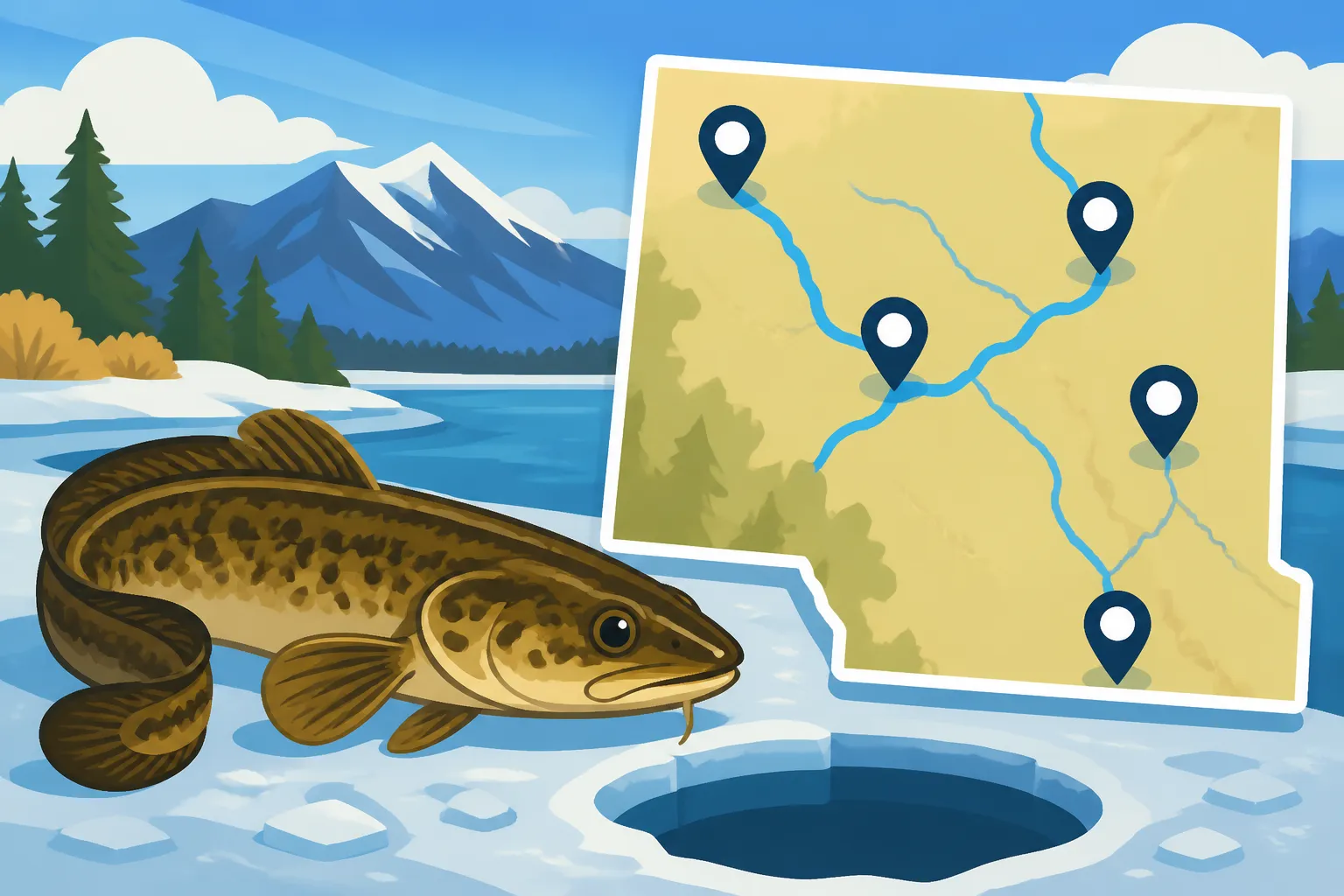
Burbot, often referred to as "ling" by local anglers, are truly fascinating creatures. They're the only freshwater member of the cod family, and they look every bit the part with their elongated, eel-like bodies, mottled skin, and a distinctive single barbel on their chin. Unlike many other game fish that cruise shallower waters during the day, burbot are primarily nocturnal. This means they are most active under the cover of darkness, when they emerge from their deep, cold-water haunts to hunt for smaller fish and invertebrates.
Their preference for cold, deep water is a critical factor in understanding where to find them. You won't typically find burbot basking in warm, shallow coves. Instead, they gravitate towards the deeper basins of large reservoirs, where water temperatures remain consistently chilly, even during the height of summer. This deep-water preference, combined with their nocturnal feeding patterns, contributes significantly to their elusive reputation. Many anglers simply aren't fishing at the right depths or at the right times to encounter them. But once you understand this, you can start to strategically target them, turning their elusiveness into an exciting challenge.
Why Target Burbot? Besides the Fight!
While burbot might not be known for acrobatic jumps or blistering runs, they put up a surprisingly strong, dogged fight, especially larger specimens hauled up from deep water. They have a way of digging in, making every turn of the reel handle feel like a real accomplishment. But the true allure of burbot for many anglers, beyond the unique fishing experience, is their outstanding culinary quality.
Their firm, white, flaky meat is often compared to lobster or scallops, earning them the nickname "poor man's lobster." When boiled or steamed and served with butter, it's easy to see why. This makes them a highly sought-after species for the dinner table. What's more, in many Wyoming waters, burbot populations are healthy and often underfished, which can translate into more consistent action for those who learn how to target them. Plus, actively removing burbot in certain fisheries, especially where they might compete with or prey on native sport fish, can even be beneficial for the ecosystem. So, you're not just getting a great meal; you're often contributing to healthy fishery management.
Top Wyoming Reservoirs for Burbot
When it comes to prime burbot real estate in Wyoming, certain large, deep reservoirs stand out from the rest. These are the places where you'll find the consistent cold-water conditions and abundant forage that burbot thrive on.
Flaming Gorge Reservoir: A Burbot Hotspot
Without a doubt, Flaming Gorge Reservoir is a crown jewel for burbot fishing in Wyoming. This colossal, deep, and intricate reservoir, straddling the Wyoming-Utah border, offers an ideal habitat for burbot. Its immense depths, often exceeding 300 feet in places, provide the consistently cold water that these freshwater cod demand. The reservoir's vast structure, including numerous rocky ledges, submerged canyons, and expansive main channels, offers countless hiding spots and hunting grounds for burbot.
Anglers targeting burbot here often focus on the deeper basins and along the main river channel, particularly where there are significant depth changes or submerged structure. Late fall and especially the winter months, when the reservoir is often covered in thick ice, are prime times. Ice fishing for burbot at Flaming Gorge is legendary, with anglers setting up tip-ups or jigging through the ice at night, often congregating in areas like the Buckboard Crossing or Lucerne Marina areas. The burbot caught here can be substantial, with many fish in the 2-5 pound range, and the potential for true trophy-sized specimens that push into double-digit weights. Check out our Flaming Gorge Reservoir Fishing Guide for more details on this incredible fishery. If you're planning a trip during the colder months, understanding Best Winter Fishing Technique Below Flaming Gorge Dam will give you a significant advantage.
Boysen Reservoir: Emerging Burbot Fishery
While Flaming Gorge often steals the burbot spotlight, Boysen Reservoir has quietly become another fantastic destination for these unique fish. Located near Shoshoni, Boysen is Wyoming's largest natural lake, though it's now a managed reservoir, and it holds a robust population of burbot that are growing in popularity among local anglers. Similar to Flaming Gorge, Boysen offers expansive deep-water areas and plenty of structure, particularly in its northern reaches and near the dam.
The burbot in Boysen tend to congregate in the deeper channels and pockets, especially during the colder months. Winter ice fishing is particularly productive here, with anglers often jigging through the ice or using set lines near the reservoir's deeper sections. Look for areas with a sharp drop-off or where the old river channel runs through. The average size of burbot caught at Boysen is typically in the 1-3 pound range, making for consistent action and plenty of good eating. If you're wondering about the possibilities, we have a detailed guide on Is There Ice Fishing at Boysen Reservoir?. While many anglers chase the walleye, it's worth noting that burbot often share similar deep-water habitats, so learning about Boysen Reservoir's Best Walleye Water can also indirectly lead you to burbot.
Other Notable Reservoirs for Burbot
While Flaming Gorge and Boysen are arguably the top two, Wyoming boasts other large reservoirs that also hold good populations of burbot. These might be less famous for burbot, but they can still offer excellent opportunities for the dedicated angler.
Seminoe Reservoir: This large reservoir southwest of Casper is known for its deep, clear waters and rugged, rocky shoreline. It provides excellent habitat for burbot, particularly in its deeper sections and along submerged rock formations. Winter ice fishing here can be quite good, especially for those willing to venture out at night. Consistent reports come from areas with access to deep water, and Seminoe often yields fish in the 1-4 pound range. For a broader understanding of this fishery, you can explore our guide on Fishing Seminoe Reservoir.
Pathfinder Reservoir: Situated upstream from Seminoe, Pathfinder also offers substantial deep-water areas. It's known for its robust trout and walleye populations, but burbot thrive here too, often occupying the same deep, cold environments. Like the other reservoirs, the best fishing for burbot typically occurs during the winter months through the ice or in the late fall before freeze-up. Target depths of 30-70 feet, focusing on submerged structure and the old river channel. Getting to some of the best spots requires knowing the access points; check out Pathfinder Reservoir Fishing Access Points in Wyoming for more information.
These reservoirs all share key characteristics: they are large, deep, and maintain cold water temperatures year-round, making them perfect homes for burbot. While techniques may vary slightly, the general principles of fishing deep and often at night remain consistent across these locations.
Best Techniques and Times for Burbot Success
Catching burbot isn't always about brute force; it's about understanding their behavior and adapting your techniques to their unique preferences. Timing and specialized gear play a crucial role.
The Art of Night Fishing and Ice Fishing for Burbot
Since burbot are primarily nocturnal predators, fishing after dark is often the most productive strategy, especially during the warmer months when they might be less active during daylight hours. As the sun sets and temperatures drop, burbot become more active, moving into shallower feeding zones along ledges, points, and humps that are adjacent to deep water. This means setting up camp for a night fishing session can dramatically increase your chances. Bringing a good headlamp or lantern is essential for rigging up, baiting hooks, and safely navigating in the dark.
However, the absolute peak season for burbot fishing in Wyoming, and indeed their most accessible time, is during the winter ice fishing season. When the reservoirs freeze over, burbot become more active throughout a 24-hour cycle, though still preferring low light conditions around dawn, dusk, and overnight. Ice anglers often set up portable shelters and use multiple rods rigged as "tip-ups" or "dead sticks" baited with cut bait, allowing them to cover a wider area. Jigging a glow-in-the-dark spoon or jig also works exceptionally well. Being prepared for the cold is paramount; layers, insulated boots, and a warm shelter make the experience much more enjoyable. For a deeper dive into winter angling, consult our Ice Fishing in Wyoming: A Complete Guide. If you're brave enough to embrace the darkness, our guide on Night Fishing Techniques for Wyoming Waters offers excellent general advice.
Essential Gear for Targeting Burbot
When gearing up for burbot, think robust and ready for deep, cold conditions. You'll want a medium-heavy to heavy-action rod, typically 6-7 feet long for open water or shorter, stout ice rods for winter. This rod strength is necessary to handle the weight of heavy sinkers used to get bait to the bottom in deep water, as well as to horse up a strong fish. Pair this with a reliable spinning or baitcasting reel spooled with 10-20 pound test monofilament or fluorocarbon line, or even heavier braided line with a fluorocarbon leader for abrasion resistance against rocks and the burbot's rough mouth.
When it comes to bait, cut bait is king. Pieces of sucker, herring, or even shrimp (often available frozen) are incredibly effective. The scent trail they put out in the water is irresistible to burbot. Many anglers will "sweeten" their hooks with a piece of cut bait on a jig or a weighted hook. Glow-in-the-dark jigs, spoons, or even just glow beads slipped onto the line are incredibly important, as the luminescence attracts burbot in the dark depths. You can find a fantastic selection of these specialized glow jigs and baits on platforms like Amazon, making it easy to stock up before your trip. For ice fishing, an ice auger, a portable shelter, and a reliable fish finder are indispensable tools. Make sure you check out our comprehensive Ice Fishing Gear Checklist for Wyoming Lakes to ensure you don't forget any crucial items. Having a heavy-duty pair of pliers or a hook remover is also a good idea, as burbot can sometimes swallow hooks deeply.
Regulations and Conservation for Burbot
Like all fishing endeavors in Wyoming, chasing burbot requires an understanding and adherence to the state's fishing regulations. These rules are in place to ensure the sustainability of fish populations and the health of our aquatic ecosystems.
Understanding Wyoming's Burbot Regulations
Before heading out to any of the burbot hotspots, your absolute first step should be to acquire a current Wyoming fishing license. This is non-negotiable for anyone over the age of 14. Once you have your license, the next crucial step is to meticulously review the current Wyoming Game and Fish Department regulations. While burbot regulations are often more liberal than for other sport fish, they can vary by water body and year. You can find general rules in the statewide regulations booklet, but always double-check for water-specific rules that might apply to Flaming Gorge, Boysen, Seminoe, or Pathfinder Reservoirs.
Typically, burbot do not have strict bag or possession limits in many Wyoming waters, and in some cases, anglers are even encouraged to harvest them to help balance fish populations. However, this is not a universal rule, and it is entirely possible for specific waters to have unique regulations if the fishery managers deem it necessary. Always carry your license and a copy of the regulations (or have them readily accessible on your phone) when you're in the field. Ignoring these rules can lead to fines and other penalties. For a thorough overview, be sure to read Wyoming Fishing Regulations Every Angler Should Know. This is your bible for responsible angling in the Cowboy State.
Promoting Healthy Burbot Populations
While burbot might not always get the same level of conservation focus as, say, a native cutthroat trout, it's still vital to practice responsible angling when targeting them. In many Wyoming reservoirs, burbot are considered a natural component of the ecosystem, and in some instances, their populations are robust enough that harvesting them is encouraged. This can actually help manage forage fish populations or reduce competition with other sport fish like trout and walleye.
If you choose to keep your catch, ensure you handle them properly and humanely. If you're planning to release a burbot, handle it with wet hands to protect its slime coat, and release it quickly and gently. Avoid leaving any trash or discarded fishing line on the ice or along the shore, as this can harm wildlife. When using cut bait, make sure it's legally obtained and not a species that could introduce disease or invasive organisms. Overall, the goal is to enjoy the unique experience of burbot fishing while being a good steward of Wyoming's precious aquatic resources. Every angler plays a role in maintaining the health and balance of these incredible fisheries for future generations.
| Reservoir Name | Key Features for Burbot | Best Time to Fish for Burbot | Common Burbot Size |
|---|---|---|---|
| Flaming Gorge Reservoir | Deep, cold, rocky structure, vastness | Winter (ice fishing), Late Fall | 2-5 lbs, trophy potential over 10 lbs |
| Boysen Reservoir | Deep channels, abundant forage, good numbers | Winter (ice fishing) | 1-3 lbs, consistent action |
| Seminoe Reservoir | Deep, clear water, rocky ledges, remote | Winter (ice fishing) | 1-4 lbs, good for dedicated anglers |
| Pathfinder Reservoir | Deep basins, old river channels, good structure | Winter (ice fishing) | 1-3 lbs, requires effort |
Disclaimer
This article is for general informational purposes only and does not constitute professional advice. Laws, prices and regulations vary by location and change over time. Consult a qualified professional for guidance on your specific situation.