Is the Bonneville Cutthroat Trout Found in Wyoming?
It's an interesting question that many anglers ponder when looking at the vast array of trout species out there, especially when trying to pinpoint exactly which cutthroat subspecies call Wyoming home. The truth is, while Wyoming boasts an incredible diversity of cutthroat trout, the Bonneville Cutthroat Trout isn't generally considered a native resident or a widely established species in the Cowboy State. This can be a bit confusing, given how much these beautiful fish get moved around or how similar different cutthroat can look, but understanding their true historical range helps clear things up.
The Bonneville Cutthroat's Historical Domain
When we talk about the Bonneville Cutthroat Trout (Oncorhynchus clarkii utah), we're really stepping back in time to a specific geographical basin. Their name gives us a huge clue about where they truly belong, and it's mostly outside the typical borders of Wyoming's famed fishing grounds.
Tracing the Ancestry: Where They Truly Belonged
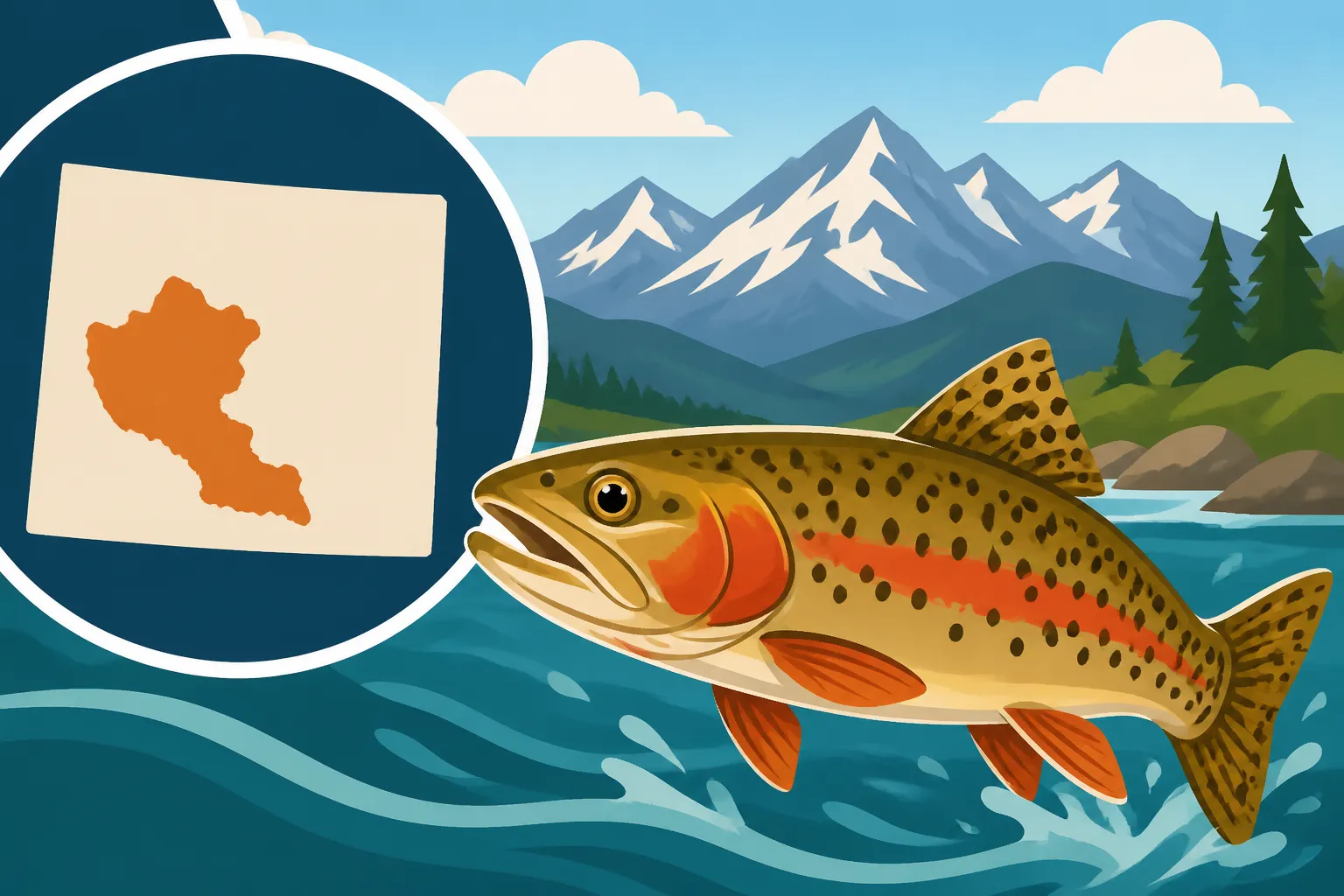
Historically, the Bonneville Cutthroat Trout was confined almost exclusively to the Bonneville Basin, a vast area that was once covered by ancient Lake Bonneville. This geological feature is primarily located in what is now Utah, and extends into parts of Idaho, Nevada, and a small sliver of southwestern Wyoming. Think of drainages that flow into the Great Salt Lake today – that's their ancestral home. The fish adapted to these unique environments, evolving distinct characteristics that set them apart from other cutthroat subspecies. Their historical stronghold was in the tributaries and lakes of this basin, where they thrived for millennia, largely isolated from other cutthroat populations by the continental divide and distinct hydrological systems. Therefore, the vast majority of Wyoming's rivers and lakes, particularly those east of the Continental Divide or within the Yellowstone ecosystem, were simply not part of their natural domain.
Even the small portion of Wyoming that overlaps with the Bonneville Basin, specifically in the Bear River drainage in the far southwestern corner, has seen the presence of these fish. However, this is a very localized area, and their presence there represents the absolute edge of their natural historic range, not a widespread presence across the state. For most of Wyoming, anglers are chasing different, equally magnificent species of cutthroat that are native to those specific watersheds. It’s easy to understand why the distinctions can get blurry, especially when you consider how much genetic mixing has occurred over the last century due to human activities like stocking.
A Case of Mistaken Identity? Why the Confusion Exists
It's completely understandable why anglers might confuse a Bonneville Cutthroat with another subspecies found in Wyoming. Cutthroat trout, in general, are notorious for their variability. Their coloration, spotting patterns, and even the intensity of that iconic "cutthroat slash" under their jaw can differ wildly depending on their specific habitat, diet, and age. You might catch a trout in a high-mountain lake near Pinedale or in the Wind River Mountains that has beautiful red slashes and distinct spots, and your first thought might be, "Is this a Bonneville?"
The challenge is that many cutthroat subspecies share similar broad characteristics. For instance, the Yellowstone Cutthroat Trout, Wyoming's state fish, also exhibits a red or orange slash and distinct spots, though usually more concentrated towards the tail. The Snake River Fine-Spotted Cutthroat, found extensively in western Wyoming, has very small, dense spots that can sometimes cover its entire body. When you're out on the water, focused on your cast and the thrill of the bite, it's not always easy to perform a detailed species identification. The subtle differences in scale count, fin shape, or even genetic markers, which are used by biologists, aren't visible to the naked eye. This inherent similarity among subspecies, coupled with limited public awareness of each distinct range, contributes significantly to the confusion among even seasoned anglers. It's why carrying a good field guide or consulting the How to Identify Every Trout Species Found in Wyoming article can be so helpful.
Reintroduction and Conservation Efforts: A Changing Landscape
While historically not widespread, the conservation landscape for many native fish species is constantly evolving. Efforts to restore native populations can sometimes lead to species appearing in areas where they weren't traditionally found, often for very specific ecological reasons.
Modern Conservation and Range Expansion
In recent decades, there has been a significant push by state agencies, including the Wyoming Game and Fish Department (WGFD), and federal partners to conserve and restore native fish populations. For the Bonneville Cutthroat Trout, this has primarily focused on its core historical range in Utah, Idaho, and Nevada, where its populations suffered greatly from habitat degradation, overfishing, and hybridization with non-native trout species like rainbow trout. In Wyoming, conservation efforts for cutthroat trout have predominantly centered around the native Yellowstone Cutthroat and the Snake River Fine-Spotted Cutthroat, which face their own unique threats and challenges. Wyoming's Native Fish vs Introduced Species is a fascinating read on this topic.
There have been very limited, specific instances of Bonneville Cutthroat being stocked or introduced into waters on the extreme western edge of Wyoming, often as part of very targeted recovery plans for that small portion of the Bear River drainage. These are not widespread initiatives that would see them populating rivers across the state. These efforts are meticulous, highly localized, and usually involve strict monitoring to ensure genetic integrity and prevent any negative impacts on existing native fish communities. It's a delicate balance, and agencies proceed with extreme caution, often involving extensive research and genetic testing to ensure they are introducing the correct, pure strain of fish to suitable habitats. For anglers, this means that while the possibility of encountering a Bonneville Cutthroat in a very isolated, specific drainage on Wyoming's far western fringe isn't zero, it's certainly not something you'd expect to find in the North Platte, Snake, or Yellowstone River systems.
The Role of Stocking and Management
The Wyoming Game and Fish Department has a robust stocking program designed to enhance fishing opportunities and support native fish populations. However, for most of Wyoming, their focus is on species that are either native to those specific watersheds or are well-established sport fish that don't pose a threat to native genetics. The primary native cutthroat species managed in Wyoming are the Yellowstone Cutthroat Trout in the Yellowstone River, Snake River, and upper Green River basins, and the Colorado River Cutthroat in the southwestern drainages like the Little Snake River and the Bear River. The focus of WGFD is largely on preserving the genetic purity and habitat of these species.
Stocking non-native cutthroat subspecies, or even strains from different drainages, can lead to hybridization, which dilutes the unique genetic makeup of native populations. This is a huge concern for conservationists. Imagine trying to find a specific type of vintage fishing reel on Amazon – you wouldn't want to accidentally buy a reproduction if you're looking for the pure original! Similarly, WGFD works hard to prevent this kind of "genetic pollution." While they do stock rainbow trout and brown trout extensively, which are non-native sport fish, these species are often stocked in waters where native cutthroat are not present or where the risk of hybridization is low. For the Bonneville Cutthroat, the WGFD's management strategy prioritizes the protection of Wyoming's own native cutthroat subspecies, making widespread introduction of Bonneville Cutthroat an unlikely and carefully considered prospect. They are more concerned with maintaining the integrity of Wyoming's State Fish: The Yellowstone Cutthroat and other endemic varieties.
Identifying Cutthroat Trout in Wyoming's Waters
So, if you're out fishing in Wyoming, what are you likely to catch, and how can you tell them apart from the elusive Bonneville? It's a skill worth honing, especially with the diverse cutthroat populations we have here.
Key Characteristics of the Bonneville Cutthroat
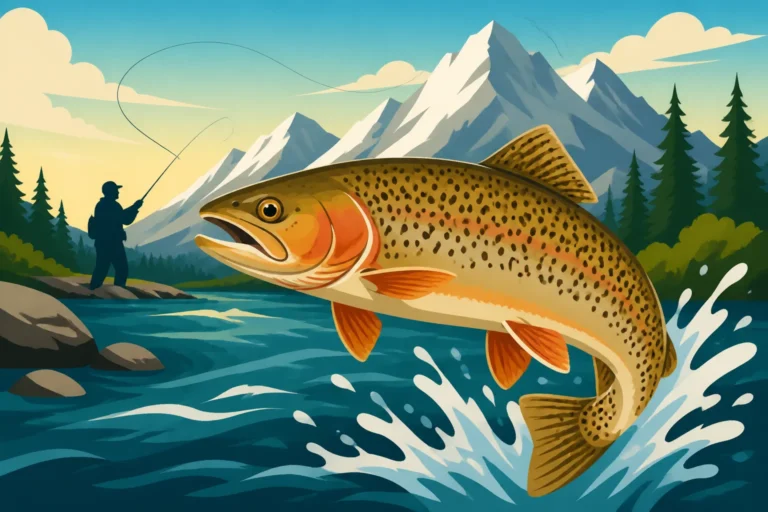
While not commonly found in Wyoming, understanding the Bonneville Cutthroat's key characteristics can still be helpful for comparison. Like all cutthroat, they sport those tell-tale red, orange, or even yellow slashes under their lower jaw, which can range from faint to vibrant. Their body coloration typically ranges from silver to brassy green, sometimes with a pinkish hue along the lateral line. The spots on a Bonneville Cutthroat are often concentrated towards the tail, though they can extend forward, and are generally smaller and more numerous than, say, on a Yellowstone Cutthroat. They also tend to have a larger mouth compared to some other trout species.
However, these visual cues alone aren't definitive. Water clarity, diet, and even the time of year can influence a fish's appearance. For true identification, biologists often look at fin ray counts, gill rakers, and, most reliably, genetic analysis. For the casual angler, if you’re fishing in the Bear River drainage of Wyoming and catch a cutthroat with a pattern that fits this description, it could be a Bonneville, but outside of that very specific area, it's far more likely to be one of the cutthroat species native to that particular watershed.
Other Cutthroat Subspecies You'll Actually Find in Wyoming
Wyoming is a cutthroat trout paradise, home to several incredible subspecies. Understanding these will give you a much better picture of what to expect on your next trip.
Here's a quick rundown of the main cutthroat subspecies you'll encounter in Wyoming:
| Subspecies | Primary Range in Wyoming | Key Identifying Traits (Angler Focus) | Conservation Status (General) |
|---|---|---|---|
| Yellowstone Cutthroat Trout | Yellowstone Lake drainage, upper Snake River, upper Green River, Wind River drainages. | Large, round spots, often concentrated towards the tail, varying color. | Native, focus of significant conservation. |
| Snake River Fine-Spotted Cutthroat Trout | Snake River drainage, most of western Wyoming. | Very small, numerous spots, often covering the entire body; distinct red slash. | Native, healthy populations, but managed. |
| Colorado River Cutthroat Trout | Bear River, Little Snake River, and Green River drainages in SW Wyoming. | Sparse, often larger spots, concentrated posteriorly; vibrant gold/orange body. | Native, endangered/threatened in parts. |
| Westslope Cutthroat Trout | Isolated populations in extreme northwest Wyoming (e.g., Clark's Fork drainage). | Fine, sparse spots, usually concentrated on the posterior half; pale yellowish body. | Native, often rare and localized. |
The Yellowstone Cutthroat Trout is arguably the most iconic, being the state fish. They are found throughout much of eastern and central Wyoming within their native drainages. You'll recognize them by their typically larger, rounder spots that are often concentrated more towards the tail. Their coloration can vary from brassy to silvery, with that distinct red or orange slash. Identifying a Yellowstone Cutthroat Trout can help you recognize them on the spot.
Then there's the Snake River Fine-Spotted Cutthroat Trout, prevalent in the famous Snake River drainage. These fish are characterized by their incredibly dense, small spots that often extend over their entire body, right up to their head. They're robust fighters and a joy to catch. You can learn more about them in Snake River Fine-Spotted Cutthroat Trout.
In the southwestern corner of the state, in drainages like the Little Snake and Bear Rivers, you might find the Colorado River Cutthroat Trout. These beauties often display a more golden or coppery hue, with sparser, more irregular spots that are also usually concentrated towards the rear. They're truly stunning fish and represent a crucial native population.
Finally, in very isolated pockets of the extreme northwestern part of the state, particularly in the Clark's Fork drainage, you might encounter the Westslope Cutthroat Trout. These fish generally have finer, sparser spots than the Yellowstone Cutthroat and a somewhat paler body coloration. They are often found in smaller, higher elevation streams.
So, while the Bonneville Cutthroat isn't a widespread player in Wyoming, the state more than makes up for it with its incredible array of native cutthroat diversity. Each subspecies has its own unique beauty and story, making Wyoming truly special for trout enthusiasts.
Angler Responsibility and Species Preservation
When you're out enjoying Wyoming's pristine waters, being a responsible angler means more than just having the right gear, whether it's a new pair of waders or a specific fly tying kit you ordered from Amazon. It also means understanding the fish you're targeting and helping to protect them.
Why Accurate Identification Matters
Knowing exactly what kind of fish you've caught isn't just about bragging rights; it's a critical component of conservation, especially when it comes to sensitive native species like cutthroat trout. Many waters in Wyoming have specific regulations tailored to protect native populations, and these rules can vary drastically from one river to the next, and even within different stretches of the same river. For instance, some areas might have strict catch-and-release rules for native cutthroat, while others allow for harvest within certain limits. If you misidentify a native cutthroat as a more common, robustly-stocked species, you could inadvertently violate regulations designed to protect vulnerable populations.
Beyond legal implications, accurate identification helps preserve genetic purity. As mentioned, hybridization between different cutthroat subspecies, or between cutthroat and rainbow trout (creating "cutbows"), can dilute the unique genetic traits that have allowed these fish to thrive in their specific environments for millennia. WGFD biologists spend countless hours studying and managing these populations, and anglers play a crucial role by understanding and respecting these efforts. For example, if you're fishing in a sensitive area known for pure Yellowstone Cutthroat and you catch something that looks suspiciously like a rainbow hybrid, releasing it carefully might be the best course of action unless regulations state otherwise. Always consult the Wyoming Fishing Regulations Every Angler Should Know and the Wyoming Fishing Regulations Every Angler Should Know for the most up-to-date information.
Resources for Anglers
Thankfully, there are plenty of resources available to help you become a more informed and responsible angler in Wyoming. The Wyoming Game and Fish Department (WGFD) website is your absolute best friend. It's packed with information, including detailed species guides, fishing reports, and of course, the indispensable online version of the annual fishing regulations booklet. How to Read Wyoming's Fishing Regulations Booklet can walk you through finding water-specific rules that are critical for proper identification and adherence.
Additionally, don't underestimate the value of local expertise. Stop by a reputable fly shop or sporting goods store in towns like Jackson, Pinedale, or Casper. The folks working there are often passionate anglers themselves and can offer invaluable insights into local waters, common species, and any particular challenges or nuances you might face. Many also carry specialized field guides specific to Wyoming's fish that can be a fantastic visual aid when you're trying to discern the subtle differences between cutthroat subspecies. You can often find excellent, detailed fishing guides and books on regional fish identification through online retailers like Amazon, which can be an incredible resource for building your library of fishing knowledge. Taking the time to educate yourself not only makes you a better steward of Wyoming's fisheries but also enhances your overall fishing experience, giving you a deeper appreciation for the incredible diversity swimming beneath the surface.
Ultimately, while the Bonneville Cutthroat Trout isn't a widespread resident of Wyoming's angling scene, the state offers a remarkable opportunity to encounter and appreciate its own unique and cherished native cutthroat subspecies. Being informed and responsible ensures these incredible fish continue to thrive for generations to come.
Disclaimer
This article is for general informational purposes only and does not constitute professional advice. Laws, prices and regulations vary by location and change over time. Consult a qualified professional for guidance on your specific situation.