Is Walleye Good to Eat?
There's a question I hear a lot around campfires and boat ramps here in Wyoming: "Is walleye actually good to eat, or is it just a lot of hype?" It’s a fair question, especially for those new to targeting this elusive, toothy predator. Many anglers are used to trout, and walleye offer a completely different experience both on the line and on the plate. If you've ever wondered if the effort of chasing down these wary fish in our expansive reservoirs is worth it for a meal, you're in the right place, because we're about to dive deep into what makes walleye one of the most highly regarded freshwater table fish in North America.
Why Walleye Are a Culinary Gem for Anglers
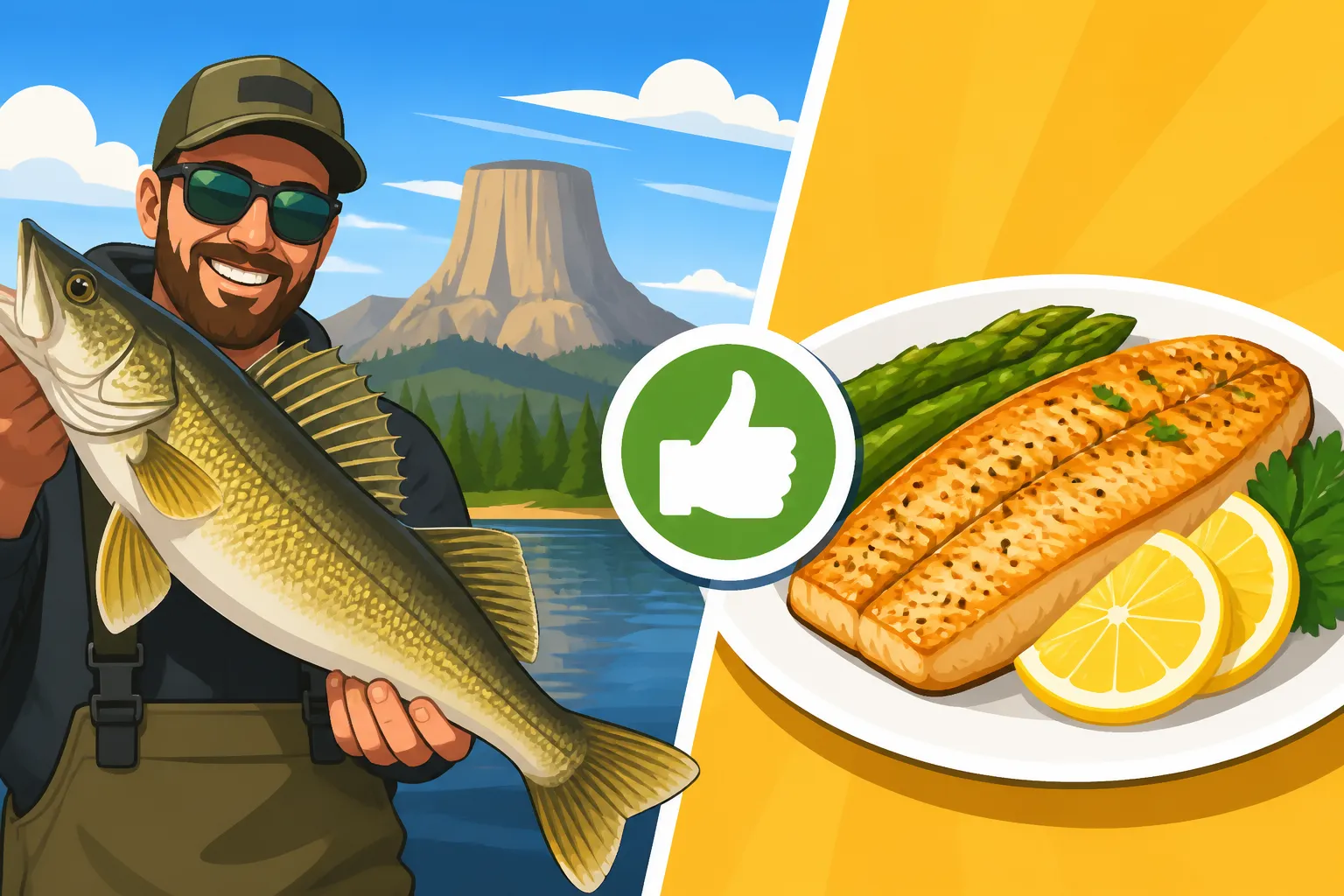
Let's cut right to the chase: yes, walleye are absolutely fantastic to eat. In fact, many seasoned anglers and professional chefs alike consider them among the very best freshwater fish for consumption. They've earned this reputation for several key reasons that set them apart from many other species you might catch in Wyoming.
The Signature Flavor Profile: Mild, Sweet, and Clean
One of the most appealing aspects of walleye is their incredibly mild flavor. Unlike some fish that can have a "fishy" or strong taste, walleye offers a clean, almost sweet profile that appeals to a wide range of palates, even those who might be hesitant about eating fish. This subtle sweetness comes through whether you're pan-frying, baking, or grilling. It’s not overpowering, allowing the natural deliciousness of the fish to shine. This mildness also makes them incredibly versatile, as they pair well with a vast array of seasonings and cooking styles without getting lost in the sauce. For families or those introducing newcomers to fishing, walleye is often a home run because of its approachable taste.
The Exquisite Texture: Flaky and Firm
Beyond flavor, the texture of walleye is truly exceptional. When cooked properly, the flesh is wonderfully flaky, breaking apart easily with a fork, yet it remains firm enough to hold its shape beautifully. It's not mushy, nor is it tough. This delicate flakiness is a hallmark of good walleye, providing a satisfying mouthfeel that’s both tender and substantial. The flesh is typically white and opaque, which also contributes to its clean and appealing presentation on the plate. There’s nothing worse than biting into a fish that’s too watery or falls apart into an unappetizing pile, and walleye generally avoids these pitfalls.
Low Fat Content and Versatility in the Kitchen
Walleye is a lean fish, meaning it has a relatively low fat content. This not only contributes to its clean flavor but also makes it a healthy choice. The lean nature of the meat means it cooks up quickly and can be prepared in countless ways. Whether you prefer a simple dredge in seasoned flour and a quick pan-fry, a delicate bake with herbs and lemon, or even a bolder grilling approach, walleye holds up incredibly well. It’s a fish that encourages experimentation in the kitchen because it's so forgiving and delicious. You can find all sorts of specialized cooking tools and even cookbooks dedicated to freshwater fish on a platform like Amazon, which can help you explore new recipes and preparation methods.
What Influences the Taste of Walleye?
While walleye generally have an excellent reputation, not every walleye tastes exactly the same. Just like any wild game, several factors can subtly influence the flavor and texture of the fish you reel in. Understanding these can help you better appreciate your catch and even inform where and when you decide to target them.
Water Quality and Habitat
The environment a walleye lives in plays a huge role in its taste. Fish from clean, clear, cold waters typically have a superior flavor. These waters are often rich in oxygen and provide a pristine habitat, leading to fish that taste cleaner and less "muddy." Conversely, walleye caught from warmer, murkier, or stagnant waters can sometimes develop a slightly stronger, more earthy, or even muddy flavor.
In Wyoming, we are fortunate to have many high-quality reservoirs that produce excellent-tasting walleye. Waters like Boysen Reservoir or Glendo Reservoir, while not always crystal clear, are generally well-managed fisheries with healthy ecosystems, which translates to good-eating fish. The diet of the fish within these different habitats also plays a significant part. If you're wondering What Walleye Eat in Wyoming Lakes, you'll find their diet of baitfish contributes to their firm, white flesh.
Diet of the Fish
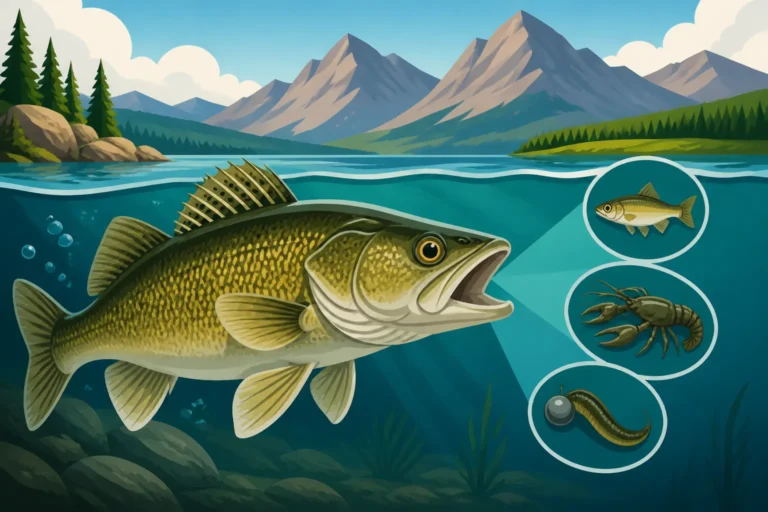
What a walleye eats directly impacts its flesh. Walleye are predators, primarily feeding on smaller baitfish like perch, shad, and minnows. This high-protein diet, rich in other fish, contributes to their firm, white, and clean-tasting meat. Fish that consume a diet dominated by insects or algae might have a different flavor profile. The consistency of their diet across a healthy ecosystem, like those found in Wyoming, helps maintain that desirable taste. If they're feeding on abundant, healthy forage, their meat quality tends to be exceptional.
Size and Age of the Walleye
Generally, medium-sized walleye are considered the best for eating. This typically means fish in the 15-20 inch range. These fish are large enough to yield good fillets but are often younger and have more tender, milder-tasting flesh. Very large, older walleye, sometimes referred to as "trophy" fish, can sometimes have a slightly coarser texture and a more pronounced flavor. This isn't to say they aren't still good, but many anglers find the younger, mid-sized fish to be at their peak culinary quality. Remember to always check Wyoming Fishing Regulations Every Angler Should Know before keeping any fish, as size and bag limits can vary by water.
Handling and Preparation After the Catch
Perhaps one of the most critical factors influencing how good your walleye tastes isn't about where it came from, but how you treat it immediately after it's caught. Poor handling can quickly diminish the quality of even the best-tasting fish.
- Bleeding the Fish: Many experienced anglers advocate for bleeding a walleye immediately after catching it. This involves cutting the gills to allow the blood to drain out. This practice helps to remove any "gamey" flavors and results in cleaner, whiter fillets.
- Keeping it Cold: Get your fish on ice as quickly as possible. This is paramount. A quality cooler packed with plenty of ice will preserve the freshness of the fish, slowing down bacterial growth and preventing the flesh from degrading. Warm fish quickly turns mushy and develops off-flavors.
- Filleting Properly: A clean, efficient fillet job minimizes waste and helps maintain the integrity of the meat. If you're new to filleting, there are many guides online, or you can even refer to tips found in articles like How to Fillet a Trout for the First Time, as many of the principles apply. Sharp fillet knives, which you can find readily on Amazon, make a world of difference.
Maximizing the Deliciousness: Best Practices for Cooking Walleye
So, you've caught your walleye, handled it with care, and now you're ready to cook. How do you ensure that incredible flavor and flaky texture truly shine? It's often simpler than you think, and a few basic techniques can elevate your walleye dinner from good to gourmet.
Simple Pan-Frying: The Classic Approach
Pan-frying is arguably the most popular and often the best way to prepare walleye. It's quick, easy, and allows the natural flavor of the fish to be the star.
- Preparation: Pat your walleye fillets dry with paper towels. This is crucial for achieving a crispy crust. You can season them simply with salt, pepper, and a little garlic powder, or go for a classic dredge in seasoned flour, cornmeal, or even a breadcrumb mixture.
- Cooking: Heat a skillet (cast iron works wonderfully) over medium-high heat with a neutral oil like canola or vegetable oil, or a combination of oil and butter for extra richness. Once hot, place the fillets in the pan, being careful not to overcrowd it. Cook for 2-4 minutes per side, depending on thickness, until the crust is golden brown and the flesh is opaque and flakes easily with a fork. Don't overcook!
- Serving: Serve immediately with a squeeze of fresh lemon, a side of wild rice, or perhaps some freshly steamed vegetables. It's a simple, perfect meal.
Baking and Broiling for a Lighter Touch
If you're looking for a lighter, healthier option, baking or broiling walleye fillets can be incredibly delicious. This method requires less oil and still results in tender, flaky fish.
- Baking: Preheat your oven to around 400°F (200°C). Place your seasoned fillets on a lightly greased baking sheet. Drizzle with a little olive oil or melted butter, a sprinkle of fresh herbs like dill or parsley, and a few lemon slices. Bake for 10-15 minutes, or until the fish is cooked through and flakes easily.
- Broiling: For a quicker method with a bit of a crust, preheat your broiler. Place seasoned and lightly oiled fillets on a broiler-safe pan. Broil 4-6 inches from the heat source for 5-8 minutes, watching carefully to prevent burning, until cooked and lightly browned.
Grilling for a Smoky Flavor
Grilling walleye can impart a wonderful smoky flavor, especially if you're using a charcoal grill or wood chips. Thicker fillets work best for grilling to prevent them from falling apart.
- Preparation: Brush your fillets with olive oil and season well. Consider using a fish basket or wrapping them in foil to prevent sticking and breakage, especially if they are thinner.
- Cooking: Grill over medium-high heat for about 3-5 minutes per side, depending on thickness, until cooked through. The subtle char from the grill adds a fantastic dimension to the walleye's mild flavor. Remember that the delicate texture of walleye means quick cooking times, so avoid walking away from the grill for too long.
Other Popular Preparations
Beyond the classics, walleye is incredibly versatile. You can make fantastic fish tacos, using crispy pan-fried walleye nestled in tortillas with fresh salsa and slaw. It's also excellent in a fish fry, with a light batter or breading, served with fries and coleslaw. Some even use walleye for ceviche or fish sandwiches. The key is to start with a fresh, well-handled fish and avoid overcooking, which is the quickest way to ruin any fish. For tools to make any of these preparations easier, from specialty spatulas to marinades, Amazon can be a great resource.
| Cooking Method | Best For | Flavor/Texture Profile | Tips |
|---|---|---|---|
| Pan-Frying | Quick meals, crispy exterior | Flaky, tender, mild with a savory crust | Pat dry, use medium-high heat, don't overcrowd the pan. |
| Baking | Healthier option, delicate flavor | Moist, tender, mild, infused with herbs | Add lemon slices and fresh herbs, bake until opaque. |
| Broiling | Quick, slight char, light crust | Slightly caramelized exterior, moist interior | Keep close eye on it to prevent burning, use a broiler-safe pan. |
| Grilling | Smoky flavor, outdoor cooking | Flaky, firm, mild with smoky notes | Use a fish basket or foil, oil well to prevent sticking. |
| Deep-Frying | Classic fish fry, crispy batter | Crispy exterior, very tender interior | Use a light batter, maintain oil temperature, drain well. |
Walleye Fishing in Wyoming: Finding Your Next Meal
Wyoming offers some fantastic opportunities for walleye fishing, and it's certainly worth the pursuit if you're keen on bringing home some excellent table fare. While our state is often celebrated for its trout fisheries, don't overlook the potential for a delicious walleye dinner from our reservoirs.
Top Walleye Waters in Wyoming
When it comes to walleye, certain Wyoming waters stand out. Reservoirs like Boysen, Glendo, and Keyhole are well-known for their healthy walleye populations. Best Wyoming Reservoirs for Walleye dives deeper into these hotspots. These waters offer not only a chance at catching fish but also the kind of environment that helps produce good-tasting walleye. They have ample forage, and while they can experience seasonal changes in water conditions, they consistently yield quality fish.
- Boysen Reservoir: Located near Shoshoni, Boysen is probably Wyoming's most famous walleye fishery. The fish here are abundant and often in excellent condition.
- Glendo Reservoir: Down in southeastern Wyoming, Glendo is another popular spot, known for its consistent walleye bite and good-sized fish.
- Keyhole Reservoir: In the northeastern part of the state, Keyhole offers a different experience, often with good numbers of smaller, pan-sized walleye that are perfect for a meal.
Wyoming's Waters and Walleye Quality
The specific conditions in Wyoming's reservoirs contribute greatly to the quality of our walleye. Many are high-desert impoundments, with varied water clarity and temperature swings throughout the year. Generally, the fish caught from these waters are robust and healthy. If you're planning a trip, consider the time of year. Walleye can be caught year-round, including during the hard-water season. If you're interested in Ice Fishing in Wyoming: A Complete Guide, you might find that walleye from cold water can be particularly firm and flavorful.
Remember that while walleye fishing can be challenging, the reward of a fresh, delicious meal makes it incredibly worthwhile. Equipping yourself with the right gear, understanding the local regulations, and employing good handling practices will ensure that your Wyoming walleye experience is both successful and exceptionally tasty. You can find everything from specialized walleye jigs to insulated fish bags on Amazon to help enhance your fishing and culinary adventure.
In conclusion, if you've been on the fence about trying walleye, take the plunge! It's an incredibly delicious fish that consistently earns high marks for its mild flavor, flaky texture, and versatility. With a little care from the moment it leaves the water to the moment it hits your plate, a Wyoming walleye can easily become one of your favorite meals.
Disclaimer
This article is for general informational purposes only and does not constitute professional advice. Laws, prices and regulations vary by location and change over time. Consult a qualified professional for guidance on your specific situation.