Best Waters for Catfish in Wyoming
If you're like many folks, when you think about fishing in Wyoming, your mind probably jumps straight to those magnificent trout. And for good reason – our trout streams and lakes are legendary! But here's a little secret: overlooking the humble catfish means missing out on some seriously fun, hard-fighting, and absolutely delicious angling experiences that are just waiting to be discovered. This guide is all about shining a spotlight on Wyoming's best catfish waters, helping you find those whiskered beauties and enjoy a different kind of fishing adventure.
The Surprising Appeal of Catfish in Wyoming
It's true, Wyoming is a trout paradise. Anglers travel from all over the world to cast a line for our native cutthroat, feisty rainbows, and trophy browns. But what if I told you there's a whole other world of fishing that offers a different kind of thrill, often with less pressure and more opportunities for a relaxed, productive day on the water? That's where Wyoming's catfish come into play.
Beyond the Trout Stereotype: Why Catfish Matter Here
For many anglers, especially those new to the sport or looking for a more laid-back experience, catfish offer an incredibly rewarding pursuit. They're often abundant, can grow to impressive sizes, and pound-for-pound, they put up a fantastic fight. When you hook into a big channel cat, you'll know it! They pull hard, dive deep, and truly test your tackle. Plus, let's be honest, catfish are fantastic table fare. Smoked, fried, or grilled, a fresh catfish fillet from Wyoming's clean waters is a treat that rivals any trout. This type of fishing also tends to be more accessible, with many excellent spots reachable by vehicle, meaning less strenuous hiking and more time fishing. It's a great option for families, too, as the action can be steady, keeping younger anglers engaged.
Identifying Wyoming's Catfish Species
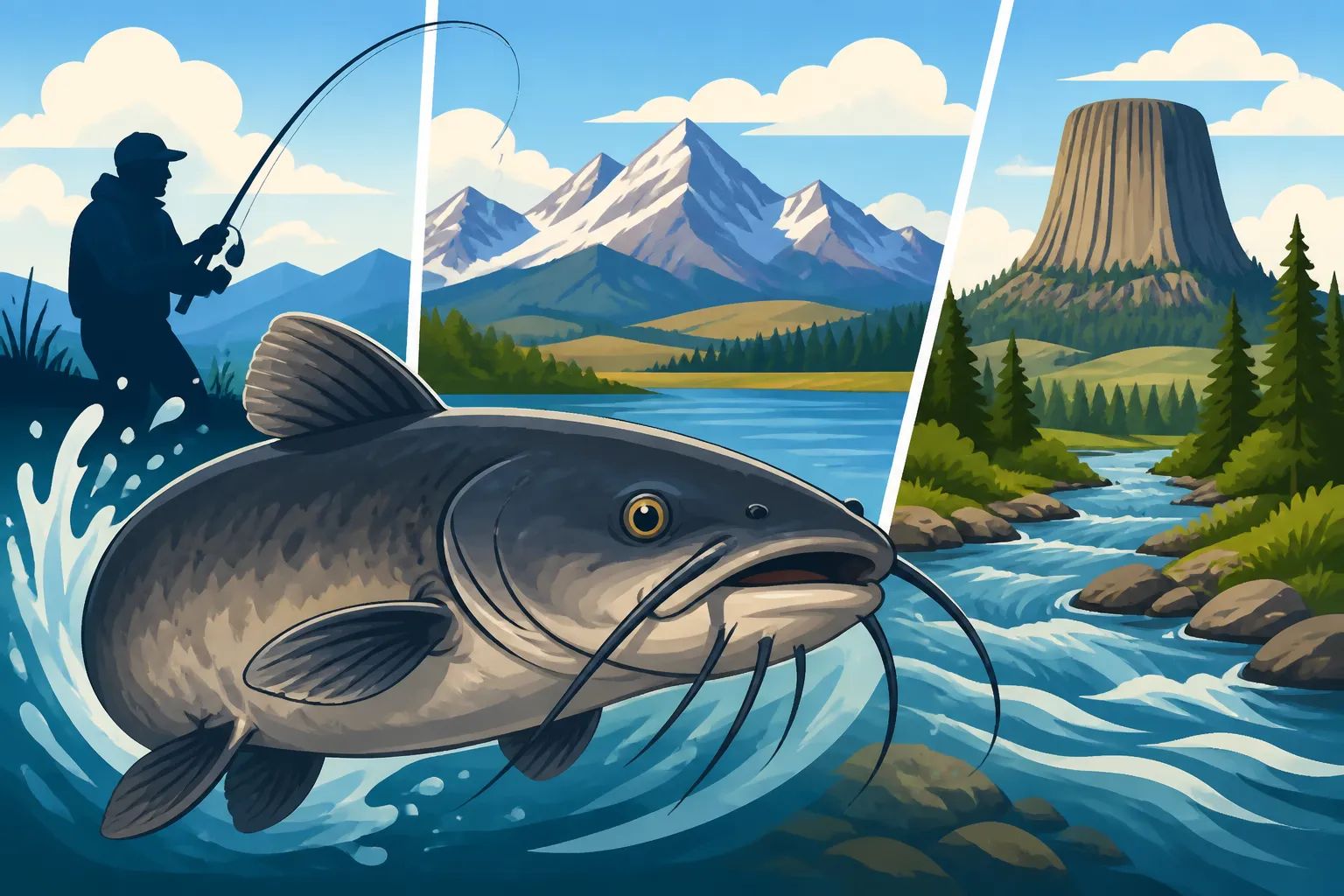
While there are several species of catfish across North America, in Wyoming, when we talk about catfish fishing, we're almost exclusively talking about the Channel Catfish (Ictalurus punctatus). These are the beauties with smooth, scaleless skin, long whiskers (barbels), and a deeply forked tail. They typically have a brownish-olive back that fades to silvery sides and a white belly. Younger channel cats often have dark spots on their bodies, which tend to fade as they get older. While they might not have the flashy colors of a rainbow trout, their robust build and sheer power make them unmistakable. They thrive in warmer, slower-moving waters, which is why our reservoirs and bigger, slower river sections are prime habitat for them. You might also encounter bullheads, another type of catfish, but they are generally much smaller and less frequently targeted by dedicated catfishing enthusiasts in Wyoming. Learning to distinguish between Identifying a Yellowstone Cutthroat Trout and a Channel Catfish is key to understanding the diverse fish populations we have.
Top Catfish Waters in Wyoming
So, where do you find these whisker-faced wonders? While many small ponds and slower river stretches might hold catfish, some waters truly stand out for their consistent populations and potential for bigger catches. Wyoming's reservoir systems, in particular, offer fantastic opportunities for targeting channel cats.
Key Reservoirs Known for Robust Catfish Populations
Wyoming's reservoirs, with their vast expanses of warmer water, provide ideal conditions for channel catfish to thrive. These aren't just trout factories; they're bustling catfish communities!
Boysen Reservoir
Boysen Reservoir, located near Shoshoni in central Wyoming, is probably one of the most celebrated catfish destinations in the state. It's a huge body of water, offering diverse habitats, from shallow, muddy flats to rocky points and deeper channels. Anglers consistently pull out good numbers of channel catfish here, with many fish in the 2-5 pound range, and bigger ones pushing into the teens. The warmer months, particularly late spring through early fall, are prime time. Night fishing can be especially productive, as catfish are primarily nocturnal feeders. Look for areas with submerged timber or rocky structure, or the calmer bays and inlets where baitfish congregate. The Wind River arm of the reservoir can be particularly good. Many folks find success from the bank, but boat access opens up even more prime spots. You might also find yourself Jigging for Walleye at Boysen Reservoir or targeting sauger while you're there.
Glendo Reservoir
Further south, near the town of Glendo, lies Glendo Reservoir, another fantastic spot for catfish. This reservoir is known for its fluctuating water levels, which can create interesting new structures and feeding zones for fish. Glendo's warmer waters are a haven for channel catfish, and similar to Boysen, fish in the 3-6 pound range are common, with trophies certainly possible. The reservoir also has abundant baitfish, contributing to healthy catfish growth. Shoreline access is good in many areas, particularly around the state park, and boaters can explore countless coves and points. Focusing on deeper holes near channel edges or areas where the current breaks can be highly effective. The best season to hit Glendo for catfish aligns with the warmer months, often with hot action well into the evening hours. Glendo also offers excellent Best Season to Fish Glendo Reservoir opportunities for other species.
Keyhole Reservoir
Up in the northeastern corner of Wyoming, near Moorcroft, you'll find Keyhole Reservoir. This scenic reservoir, nestled in the Black Hills region, is another sleeper hit for catfish. While perhaps not as renowned statewide as Boysen or Glendo for its catfish, Keyhole holds a healthy population of respectable channel cats. The lake offers numerous coves and bays that warm up nicely in the summer, creating ideal shallow-water feeding grounds. Look for areas with soft bottoms or moderate structure. Anglers often find success near the dam or in the quieter arms of the reservoir. Keyhole provides a more secluded catfishing experience compared to some of the larger, busier reservoirs. When Fishing Keyhole Reservoir for Walleye and Crappie, don't be surprised to hook into a bonus catfish!
River Systems with Hidden Catfish Gems
While reservoirs are often the go-to, don't discount Wyoming's larger river systems, especially their lower, slower-moving sections. These can hold excellent populations of channel catfish, particularly where they meander through plains and accumulate sediment.
Bighorn River
The Bighorn River, particularly downstream from Boysen Reservoir, offers some solid catfishing. As the river leaves the reservoir and flows north, it takes on a more placid character in sections, with deeper pools and undercut banks that provide perfect ambush points for catfish. While the upper stretches are famous for trout (and rightfully so, Is the Bighorn River Good for Wyoming Fly Fishing is a common question!), the lower, warmer sections are where you're more likely to encounter channel cats. Look for slow-moving eddies, deep bends, and areas with woody debris. Access can be a bit more challenging than on reservoirs, often requiring scouting or local knowledge, but the reward can be worth it.
Powder River
The Powder River, flowing through northeastern Wyoming, is another river that holds channel catfish, particularly in its middle and lower reaches. This river is known for its silty, slow-moving character, which provides prime habitat for catfish. While it's not a trophy catfish destination like some southern rivers, it offers consistent action for smaller to medium-sized channel cats. Access can be limited to bridge crossings or public lands, so a little research into Public Fishing Access on the Snake River Near Jackson and similar access points for the Powder River is a good idea. Focus on the deepest holes you can find, especially near cover like fallen trees or brush piles.
Gear and Techniques for Wyoming Catfish
You don't need highly specialized, expensive gear to catch catfish in Wyoming, but having the right setup can definitely improve your success and enjoyment. It's all about being prepared for a strong fight and getting your bait where the fish are.
Essential Catfish Gear: Rods, Reels, and Terminal Tackle
Catfish aren't known for their subtle bites; they hit hard and fight dirty! That's why sturdy gear is your best friend.
Rods and Reels
For channel catfish in Wyoming, I recommend a medium-heavy to heavy-action spinning or baitcasting rod, typically 6 to 8 feet long. This gives you the backbone to handle larger fish and cast heavier baits and weights. Pair that with a robust reel capable of holding at least 150-200 yards of 15-30 pound monofilament or braided line. Braided line offers superior strength and sensitivity, which can be helpful when detecting those subtle bites in deeper water. You can find some excellent, affordable rod and reel combos perfectly suited for catfish on Amazon. Look for brands that offer durability without breaking the bank.
Hooks, Weights, and Swivels
Your terminal tackle is crucial. Catfish have tough mouths, so sharp, strong hooks are a must. Circle hooks are a fantastic choice, as they typically hook the fish in the corner of the mouth, making for easy removal and safer catch-and-release (if that's your goal). Sizes 2/0 to 6/0 are usually appropriate, depending on the bait size. You'll need an assortment of weights (sinkers) to get your bait down to the bottom and hold it there against current or wind. Bank sinkers or flat, no-roll sinkers are popular choices, ranging from 1/2 ounce to 2 ounces or more. Finally, quality barrel swivels prevent line twist, especially when using cut bait that might spin in the current. You can stock up on all these essentials on Amazon before your trip.
Best Baits and Rigging Strategies
Catfish are opportunistic scavengers, which means they're not picky! This is where the fun and sometimes smelly part of catfishing comes in.
Go-To Catfish Baits
When it comes to bait, the smellier, the better often holds true for catfish. Here are some proven favorites:
- Cut Bait: Fresh or frozen cut bait is a top contender. Use oily fish like suckers, carp, or even small pieces of dead shad (check local regulations for baitfish use). Cut them into strips or chunks about 1-2 inches long. The scent trail they release is irresistible to catfish.
- Chicken Livers: A classic for a reason! They're incredibly smelly and effective. The downside is they're soft and can be difficult to keep on the hook. Using a bait holder hook or wrapping them with a bit of thread can help.
- Stink Baits/Prepared Baits: There's a wide array of commercially available stink baits, dough baits, and punch baits designed specifically for catfish. These often come in jars and are super easy to use, though they can be quite pungent to handle. You can find many varieties on Amazon.
- Worms: Good old nightcrawlers and other worms work, especially for smaller channel cats or bullheads. A big wad of worms can be effective.
- Shrimp: Frozen shrimp from the grocery store, allowed to thaw and get a bit stinky, can be surprisingly effective bait for channel catfish.
Simple and Effective Rigging Strategies
Keeping your rig simple is often the best approach for catfish.
- Bottom Rig (Carolina Rig Variation): This is probably the most popular and effective rig. Slide an egg sinker (or a no-roll sinker) onto your main line, followed by a bead (to protect your knot), then tie on a barrel swivel. To the other end of the swivel, tie a leader of 12-24 inches (fluorocarbon or monofilament, slightly lighter than your main line in case of snags) and finally, your hook. This rig allows the fish to pick up the bait and move away without feeling the weight of the sinker, leading to more confident bites.
- Slip Bobber Rig: If you're fishing over structure or at a specific depth and want to keep your bait suspended, a slip bobber rig is a great option. This involves a bobber stop, a bead, a slip bobber, another bead, and then your line tied to a swivel with a short leader and hook. You can add a split shot or small weight to the leader to get the bait down. This is particularly useful in rivers or when fishing near submerged brush piles in reservoirs.
Practical Tips for a Successful Catfish Outing
Now that you've got the gear and bait sorted, let's talk about putting it all together for a great day (or night!) on the water. Catfishing in Wyoming is generally a relaxed affair, but a few strategic choices can make all the difference.
When and Where to Find Them: Seasonal and Daily Patterns
Understanding catfish behavior will significantly boost your success rate. They aren't always active, but when they are, they're usually hungry.
The Warm Season Advantage
Channel catfish thrive in warmer water, so the late spring, summer, and early fall months are your prime time in Wyoming. As water temperatures rise into the 70s Fahrenheit, catfish become much more active and feed aggressively. During the hottest parts of summer, they'll often retreat to deeper, cooler water during the day, but then move into shallower areas to feed as the sun sets and temperatures drop. For specific patterns, consult resources like Wyoming Fishing Seasons Month by Month to align your trip with peak catfish activity.
Night Owls of the Water
This is perhaps the biggest secret to consistent catfish success: night fishing. Channel catfish are primarily nocturnal feeders. As dusk turns to dark, they become incredibly active, using their keen sense of smell to hunt for food. Setting up your rods before sunset and fishing through the evening or even into the early morning hours can be incredibly rewarding. Make sure you have headlamps, bug spray, and perhaps some glow sticks for your rod tips or bobbers to detect bites in the dark.
Structure and Bottom Composition are Key
Catfish love structure and soft, muddy bottoms. In reservoirs, look for:
- Channels and Creek Beds: Old river or creek channels that are now submerged are superhighways for catfish. Fish along the edges.
- Submerged Timber and Brush Piles: These offer cover and ambush points.
- Rocky Points and Humps: Areas where baitfish congregate, drawing in the catfish.
- Mud Flats: Especially in shallower bays that warm up, catfish will cruise these areas after dark.
In rivers, focus on:
- Deep Pools and Runs: Where the current slows, allowing catfish to conserve energy.
- Undercut Banks: Excellent hiding spots and ambush points.
- Log Jams and Woody Debris: Catfish love to hide in and around these.
Before you head out, it's always smart to check the latest regulations. Knowing How Wyoming Sets In-Season Emergency Closures and checking for any water-specific rules can save you a lot of trouble.
Handling Your Catch and Safety Considerations
Bringing in a feisty channel cat is exciting, but handling them correctly ensures safety for both you and the fish.
Safe Handling of Catfish
Channel catfish have sharp dorsal and pectoral fins that can deliver a painful "poke" if you're not careful. These spines are part of their defense mechanism, and while not venomous in channel cats, they can certainly break the skin and cause discomfort.
- Gloves: Many experienced catfishermen wear sturdy gloves to protect their hands.
- Lip Grips: A good pair of fish lip grips can help you control the fish without touching its body.
- Net: A wide-mouthed net is useful for landing larger fish, especially from a boat or high bank.
- Careful Grip: If you're handling a catfish without tools, grasp it firmly from the top, just behind the pectoral fins, pressing the fins flat against its body. Or, for smaller fish, you can securely grip its lower jaw, being mindful of your fingers if using this method.
Release or Harvest
If you plan to release the fish, handle it as little as possible and get it back into the water quickly. Circle hooks help ensure a mouth hook-up, making release easier. If you plan to harvest your catch (and you absolutely should, they're delicious!), make sure you are aware of Wyoming's Combined Possession Limit Explained and any specific regulations for the water body you are fishing. Keep your fish on ice immediately to maintain freshness and quality.
Wyoming's Top Catfish Waters at a Glance
To help you plan your next catfishing adventure, here's a quick overview of the prime locations:
| Water Body | Location | Primary Catfish Species | Typical Size Range (lbs) | Best Fishing Times | Key Features for Catfish |
|---|---|---|---|---|---|
| Boysen Reservoir | Central Wyoming | Channel Catfish | 2-10+ | Late Spring – Early Fall, Night | Large, diverse, many coves, submerged structure |
| Glendo Reservoir | SE Wyoming | Channel Catfish | 3-8+ | Summer, Night | Fluctuating levels create new spots, good shoreline access |
| Keyhole Reservoir | NE Wyoming | Channel Catfish | 1-5 | Summer, Night | Quieter bays, soft bottoms, scenic backdrop |
| Bighorn River | North-Central WY | Channel Catfish | 1-6 | Summer, Evening | Slower, lower stretches, deep bends, woody debris |
| Powder River | NE Wyoming | Channel Catfish | 1-4 | Summer, Evening | Silted, slow-moving sections, deep holes near cover |
Remember, fishing reports can vary, so it's always a good idea to check with local bait shops or the Wyoming Game and Fish Department for the most current conditions before heading out.
Catfishing in Wyoming offers a fantastic change of pace from the usual trout pursuits. It's a chance to explore different waters, use different techniques, and bring home a delicious meal. So next time you're planning a fishing trip, consider giving those whiskered warriors a try! You might just find a new favorite kind of fishing in the Cowboy State. Before you head out, make sure you know Carrying Your Wyoming Fishing License in the Field requirements. If you're interested in other species, take a look at our guide on Wyoming's Most-Caught Game Fish.
Disclaimer
This article is for general informational purposes only and does not constitute professional advice. Laws, prices and regulations vary by location and change over time. Consult a qualified professional for guidance on your specific situation.