Guided Fishing Trips in Yellowstone National Park, Wyoming
Yellowstone National Park is a dream destination for many anglers, but navigating its unique fishing landscape can feel like trying to untangle a particularly stubborn knot in your leader line. The rules are intricate, the waters are vast, and knowing whether a guided trip is truly worth it—or even permitted—can be a huge source of confusion. This comprehensive guide will untangle those knots, breaking down everything you need to know about embarking on a guided fishing trip within the iconic waters of Yellowstone National Park, specifically focusing on the Wyoming sections, to help you plan a successful and stress-free adventure.
Understanding Yellowstone's Unique Fishing Regulations
Fishing inside Yellowstone National Park isn't like fishing anywhere else in Wyoming. The park operates under its own distinct set of regulations, overseen by the National Park Service (NPS), which are designed to protect its unique ecosystems and native fish species. Ignoring these rules, even unknowingly, can lead to serious consequences, and that's precisely where the value of understanding these nuances, and potentially hiring a guide, truly shines.
Why Yellowstone Rules Are Different
The primary reason Yellowstone's fishing rules stand apart is the park's unwavering commitment to conservation and the preservation of native species, particularly the Yellowstone Cutthroat Trout. These fish are an integral part of the park's food web, providing crucial sustenance for grizzly bears, osprey, and bald eagles. Unfortunately, non-native species, especially Lake Trout (Mackinaw), have been illegally introduced into Yellowstone Lake, posing a significant threat to the native cutthroat population. This delicate ecological balance means the NPS takes a very hands-on approach to managing the fisheries, resulting in specific, often stringent, regulations that differ from those you'd find just outside the park boundaries.
Beyond the native species protection, the sheer volume of visitors and the fragile nature of the park's environment necessitate strict guidelines. You're not just fishing; you're participating in an ecosystem that's under constant scrutiny and protection. These rules encompass everything from what kind of bait you can use, to the type of hooks, to mandatory catch-and-release zones, and even how you transport your gear to prevent the spread of aquatic invasive species. It's a lot to keep straight, even for seasoned anglers, and the stakes are much higher given the park's status as a national treasure.
Key Regulations Impacting Guided Trips
For anyone considering a guided trip, or even fishing independently, it's absolutely crucial to understand the core regulations. First and foremost, you need a specific Yellowstone National Park fishing permit, not a Wyoming state fishing license. These permits are typically inexpensive and are available at visitor centers, ranger stations, or local authorized vendors within and near the park. A common point of confusion is believing your Wyoming license covers you; it absolutely does not within park boundaries. You'll also need to be familiar with catch limits, which species are targeted for removal (like Lake Trout), and which are strictly catch-and-release.
Another significant regulation is the "clean, drain, dry" protocol for all boats and gear entering the park to prevent the spread of aquatic invasive species. This is not a suggestion; it's a mandatory requirement that guides are intimately familiar with and will help you adhere to. Furthermore, many areas within the park, especially certain rivers and streams, have barbless hook requirements, and the use of live bait is almost universally prohibited. Knowing these rules beforehand is not just about avoiding fines; it's about being a responsible steward of this incredible natural resource. Understanding these rules is a critical first step, and a good guide will be your expert resource on all of them. For a deeper dive into the specifics, check out What License You Need to Fish Inside Yellowstone.
Do You Actually Need a Guide in Yellowstone?
The thought of exploring Yellowstone's pristine waters with a fishing rod in hand is incredibly appealing. But with all the regulations and vastness of the park, a question naturally arises: is a guide truly necessary, or can you navigate it on your own? The answer often depends on your experience level, your specific goals, and how much you value local expertise and a stress-free experience.
When a Guide is Highly Recommended
If you're new to fishing in complex, regulated environments, or perhaps new to fly fishing entirely, a guide can be an invaluable asset. They bring an unparalleled level of local knowledge about current conditions, specific hatches, productive spots, and most importantly, how to navigate the park's intricate rules without a hitch. Imagine showing up to a river and spending precious hours trying to decipher the best approach, only to realize you're in a catch-and-release only zone using the wrong fly. A guide eliminates that guesswork, maximizing your time on the water actually fishing.
For those targeting specific species or seeking a trophy fish, a guide's expertise becomes even more critical. They know the seasonal movements of fish, understand their feeding patterns, and possess the specialized techniques required for success, whether that's nymphing a particular run for a native cutthroat or trolling for Lake Trout in the deep waters of Yellowstone Lake. They also handle the logistics, often providing all the necessary gear, setting up rigs, and even preparing lunch, allowing you to simply relax and focus on the joy of fishing. This level of support is especially beneficial for families or those who want to experience the best fishing possible without the logistical headaches. Consider reading Hiring a Fishing Guide in Wyoming for general information, as many principles apply here.
When You Might Not Need a Guide
On the flip side, if you're a highly experienced angler who has thoroughly researched Yellowstone's specific regulations, possess your own quality gear, and are comfortable with self-navigation, you might choose to explore on your own. Many experienced fly fishermen prefer the challenge of scouting new waters and figuring out the puzzle themselves. If your primary goal is simply to wet a line in a beautiful setting, rather than to target specific species or achieve high catch rates, a DIY approach can be very rewarding and more budget-friendly.
Furthermore, some of Yellowstone's more accessible waters, particularly those designated for general angling (with proper permit and adherence to rules), can be fished successfully by independent anglers with basic skills. For instance, some of the smaller streams might offer good opportunities for those looking for a casual experience. However, even seasoned anglers often find immense value in a guide for the first trip or two, just to get oriented and learn the local nuances before venturing out solo. It's about weighing convenience, local knowledge, and the desire for a highly productive fishing experience against the thrill of independent discovery.
Finding a Licensed and Permitted Yellowstone Fishing Guide
When it comes to fishing in Yellowstone National Park, securing a guide isn't as simple as picking a name out of a hat. Due to the park's unique status and strict regulations, guides operating within its boundaries must hold special permits. This isn't just a formality; it's a safeguard that ensures your guide is knowledgeable, operates legally, and adheres to the highest standards of safety and environmental stewardship.
The Importance of National Park Service Permits
Any guide or outfitter who leads fishing trips inside Yellowstone National Park must possess a Commercial Use Authorization (CUA) permit issued by the National Park Service. This permit signifies that they have met rigorous standards set by the park, including demonstrating knowledge of park regulations, having appropriate insurance, and adhering to environmental guidelines. Operating without such a permit is illegal for a guide and can put you, the angler, at risk. You might unknowingly participate in activities that violate park rules, or simply not receive the professional, informed experience you're paying for.
When you're researching potential guides, always confirm they hold a valid NPS CUA permit for Yellowstone. Don't be shy about asking for proof or checking their website for this information. Reputable guides will proudly display their credentials. This isn't just about legality; it's about ensuring your guide is an expert on Yellowstone's specific waters, conservation efforts, and the ever-changing rules. It ensures they are committed to protecting the very resource that provides their livelihood and your fishing adventure. For more on this, consult National Park Service Permits for Fishing Guides.
Where to Look for Reputable Outfitters
Finding a reputable, permitted guide involves a bit of homework. You can start by checking the National Park Service's official website, which often lists authorized commercial operators. Many fly shops and outdoor retailers in gateway towns like West Yellowstone (Montana side) or Gardiner (Montana side), and Cody or Jackson (Wyoming side) also have relationships with local Yellowstone-permitted guides. These shops can provide referrals and often have current information on fishing conditions and guide availability.
Online platforms can also be incredibly useful for connecting with guides. Websites like FishingBooker specialize in connecting anglers with licensed and vetted guides worldwide, including those operating with the necessary NPS permits in Yellowstone. These platforms often feature reviews, detailed profiles of guides, and clear information about the services offered, making it easier to compare options and ensure your chosen guide is legally authorized to operate within the park. Just be sure to double-check their specific Yellowstone credentials, as some guides may operate around the park but not inside it.
Questions to Ask Before Booking
Before you commit to a booking, have a list of questions ready. First, and as mentioned, confirm their valid NPS CUA permit for Yellowstone. Ask about their experience guiding specifically within the park – how many years, which rivers or lakes they specialize in, and their success rates for the species you're interested in. Inquire about what's included in the trip price: does it cover the park fishing permit, gear (rods, reels, flies), waders, lunch, and transportation within the park? It's essential to clarify these details to avoid any surprises.
You should also ask about their philosophy on catch-and-release, especially concerning native Yellowstone Cutthroat Trout, and their approach to ethical angling. Good guides prioritize the health of the fish and the ecosystem. Finally, discuss group size limits and cancellation policies, especially given Yellowstone's sometimes unpredictable weather. A clear understanding of these aspects upfront will ensure a smoother, more enjoyable, and compliant fishing experience. A great resource for general questions to ask any guide is Questions to Ask Before Booking a Wyoming Fishing Guide.
Types of Guided Fishing Experiences in Yellowstone
Yellowstone National Park offers a diverse range of fishing opportunities, from the iconic rivers winding through its valleys to the vast, deep waters of Yellowstone Lake. Correspondingly, guided trips are tailored to these varied environments and target species. Whether you prefer the intimacy of a wade trip or the expanse of a boat adventure, there’s likely a guided experience to match your angling aspirations.
Fly Fishing Wade Trips
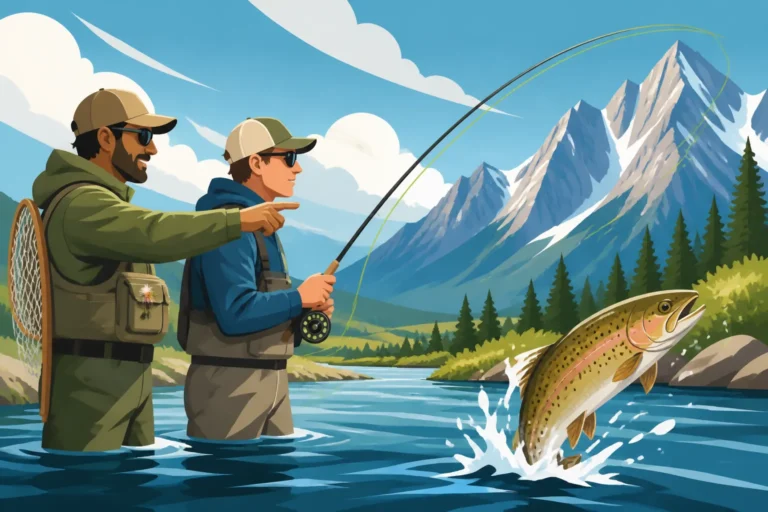
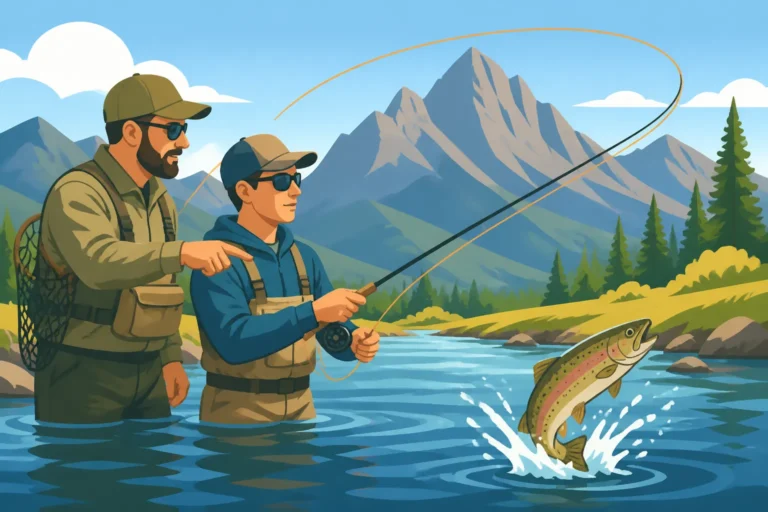
For many, fly fishing the pristine rivers and streams of Yellowstone is the quintessential experience. Wade trips involve accessing rivers on foot, often through stunning backcountry landscapes, allowing for a more intimate connection with the environment. Guides for these trips specialize in reading river currents, identifying prime holding water, and teaching proper casting and presentation techniques for native trout. You'll likely target species like the Yellowstone Cutthroat Trout, Rainbow Trout, and sometimes Brown Trout, depending on the specific water and regulations.
These trips are perfect for anglers who enjoy the challenge and artistry of fly fishing, or for beginners looking to learn the ropes in a world-class setting. Your guide will typically provide all necessary fly-fishing gear, including waders, boots, rods, and a selection of local fly patterns, ensuring you're perfectly equipped for the conditions. They'll also navigate you to the most productive and often less-pressured stretches of water, making the most of your day. It’s an immersive experience, combining the thrill of the catch with breathtaking scenery.
Lake Fishing with Guides (Yellowstone Lake focus)
Yellowstone Lake, the largest high-elevation lake in North America, presents a different kind of guided fishing adventure. Here, the focus often shifts to boat-based fishing, primarily targeting the prolific Lake Trout (Mackinaw). While native Yellowstone Cutthroat Trout are present, NPS regulations strongly encourage the harvest of Lake Trout to protect the declining native cutthroat population. This makes for a unique guided experience where keeping your catch is not only allowed but encouraged. Hiring a Guide for Yellowstone Lake in Wyoming delves into this further.
Guided trips on Yellowstone Lake utilize specialized boats equipped for trolling, jigging, or downrigging in deep waters. Guides know the lake's vast depths, where Lake Trout congregate, and the most effective techniques to entice these large, predatory fish. This is a fantastic option for those who enjoy boat fishing, want the chance to catch larger fish, and are keen to contribute to the park's conservation efforts by removing non-native species. These trips often last a full day, providing ample opportunity to explore the lake's beauty while pursuing its most abundant game fish. You'll likely launch from locations like the Bridge Bay Marina or Grant Village.
Specialized Lake Trout Removal Trips
As mentioned, the presence of non-native Lake Trout in Yellowstone Lake is a significant ecological concern. To combat their impact on native Yellowstone Cutthroat Trout, the park actively promotes and even subsidizes Lake Trout removal efforts. This has led to the emergence of specialized guided Lake Trout removal trips, which are a fantastic way to combine a rewarding fishing experience with a direct contribution to conservation.
On these trips, guides will lead you to the most productive areas for Lake Trout, focusing on maximizing your catch. Unlike many other guided trips where catch-and-release is standard, these trips emphasize harvesting every Lake Trout caught. Anglers can feel good about helping the park's ecosystem while also enjoying excellent fishing. It's a unique opportunity to directly support Yellowstone's native fish populations, and guides specializing in these trips are passionate about both fishing and conservation. For more details, explore Is Helping Remove Lake Trout From Yellowstone Lake a Guided Trip Option?.
What to Expect on a Yellowstone Guided Fishing Trip
Embarking on a guided fishing trip in Yellowstone is an adventure, but knowing what to expect can help you prepare and maximize your enjoyment. These trips are designed to be comprehensive, but a little understanding of the logistics and ethical considerations goes a long way.
Gear, Logistics, and What's Included
Most reputable Yellowstone fishing guides provide a significant amount of the necessary gear. For fly fishing wade trips, this typically includes quality fly rods, reels, appropriate lines, a vast selection of flies matched to current hatches, and often waders and wading boots. This is a huge benefit, especially if you're traveling and don't want to haul your own bulky equipment or if you're new to the sport and don't own specialized gear. On lake fishing trips, guides will supply the boat, all the trolling and jigging equipment, and often bait or lures designed for Lake Trout.
Beyond the fishing tackle, guides usually take care of other crucial logistics. This might involve packing a hearty streamside lunch, providing snacks and drinks, and arranging transportation to and from the most productive fishing locations within the park. They also handle the navigation and interpretation of park regulations on your behalf. However, you'll generally be responsible for your own personal items like sunscreen, sunglasses, rain gear (always a good idea in Yellowstone!), a hat, and your Yellowstone National Park fishing permit. Always confirm the exact inclusions with your specific guide before your trip. The more prepared you are, the more you can simply relax and fish.
Catch and Release Ethics and Practices
While Lake Trout removal trips encourage harvest, most other guided fishing in Yellowstone, particularly for native species like the Yellowstone Cutthroat Trout, operates under strict catch-and-release protocols. Your guide will be an expert in safe handling techniques to ensure the fish's survival after release. This includes minimizing the time the fish is out of water, using wet hands to handle them, and supporting their weight properly. They'll emphasize the importance of using barbless hooks (often required by regulation) to reduce harm.
It's not just about compliance; it's about respecting the fish and the delicate ecosystem. A good guide will explain the ecological significance of each species and why these practices are so vital. If you're new to catch-and-release, this is an excellent opportunity to learn best practices from a professional. The goal is to provide a memorable fishing experience while ensuring the health and sustainability of Yellowstone's cherished fish populations for future generations. This commitment to conservation is a cornerstone of fishing within a National Park.
Cost of a Guided Yellowstone Fishing Adventure
Planning any trip to Yellowstone National Park involves budgeting, and a guided fishing trip is certainly a significant investment. However, understanding what contributes to the cost can help you appreciate the value and plan accordingly. It's not just about the hours on the water; it's about the guide's expertise, logistics, and the unique access they provide.
Factors Influencing Pricing
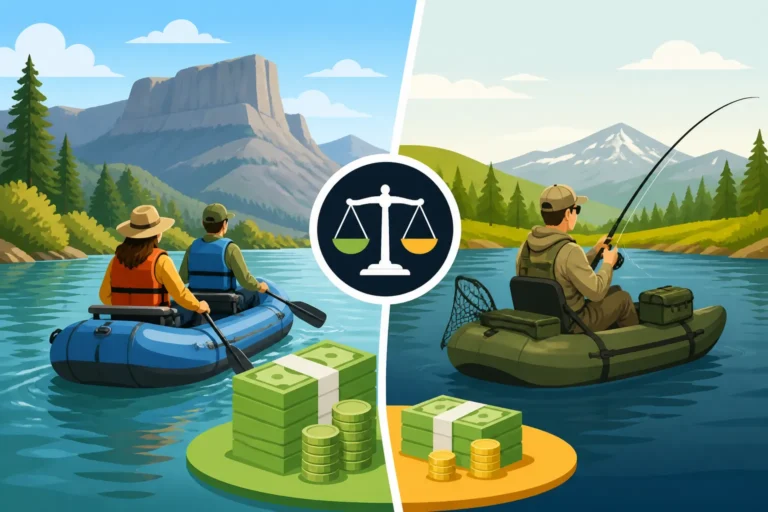
The cost of a guided fishing trip in Yellowstone National Park can vary quite a bit, depending on several factors. First, the duration of the trip plays a major role: a full-day trip will naturally be more expensive than a half-day excursion. Most full-day trips typically range from seven to nine hours on the water, while half-day trips are generally four to five hours. The number of anglers in your party can also influence the per-person cost, as guides often charge a flat rate for the boat or their service, which can be split among a small group. However, some trips, especially wade trips, are priced per angler.
Another key factor is what's included. A premium trip that covers all gear, flies, lunch, drinks, and transportation will command a higher price than a more basic service where you're expected to bring more of your own equipment. The type of trip also matters; specialized boat trips on Yellowstone Lake, with all the associated equipment, might have a different price structure than a backcountry wade trip. The guide's experience and reputation can also influence their rates; highly sought-after guides with years of Yellowstone-specific expertise often charge more. For a general idea of guided trip costs in the region, refer to How Much a Guided Fishing Trip Costs in Jackson Hole.
Tipping Your Guide
Just like in other service industries, tipping your fishing guide is customary and highly appreciated in Wyoming, including Yellowstone. Guides work incredibly hard, not just during the hours you're with them, but also in preparation, maintaining gear, and often staying late for cleaning and re-rigging. A general guideline for tipping a fishing guide is typically 15-20% of the total trip cost. If your guide went above and beyond, provided exceptional service, helped you land a trophy, or was particularly patient and instructional, consider tipping towards the higher end of that range.
It's a way to acknowledge their hard work, knowledge, and dedication to making your experience memorable and successful. While gratuity is rarely included in the initial quoted price, it's always a good idea to confirm their specific tipping policy when booking if you have any doubts. Always bring cash for tips, as it's often the easiest and most preferred method for guides. Your guide isn't just taking you fishing; they're providing an educational, adventurous, and carefully curated experience in one of the world's most unique outdoor settings. For more on this, check out How Much to Tip a Wyoming Fishing Guide.
Planning Your Yellowstone Fishing Trip: Beyond the Guide
While securing a guide for your Yellowstone fishing adventure is a big step, there are other essential elements to consider for a truly seamless and enjoyable trip. From park entry to understanding the best times to visit, a little extra planning goes a long way in this remarkable national park.
Essential Park Entry and Accommodation Details
First and foremost, remember that Yellowstone National Park has an entry fee, separate from your fishing permit. You'll need to purchase a park entrance pass, which can be a single-use pass, an annual pass, or an interagency pass if you plan to visit multiple national parks. It's wise to purchase this in advance online or at the entrance gates to minimize delays. Keep in mind that during peak season (summer), entrance lines can be long.
Accommodation within Yellowstone National Park is extremely popular and books up months, sometimes even a year, in advance. If you plan to stay inside the park, securing your lodging first should be a top priority. Options range from historic lodges to cabins and campgrounds. Alternatively, many visitors choose to stay in gateway towns just outside the park, such as West Yellowstone, Gardiner, or Cooke City in Montana, or Cody or Jackson in Wyoming. These towns offer a wider range of hotels, motels, and vacation rentals, but also require daily commutes into the park, adding travel time.
Best Times to Visit and Fish
Yellowstone's fishing season typically runs from the last Saturday in May through October 31st, though specific waters may have different opening or closing dates due to conditions or special regulations. The "best" time to visit and fish often depends on your priorities. Early season (late May-June) can offer excellent fishing as waters warm and fish become more active, but rivers may still be high and muddy from snowmelt (runoff season). Fly hatches are often prolific during this time.
Mid-summer (July-August) is peak tourist season, meaning larger crowds both on the roads and sometimes on the water. However, this is when the high-alpine lakes become accessible and fishable, and many rivers stabilize. Late summer and fall (September-October) often provide a fantastic combination of fewer crowds, crisp weather, and active fish, especially as some trout species begin their spawning runs. Lake Trout fishing on Yellowstone Lake is typically strong throughout the open season. Always check the official Yellowstone National Park fishing regulations for current season dates and any water-specific closures before planning your trip. Understanding Wyoming Fishing Seasons and Water-Specific Closures will give you a broader context for the region, even if Yellowstone has its own specific dates.
| Trip Type | Focus Species | Typical Duration | Average Group Size | Key Advantages |
|---|---|---|---|---|
| River/Stream Wade | Yellowstone Cutthroat, Rainbow, Brown | Half/Full-day | 1-2 Anglers | Intimate experience, fly fishing focus, less crowded |
| Yellowstone Lake | Lake Trout (Mackinaw), Yellowstone Cut | Full-day | 1-4 Anglers | Boat access to vast lake, larger fish potential |
| Lake Trout Removal | Lake Trout | Full-day | 1-4 Anglers | Conservation focus, high catch rates, keeping fish |
Disclaimer
This article is for general informational purposes only and does not constitute professional advice. Laws, prices and regulations vary by location and change over time. Consult a qualified professional for guidance on your specific situation.