Best Boat Size for a Guided Reservoir Trip
It's easy to feel a little lost when planning a guided fishing trip on one of Wyoming's massive reservoirs. You're probably wondering not just about the fishing, but also about the boat itself. Will it be comfortable? Big enough? Safe in the wind? The truth is, the size and type of boat your guide uses can make a huge difference to your experience, impacting everything from stability and maneuverability to how many folks can comfortably cast lines at once. This guide is here to help you understand the nuances of boat sizes commonly used by guides on Wyoming's vast reservoirs, so you can pick the perfect trip for your angling adventure.
Understanding Wyoming's Reservoir Diversity and Its Impact on Boat Choice
Wyoming isn't just known for its majestic mountains and wild rivers; it's also home to some truly enormous reservoirs that offer incredible fishing opportunities. These aren't your typical small, calm lakes. We're talking about expansive bodies of water where conditions can change rapidly, and the fish can be found anywhere from shallow bays to the deepest canyons. The sheer scale and varying characteristics of these reservoirs play a huge role in determining what kind of boat a reputable guide will use.
Imagine being out on a vast expanse like Flaming Gorge or Boysen Reservoir. These aren't places for small, open skiffs when the wind picks up. Guides need vessels that can not only handle choppy water safely but also transport anglers and gear comfortably over long distances. The choice of boat isn't just about getting from point A to point B; it's about providing a stable fishing platform, protecting you from the elements, and being equipped with the specialized electronics and gear needed to target specific fish species in diverse environments.
The Vastness of Wyoming's Major Reservoirs
When you look at a map of Wyoming, you'll see large blue splotches representing our major reservoirs. Places like Flaming Gorge, Boysen, Glendo, and Seminoe are immense, often sprawling for miles with intricate shorelines, deep channels, and wide-open expanses. These aren't small ponds where a jon boat will suffice. They can feel more like inland seas, especially when a stiff Wyoming breeze whips up.
These vast waters demand a certain type of vessel – one that offers stability, power, and safety. A guide operating on a reservoir known for unpredictable winds, like Seminoe, will almost certainly opt for a larger, deeper-hulled boat. This isn't just about comfort; it's about getting you to the best fishing spots safely and ensuring you can stay there even if the conditions get a little sporty. You'll find that these larger boats often have higher freeboards, which means more boat above the waterline, keeping you drier and more secure.
The sheer size also means covering significant distances to reach different fishing grounds or to follow migrating fish. A smaller boat would take longer, burn more fuel, and be less comfortable for the ride. Guides often equip these larger reservoir boats with powerful, reliable engines that can get you across the lake efficiently, maximizing your time with a line in the water instead of just traveling. For example, a guide on Wyoming's Flaming Gorge Reservoir Fishing Guide might need to travel many miles to find the best lake trout bite.
Different Fish, Different Boats
The type of fish you're targeting and the method you're using to catch them significantly influence the ideal boat choice for your guided trip. Wyoming's reservoirs are home to a diverse array of species, from hard-fighting lake trout and cunning walleye to schooling kokanee salmon and trophy brown trout. Each species, and the most effective way to catch them, can dictate specific boat features.
Consider walleye fishing on a reservoir like Wyoming's Boysen Reservoir Fishing Guide. Walleye often relate to structure and depth, and guides might employ techniques like jigging, slip-bobber fishing, or precise trolling. For these methods, a boat with a stable platform, good electronics (like fish finders and GPS with mapping), and perhaps a spacious casting deck or ample room around the console is crucial. You want to be able to move around, set multiple lines, and actively work your bait without feeling cramped or unstable.
On the other hand, if you're chasing massive Lake Trout Mackinaw Fishing in Wyoming on Flaming Gorge, your guide might use a boat set up specifically for deep-water trolling. This could involve downriggers, planer boards, and specialized rod holders. These boats often prioritize open deck space for managing multiple trolling lines, a powerful engine for maintaining consistent speeds, and robust construction to handle long hours on big water. The boat becomes an integral part of the fishing system, tailored to the specific pursuit.
Common Boat Sizes and Types for Guided Reservoir Trips
When you're looking at different guided trips, you'll notice a pattern in the boats guides operate. They're typically chosen for their ability to handle reservoir conditions, accommodate anglers and gear, and facilitate specific fishing techniques. While there's no single "best" boat, understanding the most common options will help you set your expectations.
It's helpful to remember that a guide's boat is their livelihood. They invest heavily in reliable, well-maintained vessels that are equipped for the challenges of Wyoming's waters and the demands of their clientele. When browsing guide services, platforms like FishingBooker often display photos and specifications of their boats, giving you a sneak peek into what your day on the water will look like. Don't hesitate to check these details or ask questions directly about the boat.
The Versatility of 18-20 Foot Multi-Species Boats
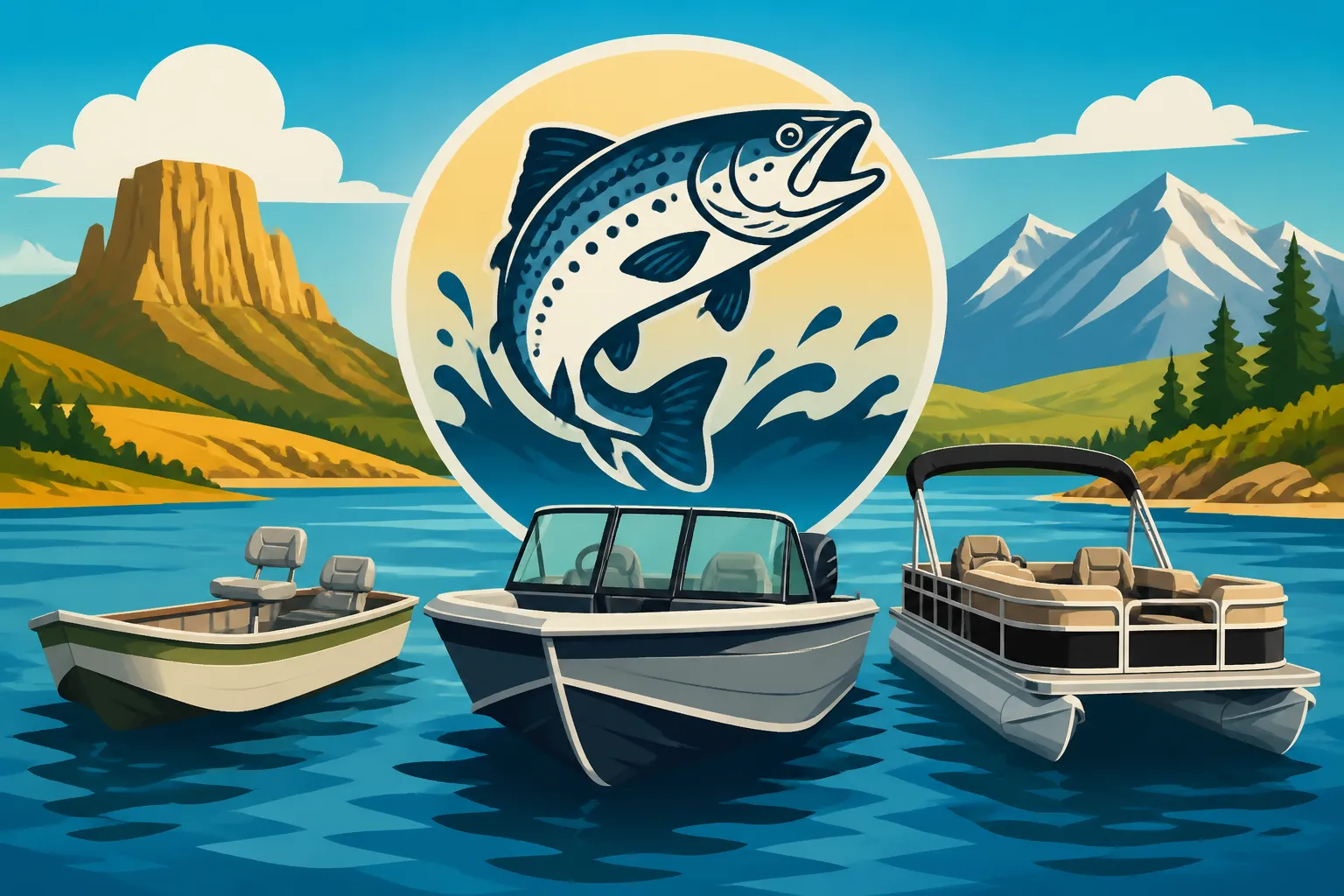
Many Wyoming reservoir guides gravitate towards 18-to-20-foot multi-species boats. These are often V-hull designs, built to be incredibly versatile and handle a wide range of conditions and fishing styles. Think of models that are built tough and designed for active angling. These boats strike an excellent balance between size, maneuverability, and comfort.
These vessels are typically equipped with spacious livewells, ample storage for rods and tackle, and comfortable seating for 2-3 anglers plus the guide. Their deep-V hulls are fantastic for cutting through chop on a windy day, providing a much smoother and drier ride than a flatter-bottomed boat. They usually have powerful outboard motors that get you to distant spots quickly, and often feature bow-mounted trolling motors for precise boat positioning when jigging or casting. This size is a workhorse, perfectly suited for targeting Walleye Fishing in Wyoming, Kokanee Salmon Fishing in Wyoming, or even smaller lake trout and rainbow trout, allowing for various techniques from Trolling Techniques for Wyoming Reservoirs to drift fishing.
| Boat Size Range | Typical Angler Capacity (excl. guide) | Ideal For | Common Fishing Styles | Pros | Cons |
|---|---|---|---|---|---|
| 16-17 feet | 1-2 anglers | Smaller reservoirs, specific techniques | Jigging, casting, light trolling | Nimble, fuel-efficient, more intimate experience | Less stable in chop, limited space, fewer amenities |
| 18-20 feet | 2-3 anglers | Most major reservoirs, diverse species | Trolling, jigging, casting, drift fishing | Versatile, good stability, balanced space/maneuverability | Can feel a bit tight with 3 active anglers |
| 20-24 feet | 3-4+ anglers | Largest reservoirs, rough conditions, trophy fish | Deep trolling, long-distance travel, comfort | Excellent stability, spacious, ample storage, comfortable | Less nimble, higher cost for guide, might feel "big" |
Larger Boats for Big Water and Comfort
For those really big lakes or when you're specifically targeting monster fish that require specialized gear and long runs, some guides opt for even larger boats, typically in the 20-to-24-foot range. These are the titans of reservoir fishing, built for maximum comfort, stability, and carrying capacity, especially when you're dealing with the often vast and sometimes brutal conditions of Wyoming's largest bodies of water like Flaming Gorge or Jackson Lake.
These bigger boats offer significantly more deck space, allowing for 3-4 active anglers to fish comfortably without constantly bumping elbows. They often come equipped with larger fuel tanks for extended days, more robust electronic packages for detailed mapping and fish finding, and sometimes even enclosed cabins or larger canvases for protection from wind, rain, or sun. They are ideal for serious deep-water trolling for trophy lake trout, or for groups who prioritize comfort and space above all else, making the long runs across a reservoir a pleasant journey rather than a bumpy ride. You might find guides specializing in multi-day trips on these larger, more accommodating vessels.
Smaller, More Nimble Boats for Specific Techniques or Smaller Groups
While the larger multi-species boats are common, some guides, especially those focusing on specific techniques or catering to very small groups, might utilize slightly smaller boats, perhaps in the 16-to-17-foot range. These boats offer a more intimate experience and can be incredibly effective for certain situations.
A smaller, more nimble boat might be perfect for a single angler or a pair who wants to focus on precise casting into specific structures or perhaps trying light Jigging for Walleye at Boysen Reservoir in shallower waters. They are easier to maneuver in tight spots, can often access smaller coves or fishing holes, and can provide a very direct connection to the water. The trade-off, of course, is less overall space, potentially less stability in truly rough conditions, and fewer amenities compared to their larger counterparts. If your trip involves lots of precise casting and fewer long runs, this size might be surprisingly effective, but always consider the typical weather patterns of the reservoir you'll be fishing.
Factors to Consider When Choosing Your Guided Reservoir Trip Boat
When you're ready to book that Wyoming guided fishing adventure, understanding the various boat sizes is just the first step. To truly make the best choice, you need to consider a few personal factors. It's not just about what the guide offers, but what you and your fishing party need to have the best possible experience on the water.
This is where open communication with your potential guide is key. Don't be shy about asking questions about their boat. Reputable guides are proud of their equipment and want you to be comfortable and safe. Platforms like FishingBooker make it easy to contact guides directly and get all your questions answered before you commit to a trip. After all, a day on the water is an investment of time and money, and you want to ensure it's as enjoyable as possible.
Group Size and Comfort
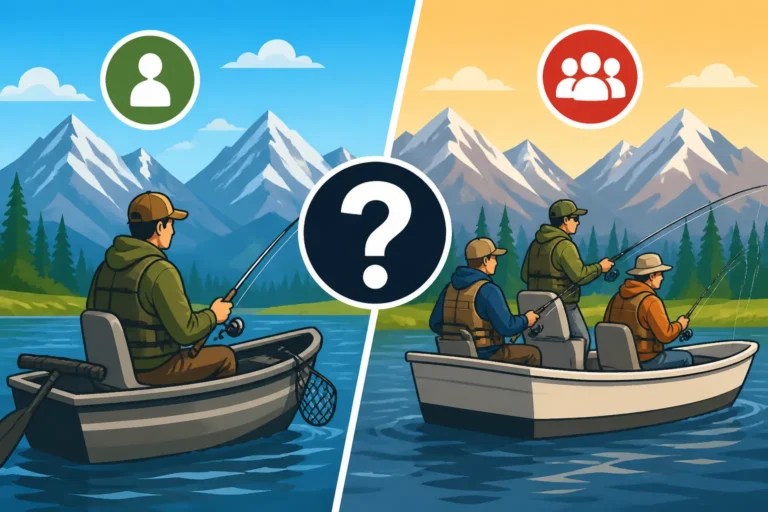
This is probably the most critical factor when considering boat size. Are you going solo, with a buddy, or planning a family outing with kids? The number of people in your fishing party will directly dictate the minimum size of boat you'll need for a comfortable and safe experience. Trying to cram four active anglers onto an 18-foot boat might work for a quick trip, but for a full day of casting, reeling, and moving around, it can quickly become cramped and frustrating.
Think about elbow room, casting space, and where personal belongings will go. A good guide will never overload their boat, prioritizing safety and a quality experience over squeezing in an extra person. If you have a larger group, say four or more, you'll definitely want to seek out guides operating boats in the 20-foot-plus range. This ensures everyone has enough space to fish effectively and enjoy the scenery without feeling like sardines in a can. Remember, part of the joy of a guided trip is the relaxed atmosphere, and that's hard to achieve if you're constantly bumping into each other.
Target Species and Fishing Style
As we touched on earlier, the specific fish you hope to catch and the techniques you prefer to use are huge considerations. If your dream is to battle a massive lake trout in the deep abyss of Flaming Gorge, you'll likely want a guide with a boat equipped for heavy trolling, potentially with specialized gear like downriggers. This often means a larger, more stable vessel that can handle the extensive gear and long hours of deep-water pursuit.
Conversely, if you're keen on fly fishing for rainbow trout or using lighter spin gear to cast for brook trout in certain reservoir areas, a guide might use a slightly smaller, more maneuverable boat that allows for easier positioning for casting. Some guides specialize intensely in one technique, and their boat will be perfectly optimized for that. For instance, a guide focused on fly fishing on a specific river segment, like those detailed in Fly Fishing Techniques for Wyoming Trout Streams, might use a drift boat, which is a very different vessel than a powerboat on a reservoir. Always align the guide's specialty and boat with your fishing goals.
Weather, Wind, and Water Conditions
Wyoming weather is famously unpredictable. A calm morning can quickly turn into a windy, choppy afternoon, especially on large, exposed reservoirs. This is a crucial consideration for boat size and type. A larger, deeper-hulled boat will provide a much more stable and comfortable ride in rough conditions, keeping you drier and safer. This isn't just about avoiding seasickness; it's about minimizing the risk and maximizing your ability to actually fish effectively when the waves kick up.
If you're planning a trip during a season known for blustery conditions, or if you simply prefer a smoother ride regardless of the forecast, opting for a guide with a larger boat is a wise choice. It also gives the guide more flexibility to safely navigate to different parts of the reservoir to find sheltered water or better fishing. When looking at guides, especially through services like FishingBooker, consider checking reviews that mention how guides handle changing weather, as this often speaks to their experience and the capabilities of their vessel. It's about preparedness, and a well-chosen boat is a significant part of that. Knowing When Ice Fishing Season Starts in Wyoming or anticipating spring runoff might influence the boat's suitability too.
Disclaimer
This article is for general informational purposes only and does not constitute professional advice. Laws, prices and regulations vary by location and change over time. Consult a qualified professional for guidance on your specific situation.