What’s Included in a Wyoming Snake River Guided Float Trip
Heading to Wyoming for a fishing adventure, perhaps on the legendary Snake River, but scratching your head about what exactly a guided float trip really entails? You're not alone! It's perfectly natural to wonder if you need to pack your entire tackle box or if showing up with a keen sense of adventure is enough. This guide will meticulously break down everything you can expect from a typical guided float trip on the Snake River, ensuring you arrive prepared, confident, and absolutely ready to cast.
Understanding the Snake River Guided Float Trip Experience
Picture this: you're gliding downstream, the majestic Teton Range as your backdrop, and the crystal-clear waters of the Snake River flowing beneath you. That's the essence of a guided float trip. It's not just about catching fish; it's a full immersion into the serene beauty and angling challenge of one of Wyoming's most iconic rivers. Many anglers, especially those new to river fishing or visiting from out of state, find immense value in these trips, as they provide access, expertise, and equipment that would be difficult or impossible to manage on their own.
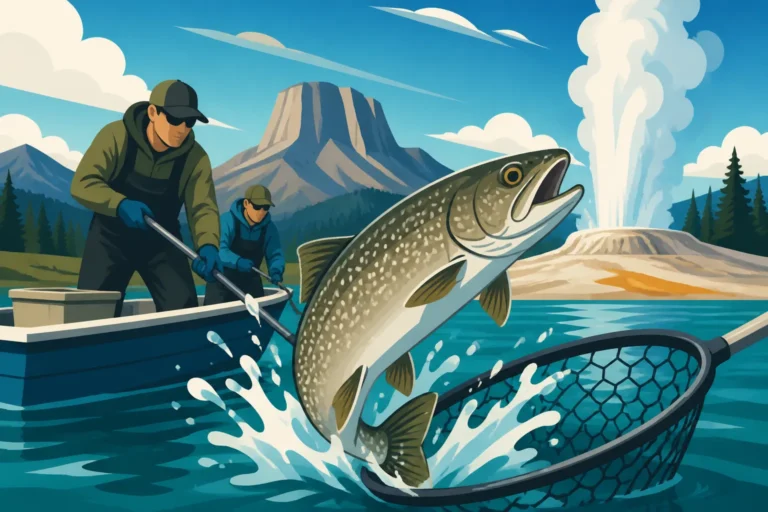
A guided float trip means you'll be fishing from a drift boat or raft, expertly maneuvered by your guide. This offers a unique advantage over bank fishing, allowing you to cover vast stretches of water and reach prime fishing lies that are often inaccessible from shore. The guide's job is multifaceted: they row the boat, locate fish, offer casting instruction, tie on flies or lures, and generally ensure your safety and enjoyment throughout the day. It’s an all-encompassing experience designed to maximize your time on the water and your chances of success. This style of fishing is particularly popular on the Snake due to the river's dynamic flow and ample public access points that are often best reached by boat. Float Trips on Wyoming's Snake River offers more insights into why these trips are so popular.
Why Choose a Guided Float Trip on the Snake River?
The Snake River, particularly in the Jackson Hole area, is famous for its thriving population of native Snake River Fine-Spotted Cutthroat Trout. These beautiful fish are a true prize for any angler, but they can be elusive. Navigating the river, understanding its currents, and knowing where these trout hold requires significant local knowledge. That's where a guide becomes invaluable. They spend countless hours on the water, observing hatches, fish movements, and subtle changes in the river that a casual visitor would completely miss. They bring years, if not decades, of experience directly to your rod tip.
Beyond the fishing itself, a guided trip allows you to simply soak in the breathtaking scenery. Imagine not having to worry about shuttling vehicles, navigating unfamiliar roads, or figuring out access points. Your guide handles all the logistical heavy lifting, leaving you free to focus on your cast, the take, and the stunning views around every bend. It's a truly stress-free way to experience one of Wyoming's natural wonders, combining the thrill of angling with the tranquility of a scenic river journey. For many, it's an educational experience, too, learning local techniques and ecological insights that enhance future fishing endeavors.
Typical Trip Durations: Half-Day vs. Full-Day
Most outfitters on the Snake River offer two primary trip durations: half-day and full-day. Deciding between the two depends largely on your budget, energy levels, and how much time you want to dedicate to fishing. A half-day trip typically lasts around four to five hours, perfect for beginners, families with younger children, or those who want a taste of the experience without committing to a full day on the water. It's often a bit less strenuous and can be a great way to try out fly fishing for the first time or simply enjoy a relaxing morning or afternoon on the river.
Full-day trips, on the other hand, usually run for eight to ten hours, including a delicious streamside lunch. These trips offer a more comprehensive fishing experience, allowing you to explore different stretches of the river, try various techniques, and really settle into the rhythm of the day. You'll likely encounter a wider range of conditions and have more opportunities to hone your skills under the guide's tutelage. For serious anglers or those who want to maximize their time on the water, a full-day trip is often the preferred choice. Consider your personal stamina and fishing goals when making this decision. Half-Day vs Full-Day Float Trips on Wyoming's Snake River delves deeper into these options.
Gear and Equipment Provided by Your Guide
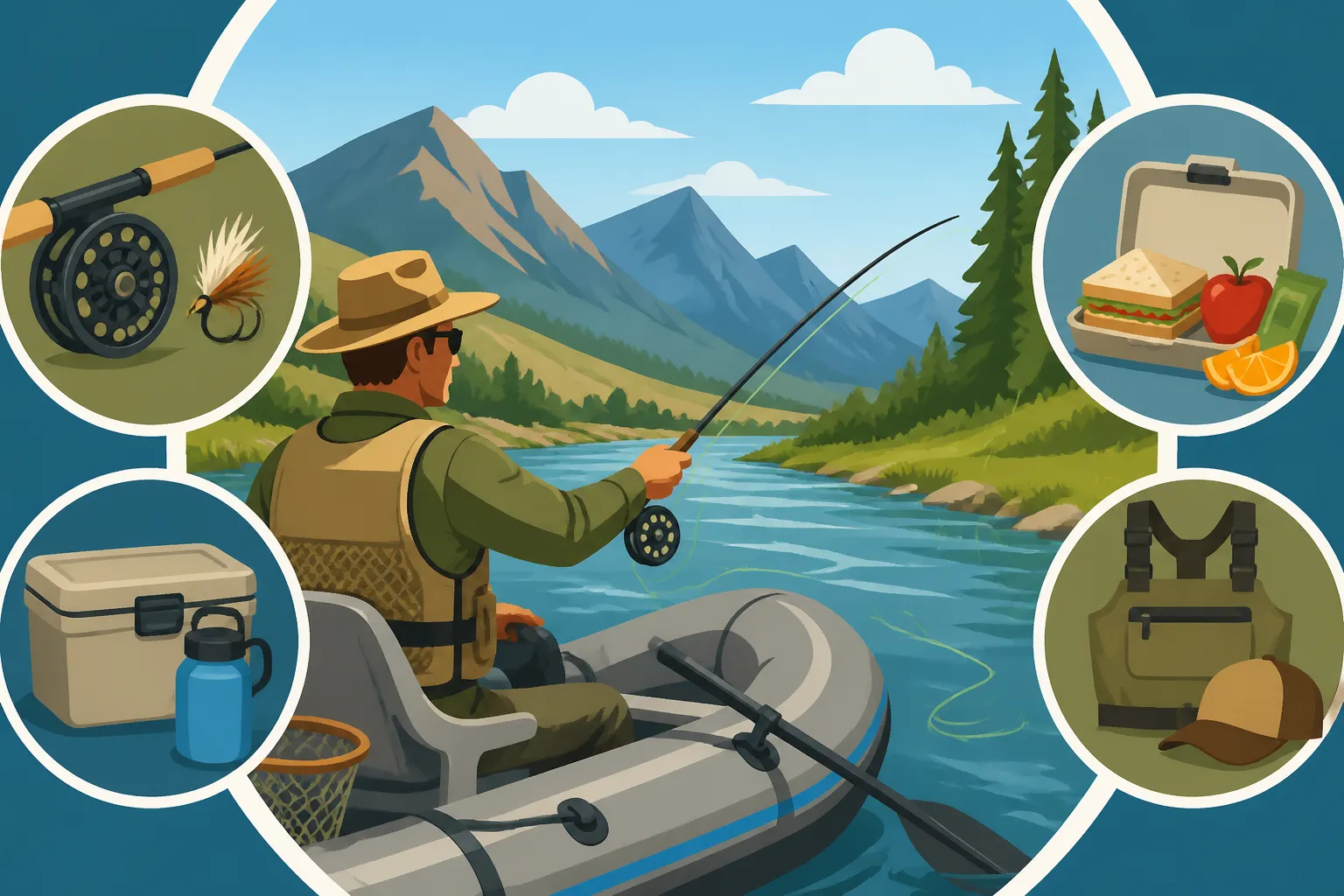
One of the biggest perks of booking a guided float trip on the Snake River is that you typically don't need to bring much specialized gear. Reputable outfitters and guides understand that many clients are either traveling light, are new to the sport, or simply prefer to use the local, high-quality equipment provided. This saves you the hassle of packing bulky rods, reels, waders, and an entire box of flies. Your guide will arrive with everything you need for a successful day of fishing.
This also means the gear is specifically chosen for the conditions and species you'll be targeting on the Snake River, primarily cutthroat trout. They'll have the right rod weights, line setups, and a vast array of flies that are currently "matching the hatch" or are known producers in that particular section of the river. This local expertise in gear selection can make a significant difference in your success rate.
Rods, Reels, and Terminal Tackle
When you step into the drift boat for your Snake River adventure, you can almost always expect to find high-quality rods and reels provided by your guide. These aren't just any old hand-me-downs; guides typically invest in top-tier fly fishing equipment specifically suited for the conditions and fish of the Snake River. We're talking about durable, sensitive fly rods that can handle the powerful runs of a cutthroat and reels with smooth drags to protect your tippet. Your guide will often have several rods rigged and ready, perhaps one with a dry fly setup, another for nymphing, and maybe even a streamer rod, allowing you to quickly switch techniques as conditions change or different hatches emerge.
Beyond the rod and reel, all the essential terminal tackle is also included. This means a seemingly endless supply of flies, tippet material in various sizes, strike indicators, split shot, and leaders are at your guide's disposal. They'll know exactly which patterns are fishing best that day—whether it's a specific stonefly imitation, a tiny dry fly, or a subsurface nymph—and will tie them on with practiced efficiency. This takes the guesswork out of fly selection, a common frustration for even experienced anglers fishing unfamiliar water. You won't need to worry about tying intricate knots or fumbling with small pieces of tackle; your guide is there to ensure your line is always in the water and presenting effectively.
Waders and Boots
While not always guaranteed by every outfitter, many quality guides on the Snake River will provide waders and wading boots if needed, especially if you're not planning to bring your own. This is a huge convenience, particularly for out-of-state visitors who might find packing bulky waders impractical. Waders are essential for getting out of the boat to wade productive riffles or to comfortably land fish from shallow spots. Your guide will usually ask for your shoe and clothing sizes in advance to ensure they have the right fit for you.
Having properly fitting waders and boots is crucial for comfort and safety, as slipping on slick river rocks is a real concern. The guide's waders are often well-maintained and designed for rugged river use, providing insulation in cooler temperatures and protection from the elements. However, if you have your own waders and prefer to use them, that's perfectly fine too! Just be sure they are clean and free of any invasive species, as Wyoming takes aquatic invasive species prevention very seriously.
Food, Beverages, and Comfort Items
A day on the river can be long and exhilarating, but also physically demanding. You're out in the elements, casting repeatedly, and often concentrating intensely. Good guides understand the importance of keeping their clients fueled, hydrated, and comfortable throughout the trip. This is where the "comfort" aspects of a guided trip truly shine, turning a simple fishing excursion into a delightful outdoor experience. You'll rarely go hungry or thirsty, and your guide will be prepared for a range of weather conditions.
Think about it: who wants to worry about packing a cooler and a picnic basket when you're trying to focus on the fish? The seamless provision of food and drink is one of those small details that elevate a guided trip from good to great. It allows you to relax and fully immerse yourself in the natural beauty of the Snake River, knowing that your basic needs are being met by a thoughtful and experienced professional.
Streamside Lunch (Full-Day Trips)
For those embarking on a full-day guided float trip on the Snake River, a highlight for many is the delicious streamside lunch. This isn't just a quick sandwich tossed your way; most guides take pride in preparing a fresh, hearty, and often gourmet meal, served in a picturesque spot along the riverbank. Imagine pulling over onto a secluded gravel bar, the boat secured, and your guide setting up a small camp table with a spread that might include gourmet sandwiches, salads, fruit, chips, and maybe even some homemade cookies. It's an opportunity to relax, recount the morning's catches, and refuel for the afternoon session.
Dietary restrictions are usually accommodated if you communicate them in advance when booking your trip. This attention to detail ensures that everyone can enjoy the meal. This lunch break is more than just about eating; it's a chance to stretch your legs, take in the scenery from a different perspective, and bond with your guide. It breaks up the day perfectly, offering a moment of quiet enjoyment amidst the excitement of the fishing. It’s a quintessential part of the full-day Snake River experience, often remembered as fondly as the biggest fish caught.
Snacks and Beverages
Even on half-day trips, and certainly throughout full-day excursions, your guide will keep you well-stocked with snacks and beverages. Staying hydrated is incredibly important on the river, especially during warmer months or when you're exerting yourself with repeated casting. You can expect a cooler filled with bottled water, sodas, and sometimes even juice or sparkling water. Don't be shy about asking for a drink; your guide wants you to stay comfortable and energized.
Snacks are usually a mix of easy-to-eat, energy-boosting options like granola bars, fruit, crackers, or trail mix. Some guides even bring along specialty treats. The key is that you won't need to worry about your hunger or thirst distracting you from the fishing. This thoughtful provision of refreshments means you can keep your focus where it belongs: on the water, waiting for that exciting tug on your line. It's all part of the comprehensive service a good guide provides, anticipating your needs before you even realize you have them.
The Guide's Expertise and Instruction
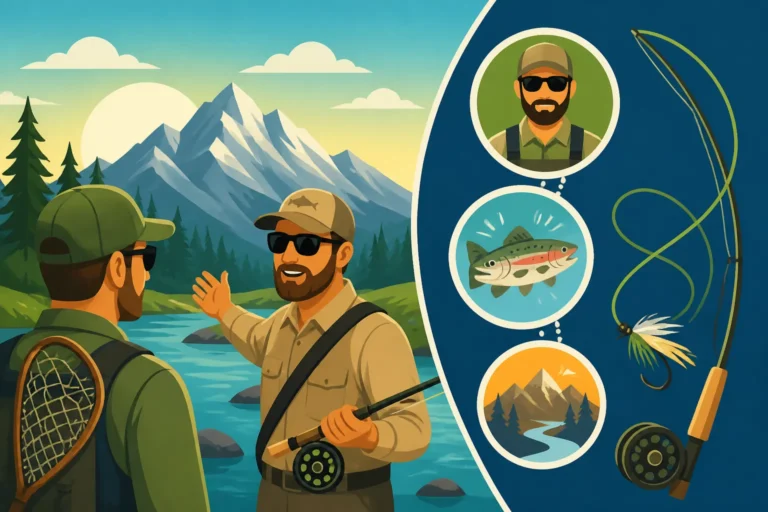
While the gear and food are certainly appreciated, the true value of a guided Snake River float trip lies in the guide themselves. You're not just hiring someone to row a boat; you're gaining access to a wealth of knowledge, a passion for the river, and a dedication to ensuring you have the best possible experience. This human element is what transforms a simple fishing trip into a memorable adventure. A good guide can adapt to your skill level, teach you new techniques, and share stories and insights about the ecosystem you're exploring. Hiring a Fishing Guide in Wyoming explores the broader benefits of this professional relationship.
Think of your guide as a river maestro, orchestrating your day with skill and an intuitive understanding of the environment. Their ability to read the water, predict fish behavior, and adjust strategies on the fly is developed over years of dedicated practice. This expertise isn't something you can buy in a store; it's earned through countless hours on the water, learning from both successes and failures.
Local Knowledge of the River and Fish Behavior
Your Snake River guide is a walking, talking encyclopedia of local fishing knowledge. They know the river like the back of their hand, understanding every riffle, run, and deep pool. They can point out where the cutthroat are likely to be holding based on water temperature, clarity, time of year, and even the cloud cover. This deep understanding extends to the intricate behavior of the Snake River Fine-Spotted Cutthroat Trout, from their feeding habits to their preferred spawning grounds. They'll also be acutely aware of any Wyoming Fishing Regulations Every Angler Should Know and how they apply to the specific waters you're fishing.
Furthermore, guides are constantly monitoring conditions and hatches. They know when the different insect hatches are likely to occur—from the famous salmonfly hatch to the subtle emergence of tiny midges—and how these events influence fish feeding patterns. They can tell you why fish are hitting a certain fly on one bend and completely ignoring it on the next. This real-time, on-the-water intelligence is something you simply cannot replicate with maps or even a detailed fishing report. They live and breathe the Snake River, and their insights are invaluable for maximizing your chances of a successful day.
Casting and Fly Fishing Instruction
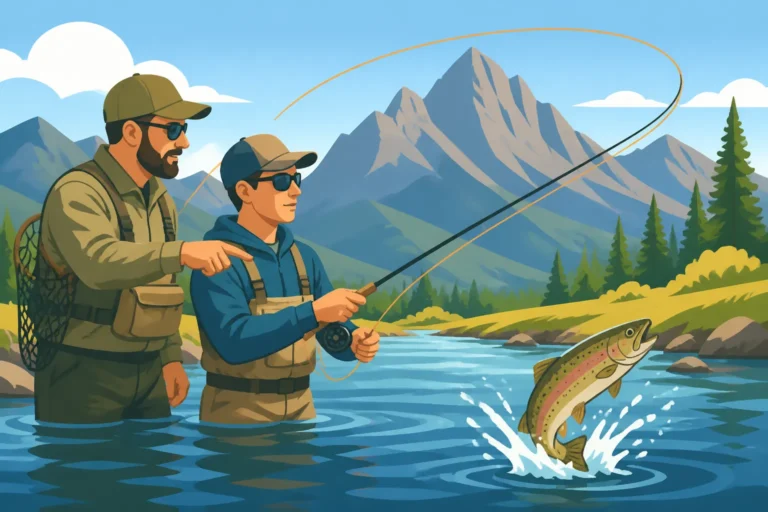
One of the most valuable inclusions for many on a guided Snake River trip is the personalized casting and fly fishing instruction. Whether you're a complete novice who's never held a fly rod or an experienced angler looking to refine your technique, your guide is an excellent instructor. They'll patiently walk you through the basics of casting, explaining the timing, rhythm, and mechanics that make a good cast. They can help you correct common mistakes, like "tailing loops" or "crashing" your fly, offering real-time feedback that's hard to get on your own.
For more advanced anglers, they can provide tips on specific techniques like mending line, executing reach casts, or effectively "reading" complex currents. They'll also teach you how to set the hook effectively, play a fish, and safely release it back into the water, all crucial skills for responsible angling. Many people find that a single day with a good guide can dramatically improve their fly fishing prowess. The one-on-one attention ensures that the instruction is tailored to your individual needs and learning style, making the experience not just about catching fish, but about growing as an angler.
Logistics and Safety Measures
Beyond the fishing and the food, a crucial part of what's included in a Snake River guided float trip is all the logistical planning and safety oversight. This is often taken for granted but is absolutely essential for a smooth and worry-free day. Navigating a river, especially one as dynamic as the Snake, requires experience and preparedness. Your guide is not just a fishing expert but also a highly trained boatman and a first responder in the wilderness.
You won't have to concern yourself with where to launch the boat, how to pick up the vehicle at the end, or what to do if an unexpected challenge arises. All these details are meticulously handled by your guide, allowing you to fully relax and immerse yourself in the natural beauty and the thrill of the catch. This comprehensive approach to logistics and safety is what truly defines a professional guided experience.
Transportation and Shuttle Services
A significant logistical headache for many independent anglers is the "shuttle"—getting your vehicle from the launch point to the take-out point. On a guided float trip on the Snake River, this is completely handled by your outfitter and guide. You'll typically meet your guide at a pre-determined location, often a specific boat ramp or the outfitter's shop, at the beginning of your trip. From there, your guide will take care of getting the boat, you, and any necessary gear to the river.
At the end of the day, your vehicle will be waiting for you at the take-out point. This seamless transportation service eliminates the need for you to coordinate with another car, pay for a separate shuttle service, or spend precious fishing time driving around. It's one of those behind-the-scenes services that makes the entire experience so much more convenient and enjoyable. You just show up, fish, and then head home or to your next adventure, leaving all the vehicle arrangements to the professionals.
First Aid and Safety Equipment
Your safety on the river is paramount, and every professional guide on the Snake River will come fully equipped with comprehensive first aid and safety gear. This isn't just a small kit; guides are typically trained in wilderness first aid or as Wilderness First Responders (WFR), capable of handling a range of medical emergencies that might arise in a remote outdoor setting. They will have a well-stocked first aid kit readily accessible, containing supplies for minor cuts, scrapes, stings, and other common ailments, as well as more serious injuries.
In addition to medical supplies, you can expect the drift boat or raft to be outfitted with essential safety equipment. This includes life jackets (which you'll be instructed to wear or have readily available), throw bags for water rescue, and spare oars. Guides also carry communication devices, such as satellite phones or VHF radios, for emergency situations where cell service might be unavailable. Before embarking, your guide will usually give a brief safety talk, outlining emergency procedures and ensuring everyone understands the basics of river safety. This preparedness allows you to fish with confidence, knowing you're in capable and responsible hands.
What You Are Still Responsible For
While a guided float trip on the Snake River is incredibly comprehensive, there are a few key items and responsibilities that still fall on your shoulders. Understanding these expectations beforehand will ensure a completely smooth and stress-free day. These aren't burdens, but rather personal items that contribute to your comfort, legal compliance, and overall enjoyment.
It's about making sure you're ready for the elements and that you've handled the necessary pre-trip paperwork. Thinking about these details in advance will allow you to fully disconnect and embrace the fishing experience once you're on the water.
Your Wyoming Fishing License and Conservation Stamp
This is perhaps the single most important item you are personally responsible for bringing: your valid Wyoming fishing license and, if required, a Wyoming Conservation Stamp. Your guide cannot purchase these for you on the river, and fishing without them will result in significant fines. Every angler aged 14 and older needs a license. Whether you're a resident or a nonresident, and whether you want an annual, daily, or five-day option, you need to have this sorted out before your trip.
You can purchase your license online through the Wyoming Game and Fish Department website, at authorized license vendors (like sporting goods stores or some convenience stores in Wyoming), or by checking platforms like FishingBooker which often link directly to license purchasing info. Make sure it's printed or accessible on your phone, and always carry it with you in the field. Your guide will likely ask to see it before you even launch the boat. It's a small but vital piece of paper that confirms your legal right to enjoy Wyoming's incredible fisheries. For a detailed breakdown, check out Wyoming Fishing License Guide for Nonresidents or The Wyoming Conservation Stamp and What It Covers.
Appropriate Clothing and Personal Items
While your guide provides much of the bulky fishing gear, you are responsible for dressing appropriately for the weather conditions and bringing any personal items you might need. Wyoming weather, especially in the mountains around Jackson Hole, can be notoriously unpredictable, often changing rapidly throughout the day. Layering is always the best strategy. Think moisture-wicking base layers, a fleece or wool mid-layer for warmth, and a waterproof and windproof outer shell, even if the forecast looks sunny.
Don't forget essentials like a wide-brimmed hat for sun protection, polarized sunglasses (crucial for seeing fish and protecting your eyes from errant hooks), and sunscreen. Even on cloudy days, UV rays reflect off the water, so protection is vital. Depending on the time of year, consider bringing gloves or a buff for added warmth. If you have any personal medications, a small backpack to store these, and other small items like a camera or binoculars, would be beneficial. Your guide will provide a dry bag or space in the boat for personal items, but it's always best to pack them in a way that protects them from water.
Tipping Your Guide
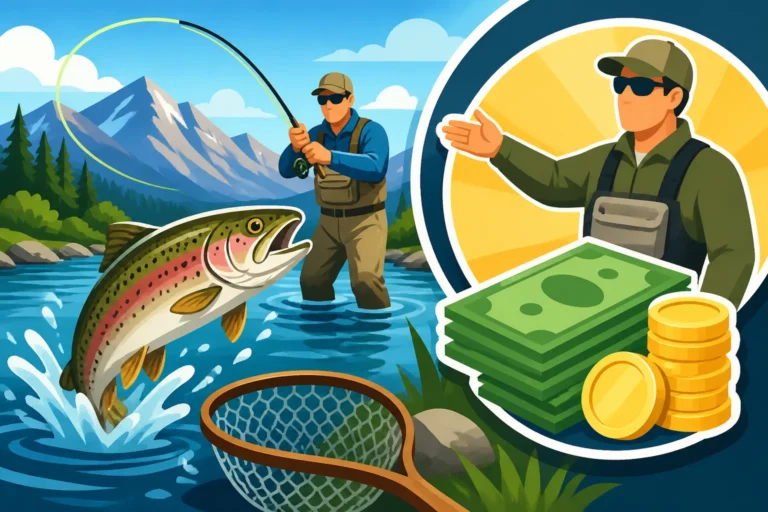
While not a mandatory inclusion, it is customary and highly recommended to tip your fishing guide at the end of a successful day. Guiding is a demanding profession, and guides work incredibly hard to ensure you have a safe, enjoyable, and productive experience. They spend hours before and after your trip preparing gear, cleaning boats, and maintaining their equipment, not to mention their extensive knowledge and physical exertion on the river.
Tipping is a way to express your appreciation for their hard work, expertise, and dedication. While the exact amount is always at your discretion, a general guideline for a full-day trip is often around 15-20% of the trip cost, or a set amount per person that reflects exceptional service. For half-day trips, a slightly lower percentage or a flat fee is common. If you had a particularly outstanding day, feel free to be more generous! It's always best to bring cash for this purpose, as guides often prefer it, and it saves them from transaction fees. For more information on this important etiquette, read Tipping Etiquette for Wyoming Fishing Guides.
Maximizing Your Snake River Float Trip Experience
Booking a guided float trip on the Snake River is an investment in an incredible outdoor adventure. To truly make the most of it, a little preparation and the right mindset can go a long way. This isn't just about showing up; it's about engaging with the experience, being open to learning, and communicating effectively with your guide. After all, you're embarking on a journey into Wyoming's pristine wilderness, and being an active participant enhances every aspect of the day.
Remember that while your guide is there to facilitate, your own attitude and engagement play a huge role in the success and enjoyment of the trip. Come prepared to learn, laugh, and perhaps even face a challenge or two, and you'll leave with memories that last a lifetime.
Communication with Your Guide
Effective communication with your guide starts long before you even meet them at the boat ramp. When you book your trip, be clear about your experience level, your expectations for the day (are you hoping for a trophy fish, a high-numbers day, or just a relaxing scenic float?), and any physical limitations or dietary restrictions you might have. Most outfitters, like those found on platforms such as FishingBooker, will encourage you to share these details, as it helps them tailor the trip to your preferences. Don't be shy about asking questions about what to wear or what the current fishing conditions are like.
Once on the river, continue to communicate openly. If you're struggling with a cast, let your guide know. If you need a break, speak up. If you're curious about a specific fly or a particular stretch of water, ask! Your guide is there to help and wants you to have a great time. Clear communication ensures that your guide can adapt their approach to best suit your needs, making for a more enjoyable and productive day for everyone involved.
Being Open to Learning and New Techniques
One of the greatest benefits of a guided trip, especially for those new to fly fishing or specific river systems, is the opportunity to learn from an expert. Come with an open mind and be willing to try new techniques or follow your guide's advice, even if it's different from what you're used to. They've spent years on the Snake River and understand its nuances. They might suggest a different casting style, a new fly pattern you've never used, or a different approach to presenting your line.
Embrace the teaching moments. Even if you're an experienced angler, every guide has unique insights that can broaden your skill set. Perhaps they'll teach you a specific mend for the Snake's currents, or show you how to read a particular type of riffle more effectively. These learning opportunities are invaluable and will not only help you catch more fish on the day but will also make you a more versatile and skilled angler in the long run. Viewing the trip as a learning experience can significantly enhance its value.
| Item/Service | Typically Included by Guide | Recommended for You to Bring |
|---|---|---|
| Rods & Reels | Yes | Optional (if preferred) |
| Flies & Tackle | Yes | Optional (personal favorites) |
| Waders & Boots | Often (check with outfitter) | Yes (if preferred/owned) |
| Life Jackets | Yes | |
| First Aid & Safety Gear | Yes | Optional (personal meds) |
| Lunch (Full-Day) | Yes | |
| Snacks & Beverages | Yes | Optional (personal preferences) |
| Transportation | Yes (shuttle services) | |
| Fishing License | No | Yes (mandatory) |
| Conservation Stamp | No | Yes (if required) |
| Appropriate Clothing | No | Yes (layers, rain gear) |
| Sun Protection | No | Yes (hat, sunglasses, sunscreen) |
| Camera/Binoculars | No | Yes (in dry bag) |
| Gratuity (Tip) | No | Yes (cash recommended) |
Disclaimer
This article is for general informational purposes only and does not constitute professional advice. Laws, prices and regulations vary by location and change over time. Consult a qualified professional for guidance on your specific situation.