Best Age for Kids to Start Guided Fishing Trips
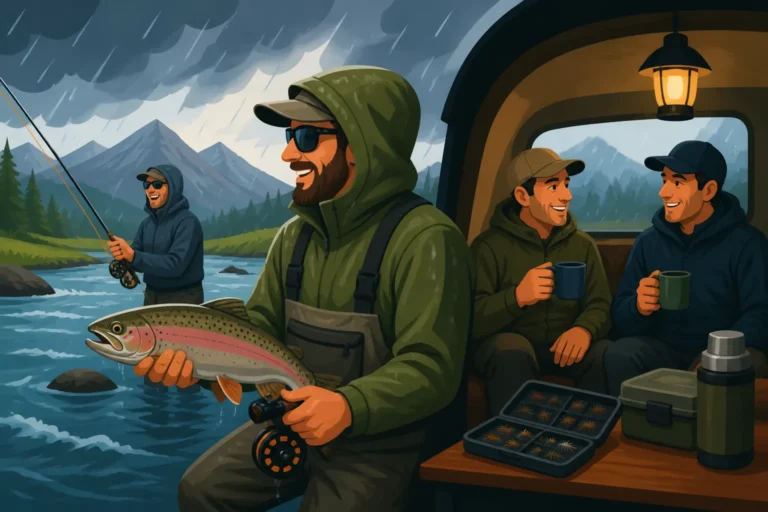
It's a question many parents ponder when planning that dream Wyoming fishing trip: "Is my child old enough for a guided experience?" You picture them reeling in a big trout against a stunning mountain backdrop, a memory for a lifetime. But then the doubts creep in. Will they get bored? Will they complain? Will it be worth the investment if they just want to stare at their phone? It's a valid concern, because bringing kids into the fold of fishing is a delicate balance of creating wonder and avoiding frustration. This guide will help you navigate the nuances of bringing children on guided fishing trips in Wyoming, focusing on age-appropriate expectations and finding the right fit for your family.
Understanding Your Child's Readiness for a Guided Trip
Before you even start looking at guides or booking dates, take an honest look at your child. Every kid is different, and what works for one five-year-old might be completely overwhelming for another. There's no magic number for the "perfect" age, but there are definitely signs of readiness – and unreadiness – that you should consider.
Physical Stamina and Attention Spans
Guided fishing trips, especially on rivers or larger reservoirs, often involve more than just casually dropping a line from a dock. You might be in a drift boat for several hours, walking along a riverbank, or sitting relatively still on a lake. Think about your child's typical energy levels and how long they can genuinely focus on a single activity. A half-day trip might be a solid three to four hours on the water, plus travel time. A full-day trip can easily stretch to eight hours or more.
Can your child sit still in a boat for extended periods? Do they have the physical coordination to cast a basic spin rod or even attempt a fly rod? Will they need frequent bathroom breaks, snacks, and changes of scenery? For very young children, say under six, even a half-day can be a marathon. Their attention might wander quickly, leading to restlessness, boredom, and potentially derailing the experience for everyone, including the guide who is trying to focus on finding fish. It's not about them being "bad" but simply about their developmental stage. For some younger kids, a simple trip to Best Kids' Fishing Ponds in Wyoming might be a better start.
Interest Level and Patience
This might be the most crucial factor. Is your child genuinely interested in fishing, or are you hoping a guided trip will spark that interest? If they've shown a natural curiosity about fish, enjoy watching fishing shows, or have even tried some casual bank fishing with a bobber and worm, that's a great sign. Their patience might still be limited, but at least the core interest is there.
However, if fishing is a completely foreign concept to them, or if they're easily bored by activities that require quiet observation and waiting, a guided trip might backfire. Guides are experts at finding fish and teaching techniques, but they can't create interest out of thin air. There will inevitably be lulls in the action, and a child who isn't intrinsically motivated might quickly become fidgety and disheartened. Remember, fishing isn't always about constant action; sometimes it's about enjoying the quiet of the river and the beauty of the Wyoming landscape.
Following Instructions and Safety
Wyoming's waters, especially its rivers like the Snake or North Platte, can be powerful and unforgiving. Safety is paramount on any guided trip, whether it's on a boat or wading a river. Guides have specific instructions about where to stand, how to cast safely, how to handle fish, and what to do in various situations.
Consider your child's ability to listen attentively and follow directions from an adult who isn't a parent. If they tend to be impulsive or have difficulty understanding safety rules, it might be best to wait. A guide's primary focus is often on the fishing experience, but they are also responsible for everyone's safety. A child who constantly needs redirecting or puts themselves in potentially hazardous situations can be a major distraction and concern for the guide, impacting the quality of the trip for all involved. This consideration is especially important when you think about complex regulations, as covered in Wyoming Fishing Regulations Every Angler Should Know.
Benefits and Challenges for Different Age Groups
Once you've assessed your child's readiness, it's helpful to consider how different age ranges typically fare on guided trips. This isn't a hard-and-fast rule, but it can give you a clearer picture of what to expect.
Young Anglers (Typically Under 8)
For the little ones, guided trips present the biggest challenge but also some unique benefits. The biggest hurdle is often their short attention span and limited physical stamina. A full-day float trip might be too much. However, some guides specialize in family-friendly or "kids' first fish" experiences. These might involve:
- Shorter Durations: Half-day trips, or even just a couple of hours focused purely on catching a few fish quickly in a well-stocked pond or easy-access lake.
- Emphasis on Simplicity: Bait fishing with simple bobber rigs, where instant gratification is more likely. The goal isn't necessarily a trophy trout, but just getting a bite and reeling it in.
- Multifaceted Experience: A good guide for this age group understands that fishing might only be part of the appeal. They might incorporate wildlife spotting, skipping rocks, or telling stories to keep the child engaged during lulls. It's more about the outdoor adventure than the technical fishing.
The challenge here is finding a guide who is genuinely patient and enthusiastic about teaching young children. Not all guides are comfortable with the energetic unpredictability of a five-year-old, and that's okay. You'll want to ask specific questions when booking, perhaps through a platform like FishingBooker, about their experience with very young children. Don't forget, even little ones may need a license in some cases, so check Do Kids Need a Fishing License in Wyoming?.
Mid-Range (8-12 Years Old)
This age range often hits a sweet spot for guided fishing trips. Children here typically have a longer attention span, more developed motor skills, and a growing capacity for patience. They can often grasp basic casting techniques, understand the importance of being quiet on the water, and follow more complex instructions.
- Developing Skills: This is an excellent age to introduce them to spin casting techniques more seriously, or even the very basics of fly fishing. A guide can teach them how to identify different types of water, how to "read" a river, and the nuances of presenting a lure or fly. They can start to manage their own line and become more independent anglers. For those keen to learn, a guide can easily share insights into Best Beginner Technique for Catching Your First Trout.
- Increased Engagement: Children in this age group are often more curious about the ecosystem, the fish species, and the guide's stories. They might ask questions, actively participate in netting fish, and take pride in their catches.
- Longer Trips Become Feasible: Many 8-12 year olds can handle a half-day trip comfortably, and some might even be ready for a full day if they're particularly keen. The guide can keep them engaged with various techniques or by moving to different spots.
The key benefit here is the opportunity for genuine skill development and a deeper appreciation for the sport. A good guide can be an incredible mentor, fostering a lifelong love of fishing.
Teenagers (13+ Years Old)
Teenagers are essentially junior adults on a fishing trip, and a guided experience can be incredibly rewarding for them. They generally have the physical stamina and mental focus for full-day adventures, and they can absorb more advanced techniques and conservation principles.
- Advanced Learning: This is the perfect age to dive into more specialized techniques like nymphing, streamer fishing, or precise dry fly presentations, especially on renowned waters like the North Platte River. A guide can help them refine their casting, understand insect hatches, and learn about fish behavior. They might even be interested in the technical aspects of gear, from different types of flies to how various lures perform.
- Conservation and Ethics: Teenagers are capable of understanding the importance of catch and release, sustainable fishing practices, and the role of regulations. A guide can share valuable insights into the ecosystem, the challenges facing fisheries, and responsible angling. This can be particularly impactful when discussing things like Catch-and-Release Rules on Wyoming Waters.
- Mentorship and Independence: A guided trip can provide a teenager with a one-on-one mentorship opportunity, allowing them to ask questions without feeling self-conscious. They can fish independently, make their own casting decisions, and contribute actively to the day's success. Many teenagers relish the challenge and the feeling of accomplishment that comes with mastering a new skill. If they're showing serious interest, a dedicated trip like Guided Fly Fishing Trips in Jackson Hole, Wyoming could be perfect.
For this age group, the challenge might be less about attention span and more about managing expectations if the fishing is slow, or ensuring they disconnect from digital devices to truly immerse themselves in the experience.
What to Look for in a Family-Friendly Fishing Guide in Wyoming
Finding the right guide for a family trip, especially with kids, is paramount to success. It's not just about finding someone who knows where the fish are; it's about finding someone who knows how to make the experience fun and safe for every member of your party.
Experience with Kids
This is a non-negotiable. Don't just assume any guide is good with kids. Some guides prefer the quiet focus of adult anglers, and that's perfectly fine, but they aren't the right fit for your family. Look for guides who explicitly advertise "family trips," "kid-friendly charters," or "youth fishing adventures."
When you're researching potential guides, whether directly or through platforms like FishingBooker, read reviews carefully for mentions of how they interact with children. Did they patiently teach casting? Did they keep the kids entertained? Were they flexible when a child needed a break? Don't hesitate to call and ask specific questions: "What's your philosophy on guiding kids?" "How do you handle a child who gets bored?" "Do you provide kid-sized gear?" A guide who truly enjoys teaching young anglers will light up when you ask these questions. Many guides and outfitters specialize in Family-Friendly Guided Fishing Trips in Wyoming.
Trip Length and Flexibility
As discussed, shorter trips are often better for younger children. A good family guide will offer half-day options or be willing to customize a trip length if possible. Beyond duration, consider flexibility on the water. Will they be open to changing locations if one spot isn't working out or if the kids need to stretch their legs? Are they prepared for unexpected meltdowns or sudden disinterest?
A truly family-friendly guide understands that the "fish count" isn't always the sole measure of success. They prioritize the overall experience, even if it means sacrificing a few bites to keep a child happy and engaged. They might have a repertoire of simple games, stories, or nature observations to pull out when the fishing slows down. Flexibility is key to keeping spirits high and ensuring everyone, especially the kids, has a positive memory of the day.
Gear and Safety Measures
When fishing with children, you want a guide who is prepared with appropriate gear and who takes safety seriously.
- Kid-Sized Gear: Do they have smaller, lighter rods and reels that are easier for little hands to manage? Heavy adult gear can quickly lead to fatigue and frustration for a child.
- Life Jackets: This is critical. Ensure they have properly fitting life jackets for every child, and that wearing them is non-negotiable, especially on a boat.
- First Aid and Emergency Preparedness: While hopefully never needed, a professional guide will always have a comprehensive first aid kit and be trained in emergency procedures.
- Bait Options: For beginners, especially younger kids, sometimes the simplest method works best. Will they provide bait if that's the most effective way to ensure a few bites?
- Sun Protection and Comfort: A good guide will also ensure their boat or vehicle is equipped for comfort, offering shade if possible, and reminding everyone to hydrate and apply sunscreen. It's important to come prepared yourself, as covered in What to Wear on a Wyoming Guided Fishing Trip.
Booking Platforms and Research
Leveraging resources like FishingBooker can be incredibly helpful when searching for family-friendly guides in Wyoming. These platforms often allow you to filter by specific criteria, read detailed reviews, and even communicate directly with guides before booking. When reading reviews, pay close attention to comments from other families. Did they mention patience, good humor, and successful engagement with their children?
Here's a quick comparison of what different age groups might look for in a guided trip:
| Age Group | Typical Readiness & Stamina | Ideal Trip Length/Focus | Key Guide Attributes |
|---|---|---|---|
| Under 8 Years | Short attention, limited stamina, needs constant engagement. | 2-3 hour "first fish" experience, bank fishing, simple bait. | Very patient, engaging, flexible, focuses on fun and nature. |
| 8-12 Years | Longer attention, growing stamina, can learn basic skills. | Half-day, some full-day (if keen), spin casting, intro to fly. | Encourages skill-building, explains concepts, still flexible. |
| 13+ Years | Good attention & stamina, capable of advanced learning. | Half-day or full-day, specialized techniques (fly, trolling). | Mentors, challenges skills, discusses conservation, detailed. |
Setting Expectations for a Successful Family Fishing Adventure
Even with the perfect guide, setting realistic expectations is crucial for a positive family fishing experience in Wyoming. Nobody wants to end the day with disappointed kids and frustrated parents.
It's About the Experience, Not Just the Catch
This is perhaps the most important mindset shift. While catching fish is undeniably exciting, especially for kids, it shouldn't be the only measure of success. Wyoming offers incredible scenery, abundant wildlife, and the sheer joy of being outdoors. Focus on the whole experience: the boat ride, spotting an eagle, skipping rocks during a slow period, learning a new knot, or simply enjoying a packed lunch by the river.
If you impress upon your children that the adventure itself is the main goal, any fish caught become a bonus, not a requirement. This takes pressure off the kids, off you, and off the guide. It allows for a more relaxed and enjoyable day for everyone. Remember, some days the fish just don't cooperate, even for the most experienced guides in the best spots.
Preparing Your Child
A little preparation goes a long way. Before the trip, talk to your child about what a guided fishing trip entails. Explain that:
- A guide is like a teacher: They'll show you how to fish and find the best spots.
- It requires patience: Fish don't always bite right away, and waiting is part of the fun.
- There are rules: Especially on a boat or near water, safety rules are important.
- The weather can change: Be prepared for sun, wind, or even a sudden shower. Discuss What to Pack for a Full-Day Float Trip.
- It's an adventure: Even if the fish aren't biting, there's always something cool to see or learn.
Bringing plenty of snacks, drinks, and comfortable layers of clothing is also essential for keeping spirits high. Nobody enjoys being cold, hungry, or thirsty, especially kids. Remember that while a Wyoming Fishing License Guide for Nonresidents covers the requirements, the overall experience is really what matters for the kids.
Communicating with Your Guide
Be completely transparent with your guide about your children's ages, fishing experience, and general personalities. Do you have a very energetic child who needs frequent breaks? A quiet one who might need more encouragement? An easily frustrated one? The more information you provide upfront, the better the guide can tailor the day to your family's needs.
A good guide will appreciate this honesty and can then plan accordingly, perhaps choosing more sheltered water, bringing extra activities, or focusing on easier-to-catch species. This open communication ensures that everyone is on the same page and helps the guide deliver the best possible experience. When considering a trip to a national park, guides will also ensure you understand the unique rules, which can be different from regular state waters. Fishing Rules Inside Grand Teton National Park or Fishing Rules Inside Yellowstone National Park are good examples of these.
The Role of the Parent
While the guide is there to lead the fishing, your role as a parent doesn't disappear. You're still responsible for supervising your children, reinforcing the guide's instructions, and providing encouragement. If a child gets frustrated, a parent's calm reassurance can make all the difference. You might need to help with snacks, apply sunscreen, or simply engage in conversation during lulls.
Think of it as a team effort. You and the guide are working together to create a memorable and positive experience for your children. Your active participation and supportive presence will not only benefit your kids but also help the guide do their best job. This kind of planning makes all the difference, especially when you consider things like Wyoming Resident vs Nonresident License Rules and how licenses are structured, which is important for any angler in the family.
Disclaimer
This article is for general informational purposes only and does not constitute professional advice. Laws, prices and regulations vary by location and change over time. Consult a qualified professional for guidance on your specific situation.