Are Guided Trips Good for Complete Beginners?
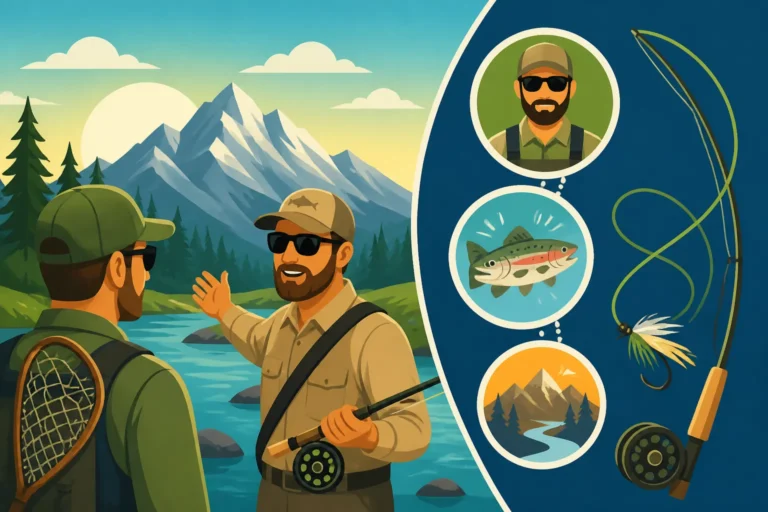
Thinking about getting into fishing in Wyoming, but feel completely overwhelmed by where to start? You're not alone! Many aspiring anglers, especially those with little to no experience, often wonder if booking a guided trip is a good idea, or if it's just for seasoned pros looking for trophy fish. This guide is here to tell you that not only are guided trips good for complete beginners, they might just be the best way to kickstart your journey into the incredible world of Wyoming fishing.
The Beginner's Dilemma: Why Guided Trips Feel Intimidating at First
It's completely understandable to feel a bit hesitant about booking a guided fishing trip when you're a total novice. You might picture a seasoned guide rolling their eyes as you bumble with your line, or imagine yourself spending a small fortune only to feel out of place. This feeling of intimidation is a common hurdle, but it's one that can be easily overcome once you understand what a quality guided trip truly offers.
Overcoming the Intimidation Factor
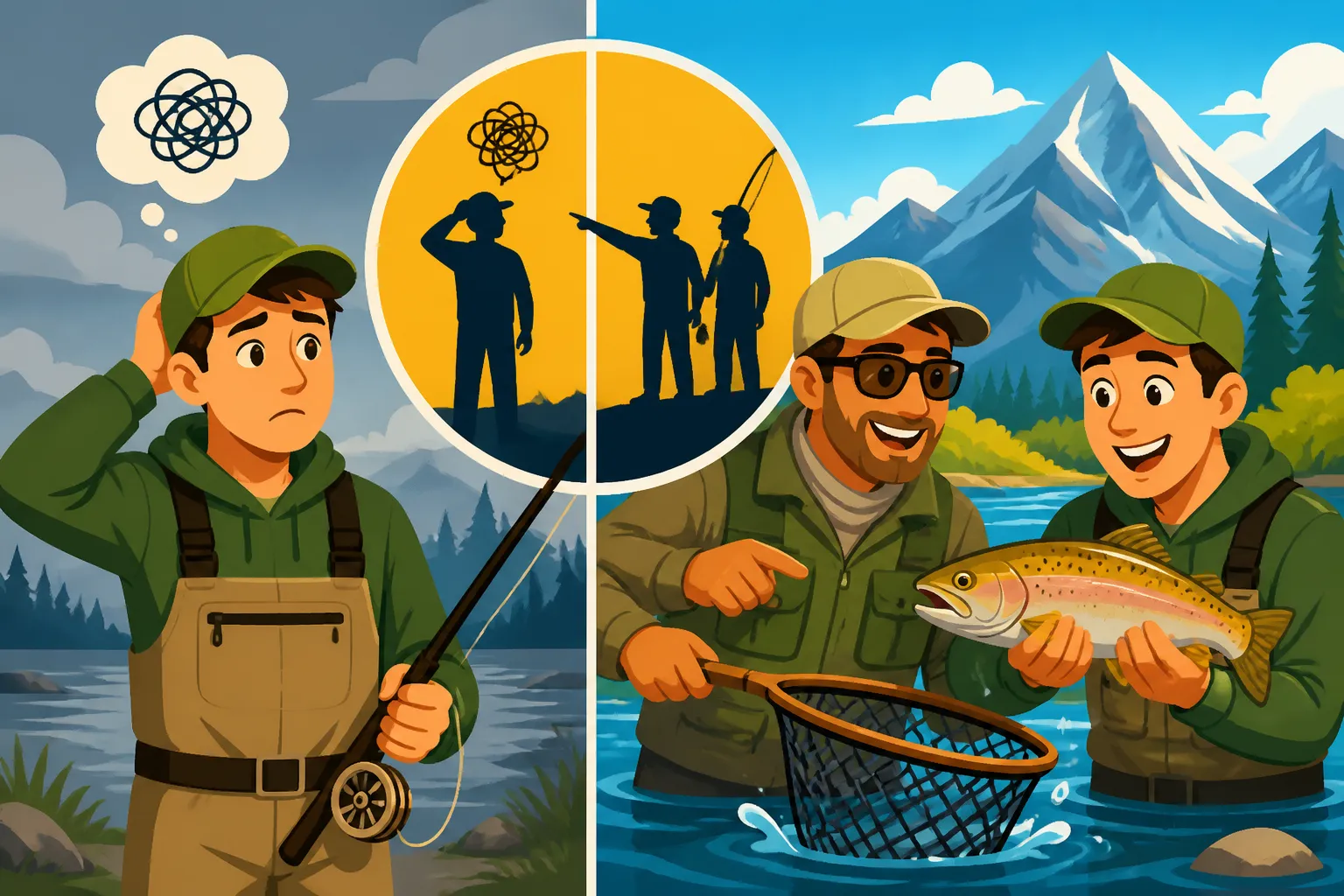
Many beginners worry about holding up the group, making mistakes, or simply not knowing the lingo. There's this unspoken pressure to perform, even when you're just learning. You might be concerned that guides prefer clients who already know how to cast, identify fish, or tie complex knots. This couldn't be further from the truth for a good, reputable guide who works with all skill levels. Their job, especially with beginners, is as much about teaching and encouraging as it is about finding fish. They understand that everyone starts somewhere, and they often derive great satisfaction from introducing someone new to the joys of angling. Think of it less as a performance review and more as a hands-on workshop led by a patient expert.
Moreover, the best guides cultivate an atmosphere that is welcoming and supportive. They know that a relaxed angler is a happy angler, and a happy angler is more likely to learn and enjoy their time on the water. They'll adjust their pace to yours, celebrate small victories, and gently correct mistakes without judgment. The goal isn't just to catch fish, but to foster a love for the sport and the outdoors. Many guides even offer special beginner or family-friendly packages specifically designed for those who are new to fishing.
Investment vs. Value for New Anglers
Another big question beginners often have is about the cost. Guided trips aren't cheap, and for someone unsure if fishing is even "their thing," it can feel like a significant financial commitment. You might think, "Why spend money on a guide when I could just buy a cheap rod and try it myself?" And while there's certainly a place for DIY exploration, the value a guided trip offers to a beginner goes far beyond just a day on the water.
Consider what you're actually paying for:
- All the Gear: A guide provides high-quality rods, reels, tackle, and often even waders or rain gear. This saves you the initial, often confusing, expense of buying equipment you might not understand or need right away.
- Expert Knowledge: You get instant access to years of local wisdom about fish behavior, water conditions, and prime locations that would take you countless hours, or even years, to acquire on your own.
- Instruction: This is perhaps the biggest value. You receive personalized casting lessons, knot-tying tutorials, advice on reading water, and tips on presentation – all tailored to your learning style and specific needs. You're learning correct techniques from the outset, avoiding bad habits that are tough to break later.
- Safety: Navigating unfamiliar waters, especially in Wyoming's diverse and sometimes rugged terrain, carries risks. A guide ensures your safety, from navigating currents to understanding local wildlife.
- Time Efficiency: Instead of spending hours driving to random spots, setting up gear incorrectly, and getting frustrated by lack of bites, a guide puts you on fish much faster, maximizing your actual fishing time.
When you weigh these factors, a guided trip transforms from an expense into an investment in a foundational learning experience. It jumpstarts your fishing education in a way that self-teaching simply cannot match. You'll gain skills and confidence that will make your future independent fishing trips far more successful and enjoyable. What a Guided Wyoming Fishing Trip Costs can give you an idea of the general range, but remember to factor in all the inclusions.
The Undeniable Benefits of Guided Trips for Beginners
Let's dive into why, despite initial hesitations, a guided trip is often the perfect entry point for anyone new to fishing, especially in a state as vast and diverse as Wyoming. It’s like getting a fast-pass to competence and enjoyment.
Expert Instruction and Skill Building
Imagine trying to learn to drive a car by just reading a manual and then hitting the highway. Sounds daunting, right? Learning to fish is similar. There's theory, but nothing beats hands-on instruction. A good guide acts as your personal tutor, offering real-time feedback and demonstrating techniques that you can immediately put into practice.
For instance, they won't just tell you to "cast." They'll break down the mechanics: how to hold the rod, the rhythm of the backcast and forward cast, where to aim, and how to mend your line. If you're struggling with a specific cast on the North Platte River, they'll show you exactly how to adjust for the wind or current. Fly Fishing Techniques for Wyoming Trout Streams often feel like a foreign language to beginners, but a guide can make them accessible. They'll explain why a certain fly pattern is chosen for a particular hatch, or how to "read" the subtle movements of an indicator when nymphing. This direct, personalized coaching is invaluable and accelerates your learning curve exponentially. You'll finish the day not just with memories, but with tangible skills you can build upon.
Access to Prime Fishing Spots and Gear
One of the biggest headaches for new anglers is simply figuring out where to go. Wyoming has an abundance of incredible waters, from the Snake River to Flaming Gorge, but knowing which stretches are fishing well, which areas are accessible, and which species are active can feel like a guessing game. Guides eliminate this guesswork entirely.
They spend countless hours on the water, tracking conditions, fish movements, and optimal times. They know the secret holes, the subtle seams where trout hold, and the best depths for walleye in a reservoir. This local knowledge is gold. You won't waste precious time driving around, getting lost, or fishing unproductive water. Instead, you'll be dropped directly into the action, increasing your chances of success and enjoyment. Plus, as mentioned, they provide all the specialized gear. Imagine trying to outfit yourself for a full day of Trolling Techniques for Wyoming Reservoirs or figuring out what specific Best Wyoming Fly Patterns for Cutthroat Trout you need for a given river. A guide has it all, and they know exactly how to rig it for the day's conditions, often saving you hundreds, if not thousands, in initial equipment purchases.
| Feature | DIY Fishing (Beginner) | Guided Fishing (Beginner) |
|---|---|---|
| Gear Provided | Must purchase or borrow all equipment. | All necessary gear (rods, reels, tackle, waders) usually included. |
| Location Knowledge | Relies on maps, online research, trial-and-error. | Expert local knowledge of current hot spots and conditions. |
| Instruction | Self-taught, videos, books; no real-time feedback. | Personalized, hands-on coaching, immediate feedback. |
| Safety | Responsible for own safety, unfamiliar hazards. | Guide handles safety, navigation, and emergency protocols. |
| Fish Success Rate | Highly variable, often low initially due to inexperience. | Significantly higher chance of locating and catching fish. |
| Cost | Initial gear purchase cost; ongoing bait/tackle. | Upfront guide fee (covers gear, knowledge, boat, time). |
| Learning Curve | Slow, often frustrating, risk of developing bad habits. | Accelerated, efficient, builds correct fundamentals quickly. |
| Overall Experience | Can be frustrating and confusing. | Educational, enjoyable, confidence-building. |
Safety and Local Knowledge
Wyoming's outdoor environment is stunning, but it demands respect. For beginners, understanding potential hazards, navigating terrain, and even knowing basic outdoor first aid might not be top of mind. This is where a guided trip truly shines.
Your guide is not just a fishing expert; they are also a trained outdoor professional. They know the local weather patterns and how quickly conditions can change. They're familiar with the currents of rivers like the Green River below Flaming Gorge Dam or the deeper sections of Wyoming's Flaming Gorge Reservoir Fishing Guide. They can identify dangerous wading conditions, spot wildlife that might pose a threat, and are equipped with safety gear and communication devices. This peace of mind allows you, as a beginner, to fully immerse yourself in the fishing experience without worrying about getting lost, injured, or running afoul of regulations. They also ensure you understand and adhere to local rules, such as How Bag and Possession Limits Work in Wyoming or specific bait restrictions, preventing accidental violations. Having a professional focused on your safety and comfort means you can focus entirely on learning and enjoying your time on the water.
What to Look for in a Beginner-Friendly Guide
So, you're convinced a guided trip is the way to go. Fantastic! But how do you choose the right guide, especially when you're a beginner and want someone who is patient and understands your needs? It's crucial to do a little homework to ensure you have a positive and productive first experience.
Communication and Patience
When you're shopping for a guide, don't be afraid to be upfront about your experience level. In fact, it's encouraged! A great beginner-friendly guide will explicitly state on their website or during initial conversations that they welcome novices. Look for language that emphasizes teaching, patience, and a family-friendly atmosphere. During your initial inquiry, pay attention to how they respond. Do they answer your questions thoroughly? Do they seem enthusiastic about teaching?
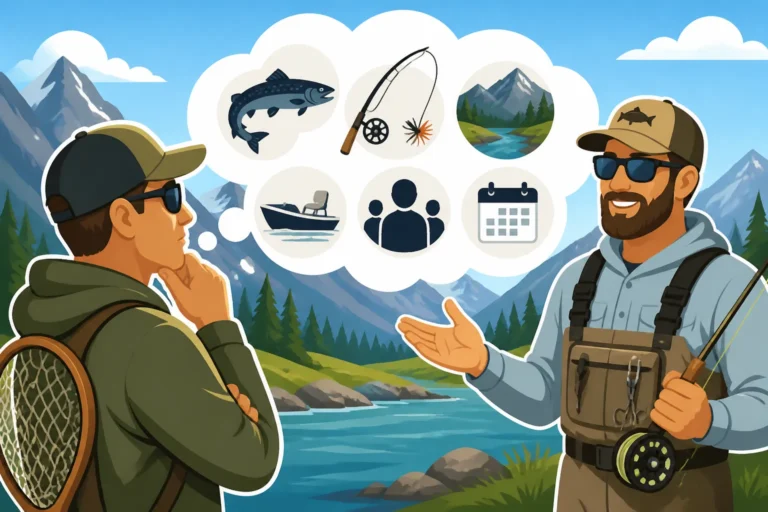
A guide who is truly great with beginners will ask you questions. They'll want to know if you've ever fished before, what your goals are for the day (e.g., just to catch anything, to learn to cast, to understand different techniques), and if you have any specific concerns. This open dialogue helps them tailor the trip to your needs. For instance, if your goal is solely to catch fish, they might focus on a more active spot with bait. If you're keen to learn fly casting, they'll dedicate time to instruction. Reviews from past clients, particularly those mentioning "first-timers" or "kids," can offer great insights into a guide's patience and teaching ability. Many guides in popular areas like Jackson Hole offer Beginner-Friendly Wyoming Fishing Guides specifically.
All-Inclusive Packages
For beginners, simplicity is key. The less you have to worry about, the more you can focus on learning and enjoying. Look for guides or outfitters who offer truly "all-inclusive" packages. This typically means:
- Gear: Rods, reels, tackle, and flies or bait.
- Safety Equipment: Life jackets, first aid.
- Logistics: Transportation to and from the river/lake, if applicable.
- Sometimes: Lunch, snacks, and non-alcoholic beverages.
Confirming these details upfront will save you headaches and unexpected costs. The last thing you want as a beginner is to show up and realize you needed to bring your own waders or a specific type of lure. A truly beginner-focused guide understands these barriers and aims to remove them. They want you to show up, ready to learn and fish, without worrying about the minutiae.
Checking Reviews and Booking Platforms
Before committing to a guide, take the time to read reviews. Websites like FishingBooker are excellent resources for finding reputable guides and reading authentic feedback from previous clients. When browsing on FishingBooker, pay close attention to reviews that specifically mention the guide's approach to teaching beginners, their patience, and how well they handled first-time anglers or families.
Look for consistency in positive feedback regarding their instructional style and overall demeanor. Does the guide receive praise for making the trip fun and educational, even if the fish weren't biting? This indicates a guide who prioritizes the client experience over just the catch count, which is vital for beginners. A platform like FishingBooker also allows you to compare different guides, check their availability, and often communicate directly with them to ask specific questions about their beginner-friendly services. This transparency is incredibly helpful when you're trying to find the perfect match for your first fishing adventure.
Setting Realistic Expectations for Your First Guided Trip
While a guided trip significantly increases your chances of a successful and educational outing, it's still fishing, and fishing always comes with an element of unpredictability. Going in with the right mindset will ensure you have a fantastic experience, regardless of how many fish you catch.
It's About the Experience, Not Just the Catch
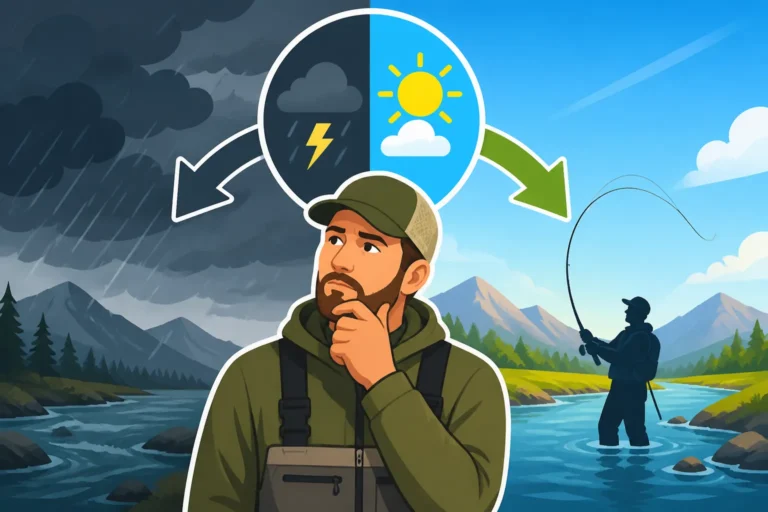
One of the most important lessons for any new angler, guided or not, is that fishing isn't always about catching the biggest fish, or even catching any fish. While guides work incredibly hard to put you on fish, Mother Nature often has the final say. Weather, water conditions, fish moods, and a myriad of other factors can influence the bite.
For a beginner, the true value of a guided trip lies in the learning opportunity and the overall experience. It's about:
- Learning to cast correctly.
- Understanding the different types of fishing knots.
- Identifying what fish eat (e.g., What Yellowstone Cutthroat Trout Eat).
- Learning how to "read" the water and identify likely fish habitats.
- Enjoying the stunning scenery of Wyoming's rivers and lakes.
- Spending a day outdoors, unplugged and immersed in nature.
If you happen to catch a few fish, that's the cherry on top! But even if the fish are finicky, you'll still come away with new skills, a deeper appreciation for the sport, and a much better understanding of how to approach your next fishing adventure. A good guide will emphasize this perspective, making sure the trip is enjoyable and educational even if the fish aren't cooperating.
What to Bring (or Not Bring)
While most beginner-friendly guided trips are all-inclusive regarding fishing gear, there are a few personal items you should absolutely bring to ensure your comfort and enjoyment:
- Clothing Layers: Wyoming weather can change rapidly, even in summer. Dress in layers, avoiding cotton if possible (it stays wet and cold). Think synthetic fabrics or wool. A rain jacket and pants are always a good idea, even if the forecast looks clear. What to Wear on a Wyoming Guided Fishing Trip is essential reading.
- Sun Protection: Sunscreen, a wide-brimmed hat, and polarized sunglasses are non-negotiable. The sun reflecting off the water can be intense, and polarized lenses help you see into the water better.
- Water Bottle: Stay hydrated! Your guide might provide drinks, but having your own water bottle is always smart.
- Snacks: If lunch isn't explicitly included, or if you get hungry easily, bring some non-perishable snacks.
- Camera: To capture the beautiful scenery and, hopefully, your first catch!
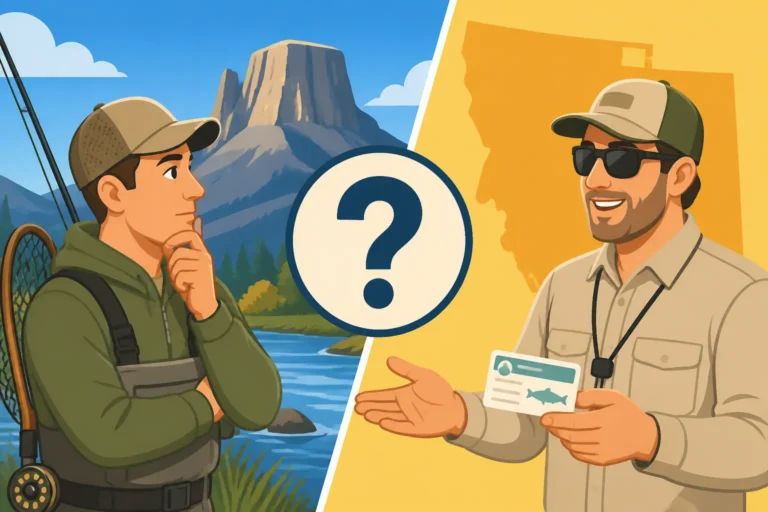
- Fishing License: This is crucial! You will almost always need your own Wyoming Fishing License Guide for Nonresidents or resident license, even on a guided trip. Guides cannot typically sell you a license on the spot. Make sure to purchase it online or from a local vendor before your trip. Where and How to Buy a Wyoming Fishing License can help.
- Gratuity: It's customary to tip your guide for a good job. Factor this into your budget. How Much to Tip a Wyoming Fishing Guide offers good advice.
On the "what not to bring" side, generally leave your own fishing gear at home unless you've specifically discussed it with your guide. They have the right equipment for the conditions, and it simplifies logistics. Also, avoid bringing anything too valuable that could get wet or lost. Keep it simple and focused on comfort and safety.
In conclusion, for complete beginners, a guided fishing trip in Wyoming is arguably the most efficient, enjoyable, and educational way to dive into the world of angling. It strips away the complexities and frustrations often associated with starting a new hobby, providing you with expert instruction, access to prime locations, and a safe, supportive environment. Instead of fumbling around on your own, you'll gain confidence and skills from day one, setting you up for a lifetime of fishing adventures.
Disclaimer
This article is for general informational purposes only and does not constitute professional advice. Laws, prices and regulations vary by location and change over time. Consult a qualified professional for guidance on your specific situation.