Are Guided Trips Available Inside Grand Teton National Park?
One common question I hear from folks planning their dream fishing trip to Wyoming, especially those with their sights set on the stunning Teton Range, is whether they can actually hire a guide to take them fishing inside Grand Teton National Park. It's a valid question, often met with conflicting information or vague answers, leaving anglers confused about what's allowed and what's not in such a protected and iconic landscape. This guide aims to cut through that confusion, clarifying the reality of guided fishing trips within Grand Teton National Park and helping you plan your adventure responsibly and effectively.
Understanding Grand Teton's Unique Fishing Regulations
Fishing in a national park is never quite as straightforward as casting a line in a state-managed river or reservoir. Grand Teton National Park, with its breathtaking scenery and vital ecosystems, operates under a distinct set of rules designed to preserve its natural beauty and wildlife. This often means different guidelines for everything from licenses to what kind of bait you can use, and yes, even who can guide you.
The National Park Service Perspective
The National Park Service (NPS) manages all activities within Grand Teton National Park, and their primary mission is conservation. This means that while fishing is permitted in many areas, it's regulated much more strictly than in surrounding state lands. The NPS issues specific permits for commercial activities, including guided fishing, to ensure that these operations don't negatively impact the park's resources or visitor experience. Not just any guide with a state license can waltz in and start leading trips. There's a rigorous application and approval process for outfitters to even get the chance to operate within the park boundaries. This is why you might hear that guides are "hard to find" for the park – only a select few are authorized. It's not about exclusivity for its own sake, but about careful management. You'll find similar, if not even stricter, rules if you ever consider fishing just north in Fishing Rules Inside Yellowstone National Park.
Designated Fishing Waters Within the Park
It's also crucial to understand that not all waters within Grand Teton National Park are open to guided fishing, or even public fishing for that matter. Some lakes and streams are designated for catch-and-release only, some have specific gear restrictions, and others might be entirely closed to protect spawning fish or sensitive wildlife habitats. For instance, while larger lakes like Jackson Lake and Jenny Lake offer fishing opportunities, the rules can vary significantly from one body of water to another. Smaller, more secluded backcountry lakes might have different regulations altogether, often requiring more self-sufficiency. Always check the official park fishing regulations booklet or website for the most current information, as these rules can change to adapt to environmental conditions or conservation needs. It's a bit like navigating a maze, but knowing that the NPS prioritizes the health of the fishery helps make sense of the intricate web of rules. For a broader overview of state rules, check out Wyoming Fishing Regulations Every Angler Should Know.
State vs. Federal Waters: A Key Distinction
Here's where it gets a little tricky and often causes confusion for anglers: the difference between state and federal regulations. While Grand Teton National Park is located entirely within Wyoming, the fishing regulations are primarily set and enforced by the National Park Service, not the Wyoming Game and Fish Department. This means that your standard Wyoming fishing license, while absolutely necessary, isn't the only permit you need. You'll also need to comply with the specific park regulations, which might include different daily limits, possession limits, bait restrictions, or even specific opening and closing dates for certain waters that deviate from the statewide rules. It's a layering of regulations, and ignoring the park-specific ones can lead to fines and a ruined trip. Think of it like this: you need a driver's license to drive anywhere, but you also need a parking permit to park in a specific national park lot. Both are essential. This distinction is vital when considering Do You Need a Wyoming License to Fish in Grand Teton National Park?.
Navigating Guided Fishing Opportunities in Grand Teton
So, with those distinct regulations in mind, let's talk about what "guided fishing" actually looks like inside Grand Teton National Park. It's not always the broad, free-ranging experience you might find on state lands, but it can still be incredibly rewarding.
What "Guided" Truly Means Here
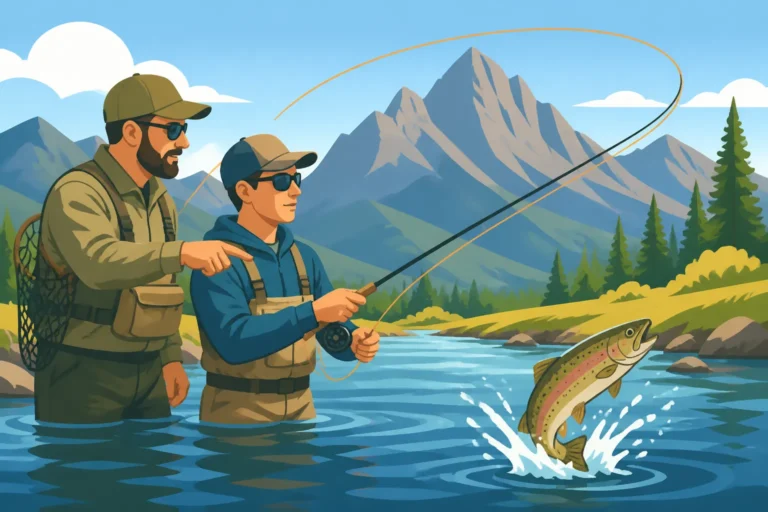
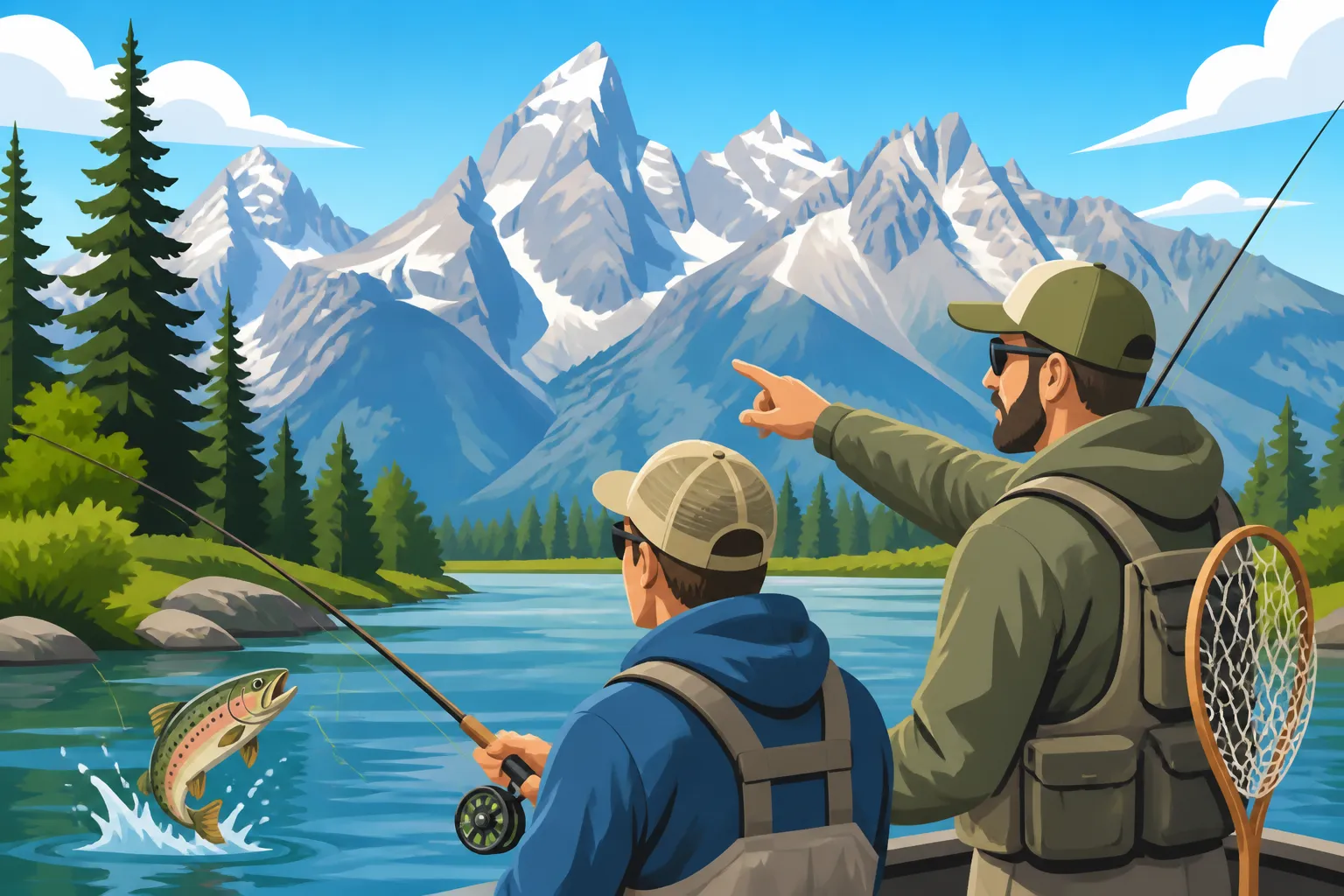
When we talk about a "guided trip" within Grand Teton National Park, we're generally referring to an outfitter or guide service that has obtained a Commercial Use Authorization (CUA) from the National Park Service. This CUA specifically permits them to operate within the park's boundaries and offer services like guided fishing. These are not your casual, fly-by-night operations. The NPS scrutinizes these businesses heavily to ensure they meet strict safety standards, carry proper insurance, and adhere to all park regulations. This level of oversight means you can trust that an authorized guide knows the specific rules for the waters you'll be fishing, what species are open, and what tackle is legal. They are stewards of the park as much as they are fishing experts. If you're looking for guidance, understanding Hiring a Fishing Guide in Wyoming can set a good foundation.
The scope of a guided trip inside the park can also be somewhat limited compared to, say, a float trip on a river outside park boundaries. For instance, while you might find incredible float trips available on the Snake River outside Grand Teton, within the park, many guided trips focus on specific lakes or accessible river stretches where commercial operations are allowed. This is by design, to manage visitor impact and preserve quieter areas.
Licensed Outfitters and Their Operating Areas
Only a select number of outfitters and guides are permitted to conduct commercial fishing trips within Grand Teton National Park. These are the folks who have gone through the stringent NPS permitting process. You won't find every guide listed on a general search engine able to legally guide within the park. It's a highly competitive and limited field.
When you're researching, look for guides or companies that explicitly state they are "NPS authorized" or "permitted to operate in Grand Teton National Park." They will typically advertise specific trips to waters like Jackson Lake, Jenny Lake, or certain sections of the Snake River that flow through the park. These authorized guides know the ins and outs of fishing these specific waters, from where the fish hold to the exact regulations that apply. They often provide all the necessary gear, including rods, reels, and sometimes even flies or lures that comply with park rules, taking a huge burden off your shoulders. For example, some might specialize in Guided Fishing Trips in Grand Teton National Park, Wyoming, focusing on the unique challenges and opportunities there. Many of these legitimate outfitters are often listed on official park partner websites or can be found through reputable booking services like FishingBooker, which often vets guides for proper licensing and permits.
The Role of Non-Licensed Activities
What about if you don't hire a guide? Can you still fish in Grand Teton? Absolutely! You are welcome to fish independently in authorized waters, provided you have your Wyoming fishing license and adhere to all park regulations. This is where many anglers choose to go, particularly if they are experienced and prefer a more solitary experience. However, there are distinctions in what you can do. For example, while you can fish from the shore of Jackson Lake, launching your own boat might require a separate park boat permit and aquatic invasive species inspection.
The key difference with non-licensed activities is that you are responsible for knowing and following every single rule. There's no professional there to remind you about the barbless hook requirement on a certain river section or the specific length limits for cutthroat trout. This is why having a guide, even if limited to specific areas, can be incredibly valuable for those unfamiliar with the park's intricacies or who simply want to maximize their fishing time without stressing over rules. It's important to differentiate between simply fishing on your own and having a commercial operation. For guides, the National Park Service Permits for Fishing Guides are non-negotiable.
How to Find a Reputable Guide for Grand Teton Area Fishing
So, you've decided a guided trip within or near Grand Teton National Park is for you. Now, how do you actually find one of these licensed, knowledgeable professionals? It takes a bit of research, but it's well worth the effort to ensure a smooth and successful trip.
What to Look For in a Grand Teton Fishing Guide
When vetting potential guides, here are some key things to prioritize:
- NPS Authorization: This is non-negotiable for fishing within the park. Ask to see proof of their Commercial Use Authorization (CUA) for Grand Teton National Park. Any reputable guide will be transparent about this. If they try to skirt the issue or say they'll just "meet you inside," that's a red flag.
- Experience in Park Waters: Look for guides who specialize in the specific lakes or river sections you want to fish within the park. Someone who primarily guides on the North Platte River may not have the same intimate knowledge of Jackson Lake.
- Safety and Equipment: A good guide will prioritize your safety. This includes having proper safety gear on their boat (if applicable), being CPR/First Aid certified, and using well-maintained equipment. They should provide appropriate rods, reels, and tackle that comply with park regulations.
- Client Reviews and Reputation: Check online reviews on platforms like Google, social media, or dedicated fishing forums. A guide with a consistent track record of positive experiences, professionalism, and fish caught is a strong candidate.
- Conservation Ethic: Guides operating in a national park should embody a strong conservation ethic. They should promote catch-and-release where appropriate, educate clients on ethical angling, and respect the park's natural resources.
Remember, finding a guide for this specific area is about finding someone who not only knows how to catch fish but also respects and operates within the park's protective framework. Don't be afraid to ask detailed questions before booking. Questions about What Makes a Guide Legal to Operate in Wyoming are always valid.
Booking Through Services and Local Shops
One of the easiest ways to find authorized guides is by utilizing reputable booking platforms or contacting local fly shops and outfitters directly.
- Online Booking Platforms: Websites like FishingBooker are excellent resources. They often list guides by location and specify which parks or protected areas they are authorized to operate in. You can filter by species, technique, and even see customer reviews all in one place. Using a platform like FishingBooker helps ensure you're connecting with legitimate, licensed professionals rather than risking an unlicensed operation.
- Local Fly Shops and Outfitters: In towns surrounding Grand Teton National Park, such as Jackson, Wilson, or Driggs (just over the pass in Idaho), local fly shops are invaluable. They often employ or have close relationships with authorized guides. These shops can provide current fishing reports, gear recommendations, and connect you with guides who know the park waters intimately. They often handle the booking process for you, simplifying the logistics.
- Park Concessionaires: Some of the larger concessionaires within Grand Teton National Park might offer guided fishing trips as part of their activities. Checking their official websites or visitor centers can sometimes yield options, especially for larger lakes like Jackson Lake.
No matter where you book, always confirm the guide's authorization for Grand Teton National Park explicitly.
Preparing for Your Guided Park Adventure
Once you've booked your guide, a little preparation goes a long way.
- Licenses and Permits: Double-check that you have your Wyoming fishing license and any necessary park permits (like a boat permit if you're taking your own vessel, though a guide's boat will typically be covered by their CUA). Your guide can advise you on the specifics. Don't forget the Wyoming Conservation Stamp Cost which is usually required with your license.
- Appropriate Clothing: The weather in the Tetons can change rapidly, even in summer. Dress in layers, including waterproof outerwear, even on a sunny forecast day. Sun protection (hat, sunglasses, sunscreen) is also critical at high altitudes.
- Food and Drink: While some full-day trips might include lunch, always confirm with your guide. Bring plenty of water and snacks to keep your energy up.
- Camera: The scenery alone is worth capturing! Just remember to keep it secure and protected from water.
- Gratuity: It's customary to tip your guide for a good day on the water. Check out Tipping Etiquette for Wyoming Fishing Guides for more details.
Being prepared not only makes your trip more enjoyable but also allows your guide to focus on finding fish rather than sorting out logistics. For a comprehensive list, you can refer to What to Bring on a Guided Wyoming Fishing Trip.
Important Considerations for Your Trip
Fishing in Grand Teton National Park is about more than just catching fish; it's about experiencing and preserving a truly special place. Keep these points in mind for a respectful and successful adventure.
Permits, Licenses, and Conservation Stamps
Let's reiterate, because this is often where people get tripped up. To legally fish anywhere in Wyoming, including within Grand Teton National Park, you need a valid Wyoming fishing license. If you're 14 years or older, this is a non-negotiable requirement. For most adult anglers, you'll also need a Wyoming Conservation Stamp, which helps fund wildlife management and conservation efforts across the state. These can be purchased online through the Wyoming Game and Fish Department website, at authorized license vendors (like sporting goods stores or even some Walmart locations), or sometimes directly from your guide if they are a vendor.
For fishing inside Grand Teton National Park specifically, while your Wyoming license covers the state aspect, the NPS sets its own additional fishing regulations. Your guide will have their Commercial Use Authorization, which allows them to operate. As an individual angler, you still need your state license. There isn't a separate "park fishing license" for individuals, but you must follow the specific park rules for bait, tackle, limits, and areas open to fishing, which often differ from general state regulations. Always carry your license on your person, either a physical copy or a digital one on your phone, as park rangers do check. Understanding License Requirements for Booking a Wyoming Fishing Guide is crucial.
Catch and Release vs. Keeping Fish
Grand Teton National Park places a strong emphasis on preserving its native fish populations, particularly the various subspecies of cutthroat trout. Many waters within the park are designated "catch and release only" for certain species, or have very restrictive limits on size and number. Your guide will be well-versed in these rules.
Even in waters where keeping fish is permitted, it's generally encouraged to practice selective harvest. This means only keeping what you plan to eat and releasing larger, breeding-size fish to ensure healthy populations for the future. Many anglers who fish in the park choose to release all fish caught, opting for the experience over the meal. If you do plan to keep fish, be absolutely certain you understand and comply with all bag and possession limits for the specific water and species, as outlined in the park's regulations. Violations can lead to significant fines.
Protecting the Park's Natural Environment
A guided fishing trip in Grand Teton National Park is an opportunity to connect with nature, and with that comes a responsibility to protect it.
- Leave No Trace: Pack out everything you pack in. This includes all trash, fishing line scraps, and any other waste. Do not leave anything behind.
- Respect Wildlife: You'll likely encounter wildlife in the park. Maintain a safe and respectful distance from all animals, and never feed them. Your guide will be an excellent resource for wildlife viewing etiquette.
- Prevent Invasive Species: Aquatic invasive species (AIS) are a huge threat to Wyoming's waters. If you're bringing your own boat or gear into the park, ensure it's clean, drained, and dry before entering. Wyoming has mandatory AIS inspections for all boats entering the state, and the park also has its own protocols. Your guide's equipment will already be compliant.
- Stay on Trails and in Designated Areas: When fishing from shore or wading, stick to established access points and trails to minimize impact on delicate ecosystems. Avoid trampling vegetation or disturbing sensitive areas.
Being a responsible angler and visitor ensures that Grand Teton National Park remains a pristine and incredible place for future generations to enjoy. It's about being an active participant in conservation, not just a spectator. Consider the broader context of Fishing Spots Inside Grand Teton National Park, Wyoming and how your actions impact them.
| Aspect of Guided Fishing | State-Managed Waters (e.g., North Platte River outside parks) | Grand Teton National Park Waters |
|---|---|---|
| Guide Authorization | Wyoming Outfitter/Guide License required | Wyoming Outfitter/Guide License AND NPS Commercial Use Authorization (CUA) required |
| Fishing License | Wyoming State Fishing License + Conservation Stamp | Wyoming State Fishing License + Conservation Stamp (Same as state, but park rules apply over state limits) |
| Regulations | Primarily Wyoming Game & Fish Regulations | Primarily National Park Service Regulations (often stricter on bait, tackle, catch limits, C&R) |
| Water Access | Broader range of public access, private land easements | Limited to designated waters and access points for guided trips, often focused on main lakes and specific river sections |
| Bait/Tackle Rules | Varies by water, generally more options | Often highly restrictive (e.g., artificial flies/lures only, barbless hooks, specific bait prohibitions) |
| Conservation Focus | Conservation important, managed for recreational harvest | Primary emphasis on resource protection, native species, and wild populations, often catch-and-release focus |
| Boat Permits | State registration required for motorized boats | State registration AND NPS boat permit + AIS inspection required for motorized boats (if applicable) |
| Cost | Generally comparable, but park CUA may add slight premium | Can be slightly higher due to additional permit requirements and specialized knowledge |
Disclaimer
This article is for general informational purposes only and does not constitute professional advice. Laws, prices and regulations vary by location and change over time. Consult a qualified professional for guidance on your specific situation.