Best Season to Book a North Platte Guide
Trying to decide on the absolute "best" season to book a guided fishing trip on Wyoming's legendary North Platte River can feel like trying to hit a moving target. With its reputation for big, wild trout and incredible scenery, every angler dreams of that perfect day. But what one person considers perfect, another might find challenging. This guide will help you navigate the nuances of each season, so you can confidently choose the ideal time for your unforgettable guided North Platte adventure.
The North Platte's Unique Allure and Why Seasonal Timing is Key
The North Platte River, particularly the stretches below Gray Reef and Pathfinder reservoirs, is renowned worldwide as a blue-ribbon trout fishery. It's a place where trophy rainbow and brown trout aren't just a dream, but a real possibility, thanks to stable water temperatures from the reservoir releases and an abundant food source. But this very stability, combined with Wyoming's dramatic seasonal shifts, means the river offers distinctly different experiences throughout the year.
Booking a guide is a fantastic way to unlock the river's secrets. A seasoned North Platte guide knows the currents, the holding water, the subtle changes in fish behavior, and exactly what flies or techniques will be most effective on any given day. They can put you on fish when you might otherwise struggle. But even the best guide can't change the weather, the water levels, or the natural instincts of the fish, all of which are heavily influenced by the season. What's biting in July is very different from what's active in November. Understanding these seasonal variations isn't just about catching fish; it's about setting realistic expectations and tailoring your trip to your personal fishing desires. You might be dreaming of dry fly fishing, only to arrive in spring runoff when nymphing is the only viable option, and that can be a real disappointment if you're not prepared.
Seasonal Breakdown: What to Expect on a Guided North Platte Trip
Each season on the North Platte offers a unique set of conditions, challenges, and rewards. When considering booking a guide, it's vital to think about what kind of fishing experience you're truly after.
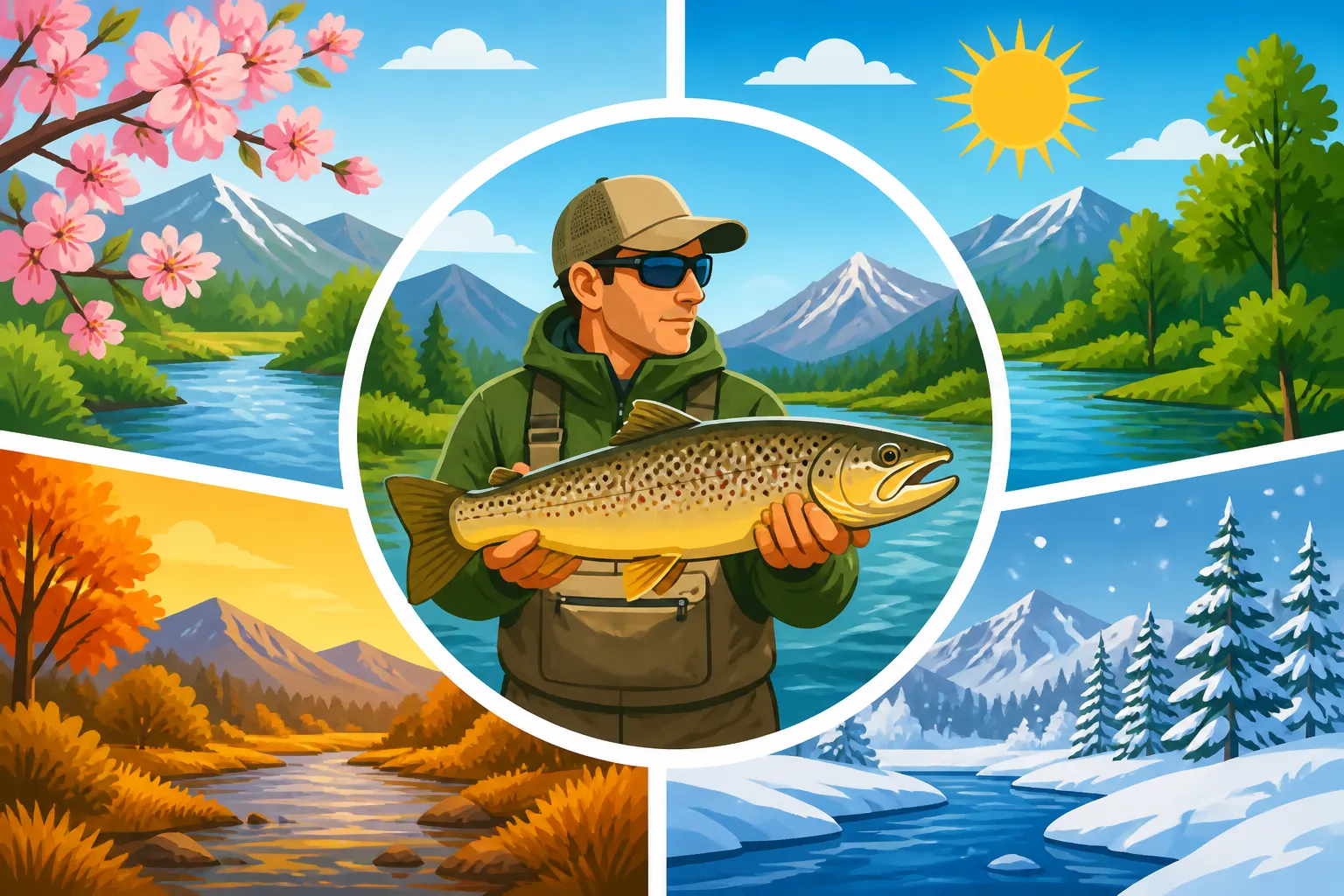
Spring: The Awakening (April-May)
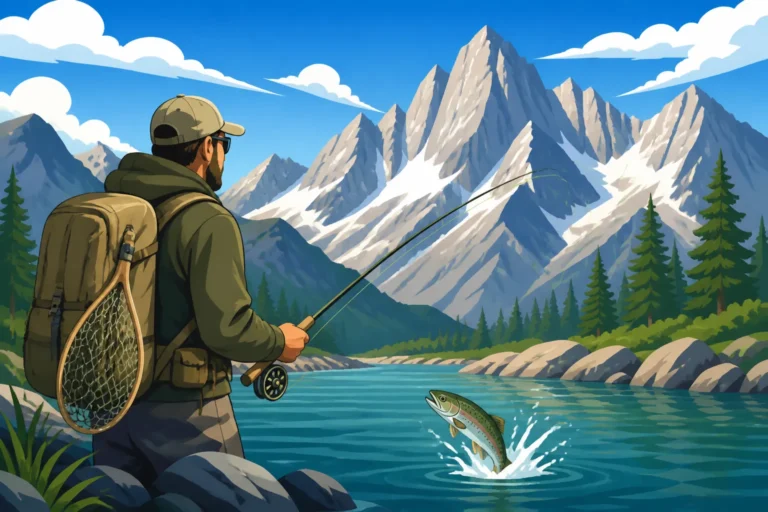
Spring on the North Platte is a period of transition, often characterized by rising water levels as snowmelt begins further upstream, though the tailwater sections below the dams remain more stable. This can be a truly exciting time, as fish become more active after winter's chill, feeding heavily on emerging insects.
- Pros:
- Emerging Hatches: As the water warms, you'll start to see prolific hatches of midges and baetis (blue-winged olives), offering excellent nymphing opportunities and, on calmer days, some dry fly action. Your guide will know the patterns to use, making a huge difference.
- Less Crowds: Generally, spring sees fewer anglers than the peak summer months, meaning you might have more stretches of river to yourself. If solitude is high on your list, this is a definite plus.
- Active Fish: Trout are hungry and aggressive, particularly the rainbows getting ready to spawn or recovering from it, and the browns actively feeding.
- Cons:
- Variable Weather: Wyoming springs are notoriously unpredictable. You can experience sunshine, snow, wind, and rain all in the same day. Dressing in layers and being prepared for anything is crucial.
- Runoff Impact: While the tailwaters are somewhat protected, higher flows from tributaries can still introduce turbidity, making sight fishing challenging and sometimes pushing fish to different lies. A guide is invaluable for navigating these conditions. This is where insights from Fishing Wyoming During Spring Runoff can come in handy.
- Water Conditions: Some sections might experience higher, faster flows, making wading difficult or impossible. Your guide will focus on drift boat fishing during these times.
Summer: Peak Season & Dry Fly Heaven (June-August)
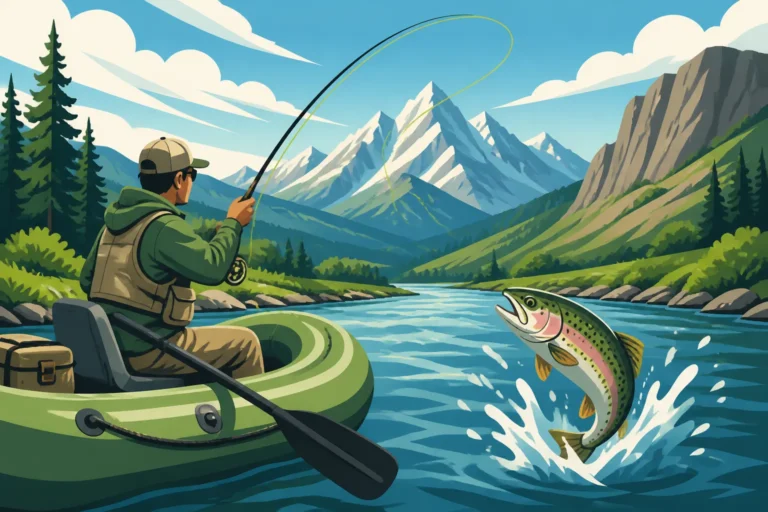
Summer is arguably the most popular time to fish the North Platte, and for good reason. The weather is generally warm and stable, and the river comes alive with incredible insect activity.
- Pros:
- Prolific Hatches: This is prime time for major hatches like caddis and various mayflies, and especially the famous golden stoneflies and yellow sallies. For many, this is the "dream season" for consistent dry fly fishing. A guide can help you dial in the exact patterns and presentations. You'll definitely want to check out Dry Fly Fishing on the North Platte River if this is your goal.
- Warm Weather: Enjoying sunny days on the water without bundling up is a huge draw for many anglers.
- Active Fish: With abundant food, trout are looking up and feeding aggressively. You can often see fish rising, adding to the excitement.
- Cons:
- Crowds: Because it's so popular, expect more people on the river, especially on weekends and prime stretches like the Miracle Mile and Gray Reef. If you're using a platform like FishingBooker to find a guide, you'll see how quickly slots fill up.
- Booking Difficulty: Guides get booked solid months in advance for summer trips. If this is your target, you need to plan far ahead.
- Pressured Fish: With more anglers, fish can become warier. A guide's expertise in presentation and fly selection becomes even more critical.
Fall: Trophy Brown Trout & Solitude (September-November)
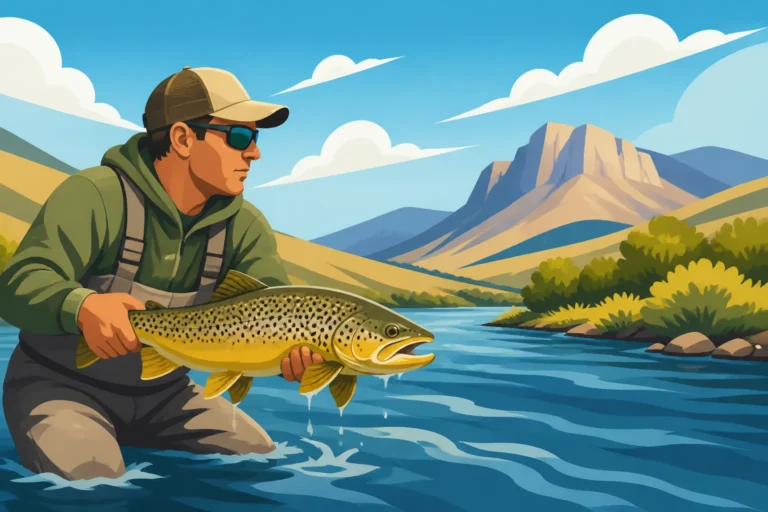
Fall fishing on the North Platte is a favorite for many seasoned anglers. The cooler temperatures, brilliant foliage, and the aggressive behavior of spawning brown trout create a truly special atmosphere.
- Pros:
- Brown Trout Spawning Run: As water temperatures drop, brown trout begin their annual migration upstream, becoming incredibly aggressive and territorial. This is your best chance at hooking a true trophy brown on streamers or large nymphs. This phenomenon is detailed further in Fall Fishing for Browns on the Miracle Mile.
- Reduced Crowds: After Labor Day, the summer crowds thin out significantly, offering more solitude and a more peaceful experience.
- Beautiful Scenery: The cottonwoods along the riverbanks turn brilliant gold, creating a stunning backdrop for your fishing adventure.
- Active Feeding: While browns are focused on spawning, rainbows and other species are also putting on the feedbag before winter, offering good nymphing and streamer opportunities.
- Cons:
- Variable Weather: Like spring, fall weather can be volatile. Expect chilly mornings, warm afternoons, and sudden cold fronts.
- Technique Focus: While some dry fly opportunities might exist, streamer and nymph fishing often dominate during the fall, especially for larger browns. Make sure your guide can help you with Streamer Fishing for Wyoming Brown Trout.
- Spawning Fish: While exciting, ethical anglers avoid targeting brown trout directly on their redds (spawning beds). A good guide will know where to find aggressive browns without disturbing the spawning fish.
Winter: The Hardy Angler's Reward (December-March)
Winter on the North Platte is not for the faint of heart, but it offers a unique and incredibly rewarding experience for those willing to brave the cold. The tailwater sections, warmed by reservoir releases, remain ice-free and fishable.
- Pros:
- Trophy Fish Potential: Winter often means fewer, but larger, fish. Trout are concentrated in slower, deeper runs, and can be fooled by well-presented nymphs and streamers.
- Ultimate Solitude: You'll often have vast stretches of the river to yourself. This is the quietest time to experience the North Platte.
- Consistent Nymphing: Midges are active year-round, and trout feed consistently on subsurface offerings. Your guide will know the subtle nuances of winter nymphing. Why Tailwaters Fish Well in Winter explains this phenomenon well.
- Cons:
- Extreme Cold: Temperatures can drop well below freezing, requiring specialized gear, hand warmers, and a high tolerance for cold. Your guide will ensure your boat is heated if possible, but you'll still be exposed to the elements.
- Limited Techniques: Dry fly fishing is rare, with nymphing and streamer fishing being the primary methods.
- Shorter Days: Daylight hours are limited, meaning fewer hours on the water compared to summer.
Beyond the Calendar: Key Factors Influencing Your Booking
While seasons provide a general framework, a few critical factors can fine-tune your "best season" decision for a guided North Platte trip.
Water Conditions: Flow Rates and Clarity
The North Platte is a dam-controlled river, meaning its flow rates are managed by Wyoming Game and Fish and the Bureau of Reclamation. These flows can significantly impact fishing conditions. High flows might spread fish out, make wading difficult, and reduce clarity from tributaries. Low flows can make fish spooky and concentrated.
Your guide will be constantly monitoring these conditions. It's not uncommon for guides to change their preferred sections of the river based on current flows. For example, the Miracle Mile might fish better at one flow, while Gray Reef excels at another. Always check current flow data or, better yet, ask your potential guide what flows they prefer and why, as this directly affects the experience.
Specific Hatches and Desired Techniques
Are you a dry-fly purist who lives for seeing a trout rise to your perfectly presented imitation? Then summer's caddis and stonefly hatches or late spring's baetis are likely your "best" season. Do you prefer the thrill of stripping a streamer and feeling a big brown trout crush it? Fall is your window. Or are you content with consistent nymphing, regardless of the surface action? Winter and early spring offer fantastic subsurface opportunities.
Knowing your preferred technique and matching it to the river's natural cycles is crucial. A great guide can adapt to almost any condition, but some conditions are inherently better for specific types of fishing. If you're looking for Matching the Hatch on Wyoming Rivers, then specific times of year will be far more productive.
Crowd Levels and Solitude Preference
The North Platte's popularity is a double-edged sword. It's popular because the fishing is incredible, but that also means crowds during peak times.
If you cherish solitude and don't mind potentially tougher weather, then booking a guide in the shoulder seasons (late spring, early fall) or deep winter could be your best bet. If you want guaranteed great weather and prolific hatches, be prepared to share the water, especially on public access points. Booking through a service like FishingBooker can help you find guides who might know less-frequented stretches or have specific strategies for navigating crowded areas. When Wyoming Rivers Are Least Crowded might give you more ideas for avoiding the masses.
Target Species: Rainbows vs. Browns
While both species are present year-round, certain seasons lean towards one or the other. If you're chasing the vibrant, acrobatic rainbow trout, summer and early fall often provide excellent opportunities. If a monster brown trout is your singular obsession, then late September through November is unequivocally the time to book your guide for a chance at a true Wyoming leviathan. Understanding the life cycles of these fish, as discussed in posts like Brown Trout in Wyoming's Tailwaters, will greatly inform your decision.
Cost and Availability of Guides
This is a practical consideration. Peak season (summer and fall) guide trips book up very fast and often come at a premium. If your budget is tighter or your schedule less flexible, looking at spring or winter can sometimes open up more availability and potentially better rates. Many guides will have their calendars filled for popular dates a year in advance. Using a booking platform like FishingBooker allows you to easily see availability across multiple guides and plan accordingly, often helping you secure a trip even during busier times.
Making Your Decision: Tips for Booking Your North Platte Guide
Ultimately, the "best" season for booking a North Platte guide is personal. Here’s how to make an informed decision:
Define Your Ideal Trip
Before you even look at a calendar, sit down and think about what you want:
- What kind of fishing? Dry fly, nymphing, streamers?
- What's your target fish? Big browns, lots of rainbows, or just anything that bites?
- What's your comfort level with weather? Are you a fair-weather angler, or do you love the challenge of cold?
- How important is solitude? Do you mind seeing other boats, or do you want the river to yourself?
Consult with Guides Directly
Once you have an idea of your ideal trip, don't hesitate to reach out to a few North Platte guides. They are the experts on the ground and can provide real-time insights into conditions, expected hatches, and their availability. Be honest about your expectations and ask them which season they think would best match your goals. A good guide will steer you toward the right time, even if it's not their busiest. How to Choose a Wyoming Fishing Guide can help you find the perfect match.
Book Well in Advance, Especially for Peak Seasons
For summer and fall trips, especially if you have specific dates in mind, you need to book your guide months, sometimes even a year, ahead of time. The best guides have loyal clients and fill up quickly. If you're flexible, you might find last-minute openings, but don't count on it for prime dates. You'll want to review Booking a Guide During Wyoming's Peak Season to get a sense of the competition.
Utilize Online Booking Platforms
Websites like FishingBooker can be incredibly helpful. They often allow you to filter by location, target species, and even available dates. You can browse multiple North Platte guides, read reviews, and see their seasonal specialties all in one place. This makes comparing options much easier and helps you secure a trip without endless phone calls.
To help you visualize the trade-offs, here's a quick summary of the North Platte seasons for guided trips:
| Season | Primary Fishing Method | Typical Weather | Crowd Levels | Key Benefits | Potential Drawbacks |
|---|---|---|---|---|---|
| Spring | Nymphing, some Dry Fly | Variable, Mild to Cold | Low-Moderate | Active fish, Fewer crowds | Unpredictable weather, Runoff can affect clarity |
| Summer | Dry Fly, Nymphing | Warm, Sunny | High | Prolific hatches, Comfortable weather | Heavy crowds, Guides book far in advance |
| Fall | Streamers, Nymphing, some Dry Fly | Cool, Crisp | Moderate-Low | Trophy brown trout, Beautiful scenery | Variable weather, Less dry fly opportunity |
| Winter | Nymphing, Streamers | Cold, Clear | Very Low | Solitude, Big fish potential | Extreme cold, Limited techniques, Shorter days |
No matter when you decide to go, booking a guide for the North Platte River is an investment in a richer, more successful, and certainly more enjoyable fishing trip. They'll handle the logistics, provide the expertise, and put you in the best position to experience this world-class fishery. And let's be honest, there's no price tag on the memories of a truly great day on the water.
Disclaimer
This article is for general informational purposes only and does not constitute professional advice. Laws, prices and regulations vary by location and change over time. Consult a qualified professional for guidance on your specific situation.