Catch-and-Release Rules on Wyoming Waters
There’s nothing quite like the thrill of a fish on the line here in Wyoming, but once you’ve landed that beauty, the question often arises: what do I do with it now? For many anglers, the rules around catch-and-release can feel like navigating a complex maze of species, sizes, and specific water bodies. This guide is here to untangle those nuances, helping you understand where, when, and most importantly, how to practice responsible catch-and-release across our incredible Cowboy State waters.
Understanding the "Why" Behind Catch-and-Release
Catch-and-release isn't just some vague suggestion; it's a critical management tool and a deeply ingrained ethic for many anglers in Wyoming. It's about ensuring that the incredible fishing opportunities we cherish today are still thriving for generations to come. The reasons behind these rules are multifaceted, blending conservation, population control, and the preservation of unique fishing experiences.
Conservation vs. Management Goals
At its heart, catch-and-release in Wyoming serves two primary purposes: conservation and fishery management. Conservation often focuses on protecting native species, like our beloved Yellowstone Cutthroat Trout, or ensuring populations remain robust in sensitive habitats, such as high-alpine lakes. The Wyoming Game and Fish Department (WGFD) works tirelessly to study fish populations and habitats, implementing rules that safeguard these precious resources. Sometimes, this means protecting a particular species during spawning season, or ensuring enough large, healthy breeders remain in the water to reproduce successfully.
On the other hand, management goals might be more dynamic. For instance, in waters where an invasive species, like Lake Trout (Mackinaw) in Yellowstone Lake, threatens native populations, the rules are actually reversed: you're often required to kill and keep those fish. This isn't catch-and-release in the traditional sense, but it’s a critical management strategy aimed at protecting the native Yellowstone Cutthroat Trout by reducing predation. It highlights how nuanced these regulations can be, often tailored to the unique ecological balance of each water body. Understanding this distinction helps anglers appreciate the intention behind each rule, whether it's about protecting a fragile population or controlling an overabundant one.
Ecosystem Health and Fish Populations
Every fish removed from a system, or even poorly handled and released, has an impact. In many of Wyoming's pristine, but often fragile, aquatic ecosystems, fish populations can be particularly vulnerable. Smaller streams, isolated high-alpine lakes, and cold-water tailwaters below dams often have limited carrying capacity and slower growth rates for fish. Excessive harvest or improper handling in these areas can quickly deplete a fishery, sometimes beyond recovery for many years.
Consider our delicate native cutthroat populations. These fish are specially adapted to Wyoming's unique environments, and their genetic integrity is vital. Over-harvesting or even inadvertently stressing these fish through poor release practices can weaken the population, making them more susceptible to disease or environmental changes. By practicing catch-and-release, especially with proper techniques, we minimize our footprint and allow these fish to continue their life cycles, contributing to the overall health and biodiversity of our waters. It's a testament to the belief that healthy ecosystems lead to healthy fish, which, in turn, ensures fantastic fishing for everyone who visits.
Mandatory Catch-and-Release Waters in Wyoming
While Wyoming might not have extensive stretches of "catch-and-release only" waters across the entire state, there are definitely critical areas and scenarios where mandatory release rules, or rules designed to ensure healthy release, are strictly enforced. These rules are usually in place to protect specific species, ensure the quality of a trophy fishery, or manage unique ecological situations. It's crucial for every angler to consult the most current Wyoming Fishing Regulations Every Angler Should Know before heading out, as these regulations can change seasonally or even with emergency closures.
Specific Rivers and Sections
You won't find many entire rivers in Wyoming designated as mandatory catch-and-release for all species all the time. However, specific sections of renowned rivers often have rules that effectively mandate or heavily encourage catch-and-release for certain fish, usually through slot limits or specific gear requirements.
A prime example is found on sections of the North Platte River, particularly the famous Miracle Mile and Gray Reef stretches. While not always "catch-and-release only" for all fish, these areas often have very restrictive size limits (slot limits) for trout, meaning fish within a certain size range must be released. For instance, you might encounter a rule stating that all trout between 12 and 20 inches must be released, allowing you to keep only smaller or larger fish, effectively protecting the breeding stock or trophy-sized individuals. Moreover, these sections are well-known for mandatory Barbless Hook Requirements on the North Platte River, which, while not a direct catch-and-release rule, is a critical component for ensuring the survival of released fish. If you're fishing these areas, compliance isn't just recommended; it's the law, and game wardens patrol regularly. Always check the current regulations booklet or the WGFD website for specific details on the section you plan to fish.
Species-Specific Requirements
Beyond specific water bodies, mandatory release rules can also apply to certain fish species statewide or in particular areas. The most common form of this is the slot limit, which is a powerful management tool. Rather than a blanket catch-and-release rule, a slot limit dictates that fish within a specific size range must be released. This allows anglers to harvest smaller "pan fish" or, in some cases, trophy fish outside the slot, while protecting the vital breeding population.
For instance, the "one over 16-inch rule" is a specific type of slot limit that sometimes applies to trout on certain Wyoming streams. As detailed in our guide on The One-Over-16-Inch Rule on Wyoming Trout Streams, this means you might be allowed to keep a certain number of trout, but only one of them can exceed 16 inches. This protects the larger, genetically superior fish that contribute significantly to the health of the fishery.
In other scenarios, if you inadvertently catch an endangered or protected species, immediate and careful release is mandatory, regardless of the general regulations for that water. While these encounters are rare, knowing how to identify local protected species and handle them minimally is part of being a responsible angler. Furthermore, as mentioned earlier, certain invasive species like Lake Trout in Yellowstone Lake have an inverted mandatory rule: you must kill them, not release them, to protect the native Yellowstone Cutthroat. These species-specific nuances underscore the importance of thoroughly understanding the regulations for every single body of water you intend to fish.
Recommended Catch-and-Release Best Practices
Even when catch-and-release isn't mandatory, practicing it properly is a hallmark of a responsible angler. The goal is simple: maximize the fish's chances of survival after it swims away. A healthy release means a fish that can recover, spawn, and be caught again. It's a direct way we contribute to the health of our fisheries, especially when targeting delicate species like trout in cold Wyoming waters.
Minimizing Stress and Injury
The moment a fish is hooked, it begins to experience stress. Our job as anglers is to minimize that stress and any physical injury during the entire process. Here are some critical steps:
First, reduce fight time. Use appropriate tackle for the size of fish you expect to encounter. A heavier rod and line can bring a fish in quicker, reducing exhaustion. The longer a fish fights, the more lactic acid builds up in its muscles, making recovery harder.
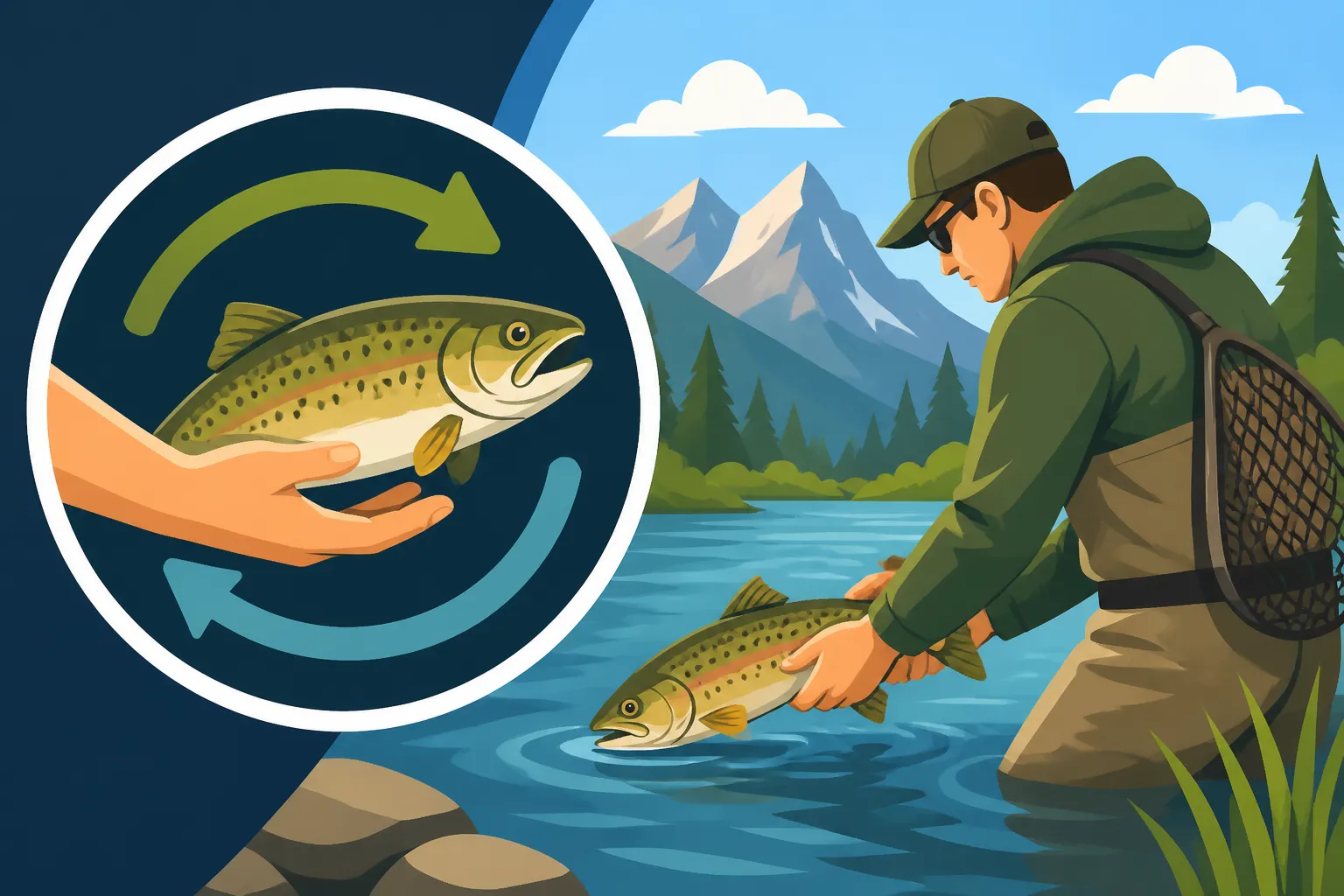
Second, keep the fish in the water as much as possible. Its gills are designed to extract oxygen from water, not air. Lifting a fish out of the water, especially by its jaw or tail, can cause immense stress and internal damage. If you must lift it for a quick photo, do so gently, supporting its belly with one hand while cradling its head or tail with the other, keeping it horizontal.
Third, wet your hands thoroughly before touching the fish. Dry hands can strip away the protective slime layer that fish have, making them vulnerable to disease and infection. Handle the fish gently and firmly, avoiding squeezing its body, especially around the gill plate or stomach, where vital organs are located.
Finally, de-hooking should be swift and efficient. Carry a good pair of long-nosed pliers or a de-hooking tool. These tools allow you to remove the hook without deep manipulation or excessive contact with the fish's body. You can find excellent, durable de-hooking tools and forceps on Amazon that will make this process much easier and safer for the fish. If the hook is deeply swallowed, it’s often better to cut the line as close to the hook as possible than to attempt a forceful removal, as the hook will eventually rust out. After removal, gently hold the fish in the water, facing upstream into the current until it regains its strength and swims off on its own.
Gear Considerations for Healthy Release
The gear you choose can significantly impact the success of a catch-and-release operation. Thoughtful equipment choices can turn a potentially fatal encounter into a harmless release, ensuring that fish not only survive but thrive.
One of the most impactful choices is the use of barbless hooks. While not universally mandatory in Wyoming, they are required in some highly managed sections (like parts of the North Platte River). Even where not required, using barbless hooks is a fantastic practice. They cause less tissue damage, are easier and quicker to remove, and reduce handling time, all of which contribute to higher survival rates for released fish. You can buy barbless hooks directly, or simply crimp down the barbs on your existing hooks with a pair of pliers. It’s a small adjustment that makes a huge difference.
Your net choice also matters. Knotted nylon nets can strip a fish's protective slime coat, damage fins, and even injure eyes. Opt for a rubber or knotless nylon net. These materials are much gentler on a fish's delicate skin and fins, making it easier to land and safely release your catch. Many anglers choose nets with a deep, fine mesh rubber basket specifically for catch-and-release. Again, look for these on Amazon – they are a worthwhile investment for any ethical angler.
Finally, consider your line strength. While you don't want to "horse" a fish in, using too light of a line can prolong the fight unnecessarily, exhausting the fish to the point of no return. Balance your line choice with the size of fish you expect to catch, aiming for a swift but gentle retrieval. Stronger leaders and tippets on fly rods, for example, can help land a fish faster without breaking off.
Navigating Size and Bag Limits with Catch-and-Release in Mind
Understanding how catch-and-release intertwines with Wyoming's daily and possession limits, as well as water-specific rules, is absolutely essential. It's not just about what you can keep, but what you should release to maintain the health of the fishery and stay within the law. The WGFD sets these limits to manage fish populations sustainably, allowing for recreational harvest while protecting future generations of fish.
Daily vs. Possession Limits
This is a point of frequent confusion for many anglers, and it’s critical to understand the difference, especially when you’re practicing catch-and-release. As detailed in our guide on Possession Limits vs Daily Limits in Wyoming, here’s the breakdown:
- Daily Limit: This is the maximum number of a particular species of fish you can take (i.e., kill and keep) in one calendar day. If the daily limit for trout is six, you can legally keep six trout between midnight and midnight.
- Possession Limit: This is the maximum number of a particular species of fish you can have in your possession at any given time, whether it's on your person, in your cooler, in your vehicle, or stored at home. In Wyoming, the possession limit is often twice the daily limit, but this can vary.
Now, here's where catch-and-release comes into play: generally, fish that are caught and immediately released do not count towards your daily or possession limit. The intent of the limit is to regulate the harvest of fish. However, there can be very specific, nuanced regulations on certain waters where a fish, once caught, might count towards a "daily creel" even if released, particularly in highly managed research areas or during tournaments with specific rules. Always, always verify with the most current Reading the Wyoming Fishing Regulations Booklet for the specific water you are fishing. The safest bet is that if you intend to release, ensure it's done quickly and safely, so there's no question of intent to harvest.
The table below provides a general overview of how C&R interacts with limits:
| Regulation Type | Description | Catch-and-Release Interaction |
|---|---|---|
| Daily Limit | Max number of fish kept per calendar day. | Generally, released fish do NOT count toward this limit. |
| Possession Limit | Max number of fish in your possession at any time. | Only fish you have retained (kept) count toward this limit. |
| Slot Limit | Specific size range of fish that must be released. | Fish within the slot must be released and do not count towards limits. |
| Barbless Hook Req. | Mandatory use of barbless hooks in specific areas. | Not a direct C&R rule, but greatly facilitates healthy C&R. Fish caught still subject to limits. |
| Invasive Species Rule | Mandatory harvest/kill of specific invasive species (e.g., Lake Trout in YNP). | Fish must be kept or killed, effectively a mandatory "no-release" rule for specific populations. |
Special Water-Specific Regulations
Wyoming is a vast state with diverse fisheries, and this diversity means that blanket rules are rare. Instead, many waters have highly specific regulations tailored to their unique ecological conditions and management objectives. These special rules often include variations on catch-and-release principles.
You’ll frequently encounter different rules for different types of water, for example, Stream Limits vs Lake Limits for Wyoming Trout. A river known for its prolific wild trout population might have strict slot limits or barbless hook requirements to protect its breeding stock, ensuring the fish grow to trophy size. Conversely, a reservoir managed for angler harvest might have more generous limits.
Consider the dynamic nature of Wyoming’s fishing seasons. The Wyoming Fishing Seasons and Water-Specific Closures guide highlights how certain waters or sections might have seasonal closures or altered limits to protect spawning fish, making catch-and-release implicit during those periods, or outright illegal to fish. Furthermore, the WGFD has the authority to implement How Wyoming Sets In-Season Emergency Closures due to environmental factors like low water levels, high water temperatures, or disease outbreaks. These emergency orders often impose mandatory catch-and-release, or even outright closures, to protect stressed fish populations.
It’s not uncommon to find highly detailed regulations for famous fisheries such as the Green River below Flaming Gorge Dam, or various segments of the North Platte. These might include unique daily bag limits that vary by species, such as specific rules for cutthroat, rainbow, or brown trout within the same stretch of river. Always remember that the general statewide regulations are just a starting point. The real work is in checking the specific exceptions and rules for your chosen fishing spot, which are clearly laid out in the official WGFD regulations booklet, often available as a free download or physical copy from their website or local license agents.
Consequences of Not Following Catch-and-Release Rules
Ignoring catch-and-release rules in Wyoming isn't just a minor oversight; it carries significant legal ramifications and has a detrimental impact on the very fisheries we all enjoy. The Wyoming Game and Fish Department takes these regulations very seriously, and for good reason—they are designed to protect our natural resources. As a responsible angler, it’s imperative to understand both the legal and ecological consequences of non-compliance.
Fines and Legal Ramifications
The first and most immediate consequence of violating fishing regulations, including mandatory catch-and-release rules, is legal trouble. Game wardens in Wyoming are highly dedicated professionals who patrol our waters diligently. They are well-versed in the local regulations and are not shy about enforcing them. Ignorance of the law is never an acceptable defense.
If you are caught violating a catch-and-release rule, such as keeping a fish that falls within a mandatory release slot or failing to use required barbless hooks in a designated area, you can expect a citation. Fines vary depending on the severity of the violation, the species involved, and whether it’s a first offense or a repeat infraction. Minor offenses might result in a few hundred dollars in fines, but more serious violations, especially those involving protected species or gross negligence, can escalate to thousands of dollars, confiscation of fishing gear, and even the suspension or revocation of your fishing privileges for an extended period. Imagine having your fishing license suspended and being unable to enjoy our state's beautiful waters for a year or more – it’s a steep price to pay for not taking a moment to read the rules. Always make it a habit to check the current Wyoming Fishing Regulations Every Angler Should Know before each outing.
Impact on the Fishery
Beyond the personal legal and financial penalties, the more profound consequence of disregarding catch-and-release rules is the lasting damage inflicted upon the fishery itself. These regulations aren't arbitrary; they are scientifically determined management tools aimed at ensuring the long-term health and sustainability of fish populations.
When anglers fail to release fish in mandatory catch-and-release waters, or when they improperly handle and release fish that then die, it directly impacts the population dynamics. For waters with slot limits, keeping fish from the protected size class can remove critical breeding stock, leading to fewer fish in future generations. This can degrade a trophy fishery, reducing the chances of catching larger fish for everyone, or even endanger a native population struggling to recover.
Furthermore, improper handling of released fish, even when release is intended, can result in what's known as "delayed mortality." A fish that swims away might still die hours or days later from injuries, exhaustion, or stress-induced disease. This undermines the entire purpose of catch-and-release, effectively turning an intended release into an accidental harvest. Responsible angling, therefore, extends beyond simply obeying the letter of the law; it encompasses an ethical commitment to the well-being of the fish and the longevity of the resource. Our collective actions directly shape the future of Wyoming fishing, and upholding catch-and-release ethics is a cornerstone of that responsibility.
Disclaimer
The information provided in this guide is for general informational purposes only and does not constitute legal advice. Fishing regulations in Wyoming are complex and subject to change. Always consult the official Wyoming Game and Fish Department (WGFD) regulations booklet and website for the most current and accurate rules and regulations before engaging in any fishing activities. Compliance with all state and local laws is the angler's sole responsibility.