Do You Need a License to Fish on the Wind River Reservation?
One of the most common head-scratchers for anglers heading to Wyoming is figuring out fishing licenses, especially when it comes to unique areas like the Wind River Reservation. It's easy to assume your standard state license covers everything, but that's often where people get into a bit of a pickle. This guide is here to clear up that confusion and make sure you're properly permitted and ready to fish the beautiful waters within the Wind River Reservation.
Do You Need a License to Fish on the Wind River Reservation?
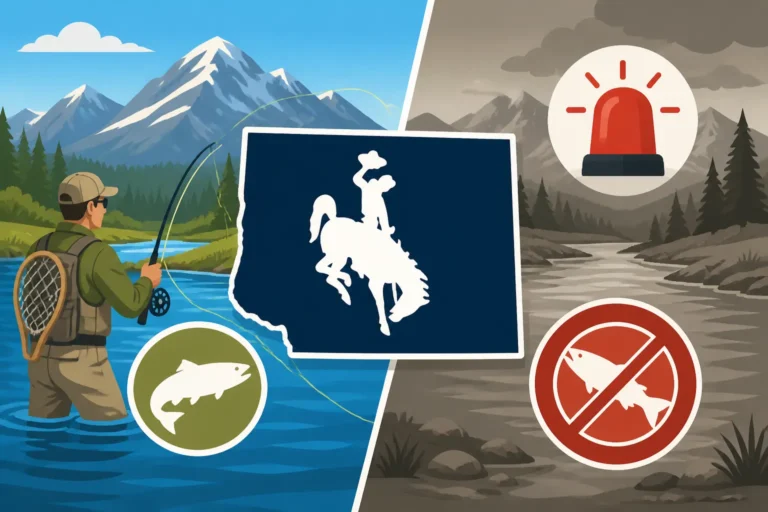
Let's cut right to the chase: Yes, you absolutely need a license to fish on the Wind River Reservation, but it's crucial to understand that your Wyoming state fishing license does not cover you there. This is a point of frequent misunderstanding that can lead to fines and frustration if you're not aware. The Wind River Reservation operates under its own sovereign governmental authority, meaning its lands and waters are managed by the Shoshone and Arapaho Fish and Game Department, not the Wyoming Game and Fish Department. Therefore, to fish any waters within the reservation boundaries, you must obtain a specific Wind River Tribal Fishing Permit.
Many anglers arrive in Wyoming, purchase their standard Wyoming Fishing License Guide for Nonresidents or their Wyoming Resident vs Nonresident License Rules permit, and think they're all set for the entire state. However, tribal lands are distinct. Think of it less like a state park and more like entering a separate country with its own set of rules and regulations. This isn't just a technicality; it's a matter of respecting tribal sovereignty and jurisdiction. Fishing without the proper tribal permit is no different than fishing without a state license on public lands – it's a violation, and the consequences can be just as serious. Always double-check where you are on a map if you're venturing near reservation boundaries, as they aren't always marked clearly from the road.
Understanding Wind River Reservation Waters
The Wind River Indian Reservation is a vast and ecologically diverse area, offering some incredible fishing opportunities that many non-tribal members might not even realize exist. From pristine mountain streams flowing down from the Wind River Mountains to large rivers and high-alpine lakes, the reservation's waters are teeming with various fish species, including several types of trout.
The Unique Jurisdiction of Tribal Lands
When you cross into the Wind River Reservation, you are entering lands managed by the Eastern Shoshone and Northern Arapaho Tribes. These tribes have inherent sovereign authority over their territory, which includes the management of natural resources like fish and wildlife. This means that while Wyoming Game and Fish manages fishing in most of the state, the Shoshone and Arapaho Fish and Game Department is the governing body for the reservation. Their regulations, enforcement, and permitting processes are entirely separate from the state's.
It's not uncommon for anglers to feel a bit lost when navigating these different layers of jurisdiction. You might be used to looking up Wyoming Fishing Regulations Every Angler Should Know, but those rules simply won't apply here. This is why it’s paramount to familiarize yourself with the tribal regulations specifically. This separate jurisdiction also means that revenue generated from permit sales stays within the tribal community, directly supporting their conservation efforts and fish and wildlife management programs, which is a wonderful thing for the resource.
Types of Waters Available
The Wind River Reservation boasts an impressive array of fishing environments. The Wind River itself, a major tributary to the Bighorn River, flows through the reservation, offering excellent stream fishing. Beyond the main river, numerous smaller streams and creeks provide opportunities for wade fishing, often in more secluded settings. You'll find everything from accessible roadside spots to remote, hike-in destinations deep within the tribal lands, particularly in the high country.
The reservation is also home to several lakes and reservoirs, some of which are renowned for their fishing. These can hold various species, from brook trout and rainbow trout to brown trout and even golden trout in the highest elevations. These waters are often less pressured than some of Wyoming's more famous fisheries, offering a chance for a more peaceful and productive outing. However, some areas may be culturally sensitive or require special permission, so always be respectful and inquire if you're unsure about access.
Key Differences from Wyoming State Regulations
Because the Shoshone and Arapaho Fish and Game Department sets its own rules, you can expect some significant differences compared to typical Wyoming state regulations. These variations can include different daily bag and possession limits, which might be more restrictive or, in some cases, more liberal for certain species or areas, depending on tribal management goals. For instance, while you might be familiar with How Bag and Possession Limits Work in Wyoming, those numbers will likely not match what the tribal regulations stipulate.
Tackle restrictions can also vary. While some areas of Wyoming might have Barbless Hook Requirements on the North Platte River, for example, the tribal lands may or may not have similar stipulations, or they could have entirely different ones. Bait restrictions, slot limits, or even seasonal closures could be unique to specific waters on the reservation. This means you can't just assume what you know about fishing in Wyoming applies here. You'll need to obtain a copy of the current Wind River Tribal Fishing Regulations booklet, which usually comes with your permit, and study it carefully before you cast your line. Even small details, like whether live minnows are legal bait in Wyoming, might have a completely different answer on the reservation.
How and Where to Obtain a Wind River Tribal Fishing Permit
Getting your Wind River Tribal Fishing Permit is a straightforward process, but it requires a bit of foresight. You can't just pick one up at any Wyoming Game and Fish license agent or on their state website. You need to go through the tribal channels.
Purchasing the Permit Online and In-Person
The most common way to get a Wind River Tribal Fishing Permit is either directly from the Shoshone and Arapaho Fish and Game Department office or from authorized vendors located on or near the reservation. You'll often find these vendors in towns like Fort Washakie, Lander, or Riverton. These might be local convenience stores, sporting goods shops, or even gas stations. Many of these smaller vendors operate on a cash-only basis for permits, so it’s always a good idea to have some cash on hand when you plan to purchase.
While some tribal departments are moving towards online purchasing options, it’s not always universally available or reliable for the Wind River Reservation permits. Always check the official Shoshone and Arapaho Fish and Game Department website for the most current information on how and where to buy your permit. Don't rely on outdated information or third-party sites. It's best to plan ahead and secure your permit before you head out to fish. You can find many useful items for your trip, like maps or fishing gear, on Amazon, but remember to get your official permit directly from tribal sources.
Types of Permits and Costs
The Shoshone and Arapaho Fish and Game Department typically offers several types of permits to cater to different lengths of stay and angler needs. These generally include:
- Daily Permits: Perfect if you're just passing through for a day or two of fishing.
- Seasonal/Annual Permits: A better value if you plan multiple trips throughout the year or an extended stay.
- Youth Permits: Often available at a reduced cost or even free for younger anglers, though specific age limits will apply, much like how Youth Fishing License Rules in Wyoming operate.
- Elderly/Disabled Permits: Sometimes offered with special rates or considerations.
The costs for these permits will vary, so it's essential to check the most current fee schedule. These fees directly support the tribal fish and game management, including stocking programs, habitat restoration, and enforcement. By purchasing a permit, you're not just gaining access; you're contributing to the sustainability of these incredible fisheries for future generations. Don't expect these costs to align with, for example, the Wyoming Daily Fishing License Cost, as they are independently set.
Here's a generalized look at permit types (always confirm current details):
| Permit Type | Typical Duration | Who Can Purchase | What it Covers | Important Note |
|---|---|---|---|---|
| Daily Permit | 1 Day | Non-Tribal Members | Fishing on Wind River Reservation waters | Ideal for short visits. |
| Annual Permit | Calendar Year | Non-Tribal Members | Fishing on Wind River Reservation waters | Best for frequent visitors. |
| Youth Permit | Varies (Daily/Annual) | Non-Tribal Members (Age-based) | Fishing on Wind River Reservation waters | Check specific age requirements. |
| Tribal Member Permit | Annual | Enrolled Tribal Members | Fishing on Wind River Reservation waters | Often free or significantly reduced for members. |
Note: This table provides a general overview. Specific costs, age limits, and availability should always be confirmed with the Shoshone and Arapaho Fish and Game Department directly.
Necessary Information for Application
When you go to purchase your Wind River Tribal Fishing Permit, whether online or in-person, you'll need to provide some basic personal information. This usually includes:
- Full Name and Address: For identification and record-keeping.
- Date of Birth: To verify age for different permit types (e.g., youth or senior permits).
- Identification: A valid government-issued ID, like a driver's license, is typically required.
It’s always a good idea to have this information readily available to ensure a smooth and quick permit purchase. Make sure the name on your permit matches your identification exactly, as discrepancies can cause issues if you're checked by a game warden.
Important Considerations for Fishing on the Reservation
Fishing on the Wind River Reservation offers a unique and often rewarding experience, but it comes with a heightened responsibility to understand and respect the local rules and culture.
Respecting Tribal Customs and Land
When you're fishing on the Wind River Reservation, you are a guest on tribal lands. This carries with it a strong expectation of respect for the land, the resources, and the cultural heritage of the Eastern Shoshone and Northern Arapaho people. Always be mindful of private property boundaries, even if they aren't clearly marked. Trespassing is a serious offense. Stick to designated public access points or areas where fishing is clearly permitted.
Leaving no trace is even more critical here. Pack out everything you pack in, and be extra careful to avoid littering. This also extends to how you interact with the environment. Do not disturb historical sites, cultural artifacts, or natural features. If you see tribal members, offer a friendly greeting and be respectful. Your actions reflect on all non-tribal visitors, and fostering a good relationship helps ensure these valuable fishing opportunities remain open to the public. You might find a great book on Amazon about local Native American history to learn more before your visit, enriching your experience.
Checking Current Tribal Regulations
Just as with Where to Find Current Wyoming Fishing Regulations, tribal regulations can change. It is your responsibility to obtain and understand the most current Wind River Tribal Fishing Regulations booklet before you fish. These booklets are typically provided when you purchase your permit, or they may be available for download from the Shoshone and Arapaho Fish and Game Department website.
Pay close attention to specifics like:
- Season Dates: When certain waters are open or closed to fishing.
- Bag and Possession Limits: These can vary significantly by species and location within the reservation. Understanding Wyoming's Combined Possession Limit Explained, for instance, won't necessarily help you here, as the tribal rules are separate.
- Allowed Tackle and Bait: Some areas may have restrictions on artificial lures only, fly-fishing only, or specific bait types.
- Special Water-Specific Rules: Individual lakes or river stretches might have unique regulations to protect sensitive populations or habitats.
Don't just skim these rules. Take the time to really read and comprehend them, much like you would if you were Reading the Wyoming Fishing Regulations Booklet. If you have any questions, contact the Shoshone and Arapaho Fish and Game Department directly. It's always better to ask than to unknowingly violate a rule.
Enforcement and Penalties
Fishing without a valid Wind River Tribal Fishing Permit or violating tribal fishing regulations can lead to significant consequences. Tribal game wardens and law enforcement officers patrol the reservation waters, and they have the authority to issue citations, levy fines, and even confiscate gear. These penalties can be comparable to, or even exceed, those associated with Fines and Penalties for Common Fishing Violations.
The important takeaway here is that compliance is not optional. Ignorance of the law is generally not considered a valid excuse. A citation on tribal land is handled through the tribal court system, which is distinct from state courts. This can add layers of complexity, especially for non-residents. Ensure you always carry your tribal permit and a valid photo ID while fishing on the reservation, as you are required to present them upon request. Having your permit physically on your person is key, similar to the importance of Carrying Your Wyoming Fishing License in the Field.
Disclaimer
Please note that fishing regulations, permit requirements, and access rules for the Wind River Reservation can change. This guide is intended for informational purposes only. It is always the angler's responsibility to consult the most current regulations directly from the Shoshone and Arapaho Fish and Game Department before fishing on tribal lands.