How Wyoming Game and Fish Announces Emergency Closures
There's nothing quite as frustrating as planning a fishing trip, packing all your gear, driving for hours, only to arrive at your favorite spot and discover it's unexpectedly closed. This happens more often than you might think in Wyoming, where dynamic environmental conditions, conservation needs, and sometimes even public safety concerns can lead to sudden water body closures. This comprehensive guide will walk you through exactly how the Wyoming Game and Fish Department (WGFD) announces these emergency closures, ensuring you know where to look and what to do so your next outing isn't ruined by an unforeseen shutdown.
Understanding Wyoming's Emergency Fishing Closures
It's crucial to distinguish between regularly scheduled, seasonal closures that are published annually in the fishing regulations booklet and emergency closures. Emergency closures are sudden, often reactive measures taken by the Wyoming Game and Fish Department (WGFD) to address immediate threats or changing conditions on specific waters. They aren't pre-planned and can pop up with little to no prior notice, making them particularly challenging for anglers to track.
Why Emergency Closures Occur
Emergency closures aren't implemented lightly; they're a critical tool for protecting Wyoming's valuable fisheries and ensuring public safety. The reasons behind them are varied and often interconnected:
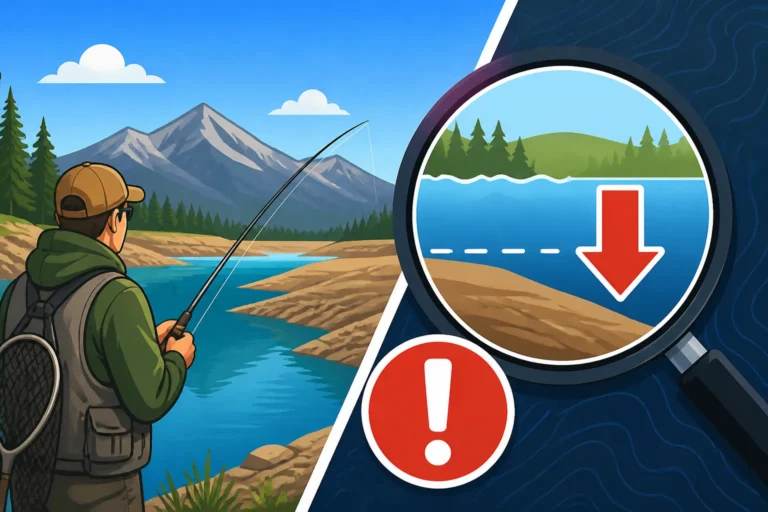
- Critical Water Temperature and Low Flows: This is perhaps one of the most common reasons, especially during hot summer months or periods of drought. When water temperatures in rivers and streams climb too high (often above 68-70°F), trout and other cold-water species become severely stressed. Their oxygen levels drop, and the act of being caught and released can become lethal. To prevent mass die-offs and protect the fishery, WGFD might impose "hoot owl" closures, restricting fishing to cooler morning hours, or full closures on affected stretches until conditions improve. Similarly, extremely low water flows can concentrate fish, making them more vulnerable to predation and stress, necessitating a closure. This is often an issue in smaller tributary streams or specific sections of larger rivers, like parts of the Snake River.
- Disease Outbreaks and Fish Health: On rare occasions, an outbreak of a fish disease, such as whirling disease or another pathogen, could prompt a closure to prevent its spread. This is a measure of last resort, but absolutely necessary to protect the wider fish population. While uncommon, it's a serious consideration that WGFD takes very seriously to safeguard the long-term health of our aquatic ecosystems.
- Public Safety Concerns: Flooding, wildfires, hazardous spills, or even search and rescue operations can render a fishing area unsafe or inaccessible to the public. In such cases, WGFD works in conjunction with other state and local agencies to close waters until the danger has passed. For example, severe flooding along the North Platte River could lead to temporary closures of access points and fishing stretches due to dangerous currents and submerged debris. These closures are about protecting you as much as they are about protecting the fish.
- Spawning Protection: While many spawning closures are seasonal and detailed in the annual regulations, sometimes unexpected or localized spawning aggregations of sensitive species might warrant a temporary emergency closure to prevent undue disturbance or overfishing during a critical reproductive period. This could apply to unique populations in specific small lakes or stream sections. For detailed information on typical seasonal regulations, you might want to read about Wyoming Fishing Seasons and Water-Specific Closures.
Knowing these potential causes helps you anticipate when a closure might be announced. If there's a heatwave baking the state or rivers are running unusually low, it's wise to double-check conditions before heading out.
The Official Channels for Wyoming Game and Fish Announcements
When an emergency closure happens, the Wyoming Game and Fish Department is diligent about getting the word out. They don't just put up a sign and hope for the best; they use a multi-pronged approach to reach as many anglers as possible. Understanding these channels is your first line of defense against an unexpected trip cancellation.
WGFD's Primary Communication Avenues
The department leverages several key platforms to ensure anglers receive timely updates. It's not enough to check just one; a smart angler will cross-reference:
- Official WGFD Website: This is the authoritative source. The WGFD website (wgfd.wyo.gov) is where all official press releases, news updates, and emergency closure notices are first posted. They often have a dedicated "News" or "Emergency Order" section. When a closure is announced, a detailed press release will typically be published, outlining the specific water body, the reasons for the closure, and the duration or conditions for reopening. It's a good practice to bookmark this site and check it regularly, especially before any planned trip. You can also find the full Wyoming Fishing Regulations Every Angler Should Know here, which is essential reading.
- Social Media Channels: In today's digital age, social media is a powerful tool for rapid dissemination of information. WGFD maintains active profiles on platforms like Facebook and X (formerly Twitter). They use these channels to share links to official press releases, post quick alerts, and sometimes even answer general questions from the public. Following their official accounts is a great way to get real-time notifications directly to your phone. Be wary of unofficial groups or pages, always verify information directly from the official WGFD pages.
- News Releases and Media Alerts: WGFD regularly distributes news releases to local and statewide media outlets—newspapers, radio stations, and TV news channels. When an emergency closure is issued, it's almost always part of a news release. These media partners then broadcast the information to their audiences. Keeping an eye on local news sources for the area you plan to fish can provide excellent supplemental information.
- Local WGFD Offices and Personnel: Don't underestimate the power of direct contact! Each WGFD regional office has staff who are intimately familiar with local conditions. If you're still uncertain about a specific water body, a quick phone call to the nearest WGFD regional office can often provide the most up-to-date information. Game Wardens and fisheries biologists in the field are often the first to know about developing situations. You can find contact information for all regional offices on the WGFD website.
- Signs at Access Points: While less proactive than digital alerts, WGFD will often post physical signs at common access points and boat ramps for closed waters. These signs serve as a final, in-person warning. However, relying solely on these is risky, as you might only see them after you've already driven hours to your destination. Always check online first!
How Wyoming Sets In-Season Emergency Closures
The process for implementing an emergency closure is deliberate and based on scientific assessment. When conditions on a water body deteriorate to a critical level, local WGFD biologists and game wardens will conduct observations and collect data (e.g., water temperature, fish health, stream flow). This information is then relayed to supervisors and decision-makers within the department. Based on the severity of the threat and potential impact on the fishery, an emergency order is drafted and approved. This process, while seemingly fast, involves careful consideration to ensure the closure is justified and effective. You can learn more about the legal framework in How Wyoming Sets In-Season Emergency Closures.
What to Do When an Emergency Closure is Announced
Discovering that your chosen fishing spot is closed can be a real bummer, especially if you’ve been looking forward to that trip for a while. But reacting correctly is key, not only for legal reasons but also for the health of the fishery you cherish.
Respecting the Closure
The most important thing to do is respect the closure. This isn't just a suggestion; it's a legal order. Fishing in waters that have been officially closed by WGFD can lead to fines, confiscation of gear, and even the loss of your fishing privileges. These closures are implemented for very good reasons, often to protect fish populations from undue stress or to ensure public safety. Ignoring them undermines conservation efforts and can have long-lasting negative impacts on the very resources we all want to enjoy.
Legal Consequences:
Fishing in closed waters is a violation of state regulations. Penalties can vary depending on the severity and specific circumstances, but generally include:
- Fines: These can range from a couple of hundred dollars to significantly more.
- Court Appearances: You might be required to appear in court.
- License Revocation: Repeat offenses or severe violations could lead to the suspension or revocation of your Wyoming fishing license, and potentially your fishing privileges in other states through interstate compacts.
- Seizure of Gear: Your fishing equipment (rods, reels, tackle) could be confiscated.
For a deeper dive into potential repercussions, check out What Happens If You Fish Without a License in Wyoming.
Finding Alternative Fishing Spots
An emergency closure doesn't mean your fishing trip is completely off! Wyoming is vast and full of incredible fishing opportunities. The closure is usually specific to a particular river stretch, lake, or even a section of a larger reservoir, leaving many other waters open.
- Consult the WGFD Website and Maps: Use the WGFD website's interactive maps or general information to identify other waters in the vicinity that might not be affected. For instance, if a section of the North Platte is closed due to high water temps, nearby high-elevation lakes might still be thriving with cool water.
- Consider Different Species: If your target trout stream is closed, maybe shift your focus to a warm-water reservoir known for walleye, smallmouth bass, or perch. These species tolerate warmer water much better. For example, Glendo Reservoir or Boysen Reservoir might still be productive even if trout streams are struggling.
- Check Different Elevations: High-alpine lakes often remain cold and fishable even when lower-elevation rivers are stressed. Researching some of Wyoming's remote high-alpine lakes could save your trip, though they often require more effort to reach. You might discover Fishing Wyoming's High-Alpine Lakes offers a fantastic alternative.
- Local Bait and Tackle Shops: These places are goldmines of local knowledge. The folks working there usually know which waters are fishing well, which are struggling, and which are under emergency closure. They can offer excellent suggestions for alternatives, often based on real-time angler reports. A quick call or visit can be invaluable.
Remember to always double-check the regulations for any alternative spot you choose, as rules can vary greatly from one water to another.
Staying Informed and Prepared for Wyoming Fishing Trips
The best offense is a good defense, and that applies to avoiding unexpected fishing closure surprises. Being proactive and having a plan B are essential for any angler exploring Wyoming's diverse waters.
Essential Habits for the Savvy Angler
Making a few key habits part of your pre-trip routine can save you a lot of heartache and wasted time:
- Check the WGFD Website Regularly: Make it a habit to check the official WGFD website (wgfd.wyo.gov) in the days leading up to your trip, and even the morning of. Look for news releases, emergency orders, and fishing reports. This is the single most reliable source for up-to-the-minute information.
- Follow WGFD on Social Media: If you use Facebook or X (Twitter), follow the official Wyoming Game and Fish Department pages. They often push out emergency alerts and important updates rapidly through these channels. This can act as an early warning system.
- Subscribe to Email Alerts: Some state agencies offer email notification services for news releases and emergency orders. Check if WGFD provides such a service and sign up for it. This delivers critical information directly to your inbox.
- Consult Local Fishing Reports: Many tackle shops, guide services, and online forums offer localized fishing reports. While these aren't official closure announcements, they can provide anecdotal evidence of challenging conditions (like rising water temperatures or low flows) that might precede a WGFD closure. They also give you a sense of what's currently biting and where.
- Understand Reading the Wyoming Fishing Regulations Booklet: Familiarize yourself with how to interpret water-specific regulations, which can change seasonally or even annually. This foundational knowledge helps you understand why certain decisions are made.
Planning for the Unexpected
Even with the best information, conditions in Wyoming can change quickly. Having a flexible mindset and some backup plans will ensure your trip is still enjoyable, even if your first choice is off-limits.
- Have Backup Locations in Mind: Before you even leave home, identify one or two alternative fishing spots that are within a reasonable driving distance of your primary destination. Research their regulations, potential target species, and access points. This way, if your main spot is closed, you can pivot quickly without losing precious fishing time.
- Pack Versatile Gear: If you're primarily a fly angler, consider packing a spin rod, or vice versa. If you're targeting trout, have some gear ready for warm-water species just in case. This flexibility in gear allows you to adapt to different water types or fish species if you need to switch locations. For instance, having a basic spinning setup with some Panther Martin spinners you bought from Amazon could save a day if fly fishing conditions are poor.
- Monitor Weather and Water Conditions: Stay on top of weather forecasts and, if possible, check streamflow data from the U.S. Geological Survey (USGS) for your target rivers. Sudden heavy rains can lead to muddy runoff and temporary closures, while prolonged heat waves are a red flag for high water temperatures. Being aware of these environmental factors helps you anticipate potential problems. This ties into understanding Best Weather for Fishing a Wyoming Reservoir or how to fish Wyoming During Spring Runoff.
By integrating these habits and preparations, you'll be well-equipped to navigate the dynamic fishing landscape of Wyoming, making the most of every opportunity the Cowboy State has to offer. Knowing Where to Find Current Wyoming Fishing Regulations is always a good starting point.
Table: Key WGFD Communication Channels for Emergency Closures
| Channel | Type | Speed of Update | Detail Level | Best For |
|---|---|---|---|---|
| WGFD Website | Official | High | Very High | Authoritative source, in-depth information |
| Social Media (FB, X) | Digital | Very High | Medium | Quick alerts, links to official releases |
| News Releases | Traditional | High | High | Reaching broader public via local media |
| Local WGFD Offices | Direct | High | Very High | Specific questions, local conditions |
| On-site Signage | Physical | Low | Medium | Final warning at access points (less proactive) |
| Email Alerts (if offered) | Digital | High | High | Direct to inbox, often includes full details |
It's also worth noting that the Wyoming's 2026 Fishing Regulation Changes Explained might include updates to how these closures are communicated or the conditions under which they are applied, so staying current with the annual regulations is a must. And always remember, even when a lake is open, special rules can apply, such as when Wyoming's High Lakes Become Fishable after ice-out, or if you're exploring Fishing Wyoming's Wilderness and Backcountry Lakes.
Disclaimer
Please note that fishing regulations and emergency closures are subject to change without notice. While this guide provides comprehensive information, it is your responsibility to verify the most current regulations and closure orders directly with the Wyoming Game and Fish Department before engaging in any fishing activities. This content is for informational purposes only and does not constitute legal advice.