Can You Fish Wyoming Waters on Tribal Land Without a Tribal Permit?
It’s a common scenario: you’ve meticulously planned your Wyoming fishing adventure, perhaps even secured your state fishing license, only to discover that some of the most enticing waters are located on tribal lands. This situation often leaves anglers confused and frustrated, wondering if their standard state license is sufficient or if a separate permit is needed. This comprehensive guide will clear up that confusion, specifically focusing on fishing regulations on tribal lands in Wyoming and the absolute necessity of obtaining the correct permits.
Understanding Sovereign Tribal Lands and Fishing Jurisdiction in Wyoming
When you’re exploring the vast and beautiful landscapes of Wyoming, it’s easy to think of fishing regulations as a uniform blanket across the state. However, the presence of sovereign tribal nations within Wyoming’s borders introduces a crucial distinction, especially concerning fishing rights and permits. Ignoring these differences can lead to significant legal trouble, not to mention a lack of respect for tribal sovereignty.
The Foundations of Tribal Sovereignty and Fishing Rights
Tribal lands in the United States are not simply parcels of state or federal land; they are territories belonging to sovereign nations with their own governmental structures and laws. This concept, known as tribal sovereignty, means that federally recognized tribes have the inherent authority to govern themselves and their lands, including managing natural resources like fish and wildlife. These rights predate the formation of states and are often affirmed by treaties with the U.S. government. For anglers, this means that the rules and regulations set by a tribal nation for fishing on their lands take precedence over state regulations. It's a fundamental difference that many people unfamiliar with tribal law often overlook, leading to unintended violations.
The fishing resources on tribal lands are considered vital for the cultural, subsistence, and economic well-being of the tribal members. Therefore, tribes meticulously manage these resources to ensure their sustainability for future generations. When you fish on tribal land, you are not just subject to different rules; you are participating in an activity on another nation's territory, and respect for their laws and stewardship is paramount. It's a different jurisdictional framework entirely, one that operates parallel to, but independently from, state game and fish departments.
Identifying Tribal Lands: Focus on the Wind River Reservation
In Wyoming, the most prominent example of tribal land with significant fishing opportunities is the Wind River Indian Reservation, shared by the Eastern Shoshone and Northern Arapaho Tribes. This vast reservation encompasses diverse aquatic ecosystems, from high-mountain lakes and pristine rivers to fertile plains streams. Anglers dreaming of pristine waters and unique fishing experiences often set their sights on areas within the reservation.
It’s crucial to understand that while a map might show the Wind River Reservation geographically located within the state of Wyoming, politically and legally, it is distinct. The Wyoming Game and Fish Department (WGFD) has no jurisdiction over fishing activities on the reservation unless specific cooperative agreements are in place, and even then, tribal law remains the primary authority. Other, smaller parcels of tribal trust land might exist, but for the vast majority of anglers considering fishing on tribal property in Wyoming, the Wind River Reservation is the primary area of concern. It's important to do your homework and confirm land ownership before you cast a line anywhere you're unsure about, as boundaries can sometimes be less obvious on the ground than they appear on a map.
Why Your Wyoming State License Doesn't Apply
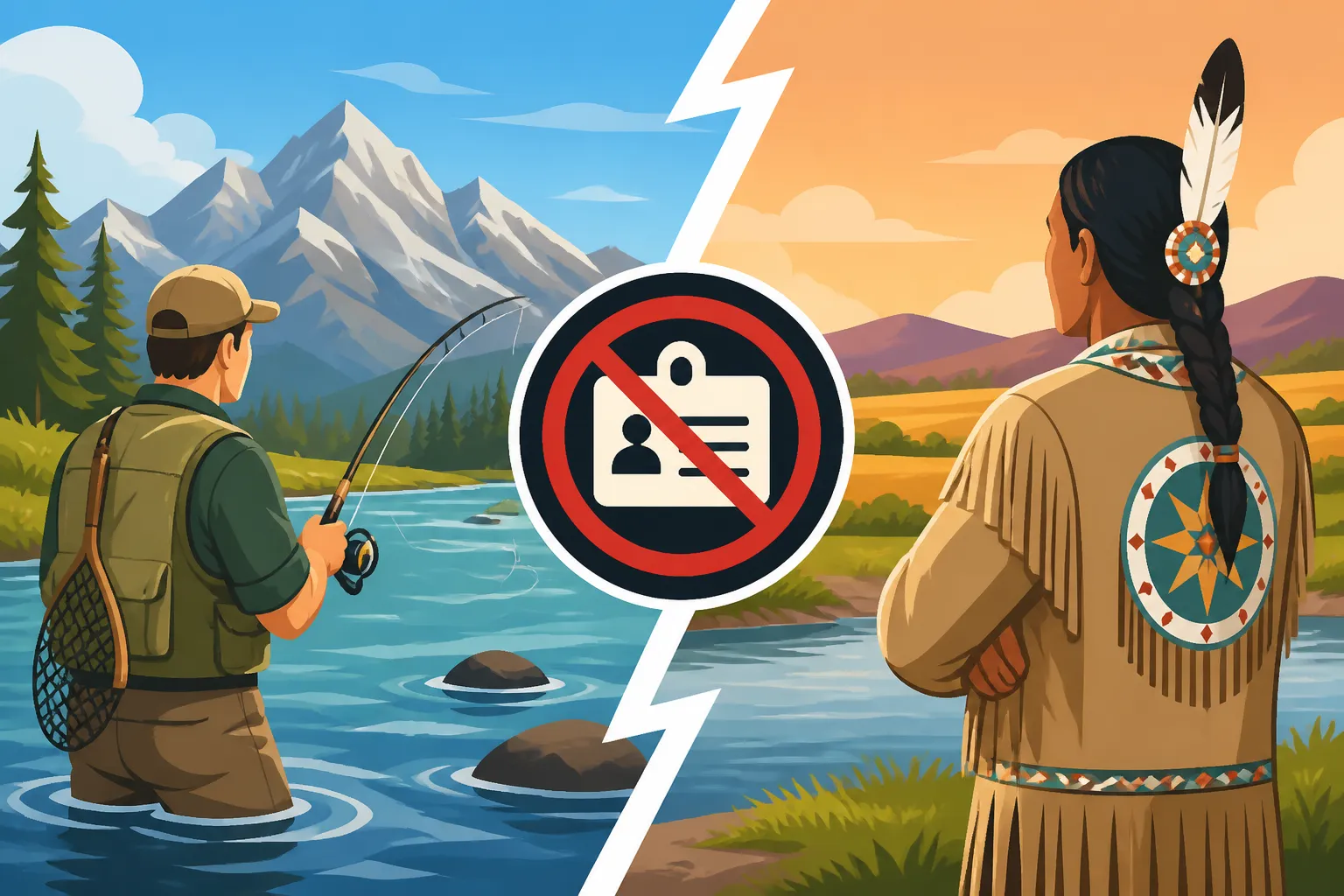
This is where the rubber meets the road for many anglers: a Wyoming state fishing license is absolutely not valid for fishing on tribal lands, including the Wind River Reservation. This point cannot be stressed enough. Think of it like needing a passport and visa to enter another country, even if that country is adjacent to your own. While the analogy isn't perfect, it illustrates the concept of separate jurisdictions.
The legal authority of the Eastern Shoshone and Northern Arapaho Tribes to regulate fishing on the Wind River Reservation stems from their inherent sovereignty. They issue their own permits, establish their own seasons, bag limits, and bait restrictions, and employ their own game wardens to enforce these regulations. Holding a Wyoming fishing license simply doesn't grant you permission to fish these waters. Attempting to do so is considered poaching or trespassing on tribal lands, which carries significant legal penalties under tribal law, and potentially federal law as well. It's a common misconception, especially for non-residents who might be used to state-level regulations applying everywhere, but in Wyoming, this distinction is vital for legal and respectful angling. You can find more details on how state rules generally apply in our guide on Wyoming Fishing Regulations Every Angler Should Know.
Navigating Fishing Regulations on the Wind River Reservation
Once you understand that tribal lands operate under their own jurisdiction, the next step is to understand how to legally and respectfully access and fish these waters. For the Wind River Reservation, this means diving into the specific permit requirements and regulations set forth by the Eastern Shoshone and Northern Arapaho Tribes.
The Non-Negotiable Requirement for a Tribal Permit
To fish legally on the Wind River Indian Reservation, every angler, regardless of age or residency, must possess a valid fishing permit issued by the Eastern Shoshone and Northern Arapaho Tribes. There are no exceptions for youth under 14, seniors, or those with Wyoming state licenses. This is a crucial difference from general Wyoming state law where, for example, children under a certain age don't need a state license. On the reservation, everyone needs a tribal permit. This requirement ensures that the tribes maintain control over their natural resources and that all users contribute to their management and conservation efforts.
Failing to acquire the proper tribal permit before fishing on the reservation is not merely a technicality; it’s a serious offense. Tribal game wardens actively patrol reservation waters, and they are well within their rights to issue citations, confiscate gear, and even impound vehicles for violations. The consequences are real and can put a significant damper on your fishing trip. This permit is your explicit permission to be there and to utilize their resources under their terms. This contrasts with the broader rules discussed in Wyoming Resident vs Nonresident License Rules which only apply to state-controlled waters.
How and Where to Acquire Your Wind River Permit
Obtaining a Wind River Reservation fishing permit is a straightforward process, but it requires specific action. You can't just pick one up at any Wyoming Game and Fish vendor. The permits are issued directly by the Shoshone and Arapaho Fish and Game Department. Generally, you have a few options:
- Online: The most convenient way for many anglers is to purchase their permits directly through the Shoshone and Arapaho Fish and Game Department's official website. This allows you to secure your permit before you even arrive on the reservation.
- Designated Vendors: There are also several physical vendors located on or near the reservation where you can purchase permits in person. These often include gas stations, convenience stores, and sporting goods shops in towns like Fort Washakie, Riverton, and Lander. It's always a good idea to call ahead to confirm hours and availability, especially if you're traveling a long distance.
It's wise to purchase your permit in advance, especially during peak fishing seasons, to avoid any last-minute stress or delays. Make sure to keep your permit readily accessible while you're fishing, as wardens will ask to see it. Remember that the tribal permit is distinct from a state license, as highlighted in Fishing Wyoming's Tribal Waters and Wind River Reservation Rules.
Key Regulatory Differences to Be Aware Of
Beyond the permit itself, the Shoshone and Arapaho Fish and Game Department has its own set of fishing regulations that can differ significantly from statewide Wyoming regulations. These differences might include:
- Bag and Possession Limits: Species-specific limits might be more restrictive or, in some cases, less restrictive depending on tribal management goals for certain fisheries. For example, some tribal waters might have specific regulations on keeping invasive species.
- Seasons and Closures: While Wyoming has general fishing seasons, tribal waters may have different opening and closing dates, or even specific seasonal closures for spawning fish or habitat protection.
- Bait and Tackle Restrictions: Certain areas might be fly-fishing only, or have specific restrictions on the use of live bait, barbed hooks, or multiple rods. These can vary significantly from what you might find on state waters, as detailed in Barbless Hook Requirements on the North Platte River which applies to state lands.
- Access Rules: Some areas might require additional permission to access, especially if they are within privately owned tribal allotments or environmentally sensitive areas. Pay close attention to signage regarding access.
It is absolutely essential to obtain a copy of the current Shoshone and Arapaho Fish and Game regulations booklet and study it carefully before you head out. Don't assume anything based on your experience with state regulations. These regulations are designed to protect the unique fisheries and cultural resources of the reservation.
Essential Angler Etiquette and Legalities on Tribal Waters
Fishing on tribal lands is not just about following the letter of the law; it's also about understanding and respecting the spirit of the place. It's an opportunity to engage with a different cultural context and demonstrate good stewardship.
Respecting Land, Culture, and Community
When you fish on the Wind River Reservation, you are a guest on sovereign land. This means your behavior should reflect respect for the Eastern Shoshone and Northern Arapaho Tribes, their culture, and their lands. Here are some key points:
- Stay on Designated Access Points: Do not trespass on private tribal allotments or areas not designated for public access. Always pay attention to signage.
- Leave No Trace: Pack out everything you pack in. This includes all trash, fishing line, and any other refuse. The concept of leaving the land as you found it, or better, is universal and particularly important on culturally significant lands.
- Be Mindful of Sacred Sites: The reservation contains many areas of cultural and historical significance. Be aware of your surroundings and avoid disturbing any such sites.
- Interact Respectfully: If you encounter tribal members, offer a polite greeting and be respectful in your interactions. Remember that these are their homelands.
- Roads and Travel: Be aware of speed limits and road conditions. Many roads on the reservation are unpaved, and you should always yield to livestock and tribal members.
Approaching your trip with an open mind and a respectful attitude will not only enhance your experience but also help foster positive relationships between anglers and the tribal community. This goes beyond just regulations, encompassing a broader sense of outdoor ethics.
Consequences of Fishing Without a Proper Permit
Let's be clear: fishing without a tribal permit on the Wind River Reservation is a serious offense. It's not just a slap on the wrist. Tribal game wardens have the authority to issue citations that carry significant fines, comparable to or even exceeding state-level poaching fines. Additionally, they can confiscate your fishing gear, which can be a substantial financial loss, and in some cases, your vehicle might be impounded. Repeat offenses or severe violations could lead to being banned from the reservation entirely.
These penalties are in place to protect the sovereign rights of the tribes and to ensure the sustainable management of their fisheries. It's not worth the risk, both legally and ethically, to fish without the correct permit. The cost of a tribal permit is a small investment for the opportunity to fish unique and often less-pressured waters, and it directly supports the conservation efforts of the Eastern Shoshone and Northern Arapaho Fish and Game Department. Understanding these risks is crucial, much like knowing the Fines and Penalties for Common Fishing Violations on state lands.
Planning for a Successful and Respectful Trip
To ensure your fishing trip to the Wind River Reservation is enjoyable and compliant, some careful planning is in order.
- Check Current Regulations: Always check the Shoshone and Arapaho Fish and Game Department's website or contact them directly for the most current regulations before your trip. Regulations can change, and what was valid last year might not be this year.
- Obtain Your Permit Early: As mentioned, purchase your permit online in advance. Print it out or save it on your phone for easy access.
- Map Your Route and Access Points: Familiarize yourself with authorized fishing areas and access points. Relying on general state maps might not accurately depict tribal land ownership or specific access rules.
- Carry Identification: Always have your personal identification with you.
- Be Prepared for Diverse Conditions: Wyoming's weather can be unpredictable. Pack layers, appropriate rain gear, and plenty of water and snacks, especially if you plan to explore more remote areas.
- Consider a Tribal Guide: If you're new to fishing the reservation, consider hiring a tribal guide. They can offer invaluable insights into local fishing techniques, regulations, and cultural nuances, ensuring you have a productive and respectful experience.
By taking these steps, you demonstrate a commitment to responsible angling and respectful engagement with the Eastern Shoshone and Northern Arapaho Tribes, enhancing your chances of a memorable and trouble-free fishing adventure. For general information on where to buy licenses, you can refer to Where and How to Buy a Wyoming Fishing License, but remember this specifically applies to state licenses.
Wyoming State vs. Wind River Reservation Fishing Permits
To clarify the distinct requirements, here's a quick comparison:
| Feature | Wyoming State Fishing License | Wind River Reservation Fishing Permit |
|---|---|---|
| Jurisdiction | State of Wyoming public and private waters (with landowner permission) | Sovereign lands of the Eastern Shoshone and Northern Arapaho Tribes |
| Required For | Most anglers over age 14 (residents & non-residents) | ALL anglers, regardless of age or residency |
| Where to Purchase | WGFD website, regional offices, authorized vendors (e.g., sporting goods stores) | Shoshone and Arapaho Fish and Game Dept. website, designated reservation vendors |
| Valid On | Wyoming state waters (e.g., North Platte River, Flaming Gorge) | Wind River Reservation waters (e.g., Bull Lake, Wind River) |
| Enforcing Authority | Wyoming Game and Fish Department wardens | Shoshone and Arapaho Fish and Game Department wardens |
| Regulations Guide | WGFD Fishing Regulations Booklet | Shoshone and Arapaho Fish and Game Regulations Booklet |
| Interchangeable? | NO | NO |
| Conservation Stamp | Required for annual state licenses (see Who Needs Wyoming's Conservation Stamp) | Not applicable (tribal fees cover similar purposes) |
| Youth Requirements | Kids under 14 generally exempt | All youth require a tribal permit |
Remember, these are two entirely separate systems. Possession of one does not grant permission to fish under the other's jurisdiction. Further details on specific costs can be found in resources like Wyoming Fishing License Guide for Nonresidents.
Disclaimer
The information provided in this guide is for general informational purposes only and is subject to change. While we strive to provide accurate and up-to-date information, fishing regulations, especially on tribal lands, can be complex and may be updated periodically. Always consult the official Shoshone and Arapaho Fish and Game Department regulations and website, or contact them directly, for the most current and specific rules before planning your trip. Neither the author nor the publisher assumes any liability for errors or omissions in this information.