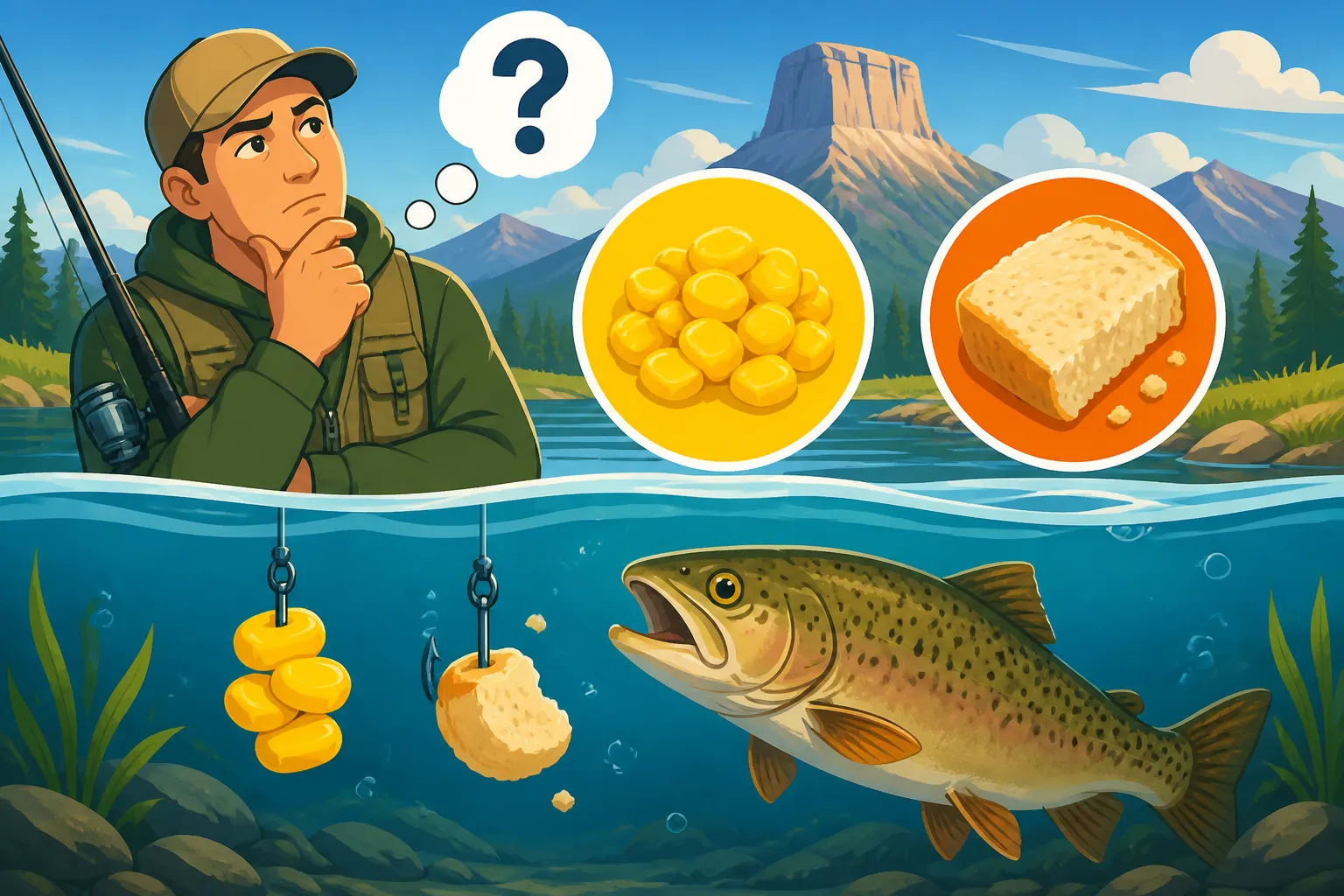
Can You Fish With Corn or Bread as Bait in Wyoming?
It's a common scene: you're planning a fishing trip, maybe to a beautiful Wyoming lake or river, and you start thinking about bait. Perhaps you grew up in a place where a can of corn or a loaf of bread was the go-to for catching panfish, or maybe you've just seen it used successfully on TV. But before you pack those kitchen staples, it's absolutely crucial to understand the rules. Many anglers find themselves scratching their heads, wondering if these readily available items are actually allowed. This guide is here to clear up that confusion, diving deep into Wyoming's bait regulations regarding corn and bread so you can fish responsibly and legally.
The Straight Answer: Are Corn and Bread Legal Baits in Wyoming?
Let's get right to the heart of the matter because nobody wants to accidentally break the law, especially when you're just trying to enjoy a peaceful day on the water. The short answer for most Wyoming waters, particularly those renowned for trout, is generally no. While it might seem harmless, the Wyoming Game and Fish Department (WGFD) has specific reasons for these restrictions. It’s not just about being strict; it’s about protecting the incredible fisheries that make Wyoming a top-tier destination for anglers.
General Statewide Regulations for Bait
Wyoming's approach to fishing regulations, while comprehensive, is designed to preserve the state's diverse aquatic ecosystems. Unlike some states that might have blanket bans on many forms of bait, Wyoming often tailors its rules to specific waters or regions. However, for a general rule of thumb, when the WGFD talks about "bait," they are typically referring to natural, organic substances that are either naturally occurring in the aquatic environment or are commercially produced specifically for fishing and are safe for fish digestion and the ecosystem. Think worms, minnows (with proper permits and origin), or salmon eggs.
The key takeaway here is that while Wyoming isn't always as restrictive as some fly-fishing-only states, anglers still need to be incredibly mindful of what they're putting into the water. It’s never safe to assume that a bait legal in your home state, or even in a different part of Wyoming, will be acceptable everywhere. Checking the local rules is always your first, best step. You can learn a lot more about the broader framework in the article on Wyoming Fishing Regulations Every Angler Should Know.
The Specifics of Corn and Bread
When it comes to processed human foods like corn kernels (canned, frozen, or otherwise) and bread products, the WGFD generally prohibits their use as bait. This prohibition extends to both actively fishing with them on a hook and using them as chum to attract fish. It's a widespread misconception that because these items are cheap and easy to acquire, they must be fine for fishing. Unfortunately, that's not the case here in the Cowboy State.
The reasoning behind this isn't arbitrary. Corn and bread are not natural food sources for fish. Their nutritional composition and physical properties make them unsuitable, and potentially harmful, for aquatic life. Fish, particularly trout, have digestive systems adapted to process insects, crustaceans, and other small aquatic organisms. Processed starches and sugars found in corn and bread can cause severe digestive blockages or distress, leading to illness or even death. Furthermore, these items can break down in the water, contributing to unnatural organic loads that can negatively impact water quality, especially in smaller, more sensitive habitats. This is a critical distinction that many casual anglers overlook, and it's why you won't find them recommended in any official Wyoming fishing guides.
Why the Rules Exist: Understanding Bait Restrictions
It's easy to feel frustrated by what might seem like overly complicated or restrictive rules, especially when you're just trying to enjoy a relaxing day outdoors. "What's the big deal about a little corn?" you might wonder. But these regulations are thoughtfully crafted by biologists and fisheries managers to protect Wyoming's precious natural resources, ensuring healthy fish populations and pristine waterways for generations to come.
Protecting Fish Health and Natural Behaviors
The primary reason corn and bread are generally off-limits stems from the direct impact they have on fish. Imagine trying to digest a plastic toy – that's a bit of an exaggeration, but it illustrates the point. Fish lack the proper enzymes and digestive tracts to break down the starches and sugars found in human foods like corn and bread. When consumed, these items can cause serious problems, from bloating and gas to severe intestinal blockages. These issues can lead to starvation, organ damage, and vulnerability to disease. It's a cruel irony that what seems like a treat to an unknowing angler can be a deadly meal for a fish.
Beyond the immediate health risks, using these non-native food sources can also alter the natural behaviors of fish. When fish become accustomed to being fed easy, unnatural food, they can become less wary, more easily "trained" to human presence, and less inclined to seek out their natural diet. This reliance on artificial feeding can disrupt the delicate balance of their ecosystem, impacting their foraging instincts, reproduction, and overall survival rates. It's a subtle but significant way that human interference, even well-intentioned, can have long-term negative consequences for wild populations. It's similar to why you're discouraged from feeding wildlife in national parks – it sounds kind, but it hurts them in the long run.
Preventing Disease Transmission and Ecosystem Disruption
Another crucial aspect of bait restrictions, especially concerning anything that isn't naturally occurring, is the risk of disease transmission and broader ecosystem disruption. While corn and bread might seem innocuous in this regard, their presence in aquatic environments can still cause problems. For instance, any processed food introduced into the water can break down and alter the water's chemical balance. Large quantities of decaying bread or corn can increase nutrient loads, leading to algal blooms or reduced oxygen levels, which are harmful to fish and other aquatic organisms. In sensitive trout streams, where water quality is paramount, even small disruptions can have significant ripple effects.
Furthermore, introducing anything not native to the ecosystem carries an inherent risk. While less direct than, say, illegally introducing live baitfish from another watershed, processed foods can still carry bacteria or fungi not naturally present in Wyoming's waters. While the risk might be lower with corn or bread compared to, for example, live minnows from an unknown source, the principle remains: maintaining the biological integrity of the ecosystem is a top priority for the WGFD. This is part of the ongoing effort to prevent aquatic invasive species and protect the unique native fish populations. The WGFD takes these threats very seriously, and understanding these rules helps anglers contribute to the conservation efforts.
Exceptions and Special Circumstances: When Rules Might Differ (or Not)
It's natural to wonder if there are any loopholes or specific situations where corn or bread might be allowed. After all, fishing regulations can be incredibly complex and vary from one water body to the next. While Wyoming does have a diverse range of fisheries, from pristine mountain trout streams to vast warmwater reservoirs, the general prohibition on corn and bread as bait remains largely consistent.
Designated Baitfish Waters and Warmwater Species
When we talk about bait restrictions, it's true that the most stringent rules often apply to coldwater trout fisheries. These environments are typically more sensitive, and trout, in particular, are less tolerant of non-native substances. However, even in designated warmwater fisheries, where species like Walleye, Smallmouth Bass, or Perch thrive, and where the use of other baits like live minnows might be permitted (with specific regulations on sourcing and transport, of course, as detailed in articles like Are Live Minnows Legal Bait in Wyoming?), corn and bread are still generally not considered legal or appropriate bait.
Why? The fundamental biological reasons mentioned earlier still apply. While a warmwater species might be more robust than a delicate trout, their digestive systems are still not designed for processed human foods. The environmental impact of decaying food on water quality also remains a concern, particularly in slower-moving or shallower warmwater areas. So, while you might have more options for live bait in a reservoir like Boysen or Glendo compared to a Blue Ribbon trout stream, don't expect corn or bread to be on the approved list. Always default to the understanding that processed human foods are not acceptable bait in Wyoming, regardless of the target species.
Always Check Water-Specific Regulations
This point cannot be stressed enough: always check the specific regulations for the water you intend to fish. Statewide regulations provide a baseline, but special provisions for individual lakes, rivers, or even sections of rivers can and do exist. These water-specific rules will always override general statewide guidelines. The WGFD website is an invaluable resource, providing the most up-to-date information, and physical copies of the regulations booklet are widely available at license vendors and WGFD offices. The article on Reading the Wyoming Fishing Regulations Booklet can walk you through how to navigate these essential documents.
For example, some specific stretches of rivers might have "artificial flies and lures only" rules, while others might permit bait but with restrictions on types or quantities. You might also find unique regulations on certain lakes regarding the use of live bait, or special rules like "The One-Over-16-Inch Rule on Wyoming Trout Streams." It's your responsibility as an angler to know before you go. A quick call to the local WGFD office or a chat with staff at a reputable local tackle shop can also provide clarity. Don't risk a fine or, worse, harming the fish and environment because you didn't do your homework. Trust me, wardens patrol regularly, and ignorance of the law is not an excuse for violations, which can lead to significant Fines and Penalties for Common Fishing Violations.
Legal and Effective Alternatives to Corn and Bread
So, if corn and bread are out, what can you use? The good news is that Wyoming offers a fantastic array of legal and highly effective baits and lures that will put you on fish. Shifting your approach from household items to proven fishing tackle will not only keep you legal but also likely increase your success rate.
Natural Baits for Wyoming Fisheries
When it comes to bait fishing, nature provides some of the best options. These baits are naturally occurring or are designed to mimic natural food sources, making them digestible for fish and less harmful to the environment.
- Worms: The classic. Nightcrawlers, red wigglers, and garden worms are universally effective for a wide variety of fish species, especially trout, perch, and even some warmwater species. They're natural, they move, and fish instinctively recognize them as food. You can pick these up at almost any bait and tackle shop, or even find them in your garden after a good rain.
- Salmon Eggs: These are a fantastic bait for trout, especially stocked Rainbows and Cutthroats. They come in various colors and scents and are highly attractive. Many brands offer durable, scent-infused artificial salmon eggs too, which can be purchased from places like Amazon if you prefer the convenience, though local shops will also carry them.
- Minnows: Where legal, live or dead minnows can be incredibly effective, particularly for larger predatory fish like Walleye, Northern Pike, or big Lake Trout. However, this comes with a huge caveat: Wyoming has very strict regulations on the use of live baitfish to prevent the spread of aquatic invasive species and disease. You must ensure any live minnows are legally purchased from a certified dealer within Wyoming and used only in waters where baitfish are permitted. Never transport live minnows from one water body to another, or from out of state. The article on Where Bait Fishing Is Restricted in Wyoming provides essential reading on this topic.
- Leeches: Another natural option, sometimes used for species like Walleye or Smallmouth Bass, can be very effective and durable.
Artificial Lures and Flies
For many anglers, artificial lures and flies are the preferred method, offering a more active and engaging fishing experience. They are legal in virtually all waters where fishing is permitted (unless specific "flies and lures only" rules apply, which are always artificial) and have no negative environmental impact beyond the occasional lost lure.
- Spinners and Spoons: These metal lures create flash and vibration in the water, mimicking fleeing baitfish or insects. Brands like Mepps, Rooster Tail, or Kastmaster are perennial favorites for trout and many other species. They come in countless sizes and colors, making them versatile for different conditions. You can easily find a huge selection of these on Amazon or at any sporting goods store.
- Jigs: Jigs are incredibly versatile, consisting of a weighted head and a hook, often dressed with hair, feathers, or soft plastic bodies. They can be bounced along the bottom for Walleye or Perch, or retrieved erratically for Smallmouth Bass and trout. They are also incredibly effective for ice fishing.
- Soft Plastics: These worm, minnow, or creature imitations are designed to be realistic and enticing. They're often scented to further attract fish. Texas rigs, drop shots, and jig heads paired with soft plastics are very popular for bass, walleye, and even trout.
- Flies: If you're looking for the ultimate artificial challenge and beauty, fly fishing is the way to go. From tiny dry flies mimicking insects on the surface to heavy nymphs and streamers fished below, flies are incredibly effective for trout in Wyoming's rivers and lakes. Learning about Best Wyoming Fly Patterns for Cutthroat Trout can be a great starting point, and you can stock up on flies from local fly shops or, for a broader selection, from Amazon.
- Plugs and Crankbaits: These hard-bodied lures dive to various depths and imitate baitfish. They are excellent for trolling or casting in lakes and reservoirs for species like Walleye, Pike, or larger trout.
Practical Tips for Responsible Bait Use
No matter what legal bait or lure you choose, responsible angling practices are paramount.
- Clean, Drain, Dry: This mantra is critical for preventing the spread of aquatic invasive species. Always clean your boat, waders, and gear, drain all water, and allow everything to thoroughly dry before moving between different water bodies.
- Proper Disposal: Never discard unused bait, especially live bait, into the water or on the shore. Dispose of it properly in the trash. This prevents the introduction of non-native organisms or pollutants.
- Understand Limits: Familiarize yourself with How Bag and Possession Limits Work in Wyoming to ensure you're fishing legally and sustainably. Over-harvesting can deplete local populations, and knowing your limits is key to conservation.
- Catch and Release Best Practices: If you're practicing catch and release, especially for trout, minimize handling, keep the fish in the water as much as possible, and use barbless hooks to reduce harm. This is particularly important on waters with special regulations, such as those covered in Barbless Hook Requirements on the North Platte River. Using a single rod, rather than attempting to fish with multiple rods, as discussed in Can You Use Two Rods at Once in Wyoming?, can also help ensure you are attentive to each fish caught and released.
By choosing legal and appropriate baits and lures, and adhering to responsible angling practices, you contribute to the health and longevity of Wyoming's incredible fisheries. It ensures that everyone can continue to enjoy the beauty and bounty that these waters offer for years to come.
Legal Bait and Technique Quick Reference
Here's a quick overview of what's generally accepted and what's usually not allowed when it comes to bait in Wyoming. Remember, always check the specific regulations for your chosen fishing spot!
| Category | Generally Allowed (with caveats) | Generally NOT Allowed (or highly restricted) | Why / Notes |
|---|---|---|---|
| Natural Baits | Worms (Nightcrawlers, Red Wigglers) | Live Fish/Minnows (unless from certified source & water-specific rule) | Worms are widely accepted. Live baitfish highly regulated to prevent AIS and disease. |
| Salmon Eggs (natural or artificial) | Great for trout; readily available. | ||
| Leeches (natural) | Crayfish (often prohibited due to invasive species concerns) | Leeches can be effective. Crayfish are often invasive; check local rules very carefully. | |
| Marshmallows (some anglers use them, but generally discouraged) | Corn (canned, frozen, processed) | Marshmallows are generally considered bait, but their impact is debated. Corn is harmful to fish digestive systems. | |
| PowerBait/Scented Pastes (for stocked trout) | Bread products (crusts, crumbs, dough) | PowerBait is designed for fish. Bread is processed, non-digestible, and disrupts natural diets. | |
| Artificial Lures | Spinners, Spoons, Jigs, Soft Plastics, Plugs, Crankbaits | Universally accepted and highly effective. No negative environmental impact. | |
| Flies (Dry, Nymphs, Streamers, Wet Flies) | The pinnacle of artificial angling; particularly effective for trout in rivers. | ||
| Techniques | Bait Fishing (with approved baits) | Chumming (throwing large amounts of bait/food into water to attract fish) | Bait fishing is a legal method with approved baits. Chumming with any substance, especially non-native foods, is generally prohibited to maintain natural feeding patterns and water quality. |
| Fly Fishing | Highly encouraged and effective. | ||
| Spin Fishing | Very popular and effective method. | ||
| Trolling | Effective for covering water and targeting deeper fish in lakes and reservoirs. |
Disclaimer
Please note that fishing regulations are subject to change. While every effort has been made to provide accurate and up-to-date information, it is the angler's sole responsibility to consult the current Wyoming Game and Fish Department regulations booklet or website before fishing. This content is for informational purposes only and does not constitute legal advice.