Is Night Fishing Legal in Wyoming?
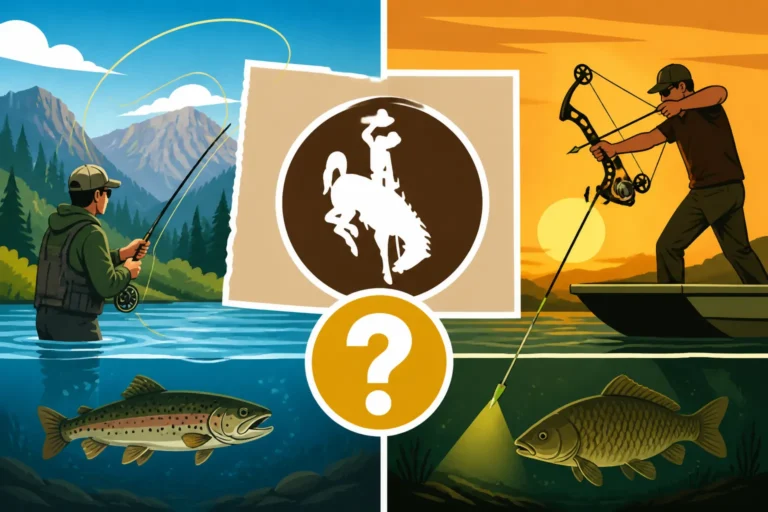
Many of us, when we head out for a day (or night!) of fishing, often assume that if a body of water is open, it's open 24/7. But in a state as wild and diverse as Wyoming, where regulations can shift from one drainage to the next, it's easy to get tangled up in what's allowed and what's not. The question of whether night fishing is legal in Wyoming isn't as simple as a blanket "yes" or "no," and understanding the nuances can save you a lot of headache and potential fines. This guide will shine a light on Wyoming's night fishing rules, helping you navigate the darkness safely and legally.
The General Rule: Fishing Under the Stars is Often Permitted
It's a common misconception that fishing is always a daytime activity, especially in places known for their pristine, wild fisheries like Wyoming. Many anglers, particularly those new to the state or visiting from areas with stricter rules, might assume that once the sun dips below the horizon, so too does their opportunity to cast a line. But for the most part, that's not the case here in the Cowboy State.
Understanding the Statewide Default
Generally speaking, the default stance for fishing in Wyoming is pretty angler-friendly: if a water is open to fishing, it's open around the clock. This means that for the vast majority of lakes, reservoirs, and rivers across the state, you're free to fish from midnight to dawn, all through the day, and then from dusk back to midnight again. It's a wonderful freedom for those who love the quiet solitude of the night, the thrill of a big fish biting in the dark, or simply want to escape the summer heat and crowds that can sometimes gather during prime daylight hours. This general rule is the foundation of Wyoming's approach to fishing access.
However, this isn't a license to just go anywhere at any time. This "default" permission comes with a crucial caveat, one that any seasoned Wyoming angler will tell you is paramount: you must always check the specific regulations for the water you plan to fish. The Wyoming Game and Fish Department (WGFD) regulations are incredibly detailed, and while the statewide rule is generous, specific areas often have exceptions that can impact when you can fish.
The Critical "Unless Otherwise Stated" Exception
Here’s where it gets really important to pay attention. While the general rule is wide open, many waters in Wyoming, particularly those with delicate fisheries, high recreational pressure, or special management objectives, have very specific seasonal or daily closures. This includes "no night fishing" clauses. These exceptions are never universal; they're almost always tied to a particular lake, a specific stretch of a river, or even a certain time of year to protect spawning fish or sensitive habitat.
You might find that a popular trout stream has an unstated 24-hour fishing allowance for most of its length, but then a specific section within a wildlife management area or near a dam suddenly has a "fishing prohibited from sunset to sunrise" rule. This is why just assuming the general rule applies everywhere can get you into trouble. It's not about trying to trick anyone; it's about managing diverse ecosystems and angler experiences across a vast state. For a deep dive into how these regulations are structured, you might want to read our article on Wyoming Fishing Regulations Every Angler Should Know.
Why Night Fishing Restrictions Exist
So, why would the state put these limits on certain waters? There are several good reasons. Sometimes it's for resource protection, especially during critical periods like spawning runs when fish are more vulnerable. Night fishing can also sometimes conflict with wildlife movements or other recreational uses of an area. In some cases, it's a safety measure, as certain areas might be too hazardous to navigate in the dark. It could also be to reduce pressure on specific species that are more susceptible to angling at night. For example, some fish species are much more active and easier to catch after dark, and managers might want to prevent overharvest.
The key takeaway here is to always be prepared. Before you head out, especially for a night expedition, grab a copy of the current Reading the Wyoming Fishing Regulations Booklet or check the WGFD website. Knowledge is your best tool for a successful and lawful trip.
Where Night Fishing is Restricted or Prohibited in Wyoming
Navigating the labyrinth of fishing regulations can feel like a chore, but it's absolutely crucial, especially when you're thinking about fishing after dark. As we discussed, while many waters in Wyoming are open 24/7, there are significant exceptions. Ignoring these can lead to fines, confiscation of gear, or even loss of fishing privileges, which nobody wants.
National Parks and Other Specific Closures
The most prominent and widely known restrictions on night fishing in Wyoming often come from our incredible National Parks. If you're planning a trip to a world-renowned destination like Yellowstone National Park or Grand Teton National Park, you'll encounter rules that are different from the general state regulations. For instance, within Yellowstone, fishing is generally restricted to daylight hours, typically from one hour before sunrise to one hour after sunset. These parks are managed by the National Park Service, not the WGFD, and their rules are designed to protect their unique ecosystems and visitor experiences. It's vital to check their specific handbooks, as Fishing Rules Inside Yellowstone National Park and Fishing Rules Inside Grand Teton National Park can be quite distinct from state guidelines.
Beyond the national parks, specific state waters, often rivers or reservoirs, can have their own unique restrictions. For example, certain stretches of popular rivers might have specific closures at night to protect migrating fish or to manage angler pressure. High-alpine lakes that require significant effort to access might also have regulations regarding overnight stays and fishing times to protect their fragile environments. Sometimes these are permanent rules, and other times they are temporary, emergency closures put in place due to drought, low water, or high water temperatures. You can always check How Wyoming Sets In-Season Emergency Closures to stay informed about any recent changes.
Finding Specific Night Fishing Regulations
So, how do you actually find these elusive "no night fishing" rules? It's all in the details of the official Wyoming Game and Fish Department regulations.
- The Regulations Booklet: This is your bible. Available online as a PDF or in print at most license vendors and WGFD offices, the booklet is organized by drainage, region, and then specific water bodies. You'll need to locate the section for the specific river or lake you intend to fish. Look for sections detailing "Hours," "Seasons," or "Special Provisions."
- Online Water-Specific Regulations: The WGFD website has an excellent interactive map and search tool where you can often pinpoint specific waters and pull up their regulations. This is arguably the easiest way to ensure you have the most up-to-date information, as emergency closures can be posted here quickly. This resource is particularly helpful to Where to Find Current Wyoming Fishing Regulations.
- Signs at Access Points: Sometimes, popular access points will have signs posted by the WGFD or managing agency outlining specific rules for that location. Always give these a quick read, even if you think you know the rules.
Here’s a quick table highlighting common types of restrictions and where you might find them:
| Restriction Type | Common Locations / Context | Where to Check |
|---|---|---|
| Complete Night Closure | National Parks (Yellowstone, Grand Teton), specific river sections for spawning fish, sensitive wildlife areas. | National Park regulations, WGFD regulation booklet (water-specific), WGFD online search, posted signs. |
| Seasonal Night Closure | Waters that have specific fish runs (e.g., brown trout spawning in fall), or during specific periods of environmental stress (e.g., warm summer nights, low water). | WGFD regulation booklet (seasonal closures), Wyoming Fishing Seasons and Water-Specific Closures article. |
| Method-Specific Restrictions | Less common for night fishing, but some areas may prohibit certain gear (e.g., bait) at night. | WGFD regulation booklet (water-specific methods), WGFD online search. |
| No Camping/Access Rules | While not strictly a fishing restriction, rules against overnight stays or access during certain hours can indirectly prevent night fishing. | Land management agency rules (e.g., BLM, National Forest), private land access agreements. |
Remember, the responsibility to know and abide by the regulations falls squarely on the angler. A friendly chat with a local tackle shop owner or a quick call to the nearest WGFD office can also provide invaluable, localized insights.
Beyond Legality: Safety Considerations for Night Fishing
Even when night fishing is perfectly legal, there are serious safety considerations that you need to be aware of. Wyoming's wild country doesn't get less wild after dark.
- Wildlife Encounters: Bears, mountain lions, and moose are active at night. Being out after dark, especially alone, increases your chances of an encounter. Carry bear spray, know how to use it, and make noise to avoid surprising animals.
- Navigation Hazards: Rivers change, rocks are slippery, and familiar trails can become disorienting in the dark. A good headlamp is non-negotiable, and knowing your area well is paramount.
- Weather Changes: Wyoming weather can shift dramatically and rapidly, even in summer. Temperatures can plummet, and sudden storms can roll in. Being caught unprepared in the dark is far more dangerous.
- Cold Water: Falling into cold water at night is a serious emergency. Always wear a PFD if you're near or on the water.
So, while the law might allow it, always weigh the risks and ensure you are properly prepared for the unique challenges of fishing after sunset.
Essential Gear and Best Practices for Night Angling Success
Alright, so you've done your homework, confirmed that your chosen spot in Wyoming is legal for night fishing, and you're ready to embrace the darkness. Fantastic! But before you head out, let's talk about how to make sure your nocturnal adventure is not just successful, but also safe and respectful. Night fishing isn't just daytime fishing without the sun; it requires a different approach, both in terms of gear and technique.
Equipping Yourself for the Dark
When the sun goes down, your senses are diminished, which means you need to rely more heavily on your equipment. This isn't the time to skimp.
- Reliable Lighting: This is non-negotiable. A good headlamp with adjustable brightness and a red-light option (to preserve night vision and avoid startling wildlife or other anglers) is essential. Carry spare batteries, or better yet, a second backup light. A small, portable lantern can also be great for illuminating your immediate area, especially if you're setting up a more stationary camp. You can find excellent options for headlamps and lanterns on
Amazonwith various features like waterproof ratings and long battery life. - Appropriate Clothing: Even on a hot summer day, temperatures in Wyoming can drop significantly after dark, especially in the mountains or high desert. Layering is key. Think moisture-wicking base layers, insulating mid-layers, and a waterproof/windproof outer shell. A warm hat and gloves are also highly recommended.
- Safety Essentials:
- First-Aid Kit: Minor cuts and scrapes are easier to get and harder to deal with in the dark.
- Bear Spray: Absolutely critical in most of Wyoming's wild areas. Know how to use it.
- Whistle: For signaling for help if you get lost or need to alert others.
- Navigation: A fully charged phone with downloaded maps, or a dedicated GPS device, is important. Don't rely solely on cell service, which can be spotty.
- Communication: Let someone know where you're going and when you expect to return.
- Specialized Fishing Gear:
- Glow-in-the-Dark Lures/Jigs: Many manufacturers make lures designed to be visible at night.
- Lighted Bobbers/Floats: Essential for watching strikes when bait fishing or nymphing.
- Heavy-Duty Leaders and Line: Fish can often be less wary at night, allowing for bigger fish to move into shallower water. Be prepared for a strong fight. Consider picking up some robust fluorocarbon leader material on
Amazonbefore your trip. - Net: A sturdy, deep net is invaluable for landing fish safely in low light, minimizing handling time.
For backcountry or more remote night fishing trips, you'll also want to consider the suggestions in our guide on What Gear to Pack for a Backcountry Fishing Trip.
Practicing Respectful and Effective Night Fishing Techniques
Beyond just staying safe, practicing responsible angling is paramount, especially at night when you might be sharing the bank with wildlife or other campers.
- Minimize Your Impact: Always pack out everything you pack in, and then some. Leave no trace. Be mindful of noise, especially if you're near campgrounds or residential areas. The quiet of the night is what many people cherish.
- Respect Wildlife: Avoid shining bright lights directly at animals. Give them space. Store food properly in bear-resistant containers if camping.
- Adapt Your Techniques: Fish behavior changes at night. Many species become bolder and move into shallower water to feed.
- Slow and Steady: Often, a slower retrieve for lures or a more subtle presentation for bait works best. Fish rely more on lateral line senses and smell in the dark.
- Bait Fishing: Night crawlers, cut bait, or even PowerBait can be incredibly effective, especially for species like trout and walleye. A simple bobber rig with a lighted bobber can be very productive.
- Lure Fishing: Dark-colored lures, or those that create a lot of vibration (like spinnerbaits or buzzbaits), can be good. Scented lures can also make a big difference. Check out the selection of night fishing specific lures on
Amazonbefore you go. - Fly Fishing: While challenging, streamer fishing can be very effective at night, especially for large brown trout. Focus on slow, deliberate strips.
- Targeting Specific Species: Certain fish species are known for being more active at night. Walleye in reservoirs, for instance, often move to shallower feeding flats after dark. Huge brown trout, which are notoriously shy during the day, can become aggressive nocturnal hunters. Knowing How Water Temperature Affects Trout Feeding can give you an edge, as cooler night temperatures often invigorate fish.
Remember, the goal is to enjoy the unique experience of night fishing while ensuring you are safe, legal, and respectful of Wyoming's precious resources and fellow outdoor enthusiasts. A little preparation goes a long way in making those moonlit casts truly memorable.
Disclaimer
The information provided in this guide is for general informational purposes only and does not constitute legal advice. Fishing regulations in Wyoming are subject to change by the Wyoming Game and Fish Department (WGFD) and other managing agencies. Always consult the most current official WGFD regulations booklet, special orders, and local postings for the specific waters you intend to fish before heading out. Failure to do so could result in fines or penalties.