Best Places to Fish in Wyoming
We've all been there: staring at a map of Wyoming, seeing endless blue lines and vast expanses of water, and feeling utterly overwhelmed by the sheer number of fishing opportunities. How do you even begin to decide where to cast a line in a state so legendary for its angling? This guide is here to cut through that confusion, helping you navigate the best places to fish in Wyoming, from the famous rivers to the hidden high-alpine gems, so you can spend less time planning and more time fishing.
The Iconic North Platte River System: A Fly-Fisher's Dream
When you talk about world-class trout fishing in Wyoming, the North Platte River almost always comes up first. This isn't just a river; it's a series of diverse fisheries, from tailwaters below massive reservoirs to freestone sections winding through remote canyons. The North Platte offers an unparalleled experience for anglers, whether you're chasing trophy browns on a fly rod or drifting nymphs through productive runs. It’s a vast system, and understanding its different stretches is key to unlocking its full potential.
The Miracle Mile and Gray Reef: Trophy Trout Waters
These two stretches of the North Platte River are legendary for a reason: they consistently produce some of the largest trout in the state. The "Miracle Mile" is a 7-mile section located between Seminoe and Pathfinder Reservoirs. It's renowned for its robust populations of rainbow and brown trout, many reaching impressive sizes thanks to the nutrient-rich water released from Seminoe. Access can be a bit rugged, often requiring a high-clearance vehicle, but the rewards are well worth the effort. Anglers often employ nymphing techniques here, drifting imitations of scuds, sowbugs, and annelids. The fishing pressure can be high, especially on weekends, but early mornings or weekdays can offer a more solitary experience. Understanding the current water flows, which are often dictated by dam releases, is crucial for success here.
Just downstream, below Alcova Reservoir, lies the "Gray Reef" section. This tailwater fishery is another absolute powerhouse, often described as one of the most productive trout streams in the Lower 48. The stable water temperatures and abundant aquatic insect life create an ideal environment for trout to thrive. Rainbow trout are the dominant species here, with many fish in the 16-20 inch range, and larger specimens are always a possibility. The Gray Reef is particularly famous for its prolific midge and mayfly hatches, offering incredible dry fly fishing opportunities at various times of the year. During cooler months, streamer fishing can be incredibly effective for enticing those larger, predatory browns. Many anglers choose to explore this stretch with a guided float trip, maximizing their chances and gaining invaluable local insight. If you're considering a guided trip, platforms like FishingBooker can connect you with experienced local guides who know these waters intimately. Be sure to check the specific regulations for these areas, as they can be quite strict, often including Are Barbless Hooks Required on the North Platte River?.
Fremont Canyon and Alcova Reservoir's Hidden Gems
Just above the Gray Reef, Fremont Canyon offers a dramatically different North Platte experience. This steep-walled canyon is a wild, rugged, and incredibly beautiful place to fish. Access here is primarily by wading, though it can be challenging, involving steep hikes and slippery rocks. The canyon offers a more intimate fishing experience, with deep pools, swift runs, and plenty of pocket water holding aggressive rainbow and brown trout. Fly fishing with nymphs and streamers is particularly effective in these tight quarters, and the solitude here can be a welcome change from the more popular stretches. You might not catch as many fish as on the Gray Reef, but the quality of the experience and the stunning scenery are unforgettable.
Alcova Reservoir itself, nestled within the North Platte system, provides a fantastic warmwater and coldwater fishery. While the river downstream gets all the fame for trout, Alcova holds respectable populations of rainbow and brown trout, along with walleye, perch, and smallmouth bass. It's a great spot for both boat and shore anglers, offering diverse opportunities. Trolling with spoons and crankbaits can be productive for trout, especially near the dam, while jigging and casting swimbaits often entice walleye and bass. The reservoir is also popular for ice fishing in winter, providing year-round angling potential.
Pathfinder and Seminoe Reservoirs: Big Water, Big Fish
Moving upstream, above the Miracle Mile, you'll find Pathfinder and Seminoe Reservoirs. These are vast, wind-swept bodies of water that offer a different kind of angling adventure. Seminoe Reservoir, the largest in the North Platte system, is known for its large brown trout and rainbow trout, many of which migrate into the Miracle Mile during spawning seasons. It also holds good numbers of walleye, northern pike, and a robust population of burbot (ling), especially popular with ice anglers in winter. Fishing here often involves covering a lot of water by boat, trolling deep with downriggers or casting large spoons and crankbaits along rocky points and submerged structures. The sheer size of Seminoe can be intimidating, but it offers incredible potential for trophy fish.
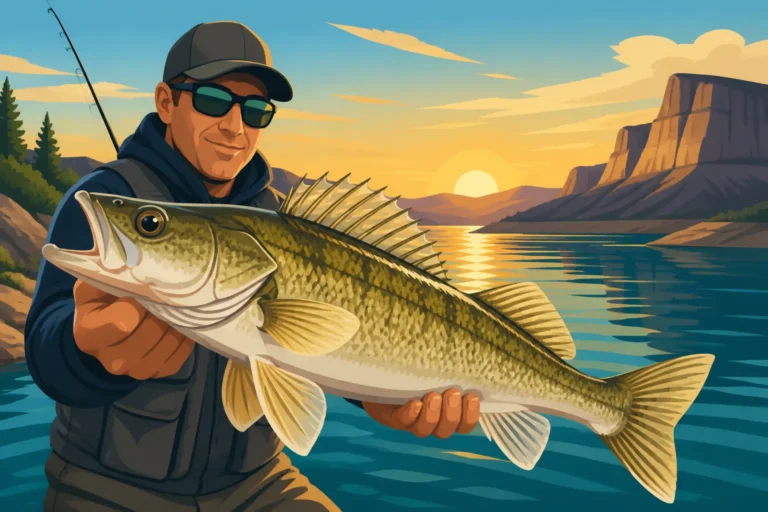
Pathfinder Reservoir, upstream from Seminoe, is another massive lake famous for its trophy brown trout and walleye. Like Seminoe, it's a big-boat fishery, and anglers often spend days exploring its numerous bays, points, and deep channels. The reservoir is known for producing some truly massive brown trout, often caught by trolling large minnow imitations or jigging deep structure. Walleye fishing can be excellent, particularly during the spring and fall, with jigs and bottom bouncers being popular choices. While these reservoirs require a different approach than the intimate river sections, they offer the chance at truly enormous fish and a classic Wyoming big-water experience. Be sure to keep an eye on the Wyoming Fishing Regulations Every Angler Should Know before heading out, as regulations can vary by specific water.
Western Wyoming's Premier Waters: Snake River and Jackson Lake
Venturing to the western side of Wyoming brings you into the iconic landscapes of Jackson Hole, the Teton Range, and two of the state's most famous and picturesque fishing destinations: the Snake River and Jackson Lake. These waters are synonymous with native trout and stunning mountain backdrops, offering a quintessential Western angling experience.
Snake River Fine-Spotted Cutthroat Territory
The Snake River, flowing majestically through Jackson Hole, is home to the genetically unique Snake River Fine-Spotted Cutthroat Trout, Wyoming's state fish. This river is a fly-fishing paradise, celebrated for its prolific insect hatches and the eager, aggressive nature of its native cutthroat. The river itself is relatively wide and braided in many sections, making it ideal for float trips in drift boats or rafts. While wade fishing is possible in certain areas, particularly tributaries and side channels, the true magic of the Snake is often experienced from the water.
Anglers here will find excellent dry fly fishing from late spring through fall, with consistent hatches of stoneflies, caddis, and various mayflies. When the dry fly action slows, nymphing can be incredibly productive, imitating the abundant aquatic insects that form the backbone of the cutthroat's diet. Streamer fishing is also a popular and effective method, especially for targeting larger, more territorial cutthroat. The scenery alone is worth the trip, with the towering Teton peaks providing a constant, breathtaking backdrop. Many guides operating in this area specialize in fly fishing for these distinctive cutthroat, and you can find reputable outfitters through services like FishingBooker.
Jackson Lake's Lake Trout and Scenic Beauty
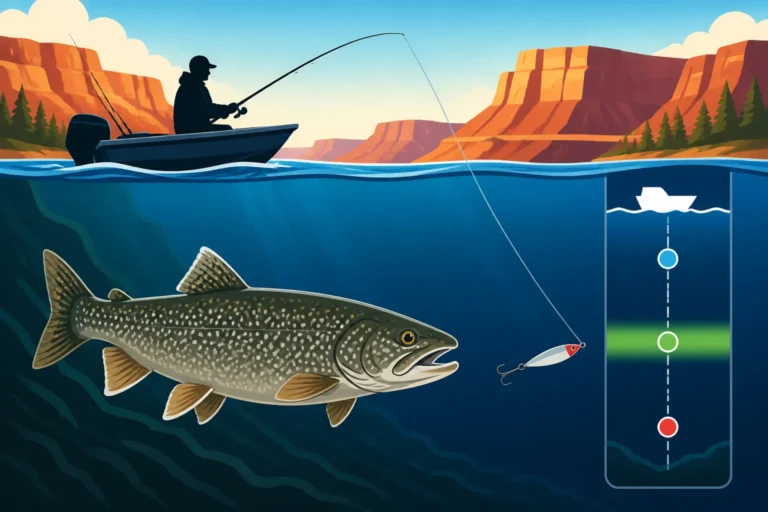
Jackson Lake, situated entirely within Grand Teton National Park, is a large, deep, glacial lake that offers a stark contrast to the moving waters of the Snake River. This massive body of water is primarily known for its formidable lake trout (Mackinaw), which can grow to immense sizes in its cold, clear depths. While native cutthroat are also present, they are less commonly targeted by anglers here. Lake trout are typically found in deeper water, often requiring specialized techniques like downrigging with large spoons or tube jigs, or jigging vertically over submerged structures and drop-offs.
The sheer size and depth of Jackson Lake, reaching over 400 feet in places, make it a challenging but rewarding fishery. Anglers often launch boats from various access points within Grand Teton National Park, such as Colter Bay or Leeks Marina. The lake's pristine, deep blue waters, framed by the jagged peaks of the Tetons, create an unforgettable setting. For those looking for a truly unique experience, consider fishing here in the late season, as Why Jackson Lake Now Stays Open Through October has expanded angling opportunities.
Grand Teton National Park Fishing Opportunities
Beyond the main stem of the Snake River and Jackson Lake, Grand Teton National Park offers a myriad of smaller lakes and streams, each with its own character and species. Leigh Lake and String Lake, accessible via short hikes, provide tranquil settings for fishing for smaller cutthroat and brook trout. These lakes are often fished from shore or by non-motorized boats, offering a peaceful, immersive experience. The smaller streams winding through the park also hold native cutthroat, but they often require careful wading and stealthy approaches due to their clear, shallow waters.
Fishing within a National Park comes with specific regulations that differ from statewide Wyoming fishing rules. You'll need a Wyoming fishing license, but also a separate permit issued by the National Park Service for fishing within Grand Teton. It's crucial to consult the park's specific fishing brochure for details on closed waters, gear restrictions (like lead-free tackle requirements), and catch limits, which can vary significantly. This attention to detail ensures you respect the park's conservation efforts while enjoying its exceptional fishing.
Southern Wyoming's Mighty Flaming Gorge Reservoir
Spanning the border between Wyoming and Utah, Flaming Gorge Reservoir is a colossal body of water carved out of dramatic red rock canyons. It's a diverse fishery, renowned for its trophy lake trout, robust populations of kokanee salmon, and a surprising array of warmwater species. This reservoir is a destination in itself, drawing anglers from across the country for its sheer size and the potential for catching truly giant fish.
Trophy Lake Trout and Kokanee Salmon Mecca
Flaming Gorge is arguably the best place in Wyoming (and perhaps the entire West) to catch a trophy lake trout, also known as Mackinaw. These fish grow to immense sizes here, with specimens weighing over 30 pounds not uncommon. The cold, deep waters of the reservoir provide an ideal habitat for these powerful predators. Targeting lake trout often involves trolling with downriggers at various depths, using large spoons, tube jigs, or even live bait where permitted. Jigging vertically over deep structure, particularly during the colder months, can also be highly effective. The key to success often lies in understanding the lake's vast contours and the seasonal movements of its primary forage fish. You can learn more about Where to Find Mackinaw Lake Trout in Wyoming in depth.
Beyond the lakers, Flaming Gorge is also celebrated for its vibrant kokanee salmon fishery. These landlocked sockeye salmon provide exciting action, especially during their annual spawning runs when they turn a brilliant red. Trolling with small spoons, dodgers, and pop gear is the most popular method for kokanee, often fished at specific depths where schools are concentrated. The kokanee fishery is cyclical, with boom and bust years, but it consistently offers fast-paced angling when they're biting. Many guides specifically target kokanee, providing all the necessary gear and expertise.
Multi-Species Action: Bass, Walleye, and More
While lake trout and kokanee steal the headlines, Flaming Gorge offers much more. The reservoir's warmer, shallower bays and arms, particularly in its upper reaches, hold excellent populations of smallmouth bass. These hard-fighting fish provide fantastic light-tackle action, especially during the spring and summer months. Anglers can target smallmouth with crankbaits, jigs, spinnerbaits, and soft plastics cast along rocky shorelines, points, and submerged timber.
Walleye are another popular target, particularly in the northern (Wyoming) section of the reservoir, though their populations can fluctuate. These elusive predators are often caught by trolling crankbaits or by jigging and using bottom bouncers with worms or leeches. Perch are also abundant and provide great action for families and ice anglers. The incredible diversity of species means you can essentially fish for something different every time you visit, or even switch tactics throughout a single day.
Access Points and Camping at Flaming Gorge
Flaming Gorge Reservoir is massive, stretching over 90 miles long, with hundreds of miles of shoreline. Access points are numerous and well-developed, particularly on the Wyoming side. Key marinas and boat ramps include Buckboard Crossing, Lucerne Valley, and Squaw Hollow. These facilities offer everything from boat rentals to camping, lodging, and fishing supplies. There are also countless primitive camping spots along the shoreline for those seeking a more rustic experience.
Because of its size and diverse offerings, planning a trip to Flaming Gorge often involves choosing a specific area to focus on. Some anglers prefer the deep, open waters for lake trout, while others seek out the calmer bays for bass or the northern arms for walleye. Local tackle shops and guides are invaluable resources for up-to-date information on where the fish are biting and what techniques are most effective. If you’re looking to find a reputable charter or guide for an unforgettable experience on Flaming Gorge, FishingBooker offers a wide array of options tailored to your preferences.
Central Wyoming's Diverse Fisheries: Boysen and Ocean Lakes
Moving into the heart of Wyoming, the central region presents a blend of landscapes, from rolling plains to rugged mountains, and with it, a variety of fishing opportunities. Boysen Reservoir stands out as a major hub, while other smaller lakes and river sections add to the appeal. This area is particularly known for its mixed bag of warmwater and coldwater species, offering something for every angler.
Walleye, Sauger, and Ling at Boysen Reservoir
Boysen Reservoir, located near Shoshoni, is one of Wyoming's largest and most important fisheries, particularly celebrated for its walleye. These elusive and delicious fish draw serious anglers from far and wide. The reservoir's diverse structure, including submerged islands, rocky points, and expansive flats, provides excellent walleye habitat. Anglers primarily target walleye by trolling crankbaits, casting jigs, or using bottom bouncers with live bait. Early mornings and evenings are often the most productive times, especially during the spring and fall spawning periods. Understanding the depth and structure where walleye are holding is key to consistent success. Boysen has a reputation for producing good numbers of eater-sized walleye, with trophy potential always present. You can delve into Best Wyoming Reservoirs for Walleye for more insights.
In addition to walleye, Boysen is also home to a healthy population of sauger, a close relative of the walleye, and a unique species known as burbot (ling). Burbot are a freshwater cod-like fish, highly prized for their firm, white meat, and they are especially targeted by ice anglers in the winter. Night fishing for ling through the ice is a popular and often productive activity at Boysen. The reservoir also holds a variety of other species, including crappie, yellow perch, rainbow trout, and even some smallmouth bass, making it a true multi-species destination.
Ocean Lake's Panfish and Warmwater Species
Just west of Boysen Reservoir, near Riverton, lies Ocean Lake, another significant central Wyoming fishery. While Boysen gets a lot of attention, Ocean Lake offers excellent opportunities for warmwater species, particularly its robust populations of crappie and yellow perch. These panfish provide fantastic action for anglers of all skill levels, making Ocean Lake a popular family fishing destination. Crappie often hang around submerged brush piles, timber, and weed beds, and can be caught using small jigs, minnows, or plastic baits. Perch are found throughout the lake, often schooling in deeper water, and readily bite on small baits and jigs.
Ocean Lake also boasts respectable numbers of walleye and some northern pike, though not in the same abundance as Boysen. The pike, in particular, can grow to considerable size, offering exciting action for those targeting toothy critters with large spoons, spinnerbaits, or dead bait. Like Boysen, Ocean Lake is a popular ice fishing destination in winter, with anglers often setting up shelters to target perch and walleye. The relatively shallow nature of much of the lake can make it accessible for bank anglers, especially during spring and fall.
Fishing the Wind River Below Boysen Dam
Below Boysen Dam, the Wind River flows as a freestone river, offering a completely different angling experience from the reservoir. This section of the river, before it changes its name to the Bighorn River further downstream, holds good populations of rainbow and brown trout, along with some native cutthroat. The river here flows through a scenic canyon, providing varied water types, from swift runs to deeper pools and riffles.
Fly fishing is a popular method on the Wind River, with anglers employing nymphing, dry fly, and streamer techniques depending on the season and conditions. Spin fishermen can also find success with small spinners, spoons, and bait. Access can be a mix of developed points and more rugged, walk-in opportunities. It’s important to remember that downstream, the Wind River enters the Wind River Indian Reservation, and fishing those waters requires a separate tribal permit in addition to your Wyoming license. Always check Do You Need a License to Fish on the Wind River Reservation? before venturing onto tribal lands. This area offers a chance to experience the solitude and wild beauty of a Wyoming river, often with less pressure than some of the more famous trout streams.
High-Altitude Gems: Wyoming's Alpine Lakes
For those seeking adventure and solitude, Wyoming's high-alpine lakes are truly exceptional fishing destinations. Nestled in the towering mountain ranges like the Wind River, Absaroka, and Bighorn, these pristine waters offer a unique angling experience, often requiring significant hiking or horseback travel to reach. The rewards, however, are immeasurable: breathtaking scenery, crystal-clear water, and the chance to catch colorful, wild trout in a truly remote setting.
Wind River Range's Golden and Cutthroat Trout
The Wind River Range, in west-central Wyoming, is a crown jewel for high-alpine fishing. Home to hundreds of lakes and countless miles of streams, it offers some of the most spectacular backcountry fishing in the lower 48. This range is particularly famous for its populations of vibrant golden trout, an incredibly beautiful and sought-after species, often found alongside native cutthroat trout and brook trout. Reaching these lakes often involves multi-day backpacking trips, navigating rugged trails, and sometimes even off-trail travel.
The effort, however, is deeply rewarding. The fish in these high-elevation waters, while generally not massive, are typically wild, brightly colored, and eager to bite. Fly fishing with dry flies, small nymphs, and tiny streamers is incredibly effective. Spin fishermen can also find success with small spoons and spinners. The challenge and beauty of fishing in the Wind River Range are unmatched, offering a profound sense of wilderness and accomplishment. Planning is crucial for these trips, including packing appropriate gear, understanding weather patterns, and knowing How to Fish Wyoming's High-Alpine Lakes effectively.
Shoshone National Forest Backcountry Fishing
East of Yellowstone and Grand Teton National Parks, the Shoshone National Forest encompasses vast wilderness areas, including sections of the Absaroka and Beartooth Mountains. This region also boasts numerous high-alpine lakes and pristine mountain streams that are teeming with trout. Species commonly found here include cutthroat, rainbow, brook, and sometimes lake trout in larger, deeper lakes. Similar to the Wind River Range, access often requires significant hiking or a pack trip with horses or mules.
The Shoshone offers a blend of remote wilderness experiences, from day hikes to overnight backpacking trips. Lakes like those in the Fitzpatrick Wilderness or the Popo Agie Wilderness provide incredible opportunities for solitude and excellent fishing. Many of these waters are naturally reproducing, while others are periodically stocked with fingerlings by the Wyoming Game and Fish Department, ensuring healthy fish populations. The clear, cold waters make for challenging but incredibly visual fishing, where you can often spot trout cruising before you cast.
Planning Your High-Lake Adventure
Embarking on a high-alpine fishing trip requires meticulous planning. Unlike fishing a roadside river, these expeditions demand self-sufficiency and a thorough understanding of backcountry safety. Key considerations include:
- Navigation: Topographic maps, a compass, and a GPS device are essential.
- Gear: Lightweight fishing tackle, appropriate clothing layers for rapidly changing mountain weather, sturdy hiking boots, and bear-resistant food storage are critical.
- Permits: While a Wyoming fishing license is always required, some wilderness areas might require additional permits for camping or entry. Always check with the local Forest Service or BLM office.
- Physical Fitness: Be realistic about your physical capabilities. Many of these trails involve significant elevation gain and miles of hiking.
- Leave No Trace: Practice strict Leave No Trace principles to preserve these pristine environments for future generations. Pack out everything you pack in, and minimize your impact.
For those less experienced in backcountry travel but still yearning for this kind of adventure, consider hiring a licensed outfitter for a guided pack trip. These professionals can provide horses, gear, and expertise, making a remote fishing trip much more accessible and safe.
Northeastern Wyoming's Hidden Treasures: Keyhole, Glendo, and Guernsey
While Western and Central Wyoming often steal the spotlight, the northeastern corner of the state offers its own unique charm and fantastic fishing opportunities, particularly on its trio of significant reservoirs: Keyhole, Glendo, and Guernsey. These waters provide a mix of warmwater species and some coldwater action, often with less crowded conditions than their more famous counterparts.
Walleye and Crappie at Keyhole Reservoir
Keyhole Reservoir, located near the town of Moorcroft and within Keyhole State Park, is a truly underrated gem in northeastern Wyoming. This expansive reservoir is a haven for walleye and crappie anglers, offering consistent action for both species. Keyhole's structure, with its numerous submerged points, rocky outcrops, and timber, provides ideal habitat. Walleye here can be found by trolling crankbaits or by casting jigs and soft plastics, especially during low-light conditions. The spring and fall are typically the most productive times for targeting walleye, but consistent anglers find success throughout the open water season.
Crappie fishing at Keyhole can be phenomenal, with anglers often finding large schools congregated around submerged brush, docks, and other structures. Small jigs, minnows, and bobber setups are highly effective. Keyhole is also a popular ice fishing destination in winter, with anglers setting up shelters over productive crappie and walleye grounds. Beyond these two popular species, the reservoir also holds channel catfish, smallmouth bass, northern pike, and yellow perch, making it a diverse fishery perfect for a multi-day trip.
Glendo and Guernsey Reservoirs for Multi-Species Action
Further south, near the town of Glendo, you'll find Glendo Reservoir and its smaller neighbor, Guernsey Reservoir. Both are state parks, offering excellent facilities, camping, and boat access, making them incredibly popular for family fishing trips and water recreation.
Glendo Reservoir is well-known for its impressive walleye fishery, often producing larger fish than Keyhole. It's a vast lake, with plenty of room for trolling, casting, and jigging for walleye. The reservoir's diverse forage base contributes to the health and size of its walleye population. In addition to walleye, Glendo offers fantastic fishing for channel catfish, particularly in its warmer, shallower arms and bays, as well as decent populations of crappie and smallmouth bass. During peak season, Glendo can be quite busy with pleasure boaters, so early mornings or weekdays often provide the best fishing conditions.
Guernsey Reservoir, located just upstream from Glendo, is a smaller, shallower reservoir that offers a slightly different angling experience. It's particularly good for crappie, bluegill, and channel catfish, making it an excellent spot for kids and those looking for consistent panfish action. The warmer waters of Guernsey also hold good numbers of northern pike and some walleye. Its smaller size means it can be easier to navigate and fish effectively from shore or smaller boats. Both Glendo and Guernsey offer excellent camping and recreational opportunities, making them ideal for extended stays.
Fishing Opportunities Near Sheridan and Buffalo
The area surrounding Sheridan and Buffalo, nestled against the eastern slopes of the Bighorn Mountains, offers a different flavor of fishing. While not home to large reservoirs like the ones mentioned, this region boasts numerous smaller lakes, reservoirs, and mountain streams. The Bighorn Mountains themselves contain countless high-alpine lakes and freestone streams, accessible via hiking, that hold various trout species, including cutthroat, rainbow, and brook trout. These waters provide a fantastic escape into solitude and stunning scenery, often reminiscent of the Wind River Range but with different access points.
Closer to the towns, you'll find smaller, easily accessible lakes and ponds that are regularly stocked by the Wyoming Game and Fish Department, making them ideal for beginners and families. Waters like Lake DeSmet near Buffalo offer fishing for trout, walleye, and even pike. The smaller streams flowing out of the Bighorns also offer intimate trout fishing experiences, especially for those who enjoy wading and exploring. These local gems might not always make the national headlines, but they provide consistent, enjoyable fishing for those willing to explore.
Yellowstone National Park: A Unique Angling Experience
Yellowstone National Park is a natural wonder, and its fishing opportunities are as unique and spectacular as its geothermal features. While located primarily in Wyoming, fishing in Yellowstone operates under its own distinct set of regulations, separate from the broader Wyoming state rules. This unique environment demands a respectful and informed approach from every angler.
Fishing Yellowstone Lake's Native Cutthroat
Yellowstone Lake, the largest high-altitude lake in North America, is the crown jewel of the park's fishing scene. Historically, it was a stronghold for the native Yellowstone Cutthroat Trout, a subspecies critical to the park's ecosystem. Anglers can fish for these beautiful trout from shore, boat, or by fly-fishing its numerous tributary streams. The lake's vastness and incredible scenery make for an unforgettable experience.
However, the lake's ecosystem faces a significant challenge: the presence of non-native lake trout (Mackinaw). Lake trout are voracious predators of the cutthroat, and their introduction has severely impacted the native population. Because of this, Yellowstone National Park has strict regulations regarding lake trout: they must be killed upon capture and cannot be released. This "catch and kill" policy for lake trout is a critical part of the park's ongoing effort to restore the native cutthroat population. Conversely, native cutthroat caught must generally be released, often under specific slot limits, depending on the area. It’s a vital responsibility for every angler to understand and adhere to these regulations to support the park's conservation goals.
Catch-and-Release on Yellowstone's Rivers
Beyond Yellowstone Lake, the park is crisscrossed by an incredible network of rivers and streams, many of which offer exceptional catch-and-release fishing for native cutthroat and other trout species. The Yellowstone River itself, both above and below the lake, provides world-class fly-fishing opportunities. Other notable rivers include the Madison, Firehole, Gallatin, and Lamar Rivers, each with its own character and hatches.
Fishing on these rivers is almost exclusively fly-fishing, often with barbless hooks required. The emphasis is entirely on preserving the wild trout populations, so responsible catch-and-release practices are paramount. The fishing seasons for different waters within the park vary significantly, with many streams opening later in the summer after the spring runoff subsides. Checking the current Yellowstone National Park Fishing Regulations is non-negotiable before you even pack your rod, as rules can change annually and are very specific to each water body.
Understanding Park-Specific Regulations
Fishing in Yellowstone is not just about casting a line; it's about being an informed and responsible steward of a truly unique environment. Here are some key aspects of Yellowstone's regulations:
- Permit Required: In addition to a valid state fishing license (Wyoming, Montana, or Idaho, depending on which part of the park you plan to fish, though a Wyoming license will cover most fishing in the park's core), you must purchase a Yellowstone National Park fishing permit. These permits are available at visitor centers, ranger stations, and some authorized vendors within the park.
- Catch-and-Release: Most waters in Yellowstone are strictly catch-and-release for native fish. Proper handling techniques are essential to ensure the fish's survival.
- Gear Restrictions: Only artificial lures and flies are permitted throughout the park. Bait is strictly prohibited. Barbless hooks are usually required. Lead fishing tackle is also banned to protect wildlife.
- Closed Waters: Many areas, particularly those important for spawning or sensitive ecological sites, are permanently or seasonally closed to fishing. Always consult the official park fishing regulations.
- Invasive Species: Anglers play a crucial role in preventing the spread of aquatic invasive species. All boats, float tubes, and waders must be cleaned, drained, and dried before entering any park waters.
For serious anglers planning a trip, consider hiring a permitted guide. Guides operating within Yellowstone National Park require special permits and are highly knowledgeable about the park's unique rules and the best fishing spots. You can research and book such guides through reputable services like FishingBooker, ensuring they are properly licensed for park operations. It's a fantastic way to maximize your experience while ensuring you adhere to all necessary regulations.
Key Considerations for Your Wyoming Fishing Adventure
Wyoming is a vast state, and its fishing opportunities are equally expansive. To make the most of your trip, consider these broader points that apply across the diverse landscapes.
| Water Type | Primary Species Targeted | Common Techniques | Best Time of Year | Unique Challenges |
|---|---|---|---|---|
| Blue-Ribbon Rivers | Brown Trout, Rainbow Trout, Cutthroat Trout, Brook Trout | Fly Fishing (Nymphs, Dry Flies, Streamers), Spin Fishing | Spring, Summer, Fall (tailwaters often year-round) | Crowds, Wading access, Technical fly fishing, Flow changes |
| Large Reservoirs | Lake Trout, Walleye, Kokanee Salmon, Bass, Perch, Pike | Trolling, Jigging, Casting, Ice Fishing | Year-round (ice fishing in winter) | Wind, Covering vast areas, Deep-water techniques, Boat access |
| High-Alpine Lakes | Golden Trout, Cutthroat Trout, Brook Trout | Fly Fishing (Small Dries, Nymphs), Spin Fishing (Small Lures) | Mid-Summer to Early Fall | Remote access (hiking/pack trip), Extreme weather, Thin air |
| Smaller Lakes/Ponds | Rainbow Trout, Brook Trout, Perch, Crappie, Catfish | Bait Fishing, Spin Fishing (Small Lures), Fly Fishing | Spring, Summer, Fall (some ice fishing) | Weed growth, Limited access, Can be heavily fished |
Beyond the Big Names: Exploring Local Waters
While this guide focuses on some of Wyoming's most famous and productive fisheries, don't overlook the countless smaller rivers, streams, and lakes that dot the landscape. Many of these local gems, often found in State Parks, Bureau of Land Management (BLM) lands, or National Forests, offer excellent fishing with less pressure. These waters are often stocked regularly by the Wyoming Game and Fish Department, providing accessible and family-friendly opportunities.
Talking to local tackle shops, checking local Game and Fish stocking reports, or simply exploring a detailed map can reveal fantastic, uncrowded fishing spots. You might stumble upon a small creek teeming with eager brook trout or a quiet pond holding fat rainbow trout. These "off-the-beaten-path" experiences can be some of the most memorable parts of a Wyoming fishing trip.
Essential Licensing and Regulations
No matter where you choose to fish in Wyoming, a valid fishing license is absolutely essential. The Wyoming Game and Fish Department offers a variety of licenses, including annual, daily, and multi-day options for both residents and non-residents. You can purchase your license online, at Game and Fish offices, or through numerous vendors across the state, including many sporting goods stores and even some gas stations.
It's also critical to understand the specific regulations for the water you plan to fish. Wyoming has statewide regulations, but many individual lakes, reservoirs, and river sections have special rules regarding bag limits, possession limits, tackle restrictions (e.g., Wyoming Trout Stream Daily Limit), and seasons. The official Wyoming Fishing Regulations booklet, available online and at license vendors, is your bible for compliance. Always carry a copy, either physical or digital, and consult it before casting a line. Ignorance of the law is no excuse, and wardens patrol these waters regularly.
When to Go: Understanding Wyoming's Seasons
Wyoming's fishing seasons are heavily influenced by its climate and elevation. Generally, the open-water fishing season runs from late spring through fall, with peak conditions often found in summer. However, different species and water types shine at different times:
- Spring (April-May): Can be excellent for river trout as waters begin to warm and insects become active, but also marks the start of runoff in many freestone rivers. Reservoirs can be good for walleye and other species.
- Summer (June-August): Peak season for most waters. High-alpine lakes become accessible, and dry fly fishing on rivers can be phenomenal. Warmer reservoir species like bass and walleye are very active.
- Fall (September-October): Often considered the best time for trophy brown trout as they begin their spawning migrations. Kokanee salmon also make their spawning runs. Fewer crowds and vibrant fall colors add to the appeal.
- Winter (November-March): Ice fishing takes center stage on many lakes and reservoirs, targeting perch, walleye, lake trout, and burbot. Tailwater fisheries often remain open and can provide excellent open-water trout fishing through the coldest months. You can learn more about Wyoming Fishing Seasons Month by Month.
Checking local conditions, water flows, and weather forecasts is always advisable, as Wyoming's mountain weather can be unpredictable, even in summer.
Disclaimer
The information provided in this guide is for general informational purposes only and is not intended as legal advice or an exhaustive list of all regulations. Fishing regulations in Wyoming can change frequently and vary significantly by specific water body, season, and species. It is the angler's sole responsibility to consult and adhere to the most current Wyoming Game and Fish Department regulations and any additional rules for specific locations (e.g., National Parks, Tribal Lands) before engaging in any fishing activity. Always prioritize safety, ethical angling practices, and respect for wildlife and the environment.